Botox in Dentistry: 6 Simple Ways Your Dentist Can Help
Botox in Dentistry: 6 Simple Ways Your Dentist Can Help
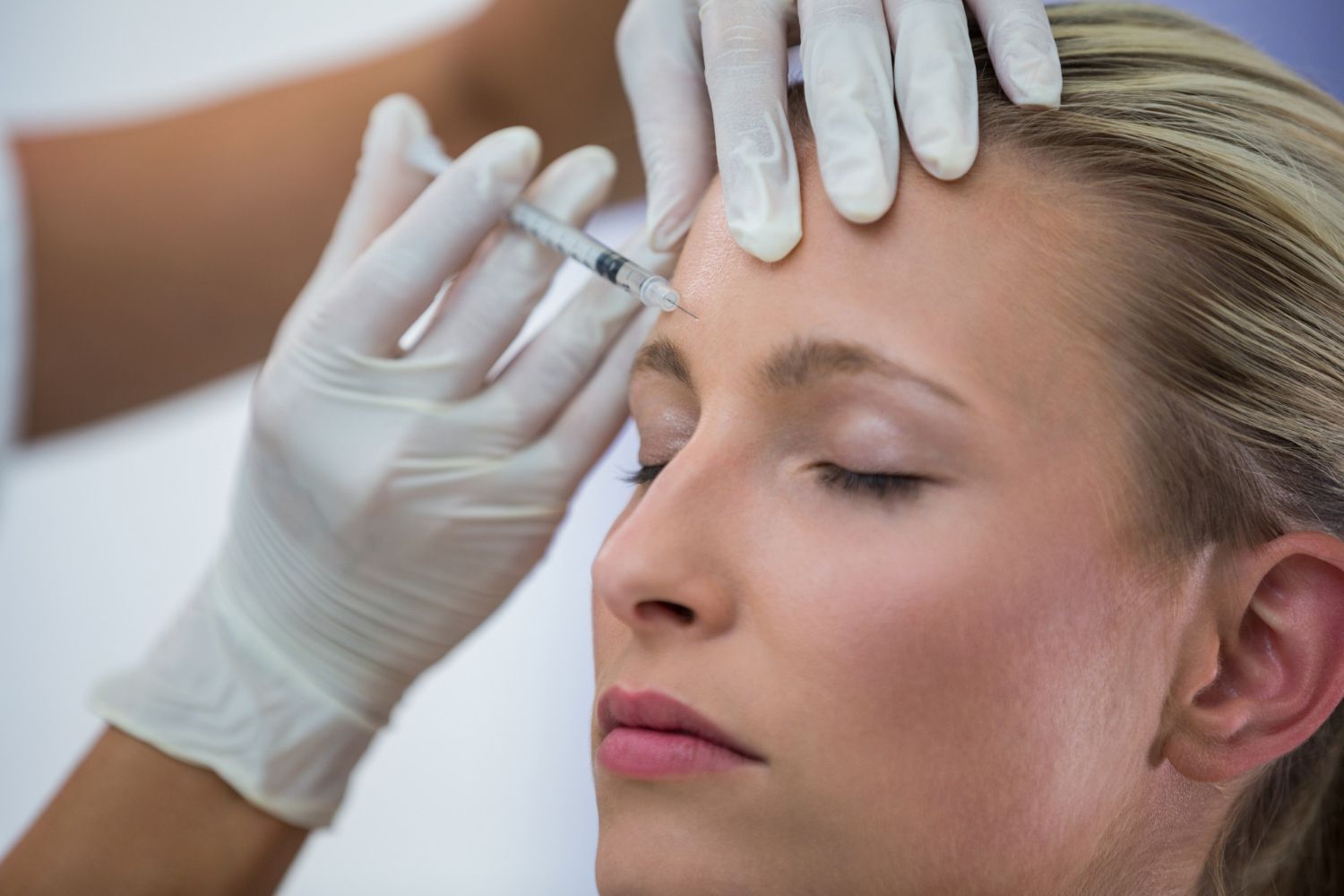
Botox has been a standard procedure for many years despite garnering a somewhat negative reputation. However, Botox Treatment is an excellent non-invasive procedure that involves the injection of purified natural proteins to help relax muscles temporarily.
Dentists have used Botox Treatment to treat high lip lines, bruxism, chronic pain around the jaw joint caused mainly by overactive muscles around the joint, and other conditions. These days, Botox in dentistry has broadened to include aesthetic treatments and the mouth, jaw, face, neck, and lips.
If you have been considering Botox, especially around your face, mouth, or jaw, it might be time to consider getting Botox at a dentist's. Most people are surprised to learn that dentists can perform Botox as it was only certain qualified medical professionals who could do so back in the day. Here are 6 simple ways your dentist can help with Botox and everything you need to know about getting Botox Treatment in NYC.
1. Bruxism
Bruxism is a condition characterized by grinding, gnashing, or clenching your teeth. If you have bruxism, you may subconsciously clench or grind your teeth while awake (awake bruxism) or while sleeping (sleep bruxism).
People who clench or grind their teeth (brux) while sleeping are more prone to experience sleep problems like snoring and breathing interruptions (sleep apnea). While milder forms of bruxism may not require any serious treatment, they could be addressed with Botox as with more serious conditions.
Bruxism causes severe tension along the jaw, which then leads to several symptoms, including:
- Jaw pain
- Lockjaw ( a condition in which clicking or tightening of the jaw muscles limits how much you can open your jaw)
- Tension, headaches, and migraines
- Earaches
- Tooth or gum sensitivity
- Damage to the tooth enamel
Furthermore, as the continuous grinding and clenching of the masseter muscles (muscles responsible for those actions) carry on, muscles along your jawline connecting the cheek and jaw grow more prominent. They may cause the jawline to take on a central and abnormal square form. While many people experience persistent jaw clenching and teeth grinding, the danger of tooth destruction and the pain that bruxism can cause are the two most severe reasons to seek treatment.
The neurotoxin injection of botulinum toxin A into the masseter muscles or temporalis muscles relaxes the muscles. This relieves discomfort from aches caused by persistent jaw clenching and grinding by releasing tension in the jaw. It can also assist in smoothing out the square jawline that can result from masseter muscle hypertrophy (the abnormal enlargement of the jaw due to overuse).
2. Temporomandibular Joint Disorder
Also referred to as the TMJ, The temporomandibular joint is a sliding hinge joint that joins the mandible (lower jaw) with the skull. The joint is located in front of the ears on both sides of the head and allows you to speak and eat by allowing your jaw to open and close.
TMJ disorders occur when there is pain and compromised function of the joint and the muscles around it. BOTOX for TMJ is injected into the jaw muscles, forehead, and temple, depending on your symptoms. The injections will decrease the action of the jaw muscles by relaxing them, resulting in temporary pain relief and a reduction in TMJ symptoms.
3. Gummy Smile or High Lip Lines
Lip lines define the space between the lower border of the lips and the teeth when a person smiles. There is a lot of space in this region with high lip lines, showing a large portion of the gums, hence also called a gummy smile.
Botox temporarily relaxes the muscle above the upper lip. This relaxation causes the lip to roll slightly upward, giving it a more voluminous and defined appearance and lowering the space between the lips and teeth.
4. Botox for Orthodontic Therapy
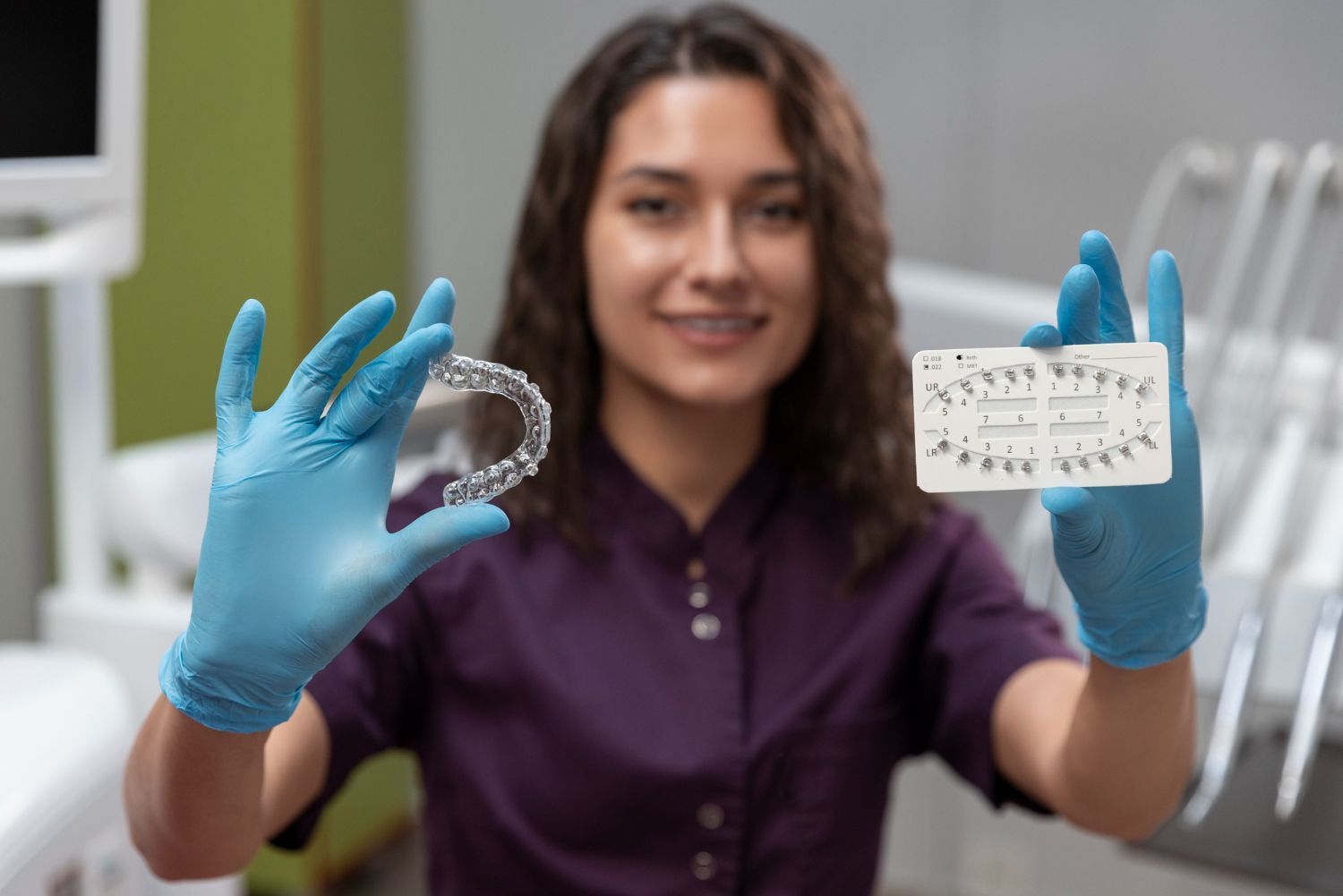
After getting orthodontic treatment - braces or aligners, Dental relapse is a common cause of concern for people as the teeth and gums may revert to their original positioning. Rather than let your time, effort, and money go to waste, you can use Botox to prevent dental relapse and maintain your new orthodontic procedure. This is done by injecting the Botox into the muscles around the mouth and teeth to make them relax. Relaxing the muscles prevents irregular contractions and ultimately, chances of the teeth relapsing.
5. Smile Enhancement
Your smile is often one of the first things people notice about your face. Botox in dentistry can be used to improve and reshape your smile by reducing lip lines and wrinkles. This treatment is pretty straightforward and non-invasive and lasts roughly six months before your muscles return to normal.
6. Sialorrhea (Excessive Saliva Production)
Excessive salivary flow is a key complication of various neurological disorders. This condition, which may not seem so complicated, may result in several symptoms such as aspiration pneumonia (inflammation caused by saliva in the lungs or airways), mouth infections, tooth decay, and peri-oral skin infections.
Botox injections into the parotid and submandibular salivary glands have been shown to reduce excessive saliva production in as little as four weeks by interfering with salivary gland autonomic innervation and causing a decrease in salivary flow. The impact is somewhat temporary, lasting about three months.
While Botox treatments are becoming more and more common in dentistry, it’s essential that you only go to qualified dental specialists who have the proper certifications and permit for dermal fillers and botulinum toxin.
To get the best and most effective Botox in dentistry, call our office today to schedule a Botox treatment with your dentist.
How Botox Is Used in Modern Dentistry
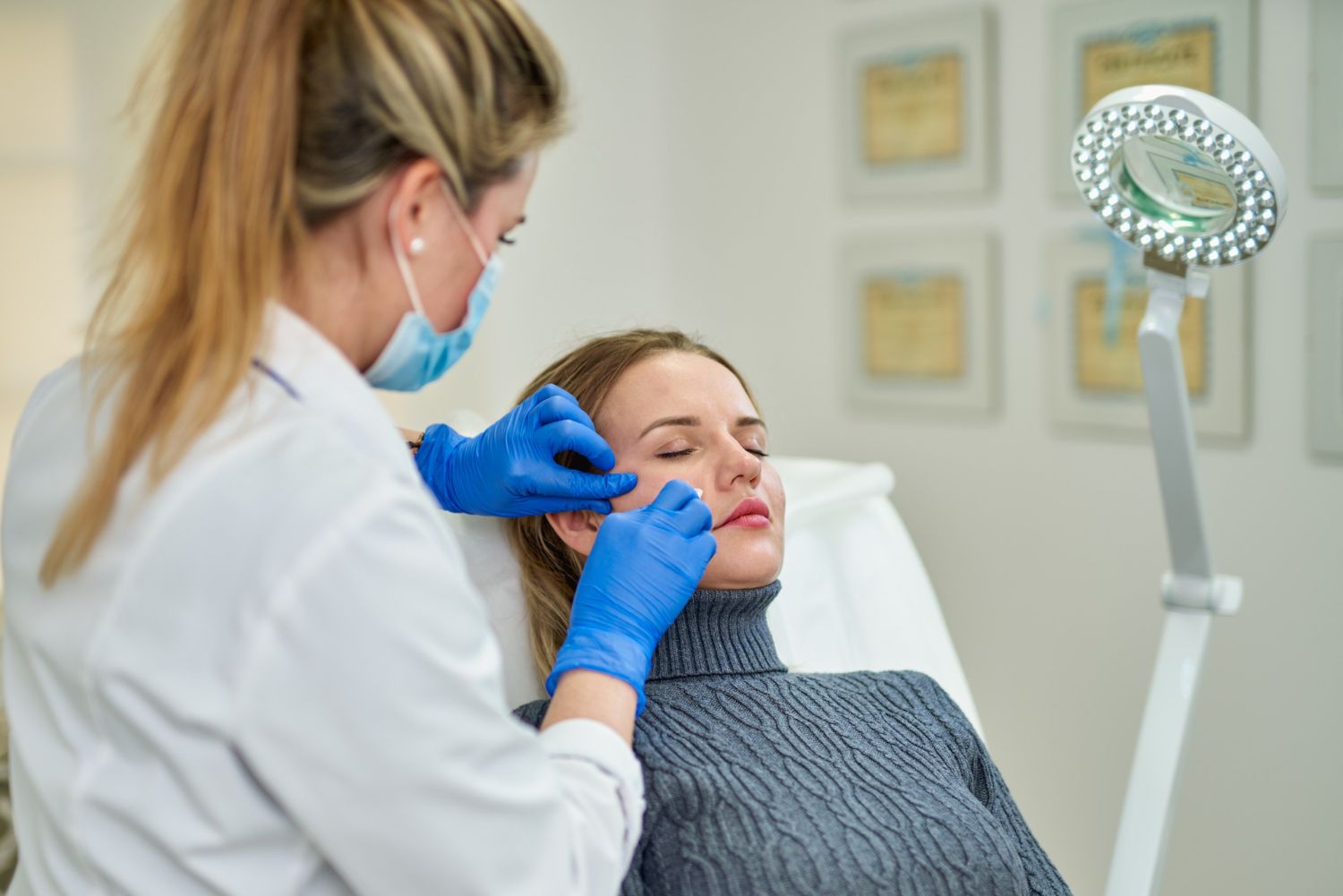
Botox is commonly known for cosmetic treatments, but it is also widely used in dentistry to help manage certain oral and facial conditions. Dentists trained in Botox applications can use it to relax muscles, reduce pain, and improve both dental function and facial comfort. These treatments are quick, minimally invasive, and can provide relief for patients who experience jaw tension, teeth grinding, or facial muscle strain.
At InStyle Dental Care, Botox is used as part of advanced dental care to support both oral health and overall comfort. From easing jaw pain to improving smile balance, dental Botox treatments are carefully planned to ensure safe and effective results for every patient.
Conclusion
Botox in dentistry offers practical solutions for several common dental concerns. When performed by experienced professionals, it can improve comfort, support dental treatments, and enhance facial balance. Patients can benefit from a modern approach that combines dental expertise with advanced therapeutic techniques.
What Counts as Restorative Dentistry? Common Restorative Dentistry Procedures and When They Are Used