Prosthodontist vs General Dentist: Who Should Handle Complex Restorative Care?
Prosthodontist vs General Dentist: Who Should Handle Complex Restorative Care?
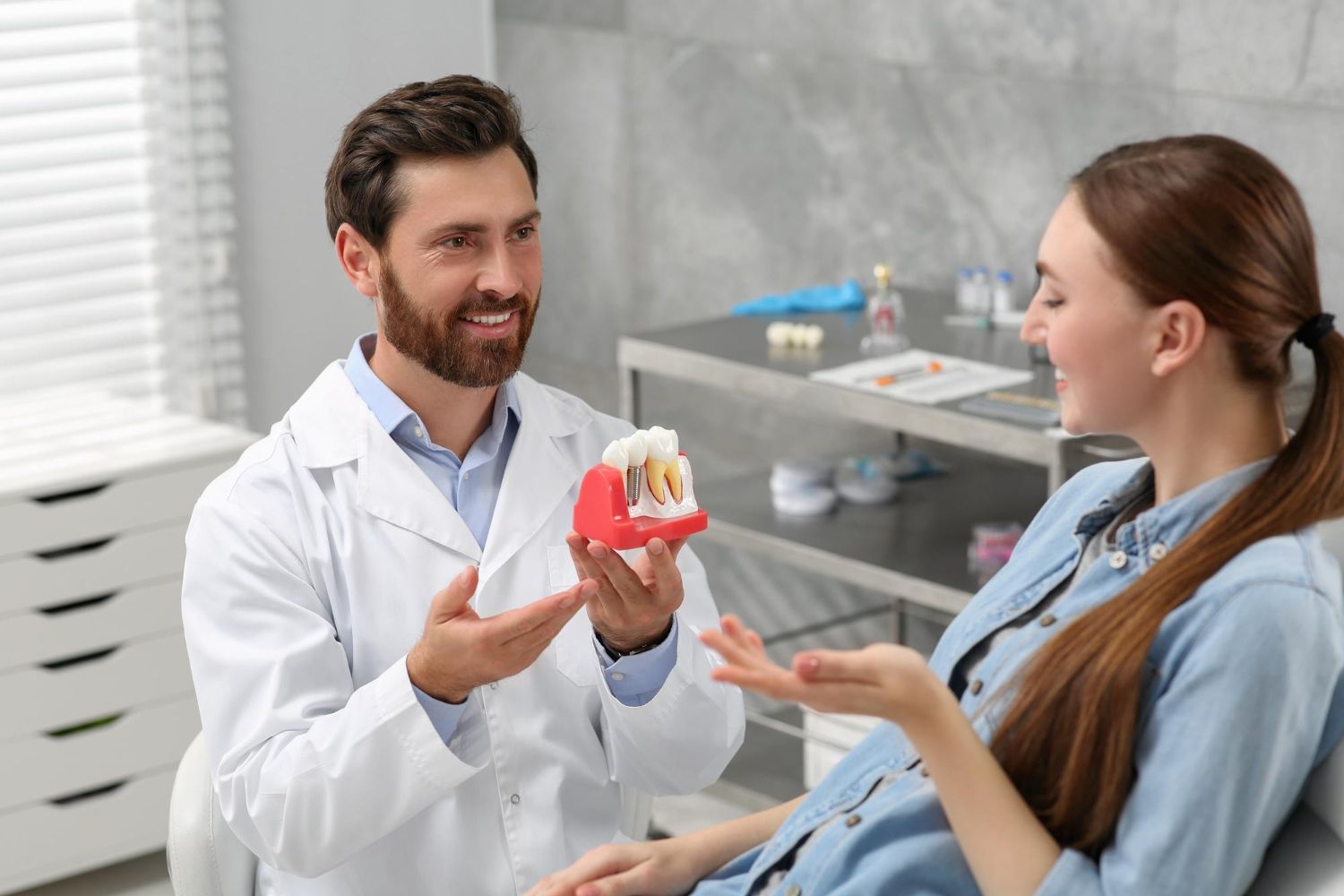
When comparing a prosthodontist vs general dentist, the main difference lies in specialty training and treatment complexity. General dentists provide preventive care and routine dental restorations, while prosthodontists specialize in advanced tooth replacement, complex reconstruction, implant-supported restorations, and comprehensive oral rehabilitation.
Both professionals can perform restorative procedures, including crowns, bridges, and dental implants. However, when treatment involves multiple teeth, significant bite problems, or extensive dental damage, a prosthodontic specialist may offer additional expertise.
Choosing the right dental professional begins with understanding your oral health needs, the complexity of your condition, and your long-term treatment goals.
What Is a General Dentist?
A general dentist is a primary oral healthcare professional who prevents, diagnoses, and treats common dental conditions, provides routine restorative procedures, monitors the health of teeth and gums, and refers patients to dental specialists when their condition requires advanced treatment planning or specialized clinical expertise.
General dentists provide a broad range of services designed to maintain oral health and address everyday dental concerns.
Common general dentistry services include:
- Routine dental examinations and professional cleanings
- Cavity treatment and dental fillings
- Dental crowns and bridges
- Preventive dental care
- Gum disease management
- Routine restorative procedures
- Tooth replacement and ongoing dental maintenance
Many general dentists also pursue additional training in implant dentistry and advanced restorative techniques.
For patients with uncomplicated dental problems, general dentistry is often the most appropriate starting point for diagnosis and treatment.
What Is a Prosthodontist?
A prosthodontist is a dental specialist who focuses on restoring damaged teeth, replacing lost teeth, and rehabilitating oral function through customized dental prosthetics, advanced restorative procedures, and comprehensive treatment planning that considers chewing ability, bite relationships, dental appearance, comfort, and long-term oral health.
According to the American College of Prosthodontists, a prosthodontist completes at least three additional years of accredited specialty training after dental school. This training covers advanced dental restorations, implant dentistry, occlusion, and the design of complex dental prosthetics.
American College of Prosthodontists+1
Prosthodontists commonly manage:
- Full-mouth reconstruction
- Multiple dental implant restorations
- Extensive tooth loss
- Implant-supported dentures and bridges
- Severe tooth wear and bite changes
- Complicated cosmetic and functional restorations
- Replacement of failing dental prosthetics
At InStyle Dental in New York City, prosthodontic dentistry addresses complex restorative needs through individualized treatment options that consider both oral function and dental appearance.
Prosthodontist vs General Dentist: Understanding the Key Differences
Although general dentists and prosthodontists provide many of the same restorative treatments, their educational backgrounds, clinical focus, and experience with complex dental conditions can differ significantly.
Education and Specialty Training
In the United States, both professionals complete dental school and earn a Doctor of Dental Surgery (DDS) or Doctor of Dental Medicine (DMD) degree.
A prosthodontist completes at least three additional years of formal specialty education. General dentists may gain advanced restorative experience through continuing education, mentorship, and clinical practice.
Specialty training and board certification are separate qualifications; not every prosthodontist is board-certified.
Scope of Treatment
General dentists typically focus on maintaining oral health, preventing dental disease, and restoring individual teeth.
Prosthodontists concentrate on advanced restorative treatment, particularly when several dental problems must be addressed together.
Bite and Functional Rehabilitation
Prosthodontists receive advanced training in occlusion, which describes how the upper and lower teeth come together.
This becomes particularly important when treatment involves multiple crowns, implant-supported restorations, or changes to the overall bite.
Treatment Planning
A general dentist may successfully restore an individual damaged tooth. A prosthodontist may be particularly valuable when restoring several teeth requires a coordinated approach involving dental materials, chewing forces, gum health, and facial aesthetics.
When Should You See a Prosthodontist Instead of a General Dentist?
You should consider seeing a prosthodontist when your dental needs involve extensive tooth loss, multiple failing restorations, severe tooth wear, complex implant rehabilitation, or full-mouth reconstruction, especially when the condition affects several areas of your mouth and requires careful coordination between restorative and surgical procedures.
The following situations may benefit from a specialist evaluation.
1. Multiple Dental Implants
Replacing several teeth requires more than selecting suitable implant locations. The final restorations must work together to support comfortable chewing, appropriate bite alignment, and effective oral hygiene.
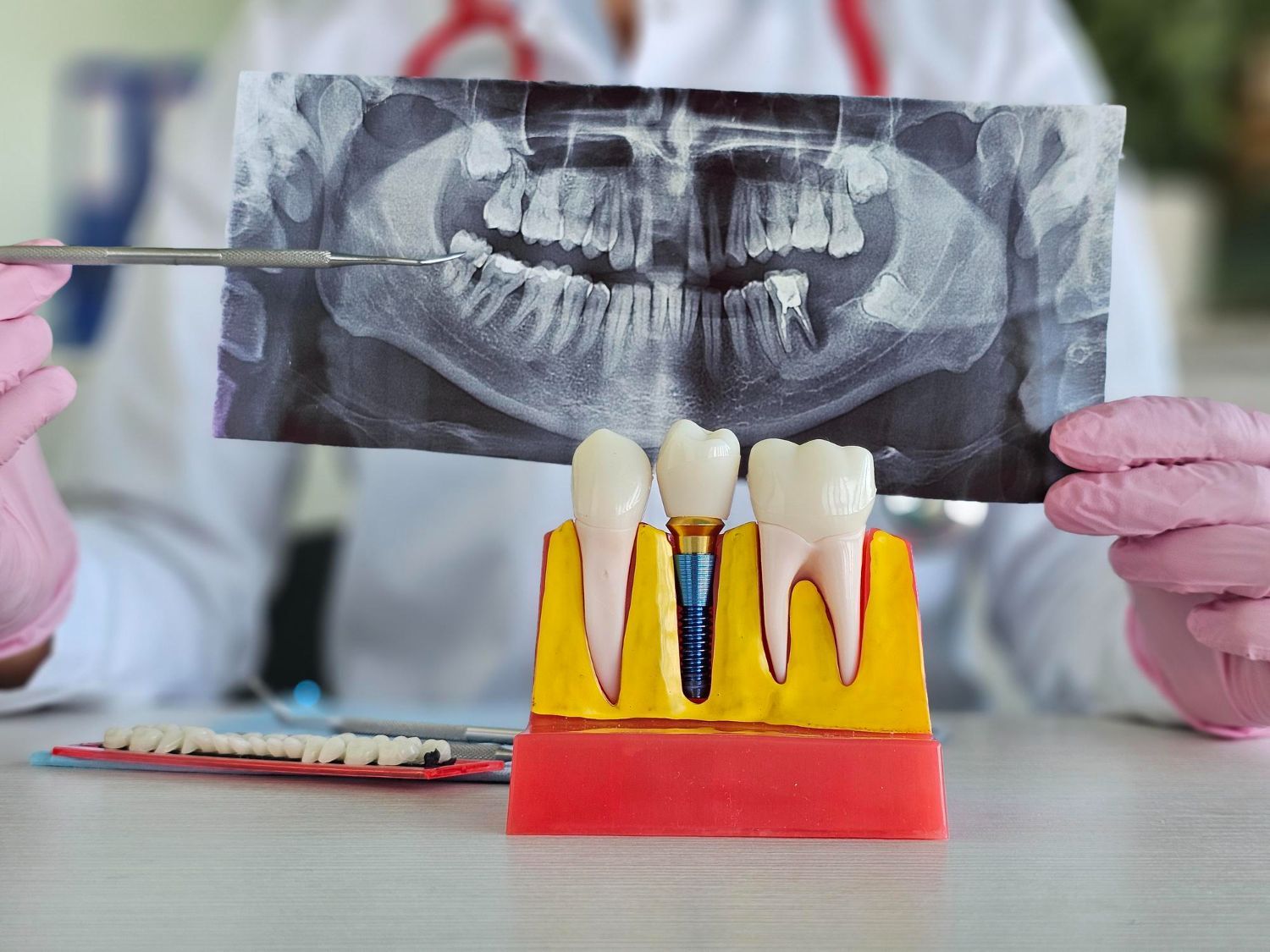
A prosthodontist can help plan complex dental implant treatment, particularly when implants support multiple crowns, bridges, or full-arch prosthetics.
2. Full-Mouth Reconstruction
Patients with widespread decay, extensive fractures, severe tooth wear, or multiple failing restorations may require comprehensive oral rehabilitation.
Full-mouth reconstruction can involve a combination of implants, crowns, bridges, and other procedures.
Through comprehensive restorative dentistry, treatment can be planned around the health and function of the entire mouth rather than addressing each tooth independently.
3. Multiple Damaged or Failing Dental Crowns
A general dentist can often replace an individual damaged crown. However, repeated crown failures or fractures across several teeth may indicate excessive chewing forces, grinding, or underlying structural problems.
A prosthodontist can evaluate these factors before designing replacement dental crowns.
Addressing the underlying cause is important for reducing the risk of repeated restorative complications.
4. Extensive Tooth Loss or Uncomfortable Dentures
Traditional dentures may become uncomfortable or unstable as the shape of the supporting gums and jawbone changes over time.
A prosthodontic specialist can evaluate whether conventional dentures, implant-supported prosthetics, or fixed dental bridges are appropriate alternatives.
The recommended treatment depends on bone support, oral health, patient preferences, and financial considerations.
5. Severe Tooth Wear and Complex Bite Problems
Long-term teeth grinding, acid erosion, and dental damage can gradually alter tooth shape and bite relationships.
When several teeth are affected, restoring them individually without considering the overall occlusion may create additional functional problems.
A specialist evaluation can help determine how to preserve remaining tooth structure and restore function while managing the underlying cause of wear.
Can a General Dentist Perform Dental Implants and Crowns?
Yes, general dentists can provide dental implants, crowns, bridges, and other restorative treatments when they possess the appropriate training and clinical experience, although a prosthodontist may be better suited to cases involving extensive reconstruction, complicated bite relationships, multiple implant-supported restorations, or demanding functional and aesthetic requirements.
The need for specialist care depends more on treatment complexity than on the name of the procedure.
For example, a patient requiring a single crown with healthy surrounding teeth may receive appropriate care from a general dentist.
However, someone requiring multiple implants, replacement crowns, and rehabilitation of a severely worn bite may benefit from advanced prosthodontic treatment planning.
When selecting a specialist for dental implants and crowns, ask about their experience with cases similar to yours and how they approach potential complications.
The Role of Interdisciplinary Care in Complex Restorative Dentistry
Complex dental reconstruction often requires expertise from more than one dental specialty. Interdisciplinary care brings different professionals together to address surgical, periodontal, restorative, and functional needs within a coordinated treatment plan.
A prosthodontist may collaborate with:
- General dentists: Preventive treatment and long-term oral health maintenance.
- Periodontists: Management of gum disease and supporting bone conditions.
- Oral surgeons: Complex surgical procedures and implant placement.
- Endodontists: Root canal treatment and preservation of natural teeth.
- Orthodontists: Tooth positioning before restorative rehabilitation.
For example, a patient with significant bone loss and multiple damaged teeth may require periodontal treatment or bone augmentation before receiving permanent implant-supported restorations.
Coordinating these procedures helps establish the appropriate treatment sequence and manage individual risk factors.
Benefits and Limitations of Seeing a Prosthodontic Specialist
Benefits of Specialized Restorative Care
Patients with advanced dental needs may benefit from:
- Comprehensive restorative treatment planning
- Advanced evaluation of bite relationships
- Customized dental prosthetic design
- Coordinated management of multiple restorations
- Greater attention to complex functional requirements
- Collaboration with other dental specialists when necessary
Potential Limitations
Specialized treatment is not automatically necessary for every dental condition.
Complex restorative procedures may require additional appointments, temporary restorations, higher costs, and longer recovery or treatment periods.
Long-term outcomes also depend on oral hygiene, existing medical conditions, gum health, lifestyle habits, and professional maintenance.
Even well-designed dental restorations can experience wear, fractures, or other complications over time.
How to Choose Between a Prosthodontist and a General Dentist
Choosing between a general dentist and a prosthodontist requires assessing the extent of dental damage, the number of teeth involved, existing bite problems, previous restorative outcomes, and the professional's relevant experience while considering available treatment alternatives, potential complications, long-term maintenance requirements, and overall treatment costs.
Follow these five steps to make an informed decision.
- Get a comprehensive dental evaluation. Have your teeth, gums, bite, and existing restorations examined before selecting a treatment.
- Identify the complexity of your condition. Determine whether you require an individual restoration or extensive oral rehabilitation.
- Review professional qualifications. Ask about specialty training and experience managing similar dental conditions.
- Discuss treatment alternatives. Understand the benefits, limitations, potential complications, and expected maintenance requirements of each option.
- Evaluate treatment costs. Request a detailed estimate and explore available dental payment plans before committing to treatment.
A well-developed restorative treatment plan should prioritize preserving healthy natural teeth whenever possible and explain why each recommended procedure is necessary.
Frequently Asked Questions
Is a Prosthodontist Better Than a General Dentist?
A prosthodontist is not necessarily better than a general dentist for every dental procedure, but their advanced specialty training makes them particularly suited to extensive tooth replacement, complex reconstruction, and full-mouth rehabilitation, while general dentists remain appropriate for routine oral healthcare and many straightforward restorative procedures.
Should I See a Prosthodontist or a General Dentist for a Dental Crown?
A general dentist can usually provide a dental crown for an individual damaged or weakened tooth, while a prosthodontist may be more appropriate when multiple crowns are needed, previous restorations have repeatedly failed, or the treatment involves complicated bite relationships and extensive functional rehabilitation.
Can a Prosthodontist Place Dental Implants?
Yes, prosthodontists can plan and restore dental implants, and those with appropriate surgical training may also perform implant placement, while complex surgical cases involving significant bone loss or anatomical challenges may require collaboration with a periodontist or oral surgeon as part of interdisciplinary care.
Do I Need a Restorative Specialist Dentist for Full-Mouth Reconstruction?
A prosthodontist is often an appropriate choice for full-mouth reconstruction because these cases involve coordinated restoration of multiple teeth, bite evaluation, prosthetic design, and functional rehabilitation, although experienced general dentists may also manage suitable cases independently or in collaboration with other qualified dental specialists.
Is Prosthodontic Treatment More Expensive Than General Dentistry?
Prosthodontic treatment may cost more when it involves advanced diagnostic procedures, customized dental prosthetics, multiple treatment stages, or extensive reconstruction, but the actual cost depends on treatment complexity, the materials selected, insurance coverage, and the individual procedures required rather than the dental specialty alone.
Conclusion
Understanding the difference between a prosthodontist vs general dentist helps you make informed decisions about your restorative dental care.
General dentists are well suited to preventive care and many routine restorative procedures, while prosthodontists bring advanced specialty training to complex reconstruction, extensive tooth replacement, and comprehensive oral rehabilitation.
The right choice depends on your individual dental needs, treatment complexity, and long-term oral health goals.
At InStyle Dental in Midtown Manhattan, we provide personalized restorative and prosthodontic dentistry services designed around each patient's oral health, function, and aesthetic needs.
Take the first step toward restoring your smile and oral function. Schedule a restorative dental consultation at InStyle Dental today to discover the treatment options best suited to your needs.