How to Cure Bad Breath: 7 Causes and Effective Treatments
How to Cure Bad Breath: 7 Causes and Effective Treatments
Wondering how to cure bad breath even after brushing your teeth? The most effective approach is to identify and treat the underlying cause. Brushing twice daily, cleaning your tongue, flossing, staying hydrated, and addressing dental problems can help eliminate or significantly reduce unpleasant breath.
Bad breath, medically known as halitosis, is often caused by odor-producing bacteria in the mouth. However, persistent bad breath can also result from gum disease, dry mouth, cavities, or certain medical conditions.
While mouthwash and breath mints may provide temporary relief, lasting improvement usually requires addressing the source of the odor.
If bad breath keeps returning despite good oral hygiene, professional bad breath treatment in New York can help identify possible causes and determine appropriate treatment.
What Causes Bad Breath? 7 Common Reasons
Bad breath develops when bacteria, food particles, oral health conditions, or other factors produce unpleasant odors. Most cases originate in the mouth, particularly around the tongue, teeth, and gums. Understanding the cause is essential because brushing alone cannot resolve every form of persistent halitosis.
1. Poor Oral Hygiene and Plaque Buildup
When teeth aren't cleaned thoroughly, food particles and bacteria accumulate around the gumline and between teeth.
Bacteria break down these materials and release volatile sulfur compounds, which are responsible for many unpleasant mouth odors.
Plaque that remains on teeth can also harden into tartar, which requires professional removal.
Consistent brushing, flossing, and appropriate dental hygiene care in NYC help reduce bacterial buildup.
2. Bacteria on the Tongue
The tongue's uneven surface provides numerous areas where bacteria and debris can collect.
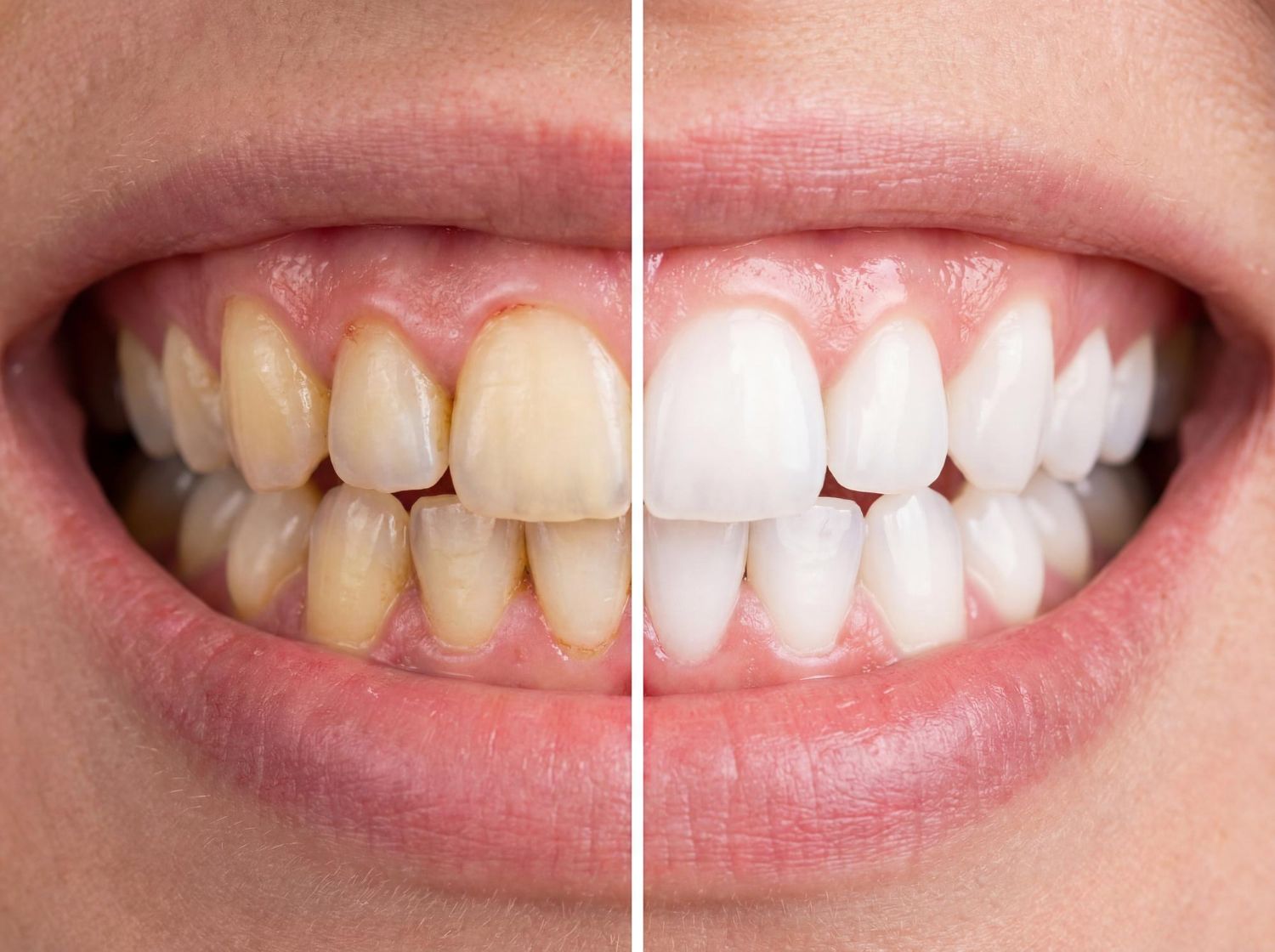
A white or yellowish tongue coating may contribute to bad breath, although not every coating indicates a problem.
Gently cleaning the tongue once daily can help reduce odor-producing bacteria.
Avoid aggressive scraping, which may irritate delicate tongue tissue.
3. Gum Disease and Gingivitis
Persistent bad breath can sometimes indicate gingivitis or more advanced periodontal disease.
When plaque accumulates near the gumline, it can trigger inflammation. In more advanced cases, bacteria collect in deeper periodontal pockets.
Common warning signs include:
- Bleeding when brushing or flossing
- Red or swollen gums
- Persistent unpleasant taste
- Gum recession
- Loose teeth in advanced cases
Professional periodontal disease treatment in New York may be necessary when gum infection is contributing to halitosis.
4. Dry Mouth (Xerostomia)
Saliva naturally helps wash away food particles and maintain a healthier oral environment.
When saliva production decreases, bacteria and debris can accumulate more easily.
Dry mouth may develop because of:
- Certain medications
- Mouth breathing
- Dehydration
- Tobacco use
- Salivary gland disorders
- Some medical conditions
People experiencing persistent dryness may benefit from a professional assessment for dry mouth treatment in New York.
5. Tooth Decay and Dental Infections
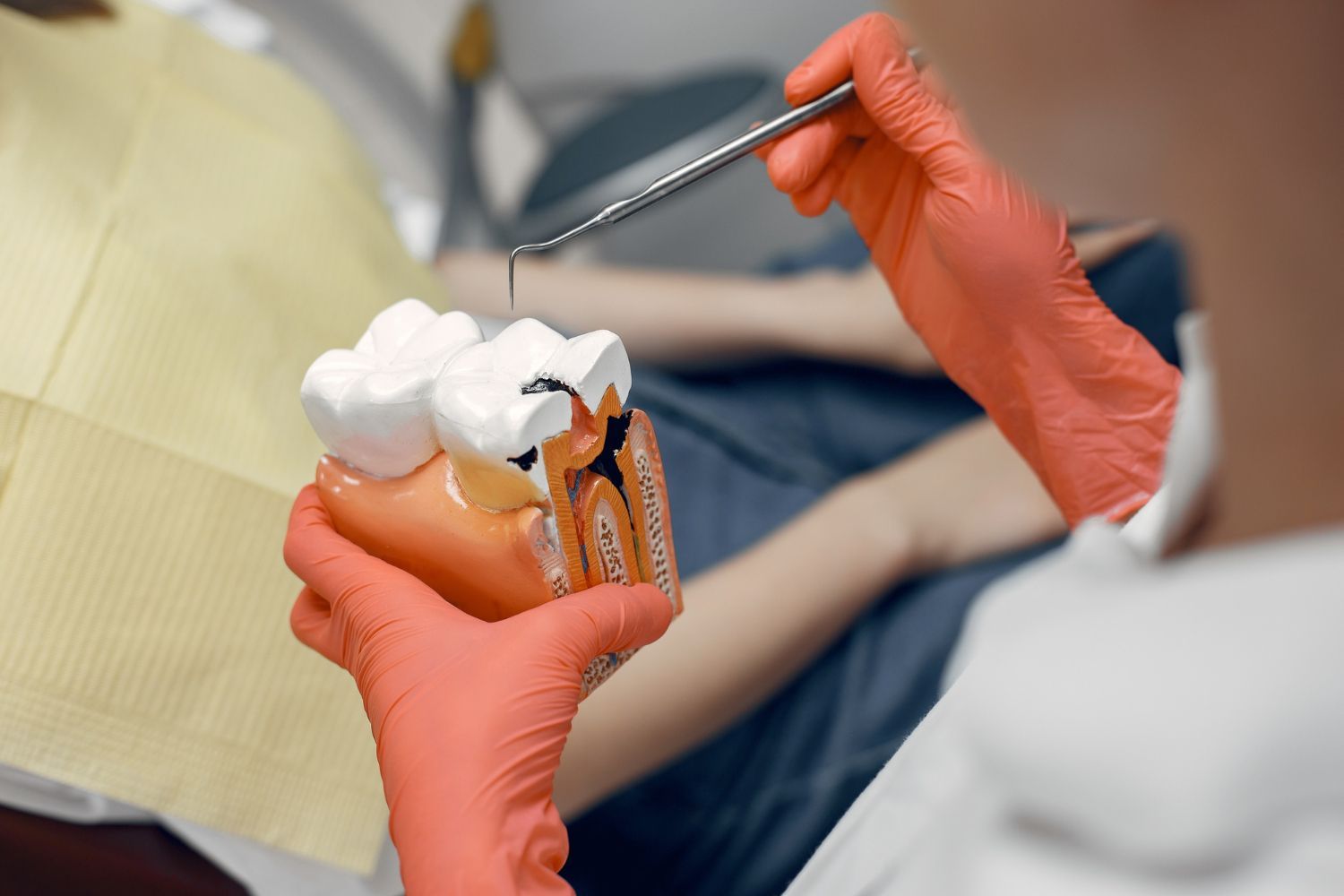
Cavities, damaged fillings, and dental infections can create areas where bacteria and food debris collect.
As these conditions progress, they may contribute to unpleasant breath or a persistent bad taste.
Depending on the diagnosis, treatment may include professional cleaning, restoration, root canal treatment, or other appropriate dental care.
For decay-related problems, dental fillings in New York can help restore affected teeth and eliminate areas that trap bacteria.
6. Foods, Smoking, and Daily Habits
Garlic, onions, coffee, tobacco, and certain dietary habits may cause temporary bad breath.
Some food-related odors persist after brushing because odor-producing compounds enter the bloodstream and are released through the lungs.
Smoking can also contribute to dry mouth and gum disease, increasing the likelihood of persistent halitosis.
Reducing tobacco exposure and maintaining consistent oral hygiene may help improve breath.
7. Medical Conditions and Other Causes
Not every case of bad breath begins with a dental problem.
Possible non-dental causes include:
- Tonsil stones
- Sinus or throat infections
- Acid reflux
- Certain medications
- Persistent dry mouth
- Some systemic medical conditions
If a dental examination does not identify an oral cause, your dentist may recommend evaluation by an appropriate healthcare professional.
How to Cure Bad Breath at Home: 7 Practical Steps
The most effective home approach combines thorough oral hygiene, tongue cleaning, daily interdental cleaning, and adequate hydration. These habits help control the bacteria responsible for many cases of halitosis. However, home remedies cannot replace professional treatment when bad breath results from cavities, periodontal disease, or infection.
Follow these seven steps to improve daily breath freshness.
Step 1: Brush Twice Daily
Brush your teeth for approximately two minutes, twice a day, using fluoride toothpaste.
Pay attention to the gumline and difficult-to-reach surfaces.
Step 2: Floss or Use Interdental Brushes Daily
Food particles and plaque can remain between teeth even after brushing.
Clean between your teeth at least once daily using floss or appropriately sized interdental brushes.
Step 3: Gently Clean Your Tongue
Use a tongue scraper or soft toothbrush once daily to remove surface debris.
Focus on gentle cleaning rather than excessive pressure.
Step 4: Drink Water Regularly
Adequate hydration supports normal saliva production and helps reduce dry-mouth discomfort.
Sugar-free gum may also stimulate saliva for some people.
Step 5: Choose Mouthwash Carefully
Some antibacterial mouth rinses can temporarily reduce odor-causing bacteria.
However, cosmetic mouthwash may only mask unpleasant breath.
Ask your dentist which product is appropriate, particularly if you experience dry mouth or gum problems.
Step 6: Clean Dental Appliances
Dentures, retainers, night guards, and removable aligners can accumulate bacteria.
Follow the manufacturer's and dentist's cleaning instructions, and clean appliances regularly.
Step 7: Schedule Routine Dental Visits
Professional cleanings remove hardened tartar that brushing and flossing cannot eliminate.
Regular dental cleaning and exams in NYC also help identify gum inflammation, cavities, and other conditions associated with persistent bad breath.
Why Does Bad Breath Continue Even After Brushing?
Bad breath that continues after brushing may result from bacteria on the tongue, plaque between teeth, gum disease, dry mouth, or dental infection. Brushing cleans tooth surfaces but may not address these underlying problems. Persistent odor should be evaluated rather than repeatedly covered with breath mints or mouthwash.
For example, someone who brushes twice daily but rarely flosses may still have bacteria and food particles trapped between their teeth.
Similarly, a person with periodontal pockets may experience unpleasant breath even with regular brushing.
If your gums bleed frequently, consider discussing bleeding gums treatment in New York with a dental professional.
A thorough examination can help determine whether the problem is caused by oral hygiene, periodontal inflammation, tooth decay, or reduced saliva production.
What Professional Treatments Help Cure Persistent Bad Breath?
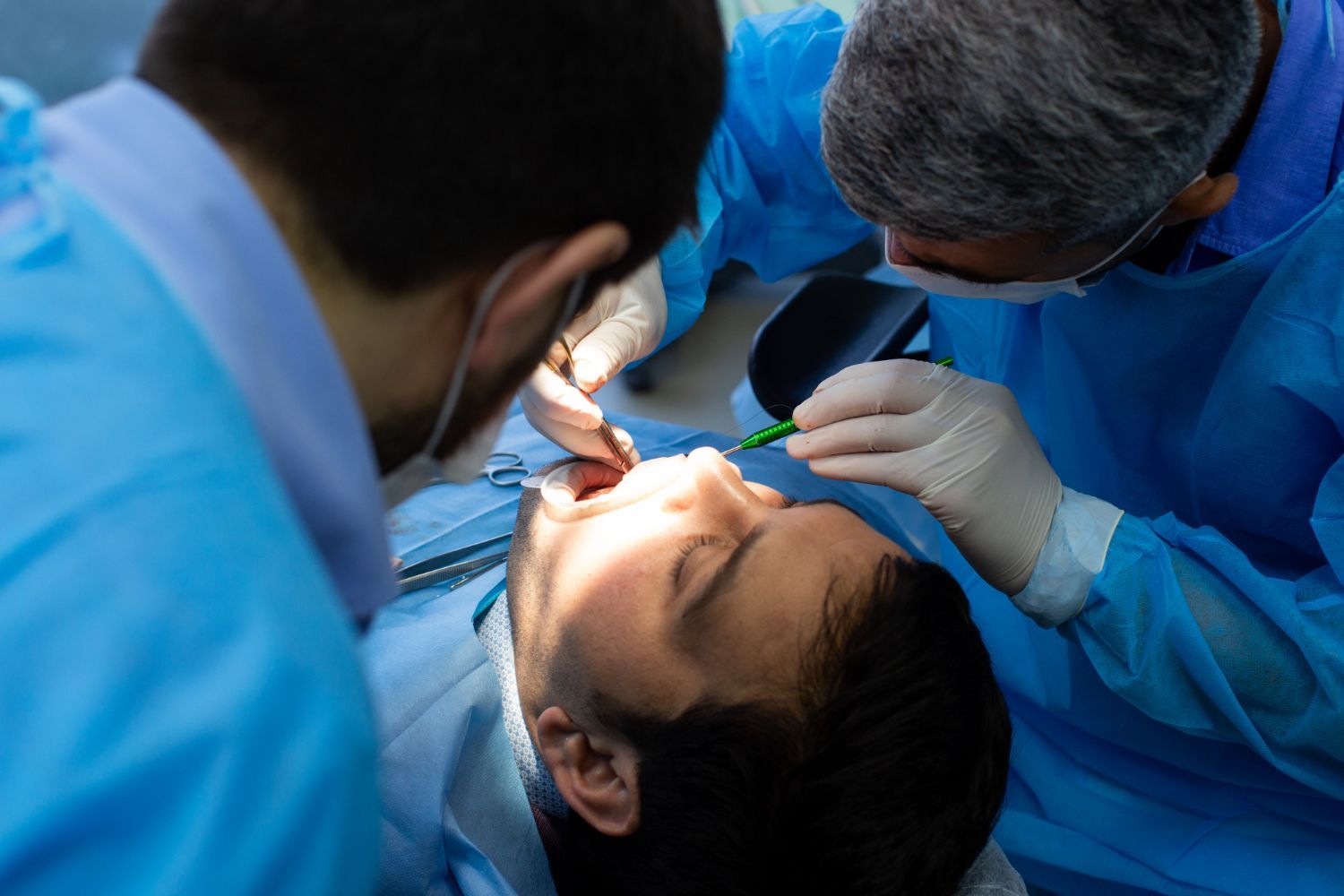
Professional treatment for persistent bad breath depends on the underlying diagnosis. A dentist may recommend plaque and tartar removal, periodontal therapy, cavity treatment, dental appliance cleaning, or dry-mouth management. When the mouth appears healthy, further medical evaluation may be appropriate to identify non-dental causes.
Common treatment approaches include:
Professional dental cleaning
Removes plaque and tartar deposits, particularly around areas that are difficult to clean at home.
Scaling and root planing
For selected patients with periodontitis, deep cleaning can remove bacterial deposits from below the gumline.
Dental restorations
Treating cavities or replacing defective restorations may eliminate areas where food and bacteria accumulate.
Dry mouth management
Treatment may involve reviewing medications with the prescribing clinician, managing underlying conditions, or using recommended saliva substitutes.
Medical referral
When dental causes have been ruled out, further evaluation may help identify sinus, throat, reflux-related, or other medical concerns.
At InStyle Dental in Midtown Manhattan, the dental team evaluates possible causes of halitosis and recommends treatment based on individual oral health findings.
How Long Does It Take to Get Rid of Bad Breath?
Bad breath caused by temporary food odors or mild bacterial buildup may improve within hours or days after better oral hygiene. However, persistent halitosis related to gum disease, cavities, dry mouth, or medical conditions may require professional treatment. Recovery time depends on the cause and its severity.
For example:
- Food-related odors: May improve as odor-producing compounds leave the body.
- Tongue coating: May improve after several days of consistent, gentle cleaning.
- Plaque buildup: Often improves with better home care and professional cleaning.
- Gum disease: May require ongoing periodontal treatment and maintenance.
- Dry mouth: May persist until contributing factors are effectively managed.
There is no reliable universal timeline for curing bad breath.
The goal is to correct the cause rather than repeatedly mask the symptoms.
When Should You See a Dentist for Bad Breath?
Schedule a dental examination if bad breath persists for several weeks despite improving your oral hygiene. Seek care sooner if you notice bleeding or swollen gums, tooth pain, loose teeth, or persistent mouth dryness. These symptoms may indicate conditions requiring professional treatment rather than home remedies alone.
A dentist can evaluate your teeth, gums, tongue, saliva-related symptoms, and existing dental restorations.
Prompt evaluation is particularly important if unpleasant breath occurs alongside signs of infection.
Severe facial swelling, difficulty swallowing, or difficulty breathing requires urgent medical attention.
Frequently Asked Questions
1. How Can I Cure Bad Breath Permanently?
Long-term control of bad breath depends on identifying and treating its underlying cause. Regular brushing, flossing, tongue cleaning, and dental visits help prevent many cases. However, gum disease, cavities, dry mouth, or medical conditions may require professional treatment, and recurrence is possible if contributing factors return.
2. What Is the Fastest Way to Get Rid of Bad Breath?
Brushing, gently cleaning your tongue, drinking water, and using sugar-free gum may improve breath quickly. An appropriate antibacterial mouthwash may also help reduce odor temporarily. However, these methods do not necessarily resolve persistent halitosis caused by periodontal disease, cavities, or infection.
3. Can Bad Breath Be Caused by Stomach Problems?
Bad breath can sometimes be associated with acid reflux or other medical conditions, but most persistent cases originate in the mouth. Dental problems, tongue bacteria, and reduced saliva are more common contributors. If an oral examination reveals no cause, further medical evaluation may be appropriate.
4. Does Mouthwash Cure Bad Breath?
Mouthwash may temporarily improve breath, and certain therapeutic formulations can reduce odor-producing bacteria. However, mouthwash alone cannot cure halitosis caused by untreated cavities, gum disease, or ongoing dry mouth. Effective treatment depends on the cause, alongside appropriate daily hygiene and professional care.
5. Why Do I Have Bad Breath Even Though I Brush Twice Daily?
Brushing twice daily may not remove bacteria between teeth, on the tongue, or beneath inflamed gums. Persistent bad breath may also result from dry mouth, dental decay, or other conditions. Daily interdental cleaning, tongue hygiene, and a dental examination can help identify the problem.
Conclusion
Learning how to cure bad breath starts with understanding why it occurs.
Most cases can be improved through consistent oral hygiene, tongue cleaning, hydration, and appropriate dental care. However, persistent halitosis may indicate gum disease, tooth decay, dry mouth, or another condition that needs professional attention.
Rather than relying on temporary breath fresheners, focus on identifying the cause and maintaining long-term oral health.
Struggling With Persistent Bad Breath in NYC?
At InStyle Dental in Midtown Manhattan, patients can receive professional dental evaluations to identify possible causes of bad breath and explore appropriate treatment options.
Whether you're dealing with recurring mouth odor, bleeding gums, or persistent dryness, addressing the underlying concern is an important step toward healthier breath.
Schedule a Dental Consultation at InStyle Dental and take the first step toward understanding and managing your bad breath.