7 Signs You May Be Grinding Your Teeth at Night
7 Signs You May Be Grinding Your Teeth at Night
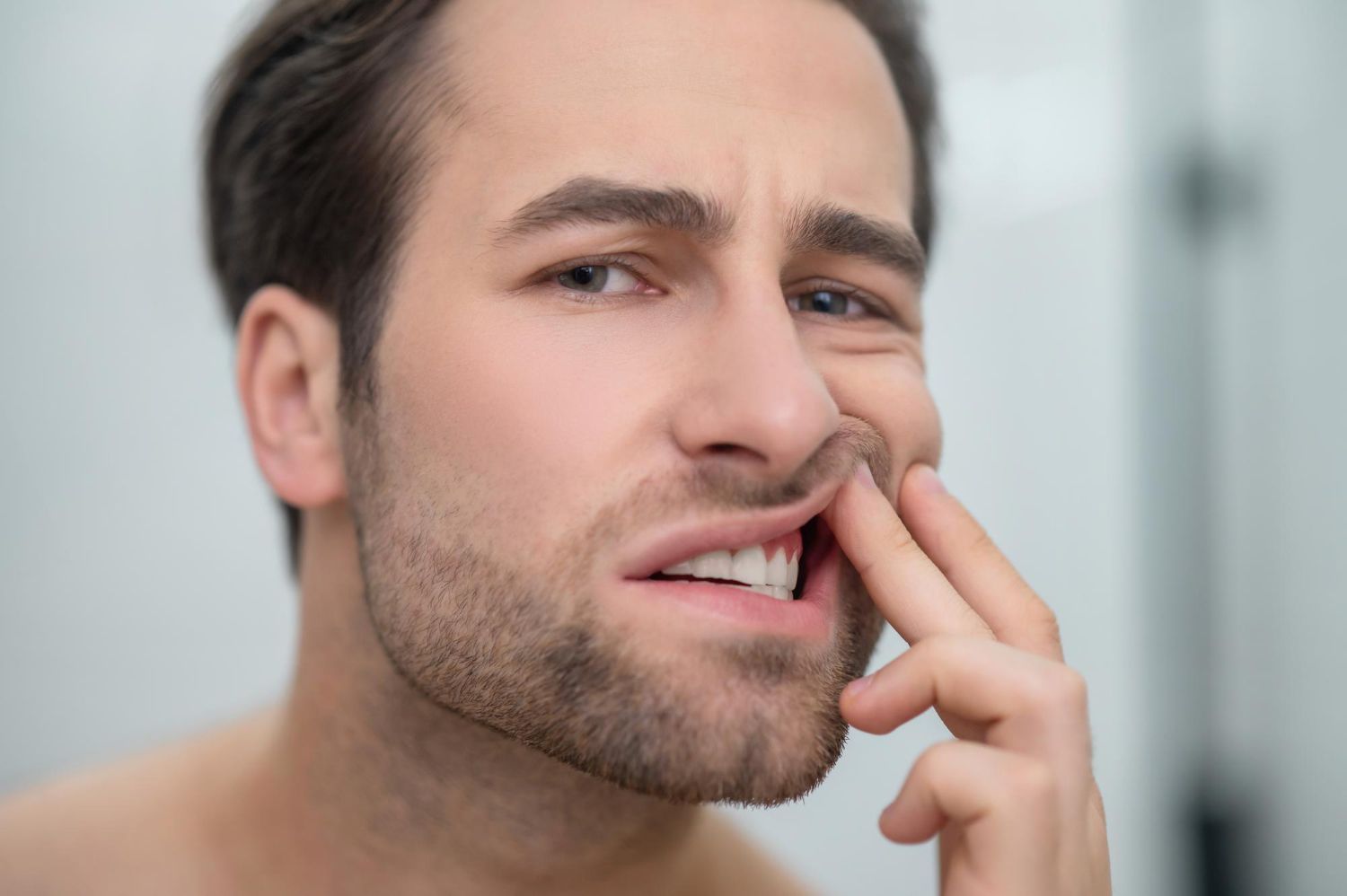
You wake up with a sore jaw, notice your teeth feel unusually sensitive, or experience headaches that seem to disappear as the morning progresses. These symptoms might be connected to something happening while you sleep.
The signs of teeth grinding at night often include jaw muscle soreness, morning headaches, flattened or chipped teeth, tooth sensitivity, facial discomfort, disturbed sleep, and grinding sounds noticed by a partner.
This condition is known as sleep bruxism, which involves involuntary grinding or clenching of the teeth during sleep. Because it happens unconsciously, many people don't realize they have it until symptoms appear or a dentist identifies changes in their teeth.
Recognizing the warning signs early can help reduce the risk of ongoing tooth damage and jaw discomfort.
What Is Sleep Bruxism, and Why Does It Happen?
Sleep bruxism is repetitive jaw muscle activity involving involuntary teeth grinding or clenching during sleep. It differs from awake bruxism, which occurs when someone clenches or grinds their teeth while conscious. Both can place stress on teeth, jaw muscles, and dental restorations, sometimes without noticeable symptoms.
The exact cause isn't always clear. Several factors may contribute, including:
- Stress, anxiety, and emotional tension
- Sleep-related breathing problems, including obstructive sleep apnea
- Certain medications
- Alcohol, caffeine, and tobacco use
- Individual neurological and behavioral factors
Not everyone who experiences stress grinds their teeth, and not every person with bruxism develops significant dental problems.
The key is recognizing patterns rather than assuming one symptom confirms the diagnosis.
7 Common Signs of Teeth Grinding at Night
Sleep bruxism signs can affect the teeth, jaw, head, and quality of sleep. Some people experience morning discomfort, while others notice gradual changes in their teeth or hear about grinding from a partner. The following seven warning signs can help identify when a dental evaluation may be worthwhile.
1. Waking Up With Jaw Pain or Muscle Soreness
Jaw muscle soreness upon waking is a common symptom associated with sleep bruxism. Repeated clenching or grinding can strain the muscles responsible for chewing, leaving the jaw feeling tired, tight, or uncomfortable. Symptoms may be most noticeable when opening the mouth, speaking, or eating breakfast.
You might notice that:
- Your jaw feels stiff when you wake up.
- Chewing breakfast causes mild discomfort.
- Your cheeks or temples feel tender.
- You have difficulty relaxing your jaw.
These symptoms can occur because the chewing muscles, also called masticatory muscles, remain active during grinding or clenching episodes.
However, jaw discomfort can also result from temporomandibular disorders, dental infections, or other conditions.
If the discomfort continues, a professional evaluation for jaw pain treatment in New York can help identify possible causes.
2. Frequent Morning Headaches
Morning headaches, particularly around the temples, may be associated with nighttime teeth grinding. Repetitive jaw muscle activity can contribute to tension and discomfort in the surrounding facial muscles. However, headaches have many possible causes, so their timing and accompanying symptoms matter when evaluating possible sleep bruxism.
For example, you may wake up with pressure around your temples that gradually improves as your morning continues.
These headaches may occur alongside jaw tightness or facial tenderness.
Pay attention to whether headaches appear together with other clenching teeth symptoms.
Recurring morning headaches can also be associated with sleep disorders, including sleep apnea, so persistent symptoms deserve appropriate medical or dental assessment.
3. Flattened, Worn, or Chipped Teeth
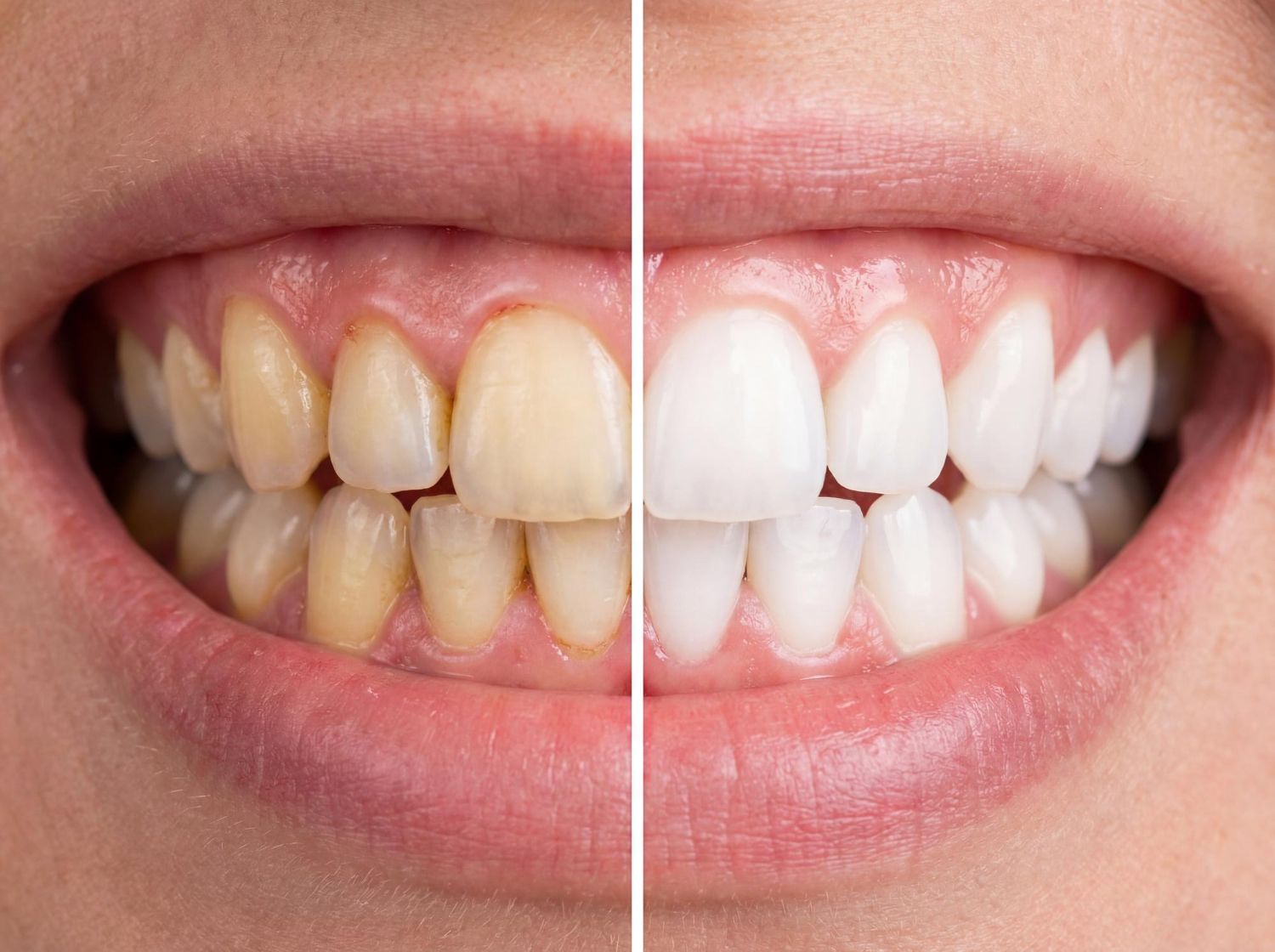
Flattened chewing surfaces, worn enamel, and unexplained chips can indicate repeated mechanical stress on teeth. Nighttime grinding may contribute to these changes over time, particularly when high bite forces occur repeatedly. However, tooth wear can also result from erosion, normal use, or previous dental conditions.
One of the more noticeable sleep bruxism signs is a change in how the teeth look.
You might observe:
- Flattened edges on front teeth
- Worn chewing surfaces
- Small cracks or chips
- Rough or uneven tooth edges
- Damage to existing fillings or restorations
Over time, enamel wear may expose more sensitive tooth structures.
If grinding contributes to a chipped tooth, timely chipped tooth treatment in New York can help assess the damage and determine whether repair is necessary.
Not every worn tooth indicates active grinding, which is why dentists consider multiple findings together.
4. Increased Tooth Sensitivity
Tooth sensitivity may develop when grinding contributes to enamel wear, cracks, or other changes that expose sensitive tooth structures. Patients may notice discomfort when drinking cold beverages, eating sweet foods, or biting down. However, sensitivity can also result from cavities, gum recession, or enamel erosion unrelated to bruxism.
You may experience a sudden twinge when drinking cold water or eating ice cream.
Sometimes the discomfort affects several teeth rather than one specific area.
Repeated pressure and tooth wear can contribute to sensitivity, but grinding should not be assumed to be the only explanation.
A dentist can evaluate the affected teeth and recommend appropriate tooth sensitivity treatment in New York based on the underlying cause.
5. Jaw Clicking, Facial Pain, or Discomfort Near the Ear
Jaw clicking, facial discomfort, and pain near the ear may occur alongside sleep bruxism, particularly when the jaw muscles or temporomandibular joint are involved. These symptoms do not necessarily indicate that grinding caused a joint disorder, but they warrant attention when persistent, painful, or associated with restricted movement.
The temporomandibular joints, commonly called the TMJs, connect the lower jaw to the skull.
Symptoms may include:
- Clicking or popping during jaw movement
- Tenderness near one or both ears
- Facial muscle fatigue
- Discomfort while chewing
- Difficulty opening the mouth comfortably
Jaw clicking without pain is not always a sign of disease.
However, persistent pain or limited jaw movement may justify an assessment for TMJ treatment in New York City.
6. Grinding Sounds Heard by Your Partner
Grinding sounds during sleep are among the more recognizable clues of nighttime bruxism. A sleeping partner may hear scraping, crunching, or repeated tooth contact while the person grinding remains unaware. However, silent clenching can occur without audible grinding, meaning the absence of noise does not rule out the condition.
Some people discover they're grinding their teeth only after a partner mentions the noise.
Others may never make noticeable sounds but still experience jaw soreness or tooth damage.
If someone has heard you grinding teeth while sleeping, mention it during your next dental appointment.
This information can help a dentist evaluate your symptoms alongside physical findings.
7. Cracked Teeth or Repeated Damage to Dental Restorations
Repeated tooth fractures, damaged fillings, or broken restorations may indicate excessive mechanical stress, including pressure associated with bruxism. Strong or frequent bite forces can contribute to damage in susceptible teeth. However, fractures may also result from decay, previous restorations, trauma, or structural weakness.
You may notice a filling repeatedly loosening or a tooth developing a crack without an obvious accident.
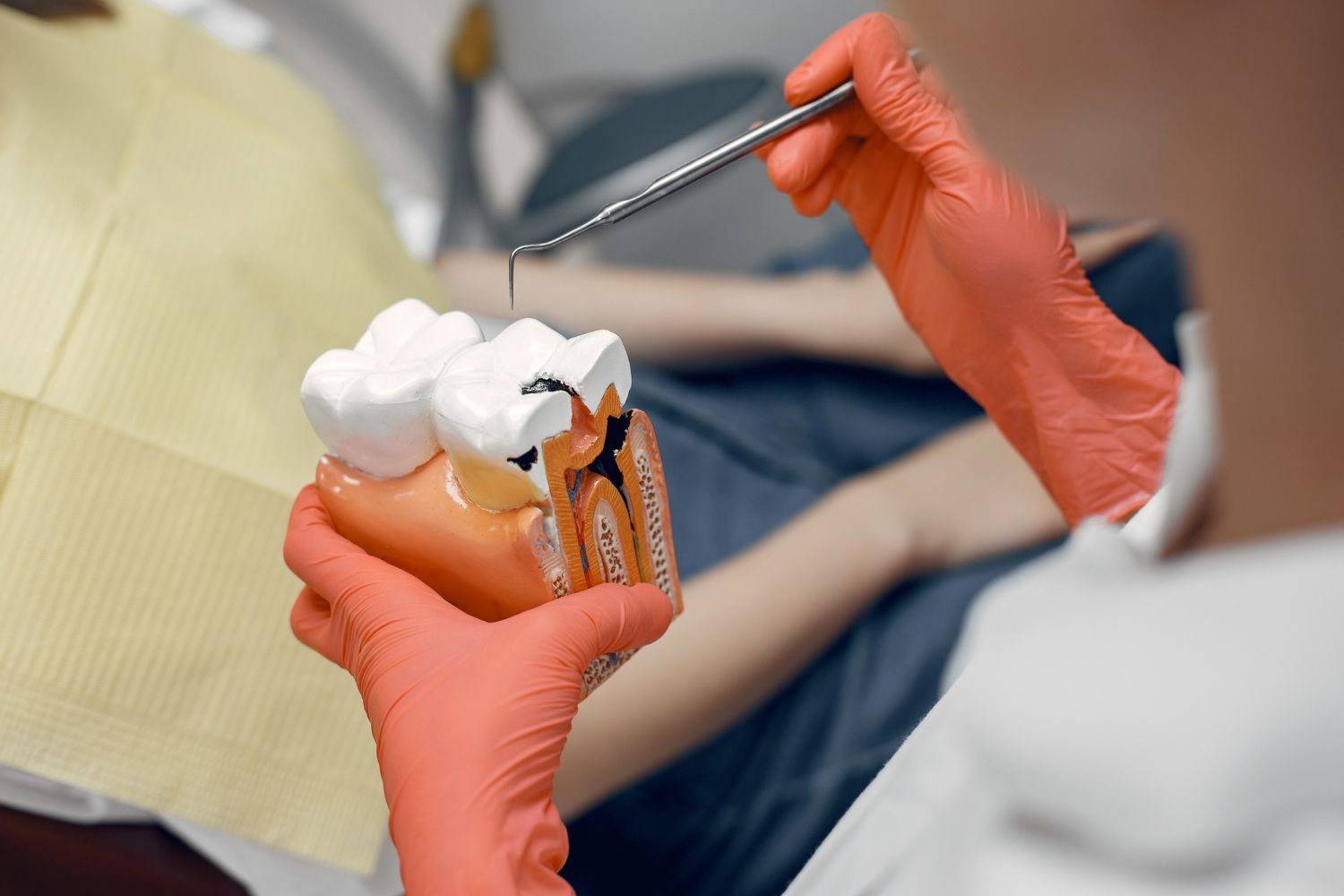
Severe wear or fractures sometimes require restorative treatment, especially when the tooth's structure has been compromised.
Depending on the damage, a dentist may recommend a filling, bonding, or a dental crown in New York to restore function and protect the affected tooth.
Treating the damaged tooth is important, but the underlying grinding or clenching behavior may also need to be addressed.
How Can You Tell Whether You Grind Your Teeth While Sleeping?
Nighttime teeth grinding is often suspected through a combination of symptoms, dental wear patterns, and reports from a sleeping partner. A dentist can examine the teeth, jaw muscles, and restorations while reviewing your medical and sleep history. In selected cases, a sleep study may help clarify the diagnosis.
If you're concerned about possible bruxism, follow these practical steps:
1. Monitor your morning symptoms. Notice whether jaw stiffness, headaches, or facial tenderness occur regularly.
2. Look for changes in your teeth. Pay attention to new chips, rough edges, unusual sensitivity, or damaged dental work.
3. Ask your sleeping partner. Find out whether they have noticed grinding noises, remembering that silent clenching is also possible.
4. Schedule a dental examination. A dentist can evaluate tooth wear, muscle tenderness, jaw movement, and other possible causes.
5. Discuss sleep-related symptoms. Mention loud snoring, breathing interruptions, or excessive daytime sleepiness, which may justify a medical sleep evaluation.
Regular dental cleaning and exams in New York City also provide opportunities to detect tooth wear and other oral health changes.
What Happens if Nighttime Teeth Grinding Goes Untreated?
Occasional mild bruxism may not require treatment, but persistent or severe grinding can contribute to dental damage and muscle discomfort. Potential complications include enamel wear, tooth fractures, worsening sensitivity, and recurring jaw pain. The likelihood of damage depends on grinding activity, tooth condition, and other individual factors.
The US National Institute of Dental and Craniofacial Research identifies worn teeth, jaw soreness, headaches, and tooth sensitivity among the recognized symptoms of bruxism.
Its official guidance on bruxism also explains how dentists evaluate the condition and why some patients benefit from protective appliances or further treatment.
What Treatments Help With Sleep Bruxism?
Treatment for sleep bruxism depends on symptoms, tooth damage, contributing factors, and whether another sleep or jaw condition is present. Management may involve a custom night guard, behavioral changes, stress management, restorative dentistry, or referral for sleep assessment. A night guard primarily protects teeth and does not necessarily eliminate grinding.
Custom Night Guards
A dentist may recommend a professionally fitted night guard or occlusal splint.
The appliance provides a protective barrier between the upper and lower teeth, helping reduce damage from grinding.
However, night guards do not guarantee that the underlying muscle activity will stop.
Managing Contributing Factors
Depending on the individual's circumstances, helpful measures may include improving sleep habits, limiting excessive evening caffeine or alcohol, and addressing stress.
People who snore heavily or experience breathing interruptions should discuss possible sleep apnea with a qualified medical professional.
Treating Existing Dental Damage
When teeth have already been affected, treatment may include repairing chips, restoring worn areas, or addressing sensitivity.
InStyle Dental offers teeth grinding treatment in New York, including assessment of bruxism-related symptoms and appropriate dental treatment options.
A personalized evaluation helps determine whether protective treatment, restoration, or additional medical assessment is needed.
Frequently Asked Questions About Nighttime Teeth Grinding
1. What Are the Earliest Signs of Teeth Grinding at Night?
Early signs of teeth grinding at night may include waking with jaw tightness, mild morning headaches, or tenderness around the temples. Some people notice tooth sensitivity or hear about grinding from a sleeping partner. These symptoms are not specific to bruxism, so a dental examination can help clarify their cause.
2. Can You Grind Your Teeth at Night Without Knowing It?
Yes. Sleep bruxism occurs involuntarily, and many people are unaware of grinding or clenching during sleep. Some experience no obvious discomfort, while others develop morning jaw soreness or tooth wear. A sleeping partner's observations and a dentist's examination can help identify possible nighttime activity.
3. Can Nighttime Teeth Grinding Cause Permanent Tooth Damage?
Frequent or severe grinding may contribute to irreversible enamel loss, chips, fractures, or damaged dental restorations. However, the extent of damage varies, and some people with bruxism experience little or no tooth wear. Early assessment can help identify problems and determine whether protective treatment is appropriate.
4. Does Wearing a Night Guard Stop Teeth Grinding?
A night guard generally protects the teeth from direct contact during clenching or grinding, but it does not reliably stop the underlying sleep bruxism activity. Some patients also experience symptom improvement. The appropriate appliance depends on dental findings, comfort, and any associated jaw or sleep conditions.
5. When Should You See a Dentist for Sleep Bruxism Signs?
Schedule a dental assessment if you regularly wake with jaw pain, experience unexplained tooth sensitivity, notice chipped or worn teeth, or receive reports of nighttime grinding. Seek prompt dental care for a newly fractured or severely painful tooth. Persistent snoring or breathing interruptions may also warrant medical sleep evaluation.
Conclusion: Don't Ignore the Warning Signs of Nighttime Teeth Grinding
The signs of teeth grinding at night aren't always obvious. Morning headaches, jaw soreness, tooth sensitivity, and unexplained wear may develop gradually, making the condition easy to overlook.
Although mild bruxism doesn't always require treatment, persistent symptoms or tooth damage should be evaluated.
Recognizing possible grinding early allows you to discuss protective options, identify contributing factors, and address existing dental problems before they become more complicated.
Schedule a Teeth Grinding Evaluation at InStyle Dental
If you're waking up with jaw discomfort, noticing changes in your teeth, or suspecting nighttime grinding, a dental examination can help you understand what's happening.
At InStyle Dental in Midtown Manhattan, patients can discuss bruxism symptoms, tooth wear, jaw discomfort, and available treatment options.
Schedule your dental consultation with InStyle Dental to assess possible teeth grinding and discuss an appropriate care plan.