Root Canal Recovery: How Long Does Tenderness Usually Last?
Tooth Extraction Healing Timeline: What the Socket Looks Like Week by Week
How long does tooth extraction take to heal? Most people feel noticeably better within 3–7 days, but the extraction socket takes longer to heal completely. Gum tissue often closes over several weeks, while the underlying jawbone continues healing for several months. Recovery depends on the tooth removed, procedure complexity, and individual health factors.
After a tooth extraction, looking at the empty socket can feel unsettling. You might notice a dark blood clot, white tissue, or a small hole that seems to remain open longer than expected.
These changes are often part of normal healing.
Understanding the tooth extraction healing stages can help you recognize healthy progress, protect the extraction site, and identify symptoms that need professional attention.
How Long Does Tooth Extraction Take to Heal Week by Week?
Tooth extraction recovery happens gradually, beginning with blood clot formation during the first 24 hours and progressing through soft tissue repair and bone remodeling. Most patients notice improvement within the first week, but visible socket closure may take several weeks, depending on the tooth and procedure.
First 24 Hours: Blood Clot Formation
Immediately after a tooth is removed, the body begins protecting the empty socket.
A blood clot forms inside the extraction site, covering the underlying bone and nerve endings.
What the socket may look like:
- Dark red or reddish-brown tissue filling the opening.
- Slightly swollen surrounding gums.
- Minor blood-tinged saliva.
- A visible indentation where the tooth was removed.
This early blood clot provides the foundation for healing.
Avoid vigorous rinsing, forceful spitting, smoking, or drinking through a straw during this period, as these activities may disturb the clot.
Days 2–3: Early Tissue Repair
During the next few days, the blood clot becomes more organized as the body begins replacing it with healing tissue.
You may notice a whitish or yellowish-looking layer developing over the socket.
This appearance can be normal and does not automatically indicate infection.
Mild discomfort, jaw stiffness, and swelling may continue during this stage. Swelling often reaches its peak around the second or third day before gradually improving.
Days 4–7: Granulation Tissue Development
By the end of the first week, the socket increasingly contains granulation tissue, a healing tissue made up of new blood vessels and connective tissue.
What you may notice:
- The socket appears less dark than before.
- Pink or pale tissue begins covering parts of the opening.
- Swelling and tenderness gradually decrease.
- The surrounding gums start moving toward the center of the socket.
The opening may still be visible, especially after the removal of a large molar.
This is generally expected during normal extraction socket healing.
Week 2: Gum Tissue Begins Closing
During the second week, healing typically becomes more noticeable.
The gum edges continue growing inward, reducing the visible opening.
For uncomplicated extractions, discomfort is often minimal at this stage. Surgical extractions and larger sockets may take longer.
You might still see a shallow depression where the tooth used to be.
Although the surface may look healthier, deeper tissues are still recovering.
Weeks 3–4: Visible Socket Closure
By weeks three and four, many extraction sites have developed substantial soft tissue coverage.
The gums may look pinker and more similar to the surrounding tissue, although a small indentation can remain.
Larger sockets, especially those left after molar removal, may take additional time to close.
Remember that visible gum healing does not mean the underlying bone has completely regenerated.
Months 2–6: Bone Remodeling
After the gums have healed, the jawbone continues changing beneath the surface.
This process is called bone remodeling.
New bone gradually develops within the socket, replacing the tissue that supported early healing.
The process may continue for several months, especially after complicated extractions or when considerable bone loss existed before treatment.
If you are considering a future tooth replacement, your dentist may assess bone healing before recommending the next stage of treatment.
What Does a Healthy Tooth Extraction Socket Look Like?
A healthy extraction socket changes appearance as healing progresses. Initially, it contains a dark blood clot, followed by pale healing tissue and gradually closing pink gums. A white or yellowish surface is not necessarily infected tissue. Improving symptoms are usually more meaningful than appearance alone.
Normal healing signs include:
- Mild discomfort that decreases over time.
- Swelling that begins improving after the first few days.
- Pink tissue gradually forming around the opening.
- A white or pale healing layer without worsening symptoms.
- Gradual reduction in socket depth and size.
The socket does not need to look identical from one day to the next.
In fact, repeatedly inspecting or touching it can irritate the healing area.
Patients receiving tooth extraction treatment in New York City should follow their dentist's postoperative instructions, particularly when stitches or additional surgical procedures are involved.
What Is the Difference Between Normal Healing and Dry Socket?
Normal healing involves a stable blood clot that protects the extraction site while new tissue develops. Dry socket occurs when this protective clot is lost or breaks down prematurely, leaving sensitive underlying tissue exposed. The most important warning sign is significant, worsening pain rather than socket color alone.
Signs of Normal Socket Healing
A normally healing socket may look dark, white, yellowish, or pink as the tissues change.
Some tenderness is expected, but pain should generally decrease as recovery progresses.
Mild swelling and a visible opening do not automatically indicate complications.
Signs of Dry Socket
Dry socket, also called alveolar osteitis, typically develops within the first several days after tooth extraction.
Possible symptoms include:
- Severe pain that develops or worsens after initial improvement.
- Pain radiating toward the ear, temple, or jaw.
- An apparently empty socket with visible bone.
- Unpleasant taste or breath.
Dry socket cannot always be diagnosed by appearance alone.
If you experience these symptoms, seek prompt dental evaluation. Your dentist may clean the area and provide a medicated dressing or other appropriate treatment for relief.
For persistent postoperative discomfort, professional tooth pain treatment in New York can help determine whether additional care is needed.
What Helps a Tooth Extraction Socket Heal Properly?
Proper postoperative care protects the initial blood clot, reduces unnecessary irritation, and supports natural tissue repair. The most effective steps include following instructions for bleeding control, avoiding activities that disturb the socket, eating soft foods, maintaining gentle oral hygiene, and attending recommended follow-up visits.
Five Essential Aftercare Steps
- Protect the blood clot. Keep the gauze in place for the period recommended by your dentist. Avoid vigorous rinsing, spitting, or disturbing the socket for the first 24 hours.
- Eat soft foods. Choose yogurt, scrambled eggs, mashed potatoes, and other foods that require minimal chewing. Avoid foods that are hard, sharp, or likely to become trapped in the socket.
- Avoid smoking and tobacco products. Smoking can interfere with healing and increase the risk of dry socket. Follow your dentist's advice about how long to abstain.
- Maintain gentle oral hygiene. Continue cleaning your other teeth carefully. After the first 24 hours, gentle warm saltwater rinses may be recommended, particularly after meals.
- Manage discomfort appropriately. Use prescribed or recommended pain relievers as directed. Follow your dentist's guidance about activity restrictions, stitches, and follow-up care.
More complex extractions may require additional precautions. Patients undergoing oral surgery in New York City should follow instructions specific to their procedure rather than relying only on general recovery advice.
Why Does Tooth Extraction Recovery Take Longer for Some Patients?
Healing after tooth removal varies because not all extractions involve the same amount of tissue disruption. Larger teeth, surgical removal, pre-existing infection, smoking, and certain medical conditions can lengthen recovery. The size of the socket and whether bone grafting was performed also affect the healing timeline.
A simple extraction generally involves less disruption than removing an impacted tooth.
Other factors include:
- Tooth size and location: Molars leave larger sockets than many front teeth.
- Surgical complexity: Incisions, bone removal, and stitches may extend recovery.
- Existing infection: Inflamed or infected tissues may require additional healing.
- Smoking: Tobacco use is associated with impaired wound healing.
- Medical history: Conditions such as poorly controlled diabetes can affect recovery.
- Bone grafting: Grafted extraction sites follow a somewhat different healing process.
If significant bone loss is present, dental bone grafting in New York may be considered to help preserve or restore bone for future treatment.
What Happens After the Extraction Socket Has Healed?
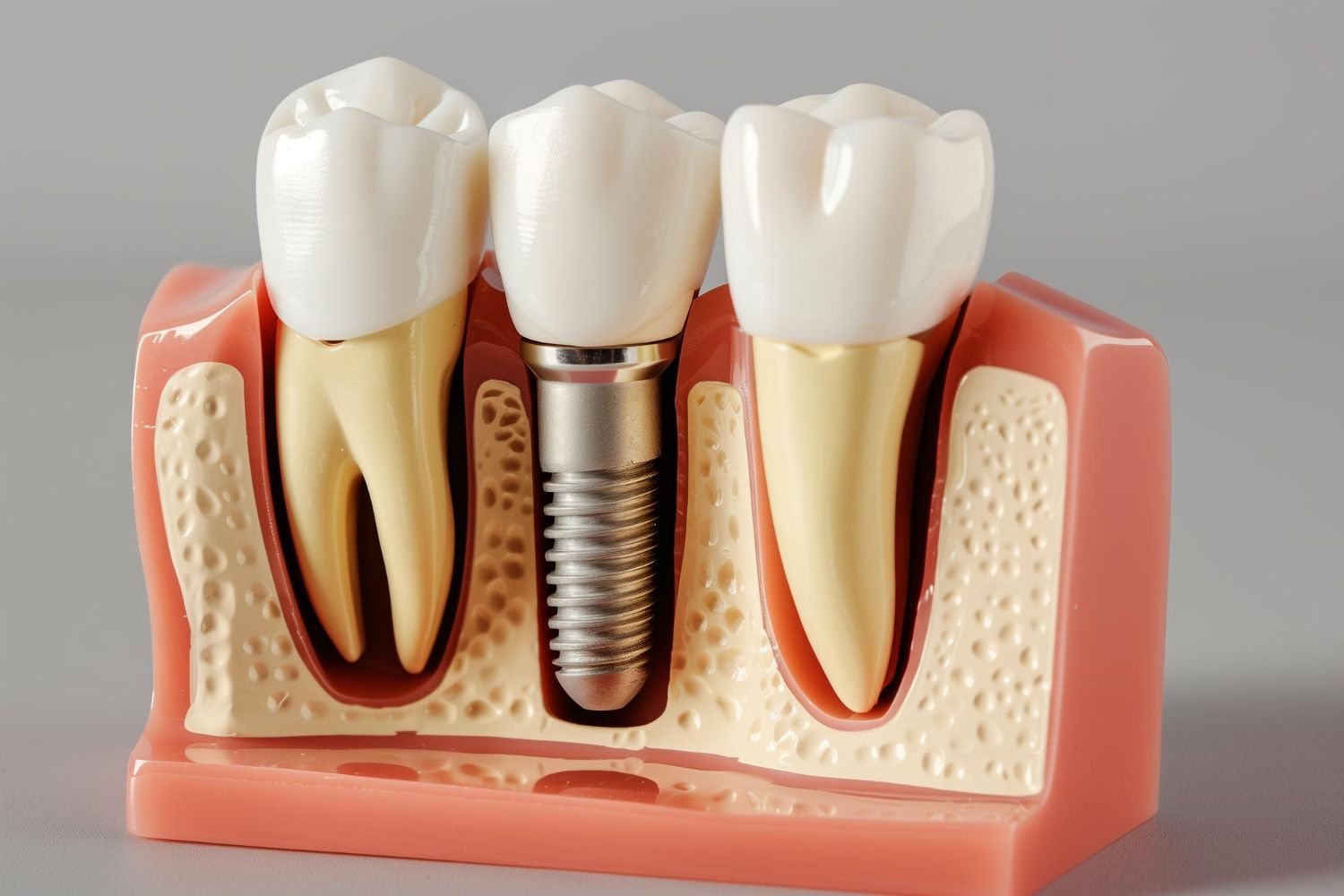
Once the gums recover, the next step depends on which tooth was removed, the condition of the surrounding bone, and whether replacement is necessary. Options may include dental implants, bridges, or other restorative treatments. A dental evaluation helps determine appropriate timing and long-term treatment needs.
Losing a tooth can affect chewing, tooth alignment, and the supporting jawbone over time.
Some patients may benefit from replacing the missing tooth, while others may not require replacement depending on the location and clinical circumstances.
Common treatment considerations include:
- Dental implants: A possible long-term replacement option when sufficient healthy bone is available.
- Dental bridges: An option for replacing certain missing teeth using neighboring teeth for support.
- Bone preservation: Sometimes recommended when future implant treatment is being considered.
Patients interested in dental implants in New York City can discuss the appropriate timing after extraction.
An individualized assessment of missing teeth treatment options can also help identify a suitable restorative approach.
Frequently Asked Questions About Tooth Extraction Healing
1. How Long Does Tooth Extraction Take to Heal Completely?
Most people feel better within several days, but complete healing takes longer. Gum tissue often covers the socket within several weeks, while the jawbone continues remodeling for months. Larger or surgically treated sockets may heal more slowly than uncomplicated extraction sites, so individual timelines vary.
2. Is White Tissue Normal During Tooth Extraction Healing Stages?
Yes. White or pale yellow tissue can appear as the blood clot is replaced by healing tissue, including fibrin and granulation tissue. This appearance alone does not mean the socket is infected. Increasing pain, worsening swelling, fever, or pus should prompt a dental examination.
3. When Is Dry Socket No Longer a Major Risk?
Dry socket most commonly develops during the first few days after extraction, particularly around days two through five. The risk generally decreases as new tissue protects the socket. Continue following postoperative care instructions even when the site begins looking and feeling better.
4. How Long Does Extraction Socket Healing Take After a Molar Removal?
Molar extraction sockets are often larger and may require several weeks for substantial gum closure. Deeper bone healing continues for months. Surgical complexity, previous infection, and individual healing factors influence recovery, so a visible depression after the first few weeks does not necessarily indicate a problem.
5. Can I Brush My Teeth During Tooth Extraction Recovery?
Yes, but avoid brushing directly over the fresh extraction site initially. Continue cleaning other teeth carefully and follow your dentist's instructions for the treated area. Gentle saltwater rinsing is commonly recommended after the first 24 hours. Avoid vigorous swishing that could disturb healing tissues.
Conclusion:
Tooth extraction healing begins with blood clot formation and continues through granulation tissue development, gum closure, and bone remodeling.
Most patients feel considerably better within a week, but the socket can remain visible for several weeks, and deeper bone healing takes longer.
Protecting the blood clot, maintaining gentle oral hygiene, and following postoperative instructions are essential for a comfortable recovery.
If pain increases, swelling worsens, or the socket develops concerning symptoms, seek professional care rather than waiting for the area to heal on its own.
Concerned About Your Tooth Extraction Healing?
At InStyle Dental Care, our Midtown Manhattan dental team provides tooth extraction services and restorative dental care, helping patients understand their treatment and recovery options.
Whether you are experiencing pain after tooth removal, concerned about your extraction socket, or considering tooth replacement, a professional evaluation can help identify the appropriate next steps.
Schedule a dental consultation with InStyle Dental Care to discuss your symptoms, review your healing progress, and receive personalized dental guidance.