Dental Cleaning vs Deep Cleaning: What Is the Difference?
Dental Cleaning vs Deep Cleaning: What Is the Difference?
The main difference between dental cleaning vs deep cleaning is the condition being treated. A routine dental cleaning, called prophylaxis, helps maintain oral health. Deep cleaning, or scaling and root planing, treats periodontitis by removing plaque and hardened deposits from tooth surfaces below the gumline.
Deep cleaning is not simply a more thorough version of a regular cleaning. Your dentist recommends it based on your gum examination and supporting findings.
If you are arranging dental cleaning and exams, understanding this distinction can help you ask informed questions about your treatment.
What Is a Routine Dental Cleaning?
A routine dental cleaning removes plaque, calculus—also called tartar—and surface stains. Calculus is hardened buildup that brushing and flossing cannot remove.
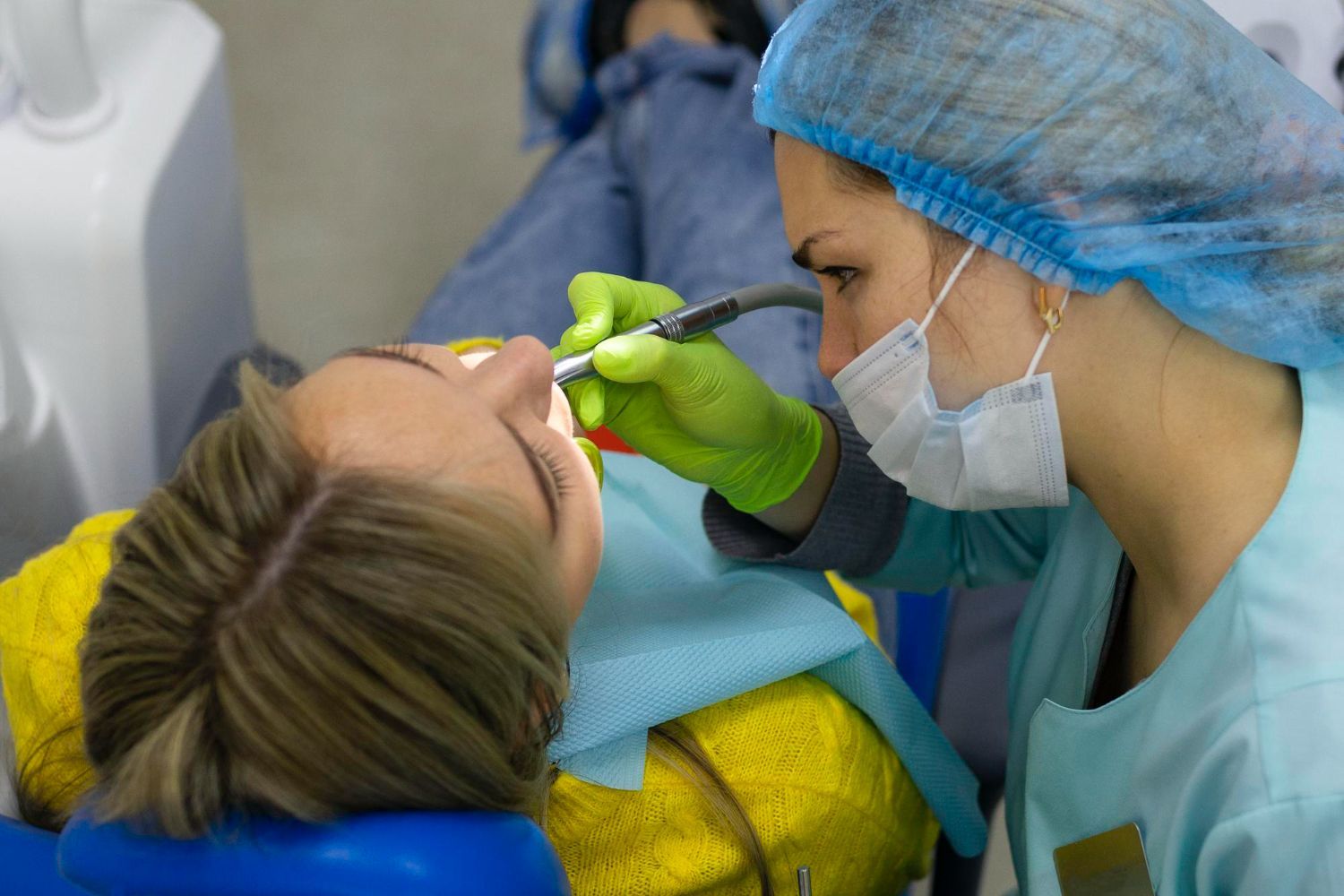
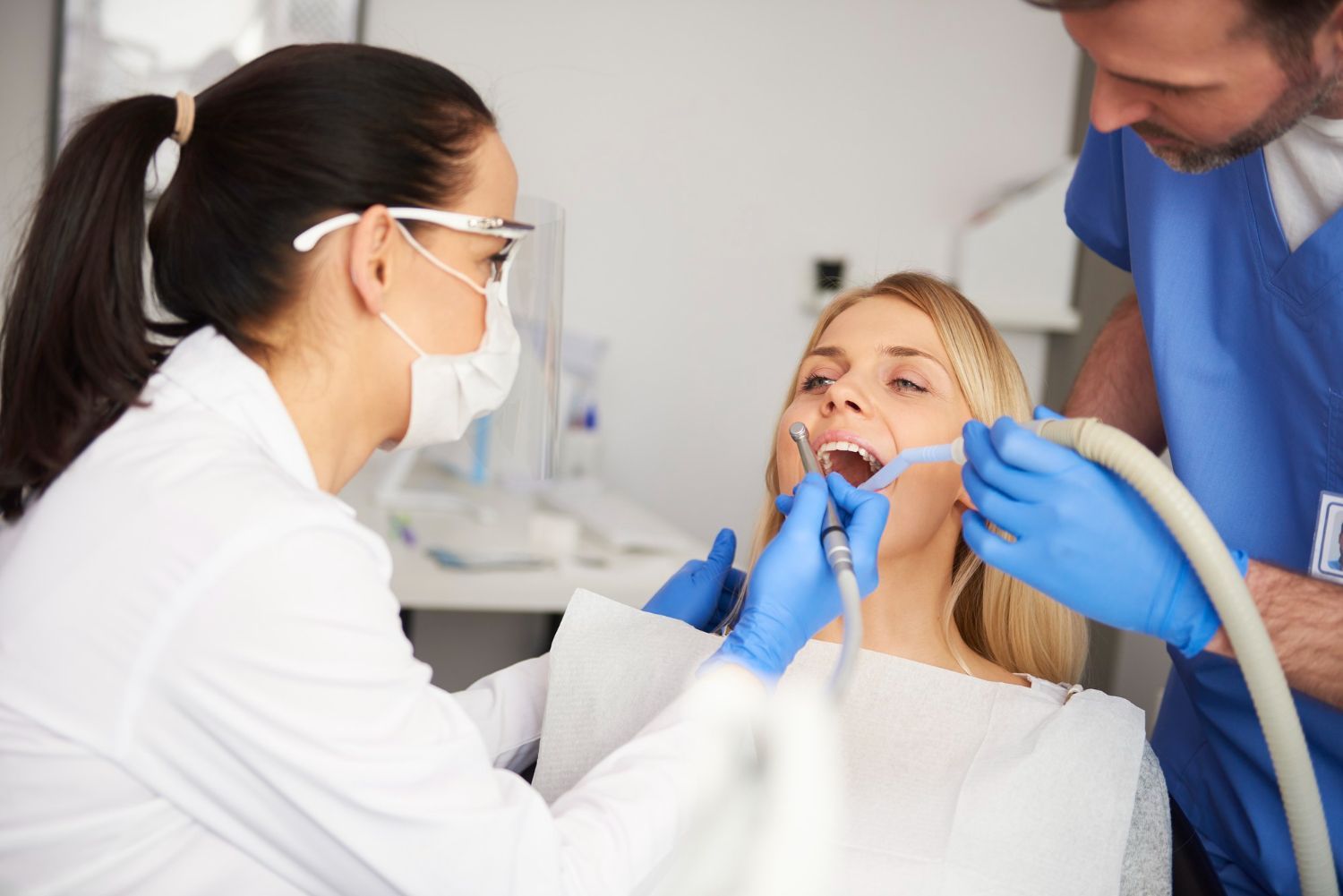
A dentist or dental hygienist uses professional instruments to clean tooth surfaces, including accessible deposits around the gumline. Polishing may help remove stains and leave teeth feeling smoother.
Prophylaxis generally suits patients without periodontitis who need preventive care. The appropriate appointment schedule depends on individual needs, rather than one fixed interval for everyone.
Regular cleaning supports daily home care, but it does not replace treatment for established periodontal disease.
What Is Deep Teeth Cleaning?
Deep teeth cleaning usually refers to scaling and root planing, a nonsurgical treatment for periodontitis.
Periodontitis affects the tissues supporting teeth. As these tissues become damaged, spaces called periodontal pockets can develop around the teeth, allowing bacterial deposits to accumulate beneath the gumline.
Treatment has two related parts:
- Scaling: Removing plaque and calculus from affected tooth surfaces above and below the gums.
- Root planing: Cleaning and smoothing affected root surfaces to support gum healing.
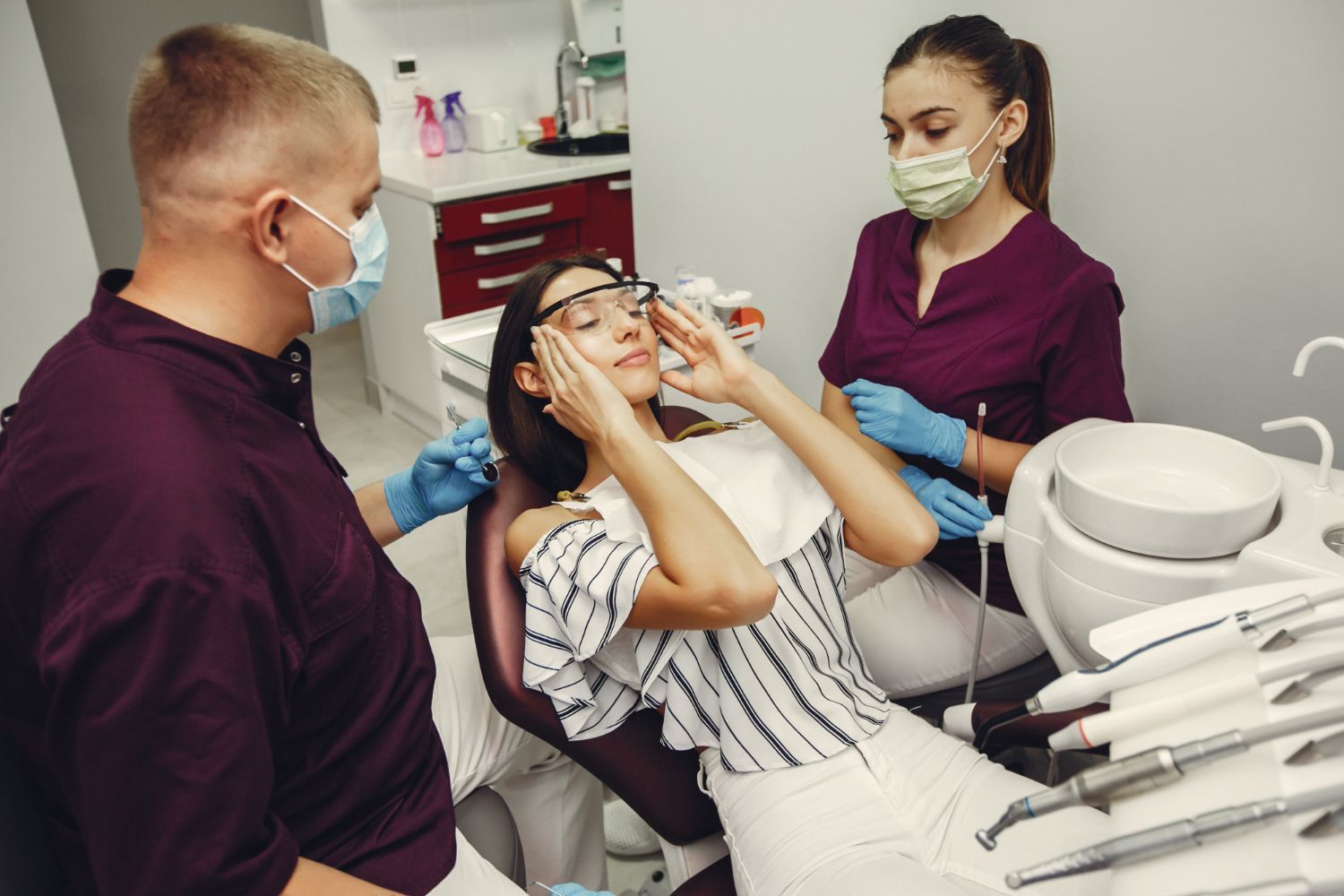
Depending on the areas involved and your comfort needs, treatment may require local anesthesia and more than one appointment.
The aim is to control disease and improve periodontal health. It does not guarantee that lost supporting bone will grow back or that further treatment will never be needed.
Regular Cleaning vs Deep Cleaning: A Practical Comparison
FeatureRoutine cleaningDeep cleaningClinical nameProphylaxisScaling and root planingMain purposePreventive care and maintenanceTreatment of periodontitisAreas addressedTooth surfaces and accessible deposits around the gumlineAffected root surfaces within periodontal pocketsAnesthesiaUsually unnecessaryOften used for comfortFollow-upIndividual preventive-care scheduleReassessment and usually ongoing periodontal maintenance
The important distinction is the diagnosis, not how clean your teeth look afterward. Treatment for periodontitis is selected according to the patient’s condition and the affected sites.
How Does Your Dentist Decide Which Cleaning You Need?
Periodontal measurements
Your dental team measures the spaces between your gums and teeth using a small instrument called a periodontal probe. They also assess bleeding, recession and other signs of inflammation.
Healthy pockets are commonly between 1 and 3 millimeters, but a deeper measurement alone does not determine the treatment. Your dentist considers the overall examination.
X-rays and supporting tissue
When indicated, X-rays help assess bone supporting the teeth. Your dentist also evaluates tooth stability, medical history and risk factors such as tobacco use or diabetes.
These findings help distinguish gum inflammation from periodontitis involving attachment or bone loss.
If treatment is recommended, ask which teeth or areas are affected and how periodontal disease treatment addresses those findings.
For example, two people with similar-looking tartar may need different care because their supporting tissues are in different conditions.
Does Bleeding Mean You Need Deep Cleaning?
Bleeding gums deserve evaluation, but they do not automatically mean you need scaling and root planing.
Gingivitis causes gum inflammation without the attachment and bone loss associated with periodontitis. Professional cleaning and improved home care may be appropriate, depending on the examination.
Persistent bleeding, recession, bad breath or loose teeth should be discussed with your dentist. Symptoms alone cannot establish the diagnosis.
An appointment for bleeding gums treatment can help identify the cause and the appropriate next step.
Likewise, missing dental visits increases the importance of an examination, but it does not automatically establish a need for deep cleaning.
What Does Deep Cleaning Feel Like?
Local anesthesia can make treatment more comfortable. Tell your dental team if you feel discomfort during the appointment so they can adjust your care.
Afterward, temporary tenderness, mild bleeding and tooth sensitivity can occur. Symptoms should generally improve, although recovery varies.
Follow your clinician’s instructions about eating while numb, brushing treated areas and any prescribed products. Contact the office if discomfort worsens or recovery does not follow the expected course.
If sensitivity persists, ask whether you need tooth sensitivity treatment or an assessment for another cause.
Why Periodontal Maintenance Matters After Treatment
Scaling and root planing is usually followed by reassessment. Your dentist checks healing and determines whether further treatment is necessary.
Many patients then need periodontal maintenance, which differs from a standard preventive cleaning. It supports ongoing control of a previously treated periodontal condition.
The American Academy of Periodontology notes that many patients need continuing maintenance after nonsurgical treatment to sustain periodontal health. American Academy of Periodontology
Your schedule should reflect your disease history, current findings and risk factors. Teeth feeling clean does not, by itself, mean you should return to routine prophylaxis.
What Can You Do Between Appointments?
Professional treatment works alongside consistent home care:
- Brush twice daily with fluoride toothpaste.
- Clean between teeth using the method your dental team recommends.
- Follow any instructions for prescribed rinses.
- Discuss tobacco use and relevant medical conditions.
- Keep reassessment and maintenance appointments.
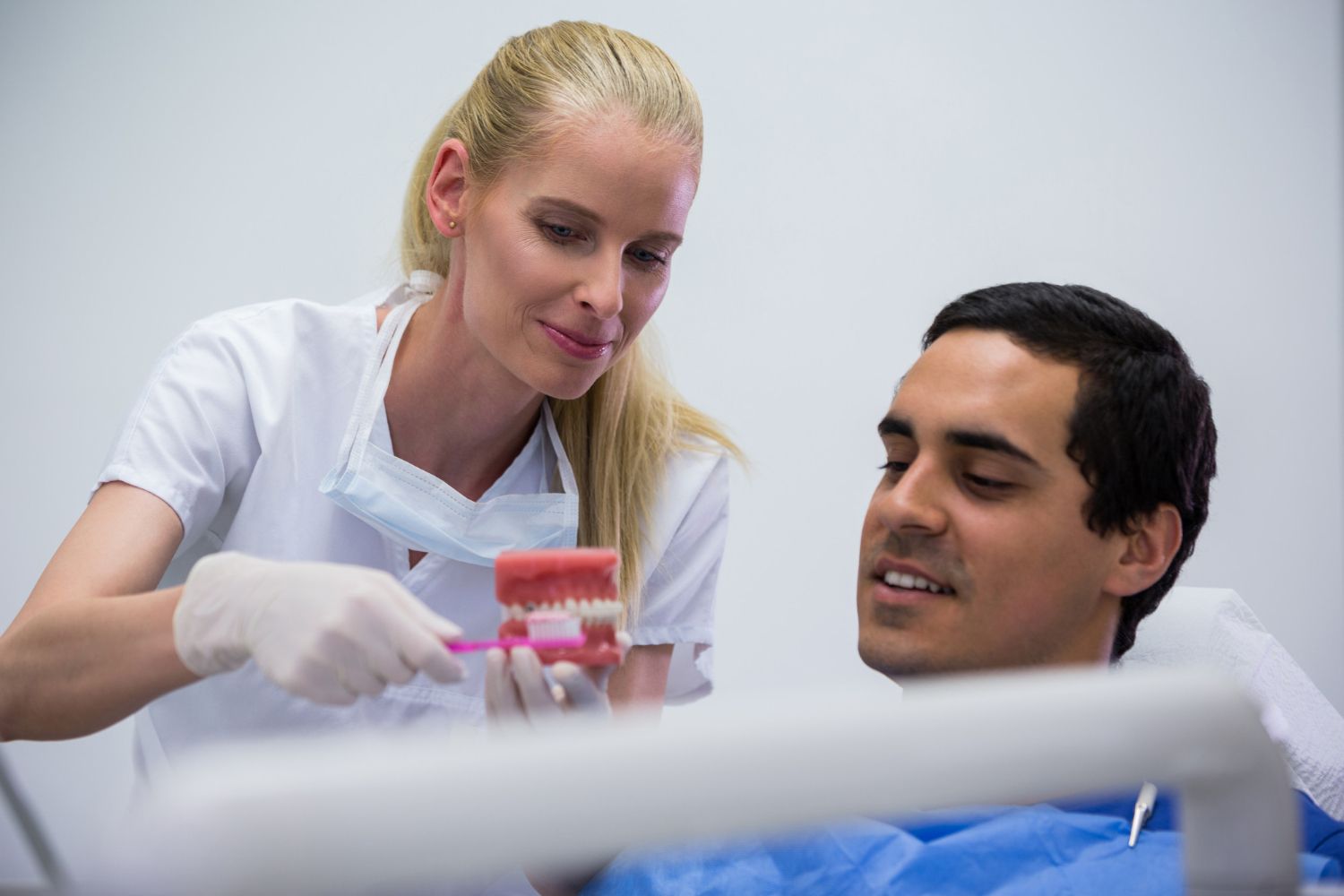
Personalized dental hygiene guidance can help you choose techniques that suit your gums, restorations and ability to clean effectively.
How Do Costs and Insurance Differ?
Routine cleaning and scaling and root planing are different procedures, so their charges and insurance benefits may differ.
The cost of deep cleaning depends on the affected areas, treatment extent and any additional care. Ask for a written estimate that separates the initial treatment, reassessment and maintenance.
Review your dental insurance information, including deductibles, frequency restrictions and expected out-of-pocket costs. Coverage does not determine which treatment is clinically appropriate.
If affordability is a concern, ask about available dental payment plans before scheduling.
Questions to Ask Before Agreeing to Deep Cleaning
A clear treatment explanation should answer:
- What is my periodontal diagnosis?
- Which measurements or X-ray findings support it?
- Which teeth need treatment?
- Will anesthesia be used?
- What improvement will you assess afterward?
- What happens if some areas do not respond?
- What maintenance and costs should I expect?
If you remain uncertain, requesting clarification or a second opinion can help you make an informed decision.
Frequently Asked Questions
Can a routine dental cleaning replace deep cleaning?
Usually not when scaling and root planing is indicated for periodontitis. Routine prophylaxis does not provide the same treatment of affected root surfaces within periodontal pockets.
Is prophylaxis vs scaling and root planing just a difference in terminology?
No. Prophylaxis is preventive care, while scaling and root planing treats periodontal disease. They have different clinical purposes and follow-up needs.
Is deep teeth cleaning painful?
Local anesthesia is often used to improve comfort. Some tenderness or sensitivity can occur afterward. Discuss your concerns and follow the aftercare instructions provided.
Can I choose deep cleaning even if my gums are healthy?
Deep cleaning should be based on clinical findings, rather than chosen as an optional upgrade. Your dentist can explain which type of cleaning fits your condition.
Will I always need periodontal maintenance after deep cleaning?
Many patients need ongoing maintenance, but the schedule and treatment are individualized. Your dentist reviews your disease history and response before recommending continuing care.
Choose the Cleaning That Matches Your Gum Health
Routine cleaning supports prevention. Deep cleaning treats periodontitis, while periodontal maintenance helps sustain the results. A thorough examination—not appearance, symptoms alone or insurance coverage—guides the decision.
Unsure which cleaning you need? Schedule a dental evaluation with InStyle Dental Care in Midtown Manhattan to discuss your gum health, treatment options and expected costs.

What Counts as Restorative Dentistry? Common Restorative Dentistry Procedures and When They Are Used