What Do Invisalign Attachments Do? Why Some Teeth Need Them
What Do Invisalign Attachments Do? Why Some Teeth Need Them
The purpose of Invisalign attachments is to help a clear aligner grip selected teeth and apply force in the direction needed for a planned movement. These small, tooth-colored shapes are bonded to the teeth; the removable aligner fits over them. Some teeth need that extra contact point to turn, tilt, or move vertically. Attachments do not move teeth on their own, and not every Invisalign plan needs them. Invisalign.com
If you are considering Invisalign treatment in New York City, understanding these small additions can make your treatment plan less surprising.
The Purpose of Invisalign Attachments: Better Control of Tooth Movement
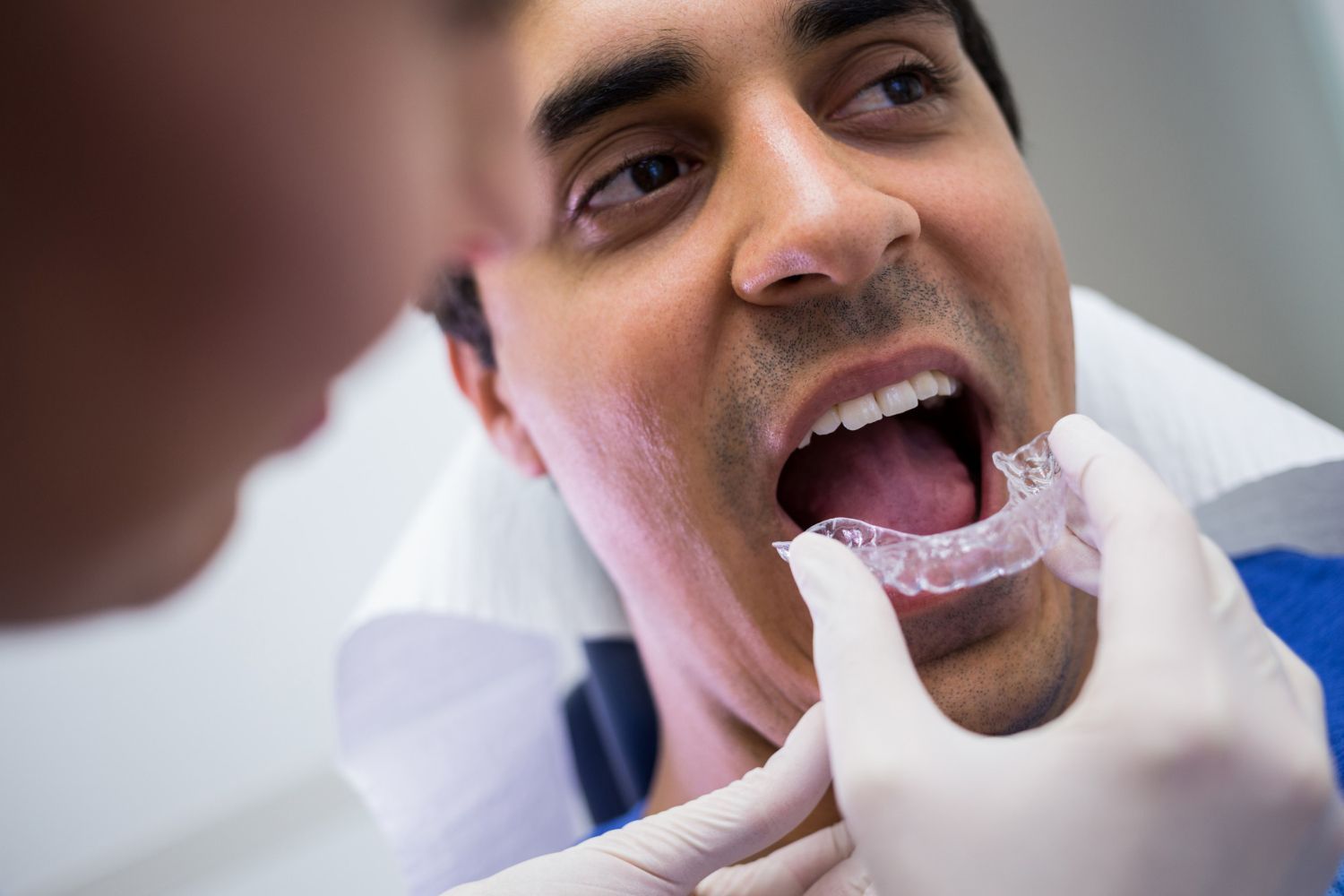
A clear aligner is a custom plastic tray designed to apply gentle, staged pressure. A smooth or unusually shaped tooth can be difficult for the tray to grip in the precise way a movement requires. As Invisalign explains in its patient guide, an attachment gives the aligner a more useful point of contact. It can also help the tray stay seated as planned, known as aligner retention.
Think of it as a handle for the aligner. The size, shape, and position of that handle matter. In orthodontic biomechanics, the direction of force affects whether a tooth rotates, tips, or follows another planned path. Your dentist selects attachments as part of overall treatment planning, alongside the aligner shape, sequence of trays, and any other needed techniques. An attachment helps deliver a movement; it does not guarantee that the tooth will move exactly as predicted.
Why Do Some Teeth Need Attachments?
Different teeth and movements present different challenges. Your plan may call for one attachment, several, or none. Common reasons include:
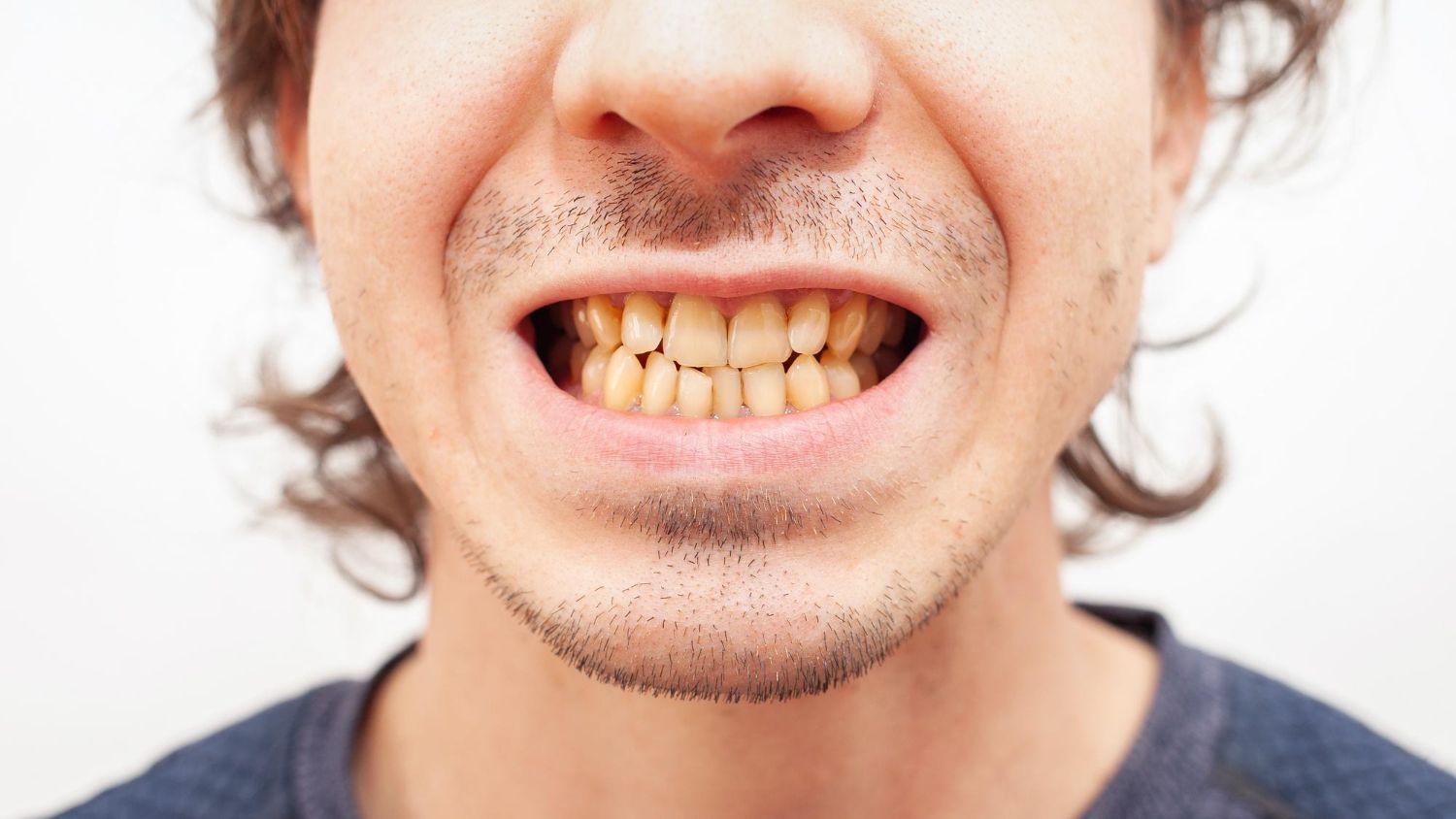
- Rotation: A rounded canine or premolar may need more grip for the aligner to turn it. This can be relevant when treating crooked or twisted teeth.
- Extrusion: Moving a tooth slightly outward from the gumline can be harder for a tray to accomplish by pressing alone. A well-placed attachment may give it a surface to pull against.
- Controlled tipping or other movements: An attachment may help direct pressure more precisely or reduce an unwanted movement while another tooth is being repositioned.
- Aligner fit: In some plans, attachments help the tray engage the teeth consistently as treatment progresses.
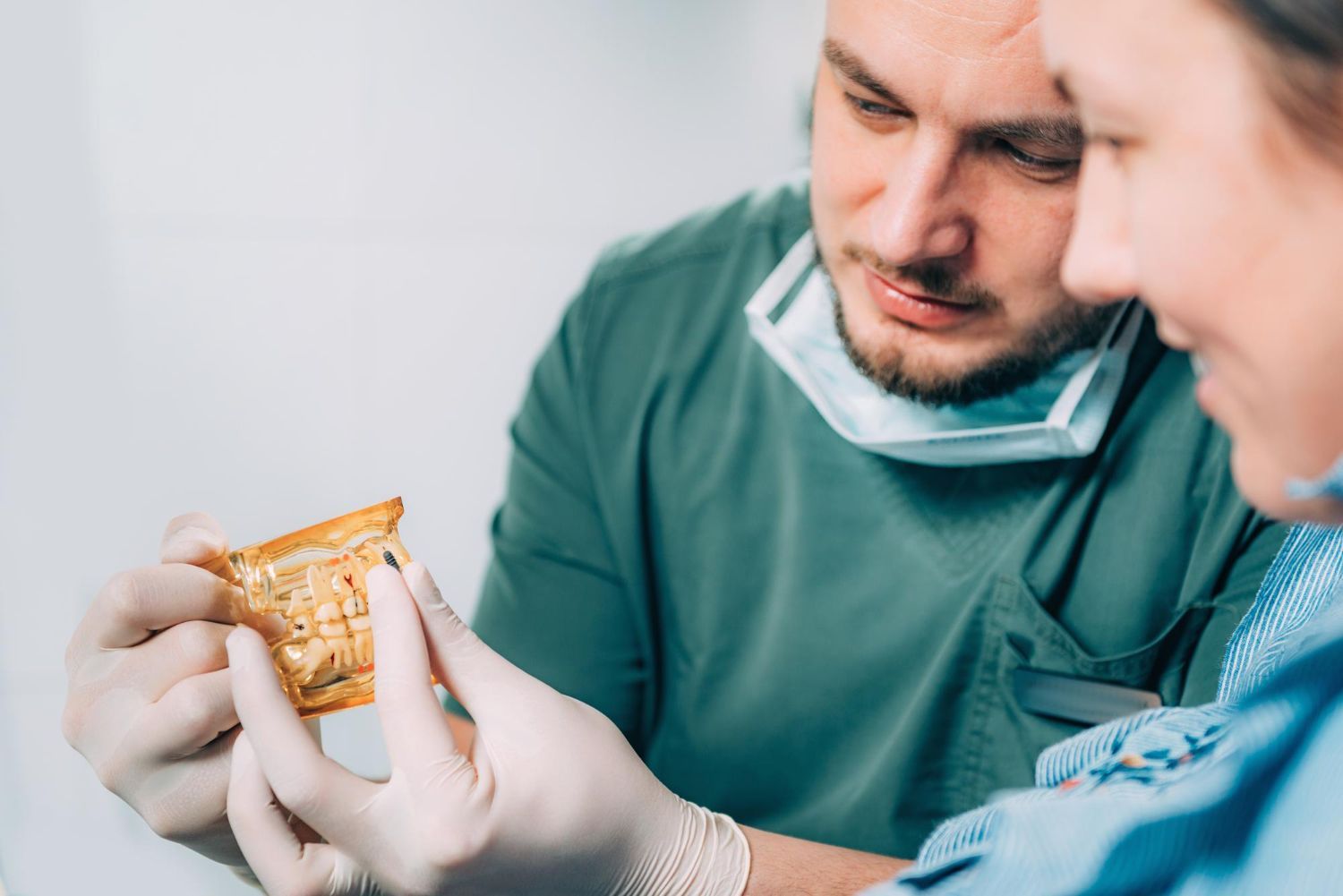
Your dentist will decide which teeth need clear aligner attachments after examining your bite and planning each stage. Two people with similar-looking crowding may have different attachment patterns because their tooth shapes and movement goals differ.
What Are Invisalign Attachments Made Of, and How Are They Placed?
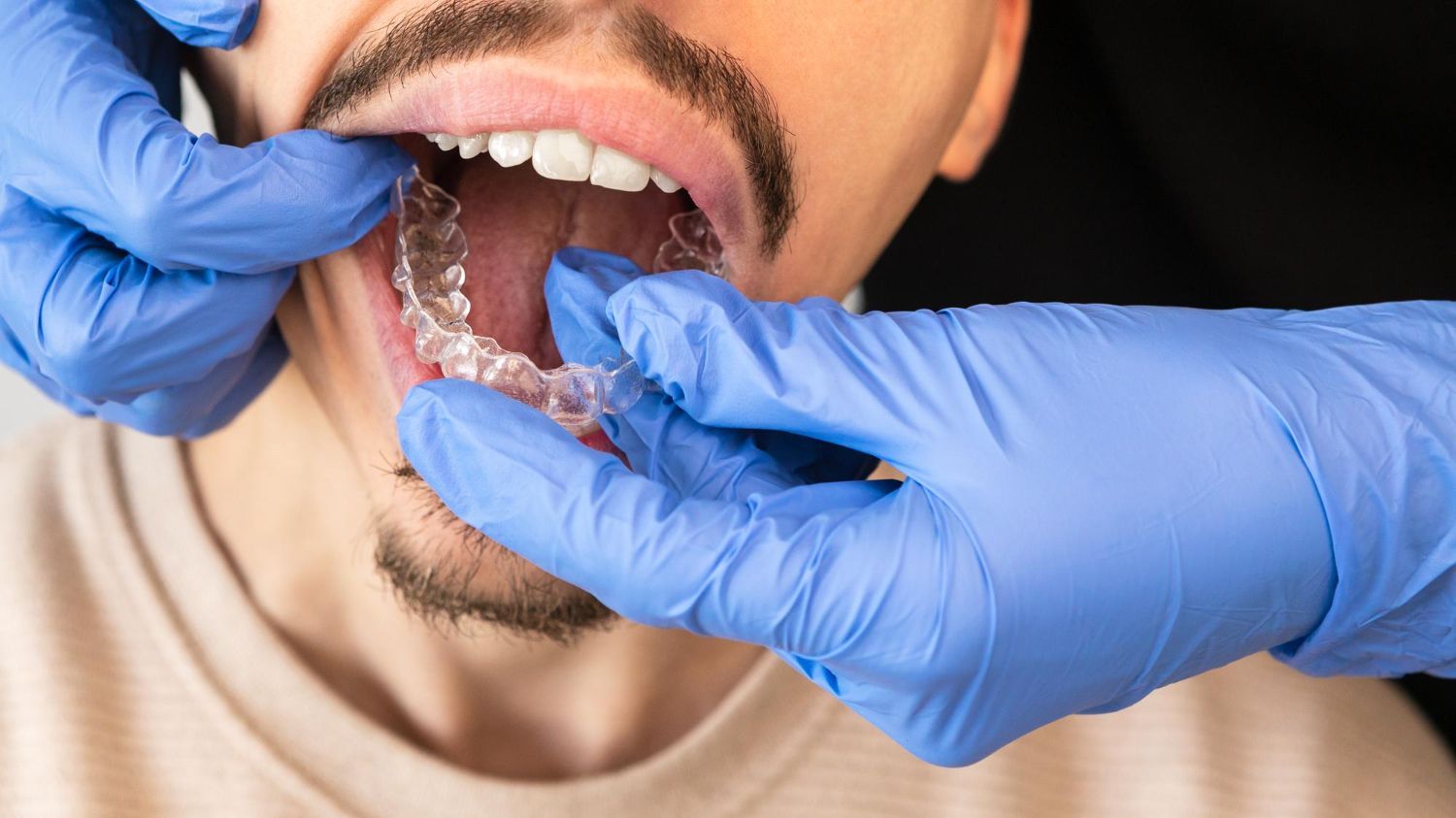
Composite attachments are made from tooth-colored dental resin. The clinician cleans and prepares the tooth, uses a placement template to position the resin according to the plan, and hardens it with a curing light. The attachment remains bonded to the tooth when you take your aligner out to eat or clean your teeth. Invisalign.com
You may hear people call them Invisalign buttons. In casual conversation, that often means the tooth-colored attachments described here. However, a button can also refer to a separate feature used with an elastic in some orthodontic plans. Ask your dentist which type appears in your treatment plan.
Attachments are generally less noticeable than traditional brackets, but they are not invisible. Those on front teeth may be easier to see, particularly when your aligners are out. Their number and placement should reflect the movement needed, not a standard pattern applied to everyone.
Attachments Versus Aligner Trays: What Does Each Part Do?
PartMain roleWhat to expectClear aligner trayApplies planned pressure across the teeth as you wear each stageRemovable for meals and oral hygieneBonded attachmentGives the tray a shaped contact point on a selected toothStays on the tooth between meals and tray changes
Both parts work together. More attachments do not automatically mean faster treatment, and an attachment cannot make up for trays that are not worn as directed. Your provider will explain your wear schedule and monitor whether the aligners remain seated and the teeth are tracking the plan. For broader treatment questions, see InStyle Dental’s Invisalign questions and answers.
What Is Daily Life Like With Attachments?
When attachments are first placed or a new tray is fitted, you may notice pressure or mild tenderness. The bumps can also feel rough against your lips or cheeks while you adjust. Tell your dental team if an edge is persistently irritating you or a tray is unusually difficult to seat.
Because food and plaque can collect around the raised edges, brush carefully around each attachment and floss as instructed. Remove your aligners for meals and follow your provider’s advice about cleaning before putting them back in. Continue routine dental cleaning and exams during treatment.
If an attachment comes off, contact your provider rather than trying to glue it back on. Whether it needs prompt replacement depends on the tooth movement planned for that stage. Keep wearing or changing your trays only as your provider directs. After treatment, the clinician removes the attachments and checks the teeth before discussing retainers; attachment removal is a separate step from long-term retention. Invisalign.com
Can You Choose Invisalign Without Attachments?
You can tell your dentist that visibility matters to you, especially for front teeth. They can explain what each proposed attachment is intended to accomplish and whether a different placement or approach is reasonable. Some simpler movements may not require attachments. In other cases, removing them from the plan may make a desired movement less predictable or call for a different treatment approach.
An assessment should consider your bite, the condition of your teeth and gums, the movements required, and how consistently you can wear the aligners. The American Association of Orthodontists notes that braces or a combined approach may be more appropriate in some cases. Review Dr. Hanna Zharkina’s credentials and bring your questions to a consultation rather than deciding from photos of someone else’s attachments. AAO
Treatment complexity can also affect overall cost. If you are budgeting for care, InStyle Dental’s guide to Invisalign cost in NYC explains the factors involved, and its dental payment plans page outlines available options. Ask for an individualized estimate; the number of attachments alone does not determine your fee.
Frequently Asked Questions
What is the main purpose of Invisalign attachments?
Their main purpose is to create contact points that help aligners apply planned forces to particular teeth. They may improve control for movements such as rotation or extrusion and help a tray engage the teeth. The reason for each attachment depends on your individual plan.
Do all Invisalign patients need clear aligner attachments?
No. Some plans use no attachments, while others need attachments on several teeth. Your dentist chooses them based on tooth shape, bite, and the movements required rather than placing them routinely on everyone.
Are Invisalign buttons and composite attachments the same thing?
People sometimes use “buttons” as a casual name for bonded, tooth-colored attachments. In a treatment plan, a button may instead mean a feature that holds an elastic. Ask your provider to identify which one is planned for you.
Do teeth attachments for aligners hurt?
Placement is usually straightforward. You might feel mild pressure or tenderness when the aligner engages a new attachment or when you change trays. Persistent pain, a sharp edge, or a tray that will not fit properly deserves a call to your dental team.
How does attachment removal work?
At the appropriate point in treatment, your clinician removes the bonded composite and checks the tooth surfaces. Do not attempt attachment removal at home. Your provider will also explain whether you need a retainer to help maintain your result.
Conclusion
Invisalign attachments are small, planned tools that help a removable aligner grip selected teeth and control certain movements. The right number and placement depend on your teeth and treatment goals. Good aligner wear, hygiene, and follow-up appointments still matter throughout the process.
Want to know whether your teeth would need attachments? Contact InStyle Dental to discuss an Invisalign consultation and ask which movements your proposed plan is designed to achieve.