Yellow Teeth: Causes, Prevention, and Proven Whitening Solutions
Yellow Teeth: Causes, Prevention, and Proven Whitening Solutions
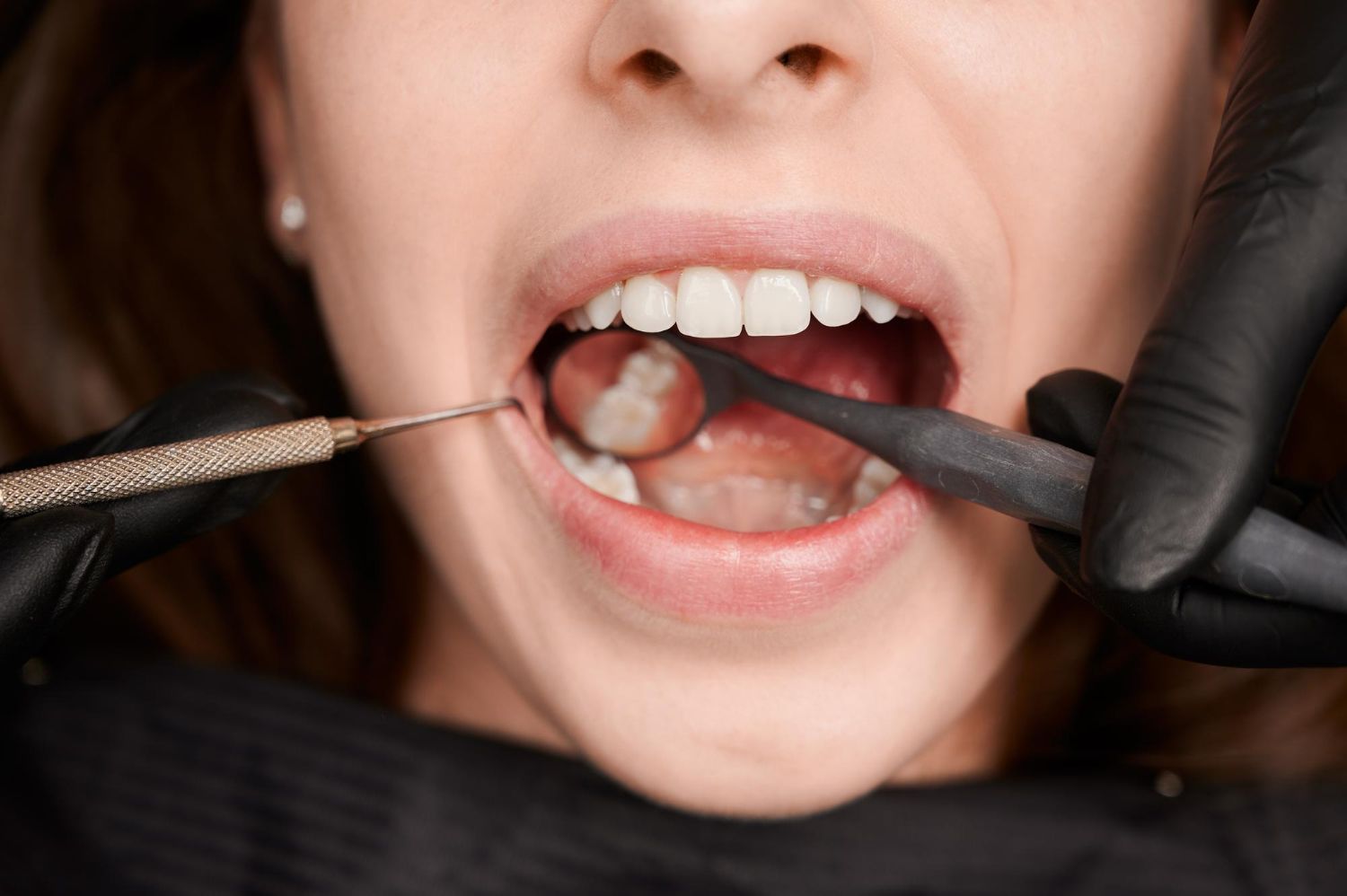
Dealing with yellow teeth is one of the most widespread aesthetic and functional oral health concerns adults experience today. Tooth discoloration rarely happens overnight; it progresses gradually over years, leading many individuals to wonder why their smile appears dull or aged despite disciplined daily brushing. Whether the discoloration stems from surface chromogen accumulation, lifestyle habits, or natural enamel wear, pinpointing the precise physiological cause is essential for choosing a safe, lasting treatment.
Tooth shade is fundamentally determined by the relationship between the outer enamel layer and the underlying dentin. While extrinsic stains caused by beverages and food settle on the surface, intrinsic changes alter the internal tooth structure. Understanding how biological aging, dental genetics, systemic medications, and oral hygiene intersect allows you to make informed decisions that restore shade brightness while protecting your enamel integrity.
What Causes Yellow Teeth? Understanding Tooth Discoloration
Dental discoloration is clinically classified into two primary categories: extrinsic staining and intrinsic discoloration. Recognizing the difference ensures you avoid abrasive home remedies that can worsen your condition.
Extrinsic Stains: Surface Pigment Buildup
Extrinsic discoloration develops on the exterior enamel shell. When you eat, drink, or breathe, a thin saliva-derived protein layer called the acquired pellicle coats your teeth. While the pellicle protects against acidic wear, it also attracts chromogens—intensely pigmented chemical compounds found in food and lifestyle products.
Common environmental and dietary causes include:
- Dark-Colored Beverages: Black coffee, black tea, espresso, red wine, and dark sodas contain high levels of tannins and chromogens that bind tightly to the microscopic pores of your dental enamel.
- Tobacco Use and Vaping: Both smoking and chewing tobacco introduce tar and nicotine into the oral cavity. While nicotine is initially colorless, it oxidizes upon contact with oxygen, turning into an obstinate yellowish-brown compound that adheres to tooth surfaces.
- Acidic Diets: Citrus fruits, vinegar dressings, tomato sauces, and sports drinks lower the oral pH level below the critical threshold of 5.5. This causes temporary demineralization, softening the surface enamel and creating a rougher texture that traps pigments more easily.
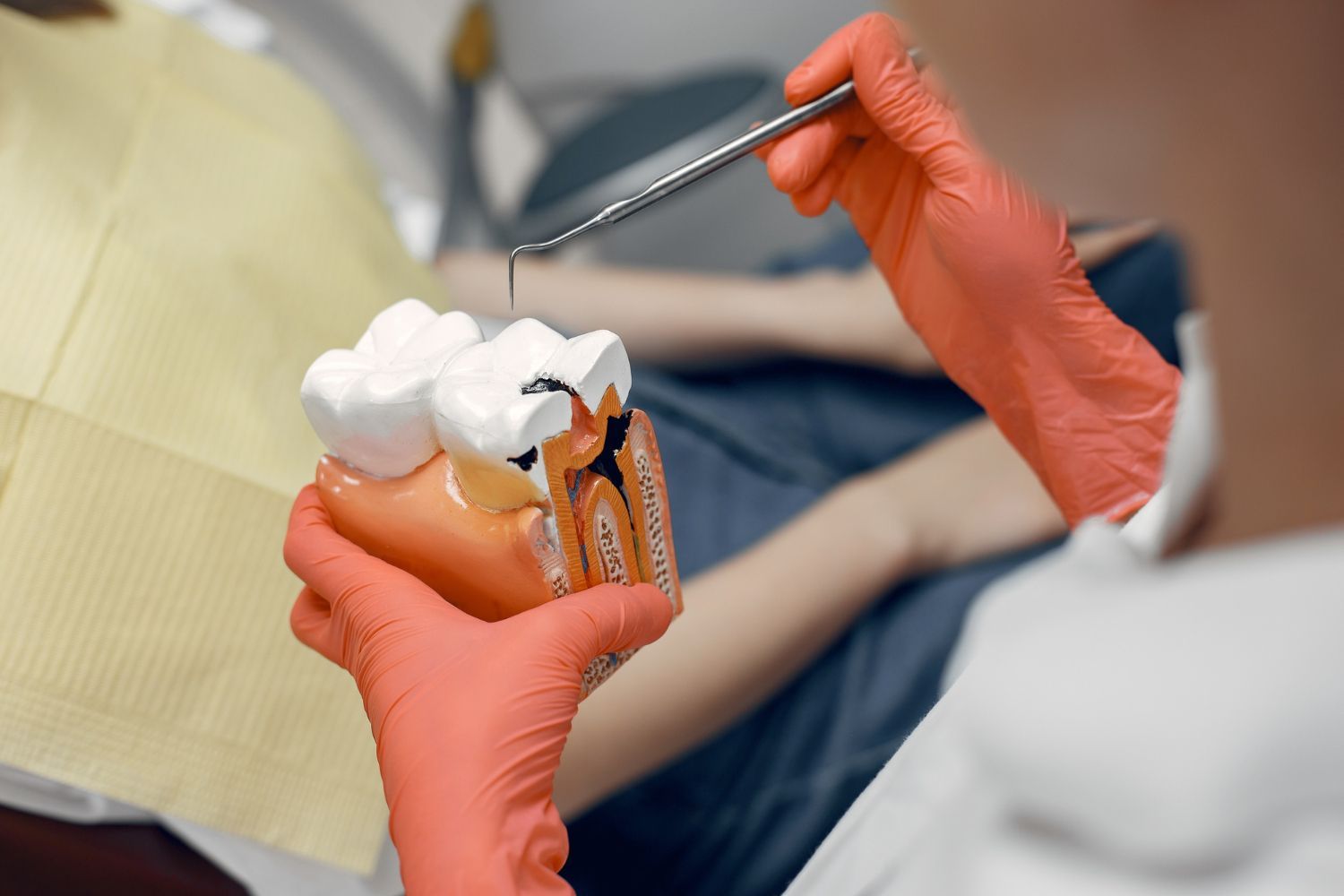
- Inadequate Plaque Removal: When soft bacterial plaque is not effectively removed along the gumline and between teeth, it absorbs mineral salts from saliva and calcifies into hard tartar (calculus). Calculus is porous and absorbs dark pigments rapidly, creating noticeable yellow or brown margins around your teeth.
Intrinsic Discoloration: Inner Tooth Changes
Intrinsic stains occur within the inner layer of the tooth structure, known as dentin. Enamel is naturally a translucent, semi-clear crystal matrix composed primarily of hydroxyapatite. In contrast, the dentin core underneath is naturally dense, opaque, and yellow.
As you age, or when enamel thins due to friction, acid erosion, or gastroesophageal reflux, the yellow dentin reflects more prominently through the enamel.
Intrinsic staining can also be caused by systemic and anatomical factors:
- Natural Aging: Over decades of chewing, grinding, and exposure to mild dietary acids, the outer enamel shell naturally thins, while the secondary dentin layer inside continues to thicken and darken with age.
- Medication Exposure: Early childhood administration or maternal use during pregnancy of tetracycline or doxycycline antibiotics bonds with calcium during odontogenesis, leading to permanent gray-yellow bands inside the tooth structure.
- Fluorosis: Ingesting excessive fluoride during early developmental stages can disrupt ameloblast activity, creating permanent chalky white striations or yellow-brown internal staining.
- Dental Trauma: A direct impact or sports injury can rupture the blood vessels supplying the dental pulp. The breakdown of red blood cells causes iron deposits to infiltrate the dentin tubules, turning the entire tooth yellow, gray, or dark brown.
At-Home Habits vs. Clinical Dental Care
Many individuals struggling with stained enamel turn to commercially advertised whitening products, abrasive charcoal powders, or DIY kitchen recipes like baking soda and lemon juice. While superficial stains can sometimes be buffed away, unsupervised methods often carry hidden clinical risks.
Abrasive toothpastes with high Relative Dentin Abrasivity (RDA) scores strip away the surface stains by wearing away microscopic layers of the enamel itself. Because enamel cannot regenerate, aggressive abrasive brushing accelerates the exposure of yellow dentin, leaving your teeth permanently darker and more sensitive over time.
Clinical dental procedures, by comparison, rely on carefully calibrated chemical oxidation rather than mechanical friction. Professional bleaching agents penetrate microscopic enamel prisms to break apart double chemical bonds in chromogen molecules without scratching or thinning the enamel.
Professional Clinical Treatments for Yellow Teeth
Patients looking for reliable, rapid, and clinically safe results benefit most from dentist-supervised interventions tailored to their specific type of discoloration.
In-Office Professional Whitening
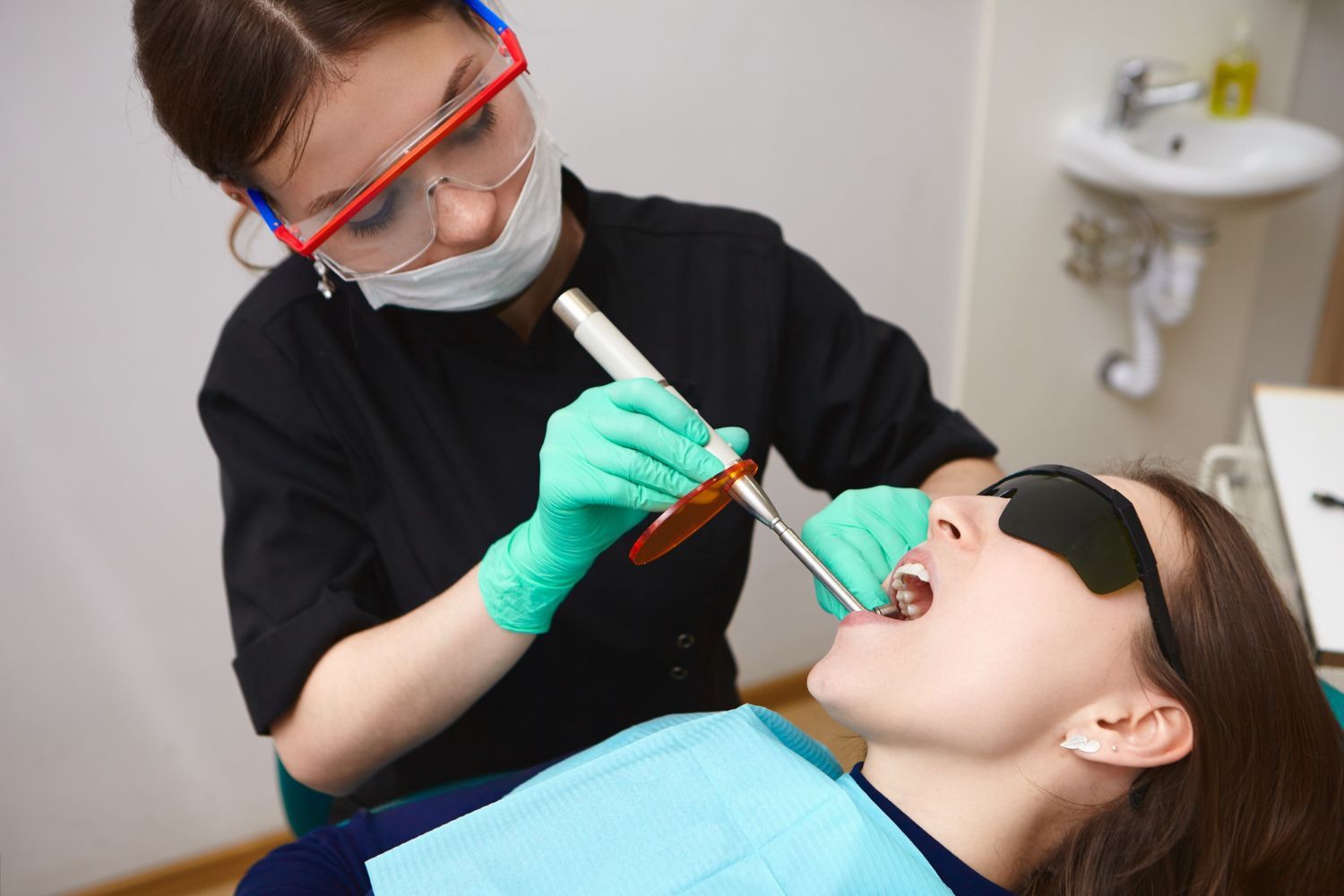
In-office whitening delivers the fastest and most dramatic shade improvements for extrinsic and moderate intrinsic stains. Utilizing concentrated hydrogen peroxide or carbamide peroxide gels under clinical barrier isolation, professional teeth whitening in New York breaks down complex stain molecules without exposing surrounding gingival tissues to chemical irritation. For individuals dealing with stubborn stains caused by decades of dark beverages or tobacco use, a targeted stained teeth treatment in New York can safely lift shade darkness by five to eight values in a single appointment.
Preventative Scaling and Periodontal Care
Routine brushing cannot remove hardened calculus deposits that turn yellow over time. Scheduling regular dental hygiene in New York alongside thorough dental cleaning and exams is critical for plaque debridement. Ultrasonic scaling clears stubborn deposits from interdental spaces and the gingival sulcus, brightening your smile while defending your gums against inflammation and recession.
Porcelain Veneers for Deep Intrinsic Staining
When tooth discoloration is structural, such as in cases of severe fluorosis, tetracycline banding, or trauma-induced discoloration, peroxide bleaching cannot alter the shade of the underlying dentin. In these situations, custom dental veneers in New York offer a long-term solution. These ultra-thin shells of medical-grade ceramic bond to the front of the teeth, allowing you to completely select your desired shade, symmetry, and contour while masking severe internal discoloration.
Practical Steps to Prevent Yellow Teeth Daily
Consistent everyday preventative care preserves the natural brightness of your enamel and prolongs the longevity of any clinical whitening treatments:
- Rinse Promptly With Water: After consuming coffee, tea, wine, or tomato-based curries, swish thoroughly with plain water to rinse away tannins before they bond with your enamel pellicle.
- Use a Straw for Pigmented Cold Drinks: When drinking iced coffee, iced tea, or fruit juices, use a reusable straw to route the liquid past your anterior teeth, limiting contact with visible smile surfaces.
- Wait Before Brushing After Acidic Meals: Acidic foods temporarily soften enamel minerals. Wait at least 30 to 45 minutes before brushing to allow your saliva to naturally neutralize oral acids and remineralize the enamel matrix.
- Choose Low-Abrasive Fluoride Toothpastes: Select non-abrasive, fluoride-rich, or nano-hydroxyapatite toothpastes that fortify enamel crystals rather than scrub them away with abrasive charcoal or grit.
- Floss Thoroughly Every Day: Plaque accumulation between adjacent teeth absorbs stains quickly, creating dark, dingy edges that make the entire arch appear discolored.
When Yellow Teeth Indicate an Underlying Oral Health Concern
While mild tooth discoloration is often purely cosmetic, sudden or localized color changes can indicate a more serious underlying dental condition. If only one tooth turns dark yellow or gray, or if the discoloration is accompanied by chewing sensitivity or throbbing discomfort, the dental nerve may be compromised or infected.
In such cases, masking the surface with over-the-counter products can delay needed treatment for underlying decay or nerve necrosis. Scheduling an evaluation with an experienced dentist in Midtown ensures that structural, restorative, and aesthetic concerns are evaluated simultaneously. Whether your goals involve restorative bonding, periodontal stabilization, or personalized cosmetic dentistry, comprehensive diagnostics keep your teeth functional, stable, and healthy.
Frequently Asked Questions
Can yellow teeth become white again naturally?
Surface stains caused by foods and drinks can be minimized with good daily brushing, flossing, and routine dental cleanings. However, if teeth appear yellow because the enamel has worn down and exposed the naturally yellow dentin underneath, natural home methods cannot regenerate enamel or change the underlying tooth color.
Why do my teeth look yellow even though I brush twice a day?
Brushing too vigorously with hard-bristled brushes or abrasive pastes can wear away translucent enamel, making the yellow dentin layer beneath more noticeable. Additionally, standard toothbrushes cannot remove hardened tartar or reverse deep intrinsic stains caused by medications, trauma, or genetics.
Does professional teeth whitening damage enamel?
When performed under dental supervision, professional whitening does not harm or strip enamel. Clinical whitening gels use balanced pH solutions that penetrate microscopic pores to oxidize organic stains without degrading the hydroxyapatite mineral structure of your teeth.
How long do clinical teeth whitening results last?
Professional whitening results generally last between twelve and twenty-four months. The lifespan of your results depends heavily on your daily oral hygiene and lifestyle habits, including your consumption of staining foods, red wine, tea, and tobacco.
What should I do if whitening gels do not lighten my yellow teeth?
Tooth discoloration is a common concern that stems from a wide variety of sources, ranging from surface-level dietary pigments to the natural thinning of enamel over time. Distinguishing between extrinsic stains and intrinsic structural discoloration is essential for finding a treatment that restores your smile without jeopardizing your enamel health. While mindful daily habits, smart dietary choices, and disciplined hygiene protect against future staining, deeply embedded discoloration requires safe, predictable clinical care designed to protect both tooth function and appearance.
If you are ready to reverse stubborn discoloration and explore personalized whitening or restorative options tailored to your smile, schedule your
consultation today through our contact page to start your journey toward a brighter, healthier smile.