Tooth Sensitive to Cold but No Cavity? Possible Causes Explained
Tooth Sensitive to Cold but No Cavity? Possible Causes Explained
Have you ever taken a sip of cold water and felt a sudden, sharp pain in one of your teeth, even though your dentist hasn't found a cavity?
If you have a tooth sensitive to cold but no cavity, the discomfort may come from exposed dentin, gum recession, weakened enamel, a small crack, or irritation inside the tooth. Cavities are not the only reason teeth react painfully to cold temperatures.
Some cases improve with changes in oral hygiene and desensitizing toothpaste. Others need professional dental treatment, especially when the pain lingers or affects one particular tooth.
Understanding the possible causes can help you recognize when sensitivity is temporary and when it's time to see a dentist.
Why Is a Tooth Sensitive to Cold but No Cavity?
A tooth can become sensitive to cold without a cavity when its protective enamel wears down, the gums recede, or a crack exposes sensitive underlying structures. Cold temperatures may then trigger pain through the dentin or inflamed dental pulp. A dental examination is needed to identify the actual cause.
Healthy teeth have protective layers that help shield the sensitive inner tissues.
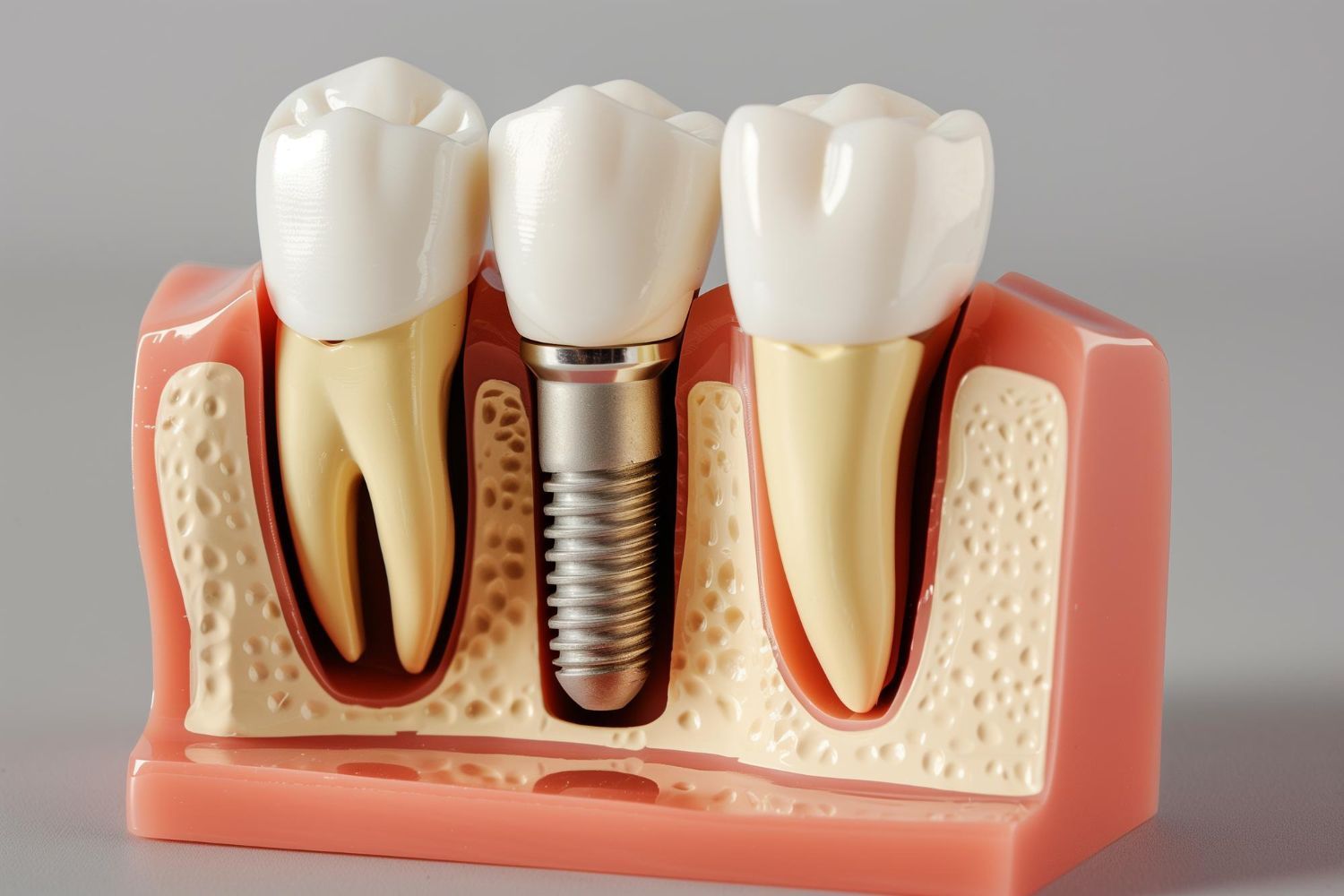
- Enamel: The hard outer covering of the visible tooth.
- Cementum: A protective layer covering the tooth root.
- Dentin: The layer beneath enamel and cementum, containing microscopic tubules.
- Dental pulp: The inner tissue containing nerves and blood vessels.
When dentin becomes exposed, cold temperatures can stimulate fluid movement within its tubules, triggering a brief, sharp sensation.
However, sensitivity doesn't always mean dentin is exposed. A cracked tooth or pulp inflammation can also cause discomfort.
If cold sensitivity occurs repeatedly, a professional tooth sensitivity evaluation in New York can help determine whether the problem involves the tooth surface, gums, or deeper structures.
What Are the Most Common Causes of Cold Tooth Sensitivity?
Cold tooth sensitivity commonly develops from exposed dentin, receding gums, enamel erosion, tooth cracks, or irritation of the dental pulp. Teeth grinding and recent dental procedures may also contribute. Although these conditions can produce similar symptoms, they require different treatments, making an accurate diagnosis important.
1. Gum Recession and Exposed Tooth Roots
Gum recession occurs when the gum tissue moves away from its normal position, exposing part of the tooth root.
Unlike the crown, the root is not protected by thick enamel. Its exposed surface can become especially sensitive to cold drinks, brushing, or air.
Possible contributing factors include:
- Periodontal disease
- Aggressive brushing
- Thin gum tissue
- Tooth positioning
- Long-term plaque accumulation
If recession occurs alongside bleeding or swollen gums, a dentist may recommend evaluating the supporting tissues and discussing periodontal disease treatment.
2. Enamel Erosion and Tooth Wear
Enamel erosion happens when acids gradually dissolve minerals from the tooth's outer surface. As enamel becomes thinner, the underlying dentin may become more sensitive to temperature changes. Because lost enamel does not naturally grow back, early identification and prevention are important.
Common contributing factors include frequent acidic drinks, acid reflux, and repeated exposure to dietary acids.
Brushing too aggressively or using abrasive cleaning methods may also contribute to tooth wear, although abrasion and acid erosion are different processes.
3. Cracked or Fractured Tooth
A small crack can explain why one tooth hurts with cold even when no visible cavity is present.
Some cracks are difficult to detect without a detailed examination. They may produce pain when biting, releasing pressure, or drinking something cold.
A cracked tooth can require anything from monitoring to a protective restoration, depending on its depth and location.
If an existing tooth structure is damaged, your dentist may discuss dental crowns in New York to protect the tooth when clinically appropriate.
4. Teeth Grinding or Bruxism
Bruxism involves grinding or clenching the teeth, often during sleep.
Repeated pressure can contribute to tooth wear, small fractures, and discomfort. Some patients also experience jaw soreness or headaches.
Not everyone who grinds their teeth develops sensitivity, but bruxism may contribute when enamel wear or cracks are present.
If you suspect nighttime clenching, a teeth grinding assessment can help identify signs of tooth wear and determine whether a protective appliance or other management is appropriate.
5. Pulp Inflammation
The pulp is the soft tissue inside the tooth containing nerves and blood vessels. When it becomes inflamed, cold temperatures may trigger pain.
Mild pulp inflammation can sometimes resolve after the underlying irritation is addressed. More extensive inflammation may cause lingering or spontaneous pain and require additional treatment.
Pain that continues well after removing the cold stimulus is particularly important to investigate.
In cases where the pulp cannot recover, root canal treatment in New York may be considered to preserve the tooth.
6. Recent Dental Treatment
Temporary cold sensitivity can occur after procedures such as fillings, deep cleaning, or certain restorative treatments.
This does not necessarily mean the treatment was unsuccessful.
However, sensitivity that progressively worsens, becomes severe, or persists beyond the recovery period discussed by your dentist should be reassessed.
What Does the Type of Cold Sensitivity Tell You?
The pattern of cold sensitivity can offer clues about its cause, although it cannot confirm a diagnosis. Brief pain that stops quickly may suggest exposed dentin or mild irritation. Lingering pain, discomfort when biting, or spontaneous toothache can indicate a crack or deeper pulp inflammation.
Brief, Sharp Pain That Stops Quickly
A short twinge when drinking cold water is commonly associated with dentin hypersensitivity.
For example, someone with mild gum recession may feel discomfort when cold water touches an exposed root surface. The pain typically settles soon after the stimulus disappears.
Pain That Lingers After Cold Exposure
Cold pain that continues after you stop drinking or eating may suggest inflammation inside the tooth.
Dentists sometimes use a cold test to assess how the pulp responds.
A response lingering for approximately 30 seconds or longer can raise concern about more significant pulp inflammation, but there is no single duration that reliably establishes a diagnosis. The dentist must consider the complete clinical picture.
Sudden Sensitivity in One Tooth
Sudden tooth sensitivity affecting a single tooth deserves attention, particularly if it starts without an obvious reason.
Possible explanations include a crack, exposed root surface, failing restoration, or pulp irritation.
If the pain is accompanied by spontaneous aching or discomfort when chewing, a tooth pain evaluation in New York can help identify the cause.
How Can You Reduce Cold Tooth Sensitivity at Home?
Mild cold sensitivity may improve with desensitizing toothpaste, gentle brushing, and reducing exposure to acidic foods and drinks. These measures can help when exposed dentin or minor surface irritation is responsible. They cannot repair a cracked tooth, treat an infection, or replace professional care when pain persists.
Follow these practical steps:
- Use desensitizing toothpaste. Choose a product formulated for sensitive teeth and use it consistently according to its instructions. Some formulas contain potassium nitrate or stannous fluoride.
- Switch to a soft-bristled toothbrush. Brush gently along the gumline rather than scrubbing aggressively.
- Reduce frequent acid exposure. Limit repeated sipping of acidic drinks and rinse with plain water afterward.
- Avoid brushing immediately after acidic foods. Give saliva time to help neutralize acids before brushing.
- Use fluoride toothpaste. Fluoride helps protect enamel against acid-related mineral loss.
- Monitor your symptoms. Notice which tooth hurts, what triggers the pain, and how long discomfort lasts.
Desensitizing toothpaste may take several applications or weeks of regular use to provide noticeable relief.
If you're experiencing recurring sensitivity, routine dental cleaning and examinations can help identify tooth wear, gum recession, and other potential contributors.
How Do Dentists Treat a Tooth That Hurts With Cold?
Dental treatment depends on the underlying cause of sensitivity rather than the cold response alone. Dentists may recommend fluoride applications, desensitizing agents, bonding, gum disease management, or a protective restoration. More complex problems, such as significant cracks or irreversible pulp inflammation, may require additional treatment.
A dental examination may include visual inspection, periodontal assessment, bite testing, cold testing, and X-rays when clinically appropriate.
Common treatment options include:
- Desensitizing treatment: For exposed dentin and mild hypersensitivity.
- Fluoride applications: To help protect vulnerable enamel and reduce sensitivity.
- Dental bonding: To cover certain exposed or worn tooth surfaces.
- Gum treatment: When recession or periodontal inflammation contributes to sensitivity.
- Protective restorations: When structural wear or cracking affects the tooth.
- Root canal treatment: When the dental pulp is irreversibly inflamed or infected.
The American Dental Association provides additional guidance on sensitive teeth and possible causes, including enamel wear, fractured teeth, gum disease, and exposed roots.
At InStyle Dental in Midtown Manhattan, the appropriate treatment begins with understanding why the sensitivity is occurring rather than simply masking the discomfort.
When Should You See a Dentist for Cold Sensitivity?
Schedule a dental examination if cold sensitivity is persistent, worsening, concentrated in one tooth, or interfering with eating and drinking. Seek prompt care when pain lingers, occurs without an obvious trigger, or accompanies biting discomfort. Severe swelling, fever, or spreading infection symptoms require urgent assessment.
Pay particular attention to:
- Pain that becomes stronger over time
- Cold sensitivity lasting after the stimulus is removed
- Pain when biting or releasing pressure
- A visible chip, crack, or damaged filling
- Spontaneous toothache
- Swollen gums or facial swelling
Difficulty breathing or swallowing, or rapidly spreading facial swelling, requires emergency medical attention.
Early evaluation can help identify treatable causes before additional damage develops.
Frequently Asked Questions
1. Can a Tooth Be Sensitive to Cold Without Having a Cavity?
Yes. A tooth may react to cold because of exposed dentin, gum recession, enamel erosion, bruxism, or a crack. These conditions can occur without visible decay. However, hidden cavities are also possible, so a dental examination is needed to rule out decay and other underlying problems.
2. Why Is One Tooth Suddenly Sensitive to Cold?
Sudden sensitivity in one tooth may develop from a small crack, exposed root surface, recent dental treatment, or pulp irritation. The location and duration of pain provide useful clues. If sensitivity persists or occurs when biting, arrange a dental assessment rather than relying only on home remedies.
3. Can Desensitizing Toothpaste Fix Cold Sensitivity?
Desensitizing toothpaste can reduce discomfort caused by exposed dentin when used consistently. However, it does not reverse substantial enamel loss or repair cracks, infections, or damaged restorations. Persistent symptoms require a professional assessment to identify and treat the underlying cause rather than temporarily reducing pain.
4. Does Cold Sensitivity Mean I Need a Root Canal?
No. Most cases of cold sensitivity do not automatically require root canal treatment. Brief discomfort may result from dentin hypersensitivity, while prolonged or spontaneous pain may raise concern about pulp inflammation. A dentist must assess symptoms and perform appropriate tests before recommending treatment.
5. How Long Should Tooth Sensitivity Last Before I See a Dentist?
If sensitivity is new, persistent, worsening, or affecting a single tooth, it is sensible to arrange a dental examination rather than wait for a fixed number of days. Severe pain, lingering cold sensitivity, swelling, or pain when chewing warrants earlier evaluation.
Conclusion: Cold Sensitivity Without a Cavity Shouldn't Be Ignored
A tooth sensitive to cold but no cavity may be caused by exposed dentin, gum recession, enamel erosion, grinding, a crack, or pulp inflammation.
Mild sensitivity sometimes improves with appropriate toothpaste and oral care, but recurring or worsening pain should be examined professionally. Finding the underlying cause is the most reliable way to choose effective treatment and protect your natural teeth.
Get Relief From Tooth Sensitivity at InStyle Dental
If cold drinks or foods are causing discomfort, InStyle Dental offers professional tooth sensitivity assessments and treatment options in Midtown Manhattan.
Schedule a tooth sensitivity consultation with InStyle Dental to understand what's causing your discomfort and explore the appropriate next steps.