Can Gum Disease Be Reversed? What Depends on the Stage
Can Gum Disease Be Reversed? What Depends on the Stage
Can gum disease be reversed? Yes, but it depends on how far the condition has progressed. Early gum disease, known as gingivitis, is reversible with proper oral hygiene and professional dental care. However, advanced gum disease, or periodontitis, causes permanent damage to the tissues and bone supporting your teeth. Although this damage cannot always be restored, treatment can control the disease and help prevent further deterioration.
The key difference is whether the inflammation has affected only your gums or has already damaged the structures supporting your teeth.
According to the Centers for Disease Control and Prevention (CDC), gingivitis is reversible, while periodontitis is a chronic condition that requires professional management.
Gingivitis: The Reversible Stage
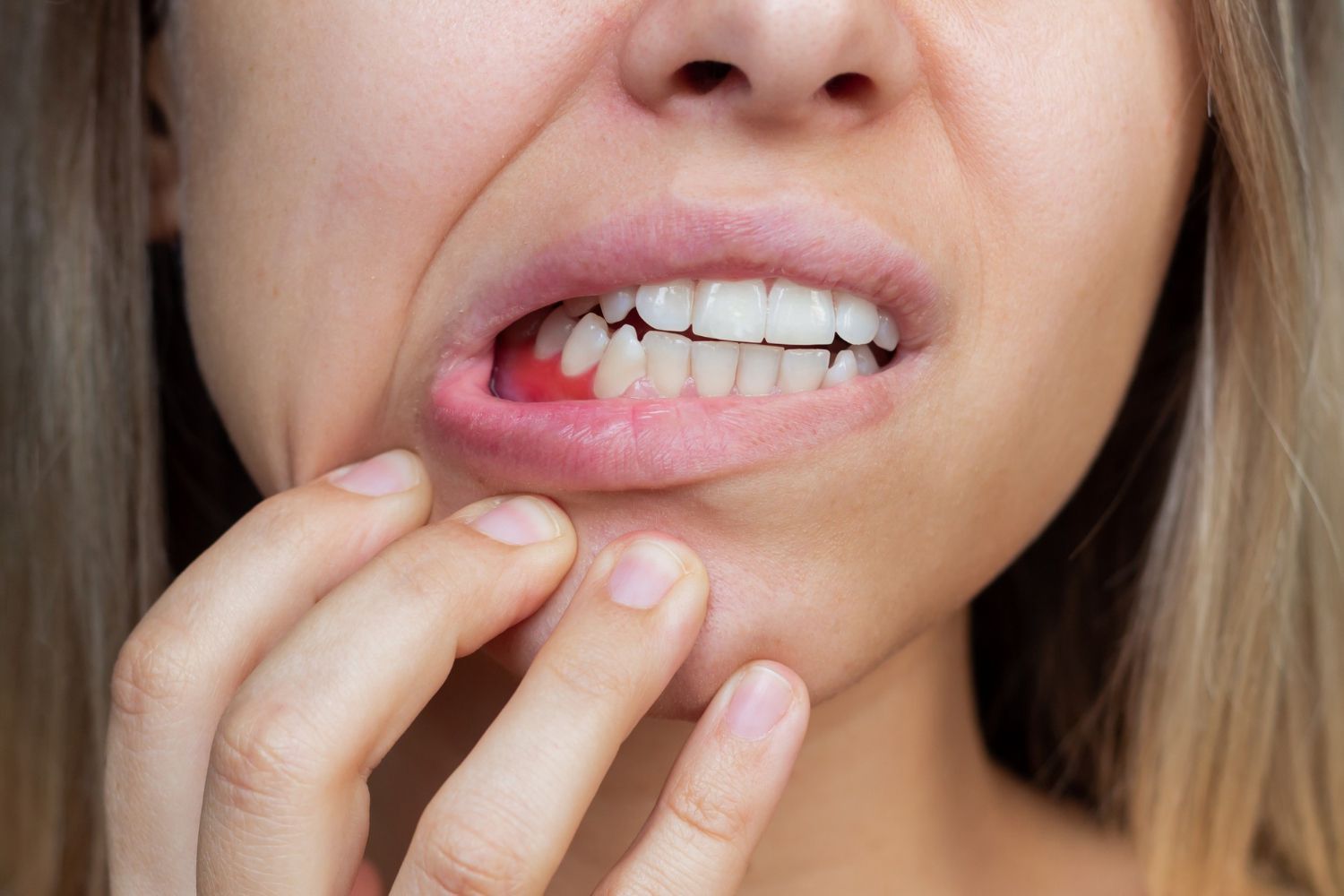
Gingivitis is the earliest stage of gum disease. It develops when plaque accumulates around the gumline and triggers inflammation.
Common symptoms include:
- Bleeding while brushing or flossing
- Red or swollen gums
- Gum tenderness
- Persistent unpleasant breath
At this stage, the supporting bone and periodontal attachment have not been destroyed by the disease.
With effective plaque removal and appropriate professional dental cleaning, gum inflammation can resolve.
Periodontitis: The Stage That Requires Ongoing Management
Periodontitis occurs when inflammation extends deeper into the structures supporting the teeth. It can cause attachment loss, periodontal pocket formation, gum recession, and bone loss.
Unlike gingivitis, periodontitis cannot simply be reversed through brushing or routine cleaning.
However, professional periodontal disease treatment in New York can help control the condition, reduce inflammation, and protect remaining supporting tissues.
Successful treatment may stabilize the disease for years, although ongoing maintenance remains essential.
Can Gingivitis Go Away With Proper Treatment?
Yes, gingivitis can go away when plaque buildup and gum inflammation are addressed before permanent periodontal damage develops. Consistent brushing, daily interdental cleaning, and professional removal of tartar allow gum tissues to recover. However, improvement depends on adequate plaque control and addressing any contributing dental or medical factors.
How to Reverse Early Gum Disease
For patients diagnosed with gingivitis, the following steps support recovery:
- Schedule a dental examination. A dentist can check for inflammation, tartar buildup, and signs of deeper periodontal damage.
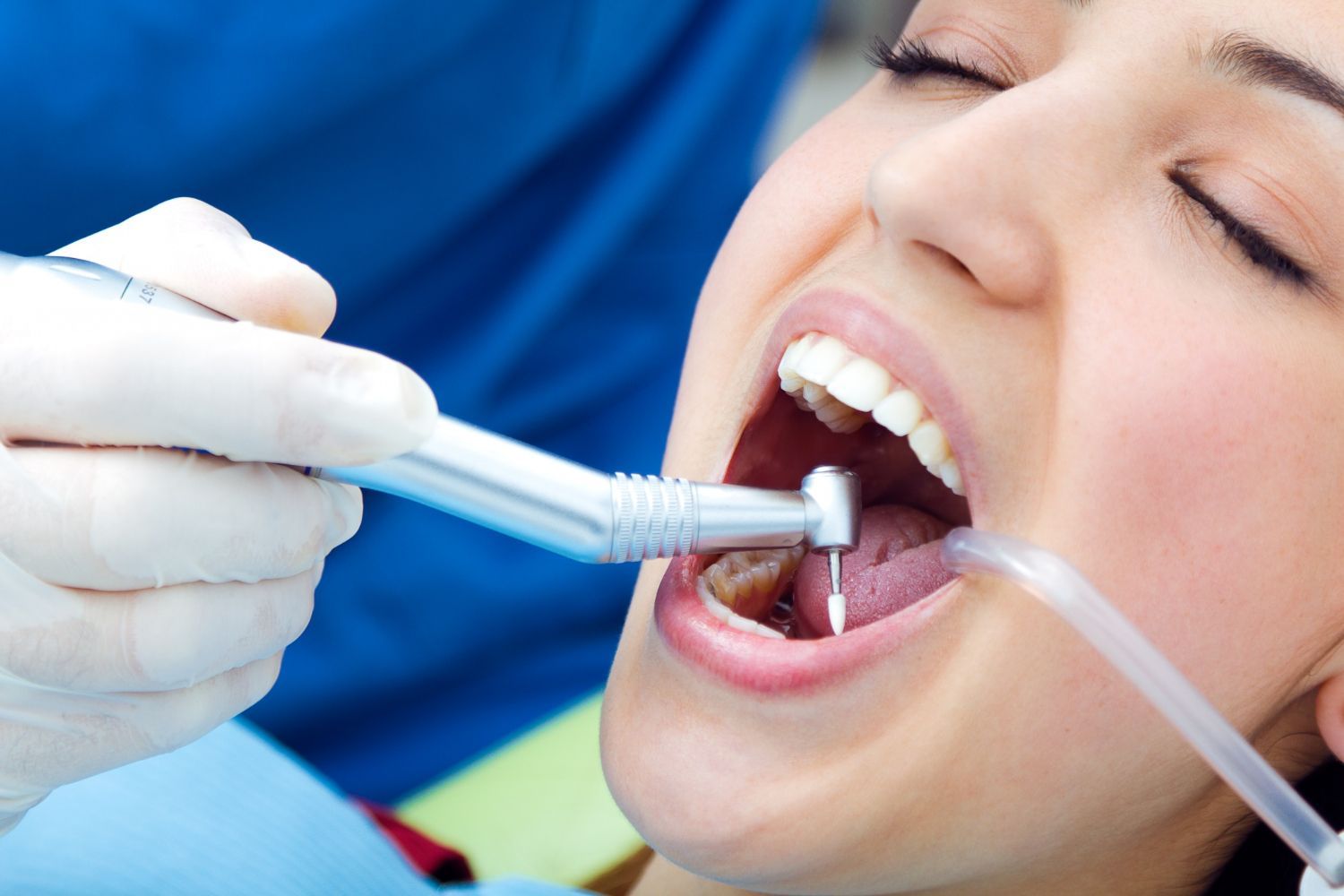
- Receive professional cleaning. Dental professionals remove hardened tartar that brushing and flossing cannot eliminate.
- Brush twice daily. Use fluoride toothpaste and a soft-bristled toothbrush, cleaning gently along the gumline.
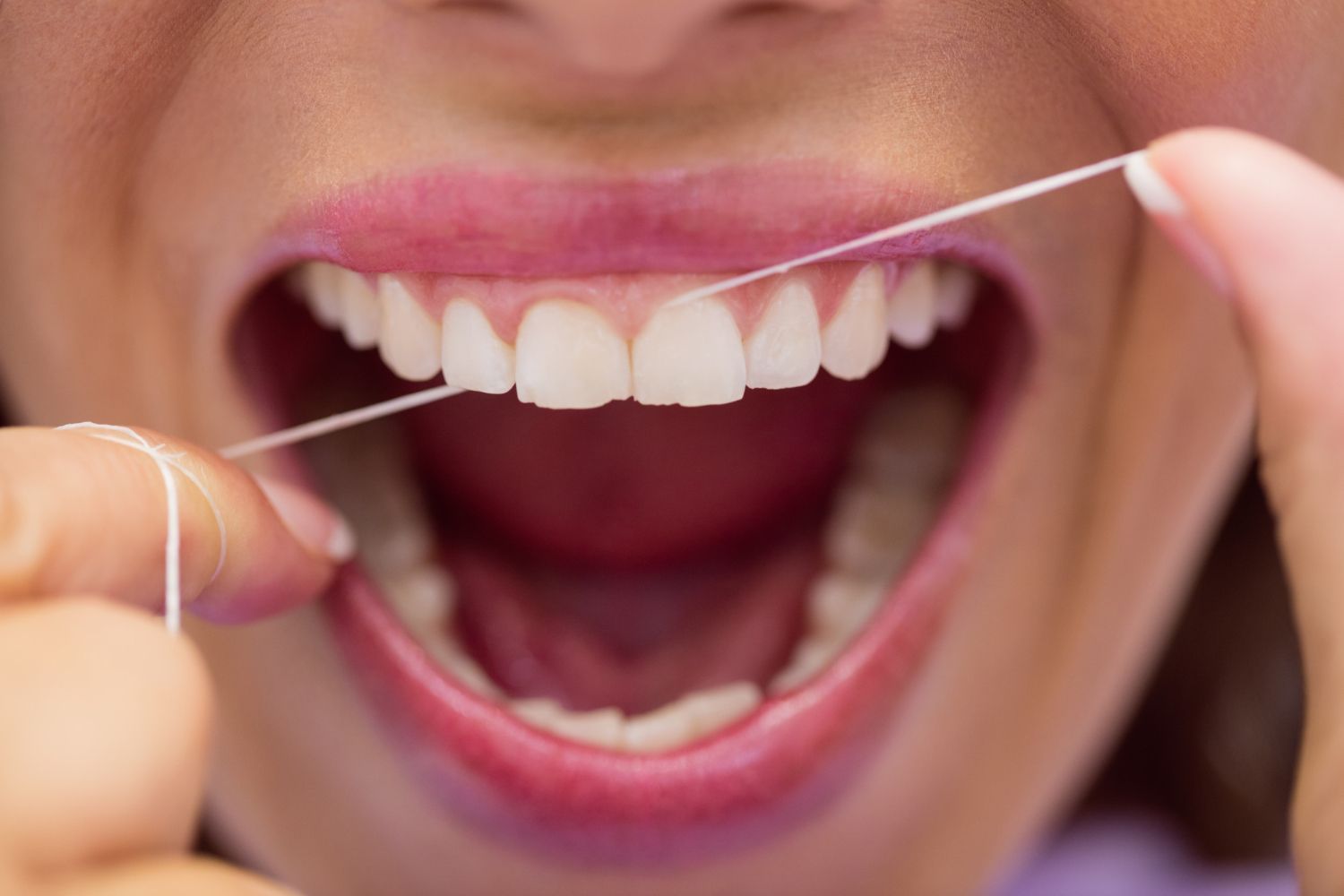
- Clean between your teeth daily. Floss or suitable interdental brushes help remove plaque from difficult-to-reach areas.
- Attend follow-up appointments. Your dentist can confirm whether inflammation has resolved and whether additional care is necessary.
Patients with frequent gum bleeding may benefit from an assessment through InStyle Dental's bleeding gums treatment in New York.
How Long Does Gingivitis Take to Improve?
Mild gingivitis may begin improving within several days of effective plaque control, while more noticeable improvement can take one to two weeks or longer.
This is not a guaranteed healing timeline. Persistent tartar, plaque-retentive dental work, smoking, certain medications, and other health factors can delay recovery.
Bleeding that continues despite improved cleaning habits should be evaluated by a dentist rather than ignored.
Is Periodontitis Reversible With Professional Treatment?
No, periodontitis is not fully reversible because it involves destruction of the attachment and bone supporting the teeth. Professional treatment can reduce inflammation, improve periodontal pocket conditions, and slow or stop additional tissue destruction. In selected cases, regenerative procedures may restore some lost structures, but complete recovery cannot be promised.
Scaling and Root Planing
Scaling and root planing is a common nonsurgical gum disease treatment for periodontitis.
It involves:
- Removing plaque and tartar from below the gumline
- Cleaning affected root surfaces
- Reducing bacterial deposits that contribute to inflammation
- Supporting healing and reattachment of inflamed gum tissues where possible
The American Dental Association recognizes scaling and root planing as an important treatment approach for periodontitis.
American Dental Association
Your dentist may recommend this procedure after assessing periodontal pockets, attachment loss, and X-rays.
Can Lost Gum Tissue and Bone Grow Back?
Lost gum tissue and supporting bone do not typically regenerate completely without specialized intervention.
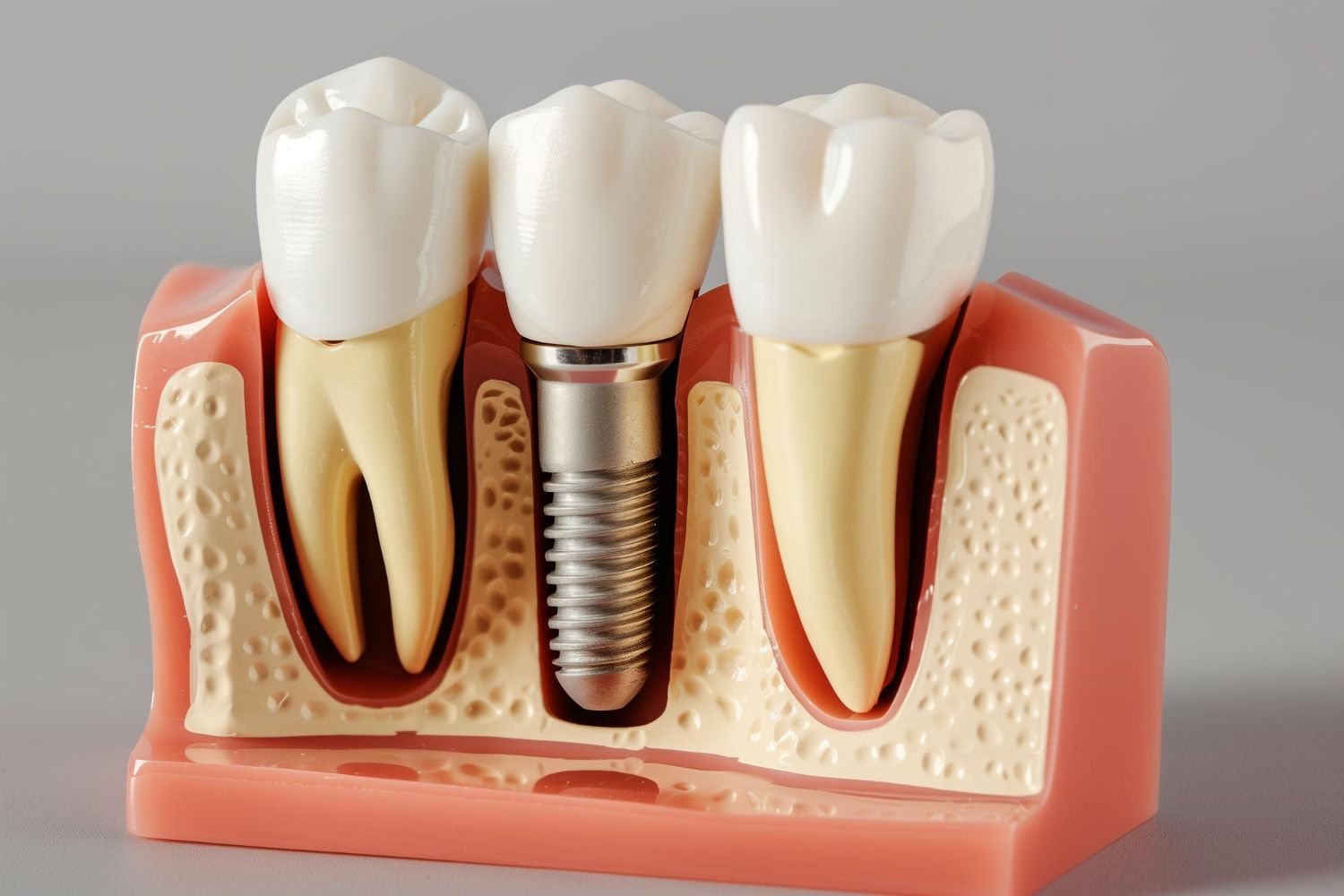
For selected periodontal defects, regenerative procedures such as bone grafting or guided tissue regeneration may help recover some supporting structures.
When clinically appropriate, patients may explore bone grafting treatment in New York. Treatment suitability depends on the type of defect, remaining bone, tooth prognosis, and overall oral health.
Not everyone with periodontitis needs surgery, and regeneration is not possible in every case.
How Do Dentists Determine the Stage of Gum Disease?
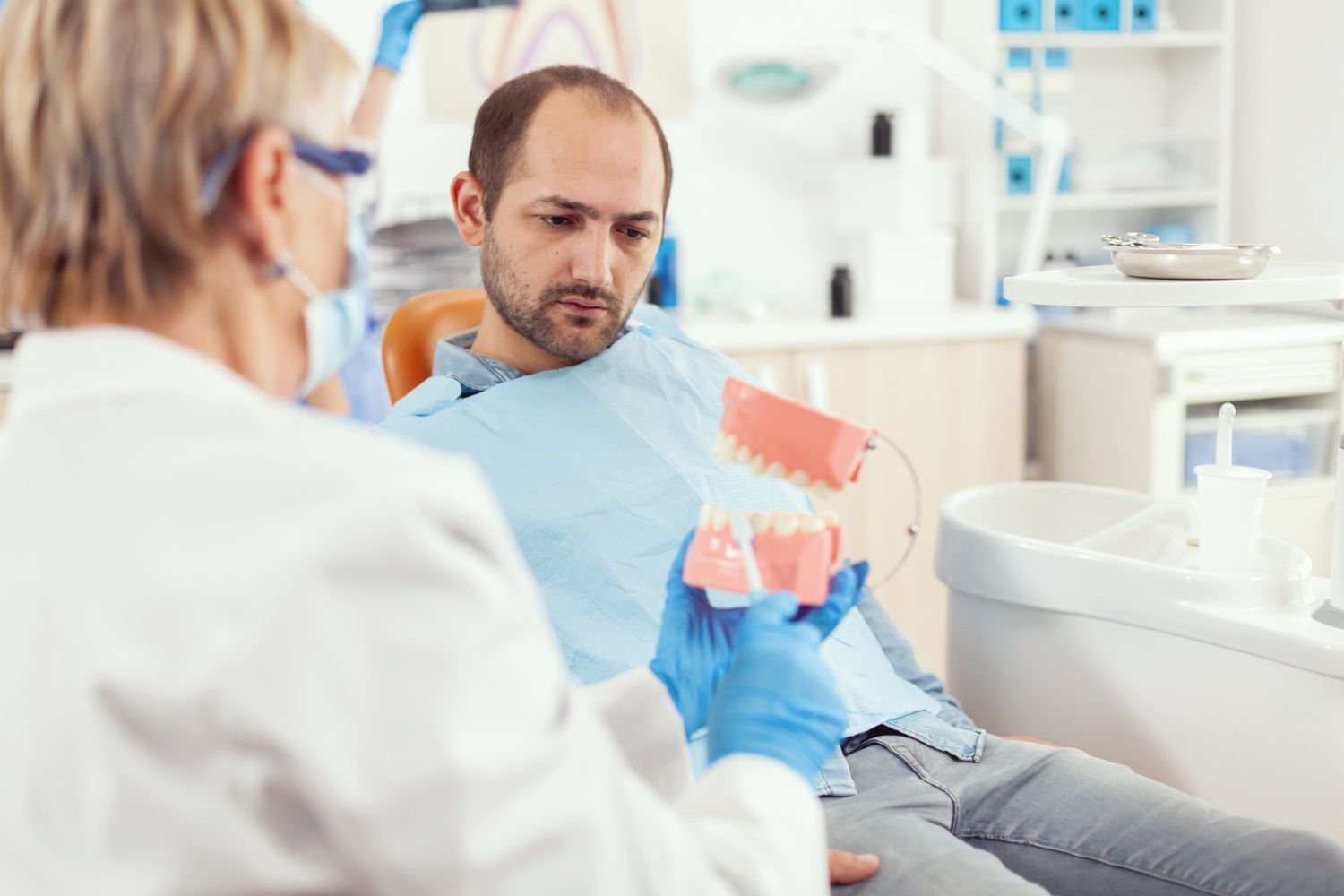
Dentists determine gum disease severity by examining gum inflammation, measuring periodontal pocket depths, assessing clinical attachment loss, and reviewing dental X-rays for supporting bone changes. These findings help distinguish reversible gingivitis from periodontitis and guide treatment planning. Symptoms alone cannot reliably establish the stage or extent of periodontal damage.
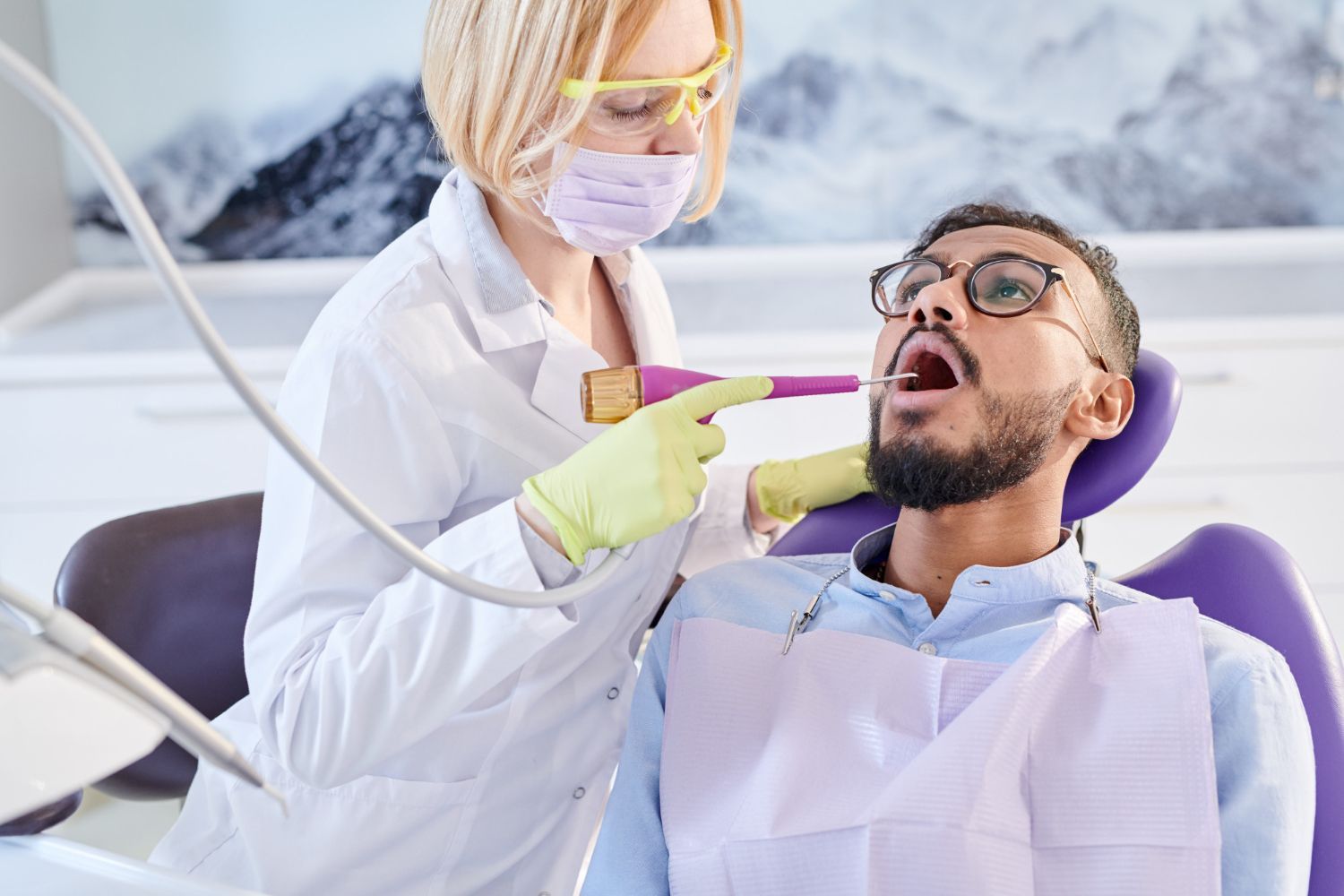
A comprehensive dental examination generally involves:
- Gum examination: Checking for bleeding, swelling, and recession.
- Periodontal probing: Measuring the spaces between teeth and gums.
- Attachment assessment: Identifying loss of periodontal support.
- Dental X-rays: Evaluating bone levels around the teeth.
- Risk assessment: Reviewing smoking habits, diabetes, medications, and oral hygiene.
Periodontal pockets around healthy teeth are commonly about 1–3 millimeters deep. Measurements of 4 millimeters or more may require further evaluation, particularly when accompanied by bleeding, attachment loss, or bone loss.
Pocket depth alone does not determine the diagnosis.
A comprehensive general dentistry examination provides an opportunity to identify gum problems before they cause more extensive damage.
How Can You Keep Gum Disease From Returning?
Preventing gum disease from returning requires consistent daily plaque control and regular professional care. Patients with gingivitis can often maintain healthy gums through effective oral hygiene. Those with periodontitis usually need ongoing periodontal maintenance because successful treatment does not eliminate their underlying susceptibility to future disease.
Daily Habits That Protect Your Gums
A practical gum care routine includes:
- Brush twice a day with fluoride toothpaste.
- Clean between your teeth daily using floss or interdental brushes.
- Use a soft-bristled toothbrush to avoid unnecessary gum irritation.
- Avoid smoking and tobacco products.
- Manage contributing conditions, including diabetes, with appropriate medical care.
- Follow the cleaning and maintenance schedule recommended by your dentist.
For patients who need professional support, regular dental hygiene services in New York can help control plaque and monitor gum health.
Why Periodontal Maintenance Matters
After periodontitis treatment, a dentist may recommend maintenance appointments every three to six months, depending on disease severity and individual risk factors.
These visits help identify recurring inflammation, monitor periodontal pocket depths, and remove bacterial deposits before further damage develops. The American Dental Association emphasizes the importance of ongoing supportive care after periodontal treatment.
American Dental Association
When Should You See a Dentist About Gum Disease?
You should see a dentist when you notice persistent gum bleeding, swelling, recession, or changes in how your teeth feel. These symptoms may indicate gingivitis or more advanced periodontal disease. Early evaluation helps determine the cause, identify any attachment or bone loss, and establish an appropriate treatment plan.
Arrange a dental evaluation if you experience:
- Bleeding gums that persist or repeatedly return
- Swollen or tender gum tissue
- Receding gums or teeth appearing longer
- New spaces developing between teeth
- Teeth becoming loose
- Persistent bad breath despite good oral hygiene
Gum disease is one possible cause of ongoing halitosis, but cavities, dry mouth, and other conditions can also contribute. Patients experiencing both symptoms may benefit from an assessment for bad breath treatment in New York.
Seek urgent dental care for significant swelling, pus, fever, or severe pain. Difficulty breathing or swallowing requires emergency assessment.
Frequently Asked Questions About Reversing Gum Disease
1. Can Gum Disease Be Reversed Without Visiting a Dentist?
Mild gingivitis can sometimes improve with careful brushing and daily interdental cleaning. However, tartar cannot be removed at home, and symptoms alone cannot confirm whether deeper damage has occurred. A professional examination is the safest way to determine whether gum disease is reversible.
2. Can Gingivitis Go Away on Its Own?
Gingivitis may improve when the plaque causing inflammation is consistently removed. However, it should not be ignored or expected to disappear without changes in oral hygiene. Professional cleaning may be necessary, particularly when tartar has accumulated around the gumline.
3. Is Periodontitis Reversible After Scaling and Root Planing?
Scaling and root planing can reduce inflammation, improve periodontal pocket conditions, and help stabilize periodontitis. However, it does not reliably restore all lost bone or periodontal attachment. Patients generally need ongoing maintenance to help prevent recurrence and further tissue destruction.
4. Can You Reverse Gum Disease With Mouthwash?
Mouthwash alone cannot reverse gum disease. Certain antimicrobial rinses may help control plaque or inflammation when recommended by a dental professional, but they do not replace brushing, interdental cleaning, or periodontal treatment. Advanced periodontitis requires professional care.
5. Can Loose Teeth Become Stable Again After Gum Disease Treatment?
Some teeth may become less mobile after inflammation is controlled and supporting tissues heal. However, teeth affected by significant attachment loss or bone loss may remain loose. The prognosis depends on disease severity, remaining support, bite forces, and the response to treatment.
Conclusion: Early Gum Disease Can Be Reversed, but Timing Matters
Gingivitis is reversible when treated early with effective oral hygiene and professional dental care. Periodontitis, however, causes lasting damage to the supporting structures of the teeth. Although that damage cannot always be restored, treatment and ongoing maintenance can help stabilize the condition and preserve natural teeth.
The most important step is identifying the stage of gum disease before further damage occurs.
Concerned About Bleeding Gums or Gum Disease?
At InStyle Dental in Midtown Manhattan, our team provides periodontal evaluations and personalized gum disease treatment to help patients understand their condition and available options.Contact InStyle Dental to schedule a gum health consultation.