Root Canal Recovery: How Long Does Tenderness Usually Last?
Root Canal Recovery: How Long Does Tenderness Usually Last?
How long does root canal recovery take? For most patients, mild soreness and tenderness improve within a few days after treatment. Some sensitivity when biting or chewing may last longer, particularly if the tooth was severely infected before the procedure. Complete healing of the surrounding tissues can take several weeks or longer.
Root canal treatment removes infected or damaged pulp from inside a tooth while preserving its natural structure. Although the procedure addresses the source of infection, the tissues surrounding the tooth still need time to recover.
Understanding what is normal during root canal recovery can help you manage discomfort, protect your treated tooth, and recognize when additional dental care may be necessary.
How Long Does Root Canal Recovery Take?
Root canal recovery time varies depending on the condition of the tooth and the extent of inflammation before treatment. Most people experience noticeable improvement within two to three days, although mild tenderness can continue for a week or longer. Persistent or worsening symptoms deserve professional evaluation.
First 24 Hours: Numbness and Initial Tenderness
During the first day, the local anesthetic gradually wears off, and you may notice mild discomfort around the treated tooth.
Common experiences include:
- Tenderness when biting down.
- Mild soreness around the gums.
- Sensitivity in the surrounding tissues.
- Minor discomfort near the injection site.
Avoid chewing until the numbness has completely disappeared to reduce the risk of accidentally biting your cheek or tongue.
Days 2–3: Gradual Improvement
For many patients, discomfort begins to settle during the next couple of days.
You might still notice slight chewing tenderness, especially when eating firmer foods.
The important sign is improvement. Pain should generally become less noticeable rather than more intense.
Days 4–7: Returning to Normal Activities
By the end of the first week, many patients feel considerably more comfortable.
Some tenderness may remain, especially following treatment of a tooth with significant inflammation or infection.
If discomfort continues without improvement, contact your dentist rather than assuming that persistent pain is part of normal recovery.
Following Weeks: Deeper Tissue Healing
Although symptoms often improve relatively quickly, complete endodontic healing can take considerably longer.
When infection has affected the bone around a tooth's root, the healing process may continue for months and can be monitored through follow-up dental X-rays.
This does not mean you should expect significant pain throughout that period.
Why Does a Tooth Still Hurt After a Root Canal?
Pain after root canal treatment can occur because the tissues surrounding the tooth remain inflamed even after the damaged pulp has been removed. Mild tenderness is generally expected during early recovery, but severe, increasing, or persistent pain may indicate a problem requiring dental evaluation.
Several factors can contribute to postoperative discomfort.
Periapical Inflammation
Periapical inflammation refers to irritation or inflammation in the tissues surrounding the tip of a tooth's root.
Before treatment, an infection may have affected these tissues. Although root canal therapy removes infected material from inside the tooth, the surrounding area needs additional time to heal.
Temporary Filling or Bite Pressure
A temporary filling protects the tooth between appointments or before the final restoration.
If the filling or restoration creates an uneven bite, the treated tooth may experience excessive pressure during chewing.
Contact your dentist if the tooth feels unusually high or makes contact before the surrounding teeth.
Pre-existing Infection
A tooth with an extensive infection may require a longer healing period than one treated before significant inflammation developed.
The recovery experience depends on the original condition of the tooth, the surrounding tissues, and individual healing responses.
If pain becomes difficult to manage, a professional evaluation can help determine whether you need additional tooth pain treatment in New York.
What Helps With Root Canal Recovery and Pain Relief?
Proper root canal aftercare helps reduce unnecessary irritation and protect the treated tooth while surrounding tissues recover. Following your dentist's instructions, maintaining oral hygiene, choosing softer foods, and completing the final restoration are practical ways to support healing after root canal treatment.
Five Steps for a Smoother Recovery
1. Follow your dentist's medication instructions. Over-the-counter pain relievers such as ibuprofen or acetaminophen may help when appropriate for your medical history. Follow the recommended dose and check with your dentist or clinician if you are unsure.
2. Choose softer foods initially. Yogurt, scrambled eggs, mashed potatoes, and soft pasta can reduce chewing pressure while the area remains tender.
3. Avoid chewing on the treated tooth. Until your dentist confirms that the tooth is properly restored, avoid hard or sticky foods that could damage it.
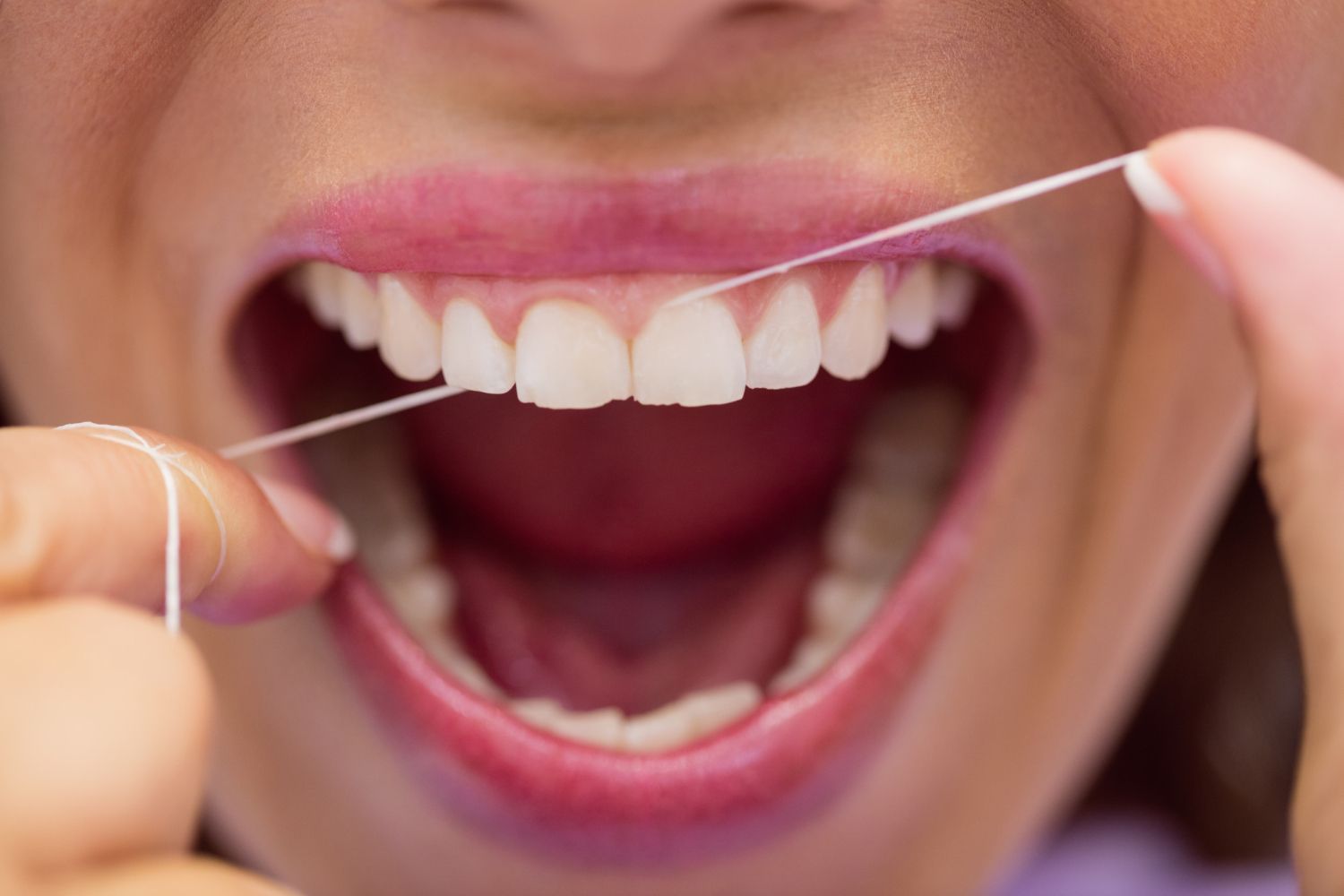
4. Maintain your oral hygiene routine. Continue brushing and flossing gently. Keeping the surrounding gums clean supports overall oral health.
5. Attend your follow-up appointment. Your dentist may need to assess healing, check your bite, or complete crown placement.
Patients receiving root canal treatment in New York City should follow their individualized instructions, especially when treatment involves multiple appointments.
When Is Pain After a Root Canal Not Normal?
Mild tenderness that steadily improves is usually consistent with normal healing after root canal treatment. However, severe pain, increasing swelling, an uneven bite, or symptoms that return after initially improving may indicate complications. These signs should be assessed rather than managed indefinitely at home.
Contact your dentist if you experience:
- Severe or worsening tooth pain.
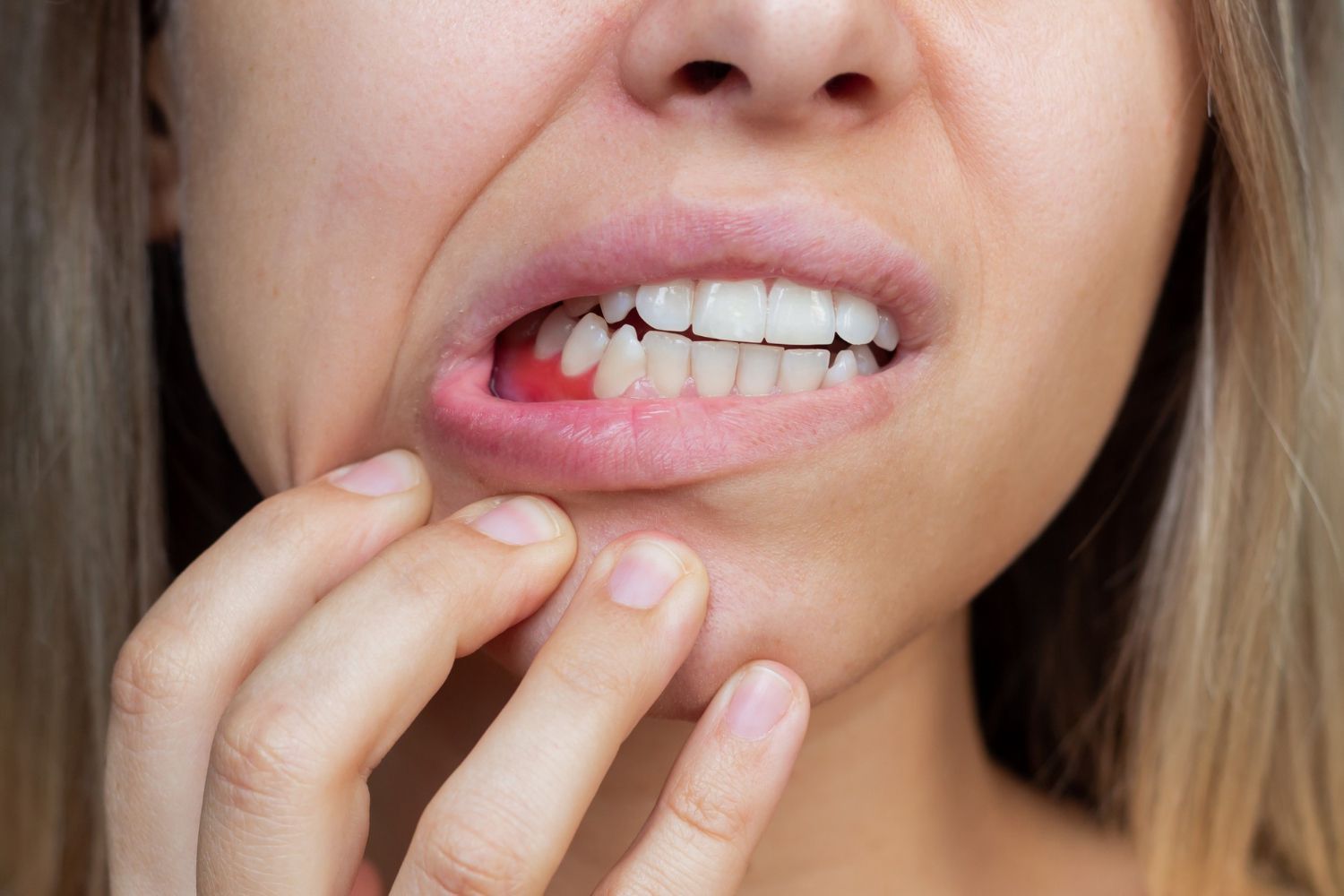
- Swelling that increases instead of improving.
- Persistent discomfort when biting.
- A loose or missing temporary filling.
- Recurring gum swelling or drainage.
- Pain that returns after a period of improvement.
Seek urgent medical attention if swelling affects breathing or swallowing, or spreads rapidly into the face or neck.
Not every symptom means the root canal has failed. Your dentist may identify a bite-related issue, lingering inflammation, a cracked tooth, or an infection that requires further care.
Does Crown Placement Affect Root Canal Recovery Time?
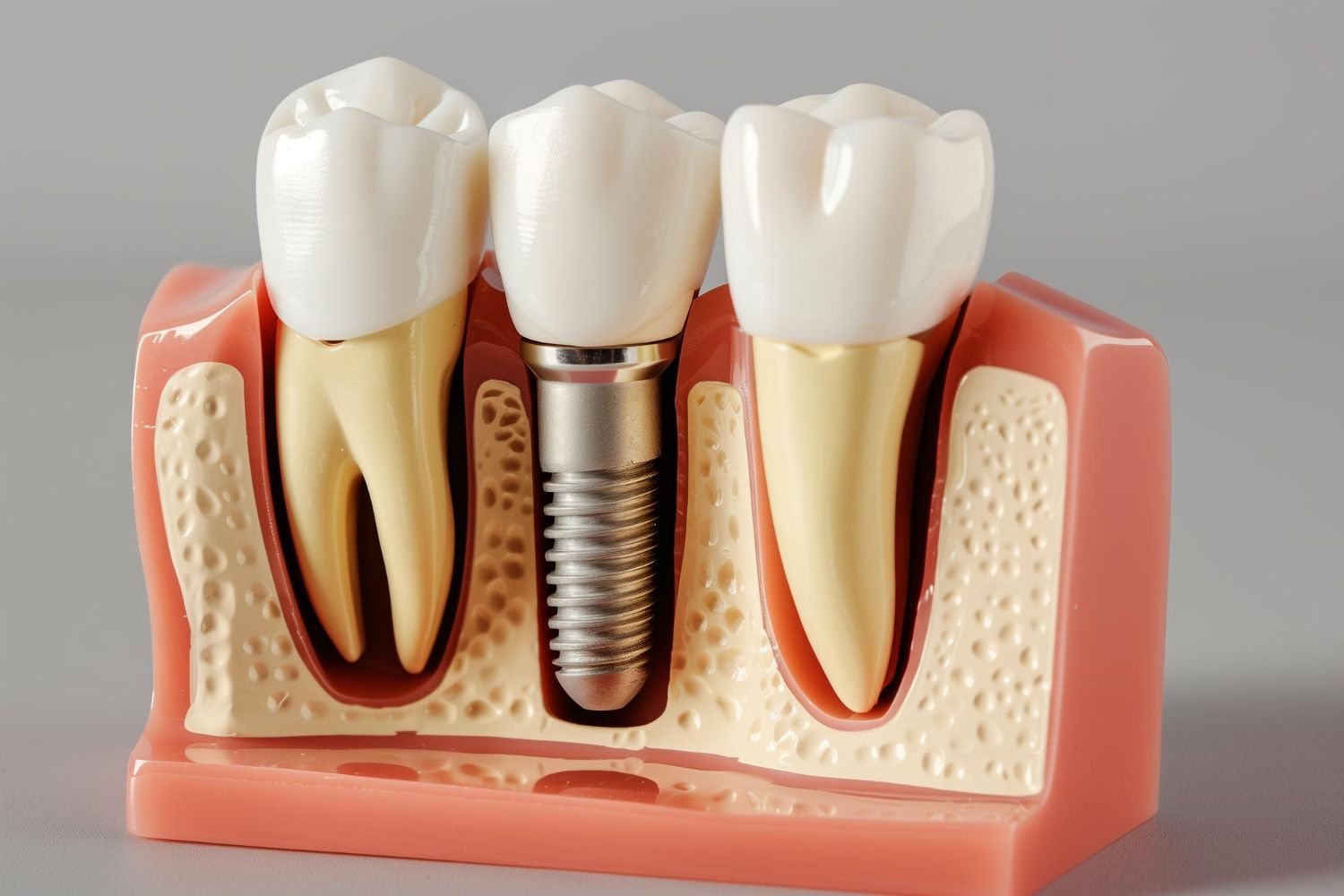
Crown placement is often an important part of restoring a tooth after root canal treatment, particularly when the tooth has lost substantial structure. A crown protects the remaining tooth against fracture and restores chewing function, although the need and timing depend on the tooth's condition.
Root canal therapy treats the inside of the tooth, while the final restoration protects its remaining structure.
Depending on the clinical situation, your dentist may recommend a permanent filling or a dental crown in New York.
A crown is commonly considered for back teeth because they experience greater chewing forces.
Delaying a recommended restoration may increase the risk of tooth fracture or leakage around the temporary filling.
For patients with extensively damaged teeth, restorative dentistry in New York City can help rebuild the tooth and support its long-term function.
What Factors Can Make Root Canal Recovery Take Longer?
Healing after root canal treatment may take longer when the original infection was extensive, surrounding bone was affected, or the tooth requires additional treatment. Individual health factors, tooth anatomy, bite pressure, and the condition of the final restoration can also influence recovery.
Factors that may affect recovery include:
- Severity of infection: Significant inflammation around the root may take longer to resolve.
- Tooth anatomy: Molars often have more complex root canal systems than front teeth.
- Bite alignment: Excess pressure on the treated tooth may contribute to soreness.
- General health: Certain medical conditions and medications may affect healing.
- Restoration status: An unfinished or damaged restoration can expose the tooth to further problems.
Regular general dentistry appointments help your dentist assess the treated tooth alongside your overall oral health.
Frequently Asked Questions About Root Canal Recovery
1. How Long Does Root Canal Recovery Take Before I Can Eat Normally?
Many patients gradually return to comfortable eating within several days, depending on tenderness and the restoration in place. Wait until the anesthetic has worn off, choose softer foods initially, and avoid chewing hard foods on an unrestored tooth until your dentist advises otherwise.
2. Pain After Root Canal: How Long Is Too Long?
Mild pain after a root canal usually improves within a few days, although some tenderness can last longer. If discomfort is not improving, becomes severe, or returns after initially settling, contact your dentist. Persistent pain needs assessment rather than an assumed recovery deadline.
3. Is Chewing Tenderness Normal During Root Canal Recovery?
Yes, mild chewing tenderness can occur because the ligament and surrounding tissues remain sensitive after treatment. It should gradually decrease. If the tooth feels higher than neighboring teeth, or biting causes persistent sharp pain, your dentist should check the bite and restoration.
4. How Long Does Healing After a Root Canal Take if There Was an Infection?
Recovery may take longer when infection has affected the tissues or bone surrounding the root. Symptoms often improve within days or weeks, but radiographic bone healing can continue for months. Follow-up examinations help your dentist determine whether healing is progressing appropriately.
5. Does Root Canal Aftercare Include a Permanent Crown?
Not every root canal-treated tooth needs a crown, but many back teeth and structurally weakened teeth benefit from one. Your dentist will evaluate the remaining tooth structure, bite forces, and fracture risk. Ask about restoration costs when reviewing your root canal cost in NYC.
Conclusion: What to Expect During Root Canal Recovery
Most patients experience improving tenderness within a few days after root canal treatment, although recovery varies with the extent of infection and inflammation.
Gentle oral hygiene, appropriate pain relief, softer foods, and timely final restoration can support a smoother recovery. Most importantly, worsening pain or swelling should never be ignored.
At InStyle Dental Care, our Midtown Manhattan dental team provides root canal treatment and restorative care to help patients address dental pain and preserve their natural teeth.
Still experiencing discomfort after a root canal, or need treatment for an infected tooth? Schedule a dental consultation with InStyle Dental Care to have your symptoms evaluated and discuss the appropriate next steps.