Smile Makeover Options: How Dentists Combine Whitening, Bonding, Veneers and More
Smile Makeover Options: How Dentists Combine Whitening, Bonding, Veneers and More
Smile makeover options include teeth whitening, bonding, veneers, orthodontic alignment, gum contouring, and restorations such as crowns. Dentists may combine these treatments to address tooth color, shape, spacing, damage, or an uneven gumline. The right combination depends on your oral health, bite, preferences, and budget.
A smile makeover is a personalized treatment plan, rather than a standard package. You might need whitening and a small repair, while someone else benefits from alignment before cosmetic work. Understanding what each procedure can—and cannot—change helps you make informed decisions.
What Does a Smile Makeover Involve?
A smile makeover brings together cosmetic dentistry options to improve the appearance of your teeth while respecting their health and function.
Planning starts with your concerns. Are you bothered by discoloration, a chipped edge, crowding, or teeth that appear uneven? Your dentist examines the cause before recommending a solution.
An assessment may include:
- Checking for cavities, gum disease, and existing restorations.
- Evaluating your bite, tooth wear, and grinding habits.
- Reviewing tooth proportions, gum levels, and visible tooth display.
- Taking photographs, scans, or X-rays when clinically appropriate.
- Discussing maintenance, costs, and how much treatment you want.
Patients exploring cosmetic dentistry in New York City can use this consultation to compare approaches before committing to treatment.
Common Smile Makeover Options and Their Limitations
Teeth Whitening: Improving Natural Tooth Color
Teeth whitening can lighten many types of discoloration in natural teeth. It may be a suitable starting point when you are generally happy with their shape and position.
However, whitening does not straighten teeth, repair chips, or change the color of existing crowns, veneers, or fillings. Some discoloration also responds less predictably than others. Temporary sensitivity and gum irritation can occur. American Dental Association
If color is your main concern, discuss professional teeth whitening in New York before considering procedures that remove tooth structure.
Dental Bonding: Repairing Small Chips and Changing Shape
Bonding uses tooth-colored composite resin to repair minor chips, adjust tooth contours, or close selected small gaps. The dentist shapes and polishes the material to blend with the surrounding teeth.
It often preserves more natural tooth structure than porcelain restorations and may be completed in one appointment. However, the material can stain, chip, or require repair over time. Suitability depends on the size of the change and the forces on the tooth. Canadian Dental Association
For a small broken edge, chipped tooth treatment may be more appropriate than placing veneers across several healthy teeth.
Veneers: Changing Color, Shape, and Proportions
Veneers cover the front surfaces of teeth. They may help address persistent discoloration, uneven proportions, selected gaps, or worn edges.
Porcelain veneers generally resist staining and wear better than composite veneers. However, preparation usually involves removing enamel, making treatment irreversible. Veneers can still chip, loosen, or need replacement, and grinding or certain bite problems may affect suitability. mouthhealthy.org
Before choosing dental veneers in New York, ask how much preparation is necessary and whether whitening, bonding, or alignment could meet your goals more conservatively.
Orthodontic Alignment: Moving Teeth Into Position
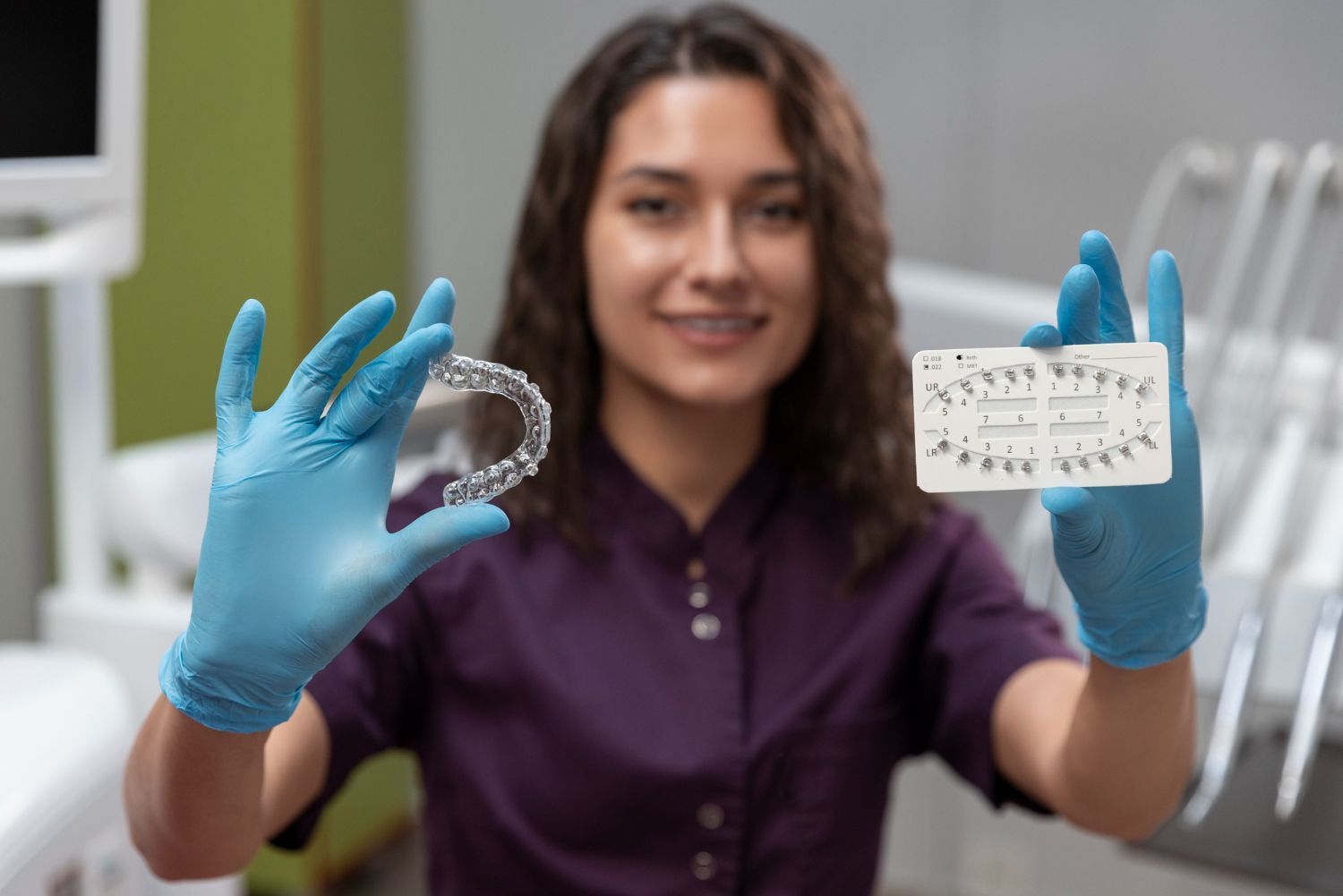
Clear aligners or braces move teeth rather than covering them. They may be appropriate when crowding, spacing, or bite relationships contribute to your concerns.
For example, straightening a rotated tooth first may reduce the amount of reshaping needed later. Alignment also takes time and requires cooperation; removable aligners must be worn as prescribed. Retainers help maintain the result afterward. AAO
An assessment for Invisalign treatment can establish whether clear aligners suit your needs or another orthodontic approach would be preferable.
Gum Contouring: Addressing an Uneven Gumline
Gum contouring changes the tissue surrounding teeth. In selected cases, crown lengthening exposes more tooth structure and may involve adjusting both gum tissue and underlying bone.
It is not appropriate for every “gummy smile.” Tooth position, lip movement, and jaw proportions can also contribute, so identifying the cause matters. Gum recession may require a different approach, such as grafting, rather than further tissue removal. Healing must be considered before final restorations. American Academy of Periodontology
Crowns and Tooth Replacement: Restoring Damaged or Missing Teeth
A crown covers a tooth and may be recommended when substantial damage, a large filling, or other structural concerns make a smaller restoration unsuitable.
Compared with veneers, crowns generally require more tooth preparation. They should have a clear clinical justification rather than being chosen simply to change the color of otherwise healthy teeth. Discuss dental crowns in New York when both appearance and tooth strength need attention. mouthhealthy.org
Missing teeth may require bridges, implants, or dentures. These treatments involve additional planning for the bite, supporting tissues, and cleaning.
How Dentists Combine Smile Makeover Treatments
Treatment sequencing means arranging procedures in an order that supports healing, function, and consistent appearance. The sequence varies, but a plan may follow these stages:
- Stabilize oral health. Treat decay, infection, or gum disease before elective cosmetic work.
- Address alignment and bite concerns. Move teeth when needed before planning their final shape.
- Complete necessary gum treatment. Allow healing before finalizing restoration margins.
- Whiten appropriate natural teeth. Because restorations do not bleach, whitening may precede final shade selection.
- Complete bonding or restorations. Match materials to the agreed tooth color and proportions.
- Plan maintenance. Discuss hygiene, retainers, repairs, and protection from grinding.
Your dentist determines the timing between stages. Finishing quickly is less important than completing treatment in the right order.
Example: Discoloration and One Chipped Tooth
Someone with healthy, well-aligned teeth may choose whitening followed by bonding to repair a small chip. This addresses two concerns without automatically treating every visible tooth.
Example: Crowding and Uneven Tooth Edges
Alignment may come first. Once the teeth are positioned, the dentist can reassess whether whitening or limited bonding is still needed.
These examples illustrate possible approaches, rather than recommendations for every patient with similar concerns.
How to Choose Between Smile Design Options
Smile design considers tooth proportions, gum display, lip movement, and facial aesthetics. Your preferences matter too: some people want subtle changes, while others prefer a more noticeable improvement.
Photographs, digital previews, or temporary mock-ups may help you discuss the proposed result. They support communication but do not guarantee the final appearance.
Ask these questions before deciding:
- What concern does each proposed treatment address?
- Is there an option that preserves more healthy tooth structure?
- Which changes are irreversible?
- What repairs or replacements might be needed later?
- Can treatment be divided into stages?
- What happens if I postpone or decline a procedure?
When comparing costs, request an itemized estimate covering preparation, treatment, follow-up, and foreseeable maintenance. Review dental payment plan information and ask which arrangements apply to your proposed care. Confirm insurance benefits separately.
Frequently Asked Questions About Smile Makeover Options
What are the least invasive smile makeover options?
Whitening and limited additive bonding can be conservative options for suitable patients. The appropriate choice depends on the cause of your concern, existing restorations, and your bite.
Can smile makeover treatments fix crooked teeth without braces?
Bonding or veneers may disguise selected minor irregularities, but they do not move teeth or correct underlying jaw relationships. Orthodontic treatment may be preferable when position or bite is the main issue.
Should teeth whitening happen before bonding or veneers?
Often, yes, if whitening is part of the plan. Existing restorative materials do not whiten, so your dentist may lighten natural teeth first and select the restoration shade afterward. Timing is individualized.
How long do smile makeover treatments take?
Limited bonding or in-office whitening may involve a short course of appointments. Laboratory restorations, gum healing, orthodontics, or implants can extend treatment over months or longer. An examination is needed for a realistic schedule.
How do I maintain the results of cosmetic dentistry?
Brush with fluoride toothpaste, clean between teeth daily, and attend recommended dental visits. Follow instructions for retainers or prescribed protective appliances. Report chips, sensitivity, or bite changes rather than waiting for the problem to worsen.
A Smile Makeover Starts With the Right Plan
The most suitable smile makeover options address your specific concerns while preserving healthy teeth and supporting a comfortable bite. Whitening, bonding, veneers, alignment, and gum treatment serve different purposes; thoughtful planning determines whether to use one procedure or combine several.
Ready to explore your options? Schedule a smile makeover consultation at InStyle Dental Care in Midtown Manhattan to discuss your goals, treatment alternatives, expected timeline, and costs.

What Counts as Restorative Dentistry? Common Restorative Dentistry Procedures and When They Are Used