TMJ Pain When Chewing: Common Causes and When to Get Evaluated
TMJ Pain When Chewing: Common Causes and When to Get Evaluated
TMJ pain when chewing can come from the jaw joint, the muscles used for chewing, or a dental problem such as a cracked or decayed tooth. It is a symptom, not a diagnosis. If the pain keeps returning, limits how far you can open your mouth, or makes eating difficult, arrange an evaluation with a dentist or doctor.
What TMJ pain when chewing can feel like
The temporomandibular joints (TMJs) connect your lower jaw to your skull, just in front of your ears. Temporomandibular disorders (TMDs) affect these joints, nearby tissues, or the masticatory muscles that move the jaw. The terms are related, but TMJ names the joint and TMD describes a group of disorders.
Symptoms may include:
- An ache or tenderness near the jaw joint, cheek, temple, or ear
- Pain that becomes more noticeable when biting, chewing, or yawning
- Jaw stiffness or difficulty opening the mouth fully
- Painful clicking, popping, or grinding
- A jaw that catches or locks
Clicking by itself does not always indicate a problem. Painless jaw sounds are common and generally do not need treatment. Pain, restricted movement, or locking are more useful reasons to seek an assessment.
If you’re comparing symptoms, InStyle Dental’s guides to TMJ and TMD and TMJ disorder symptoms and causes offer related information.
What causes jaw pain when chewing?
Several different conditions can cause jaw pain when chewing. The location and pattern of pain can offer clues, but they cannot confirm the cause on their own.
TMD affecting the joint or chewing muscles
TMD may involve the joint, the muscles around it, or both. In many cases, there is no single clear cause. A jaw injury can contribute, and symptoms may be influenced by several factors. A dentist or doctor should assess persistent symptoms instead of assuming that one specific issue—such as an uneven bite—is responsible. Current evidence does not support the belief that a “bad bite” or orthodontic treatment causes TMD.
Clenching and bruxism
Clenching while awake or grinding teeth during sleep—known as bruxism—can put repeated load on the jaw muscles and teeth. Some people notice soreness on waking, tooth wear, or jaw fatigue. These signs can be useful to mention during an evaluation, but they do not prove that bruxism is the only cause. If you suspect grinding, see a dentist for an assessment or learn about teeth-grinding treatment options.
A dental problem
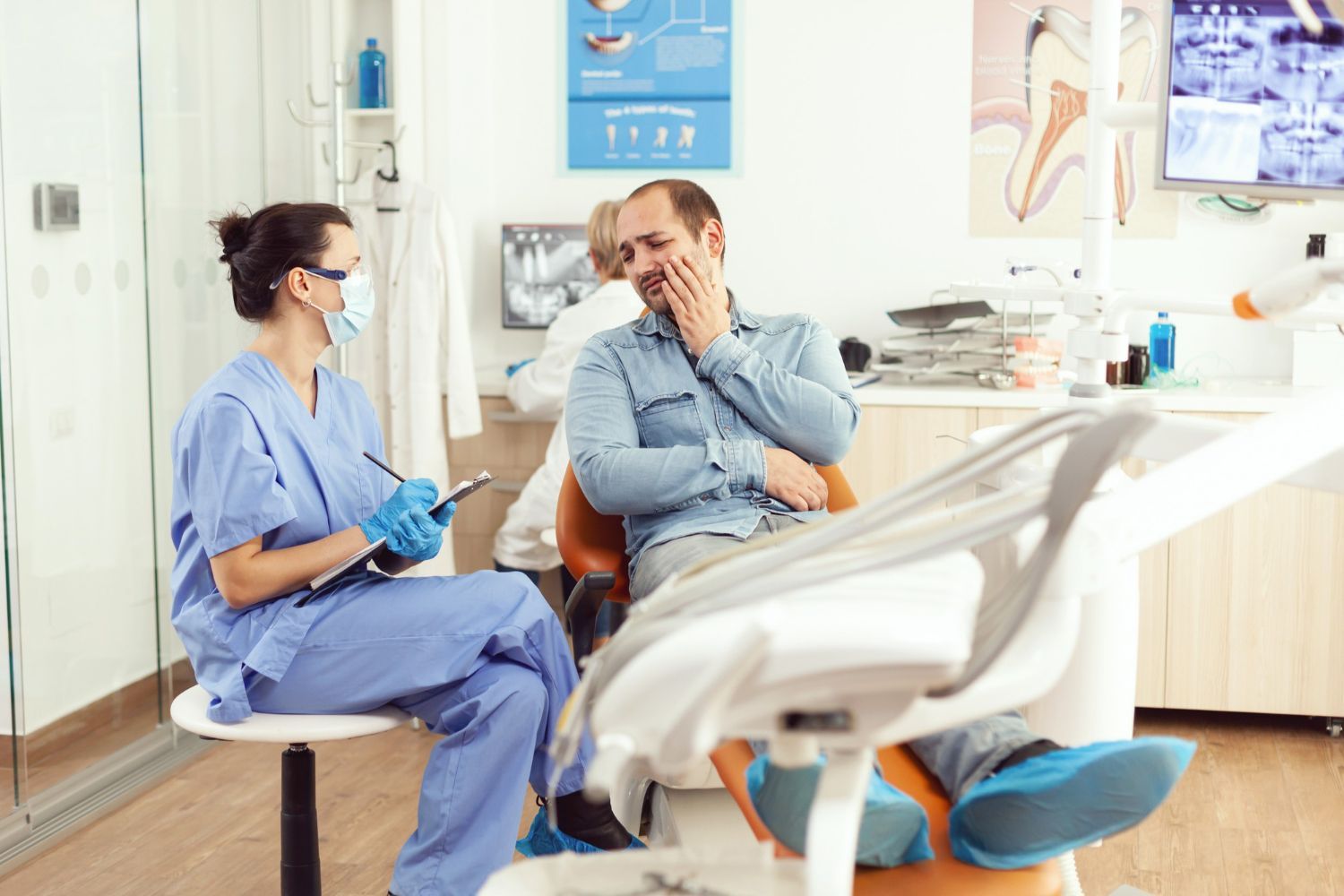
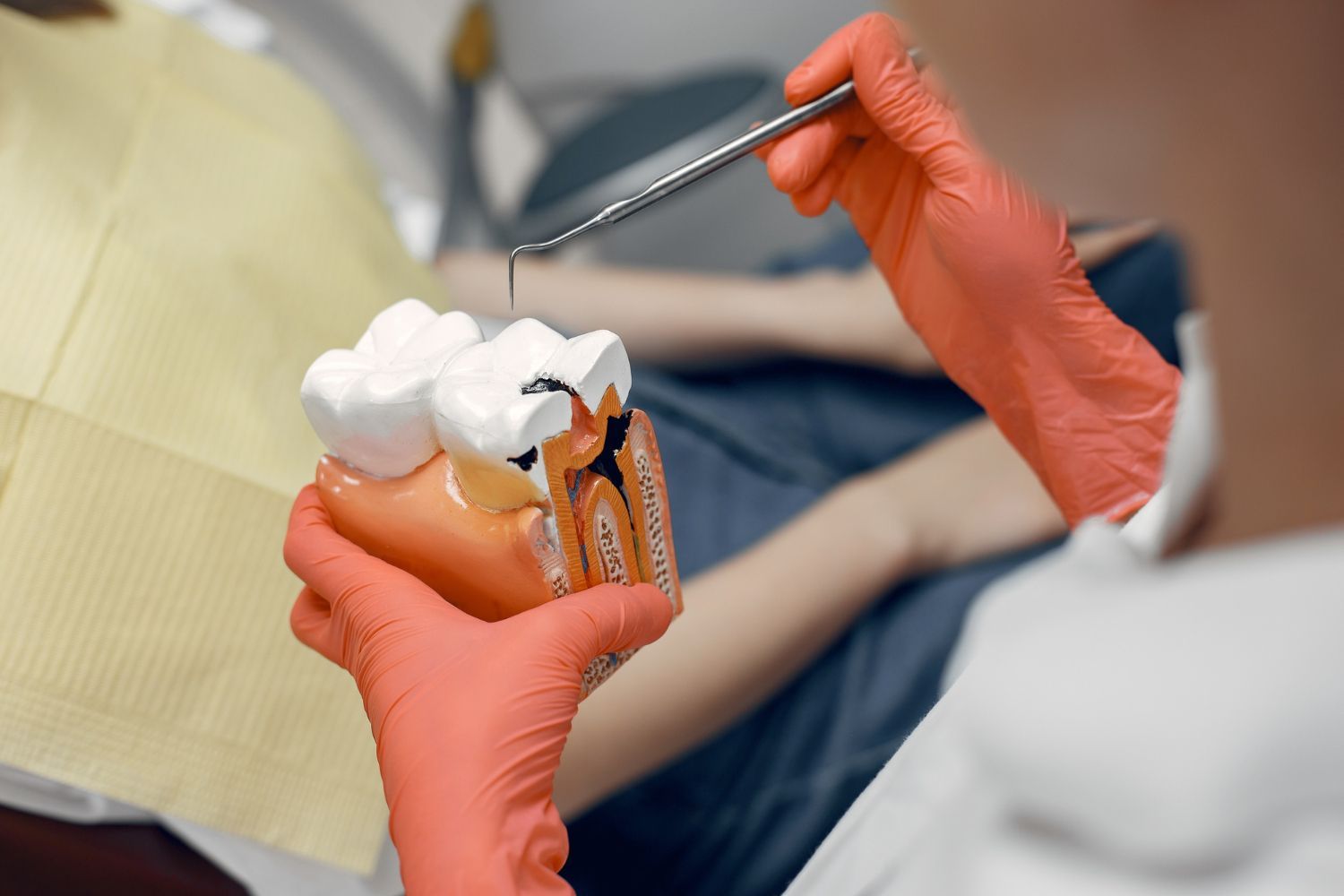
Tooth decay, a cracked tooth, a damaged filling, or infection may hurt when you bite or chew. Pain that seems to come from one tooth should be checked; it may need a dental exam rather than a TMJ-focused treatment. InStyle Dental’s general dentistry services include care for common tooth and oral health concerns.
Injury, strain, or inflammation
A blow to the face, prolonged wide-mouth opening, or repeated habits such as chewing gum may aggravate the joint or muscles. Some joint conditions involve inflammation, but jaw pain alone cannot show whether inflammation is present. Avoid self-diagnosing based on a single symptom.
When should you get evaluated for TMJ pain?
Book a dental or medical appointment if jaw pain persists, keeps returning, worsens, or interferes with eating, speaking, or sleep. Evaluation is especially appropriate if you notice:
- Painful clicking or grinding
- Difficulty opening or closing your mouth
- Repeated catching or locking
- A recent jaw or facial injury
- Tooth pain, sensitivity, swelling, or pain focused around one tooth
If you cannot eat or drink, or your jaw is locked, seek prompt care. Severe swelling that makes it difficult to breathe, swallow, or speak requires emergency medical attention.
For help deciding where to start, explore InStyle Dental’s jaw pain evaluation information for New York or TMJ treatment page.
What happens during a TMD evaluation?
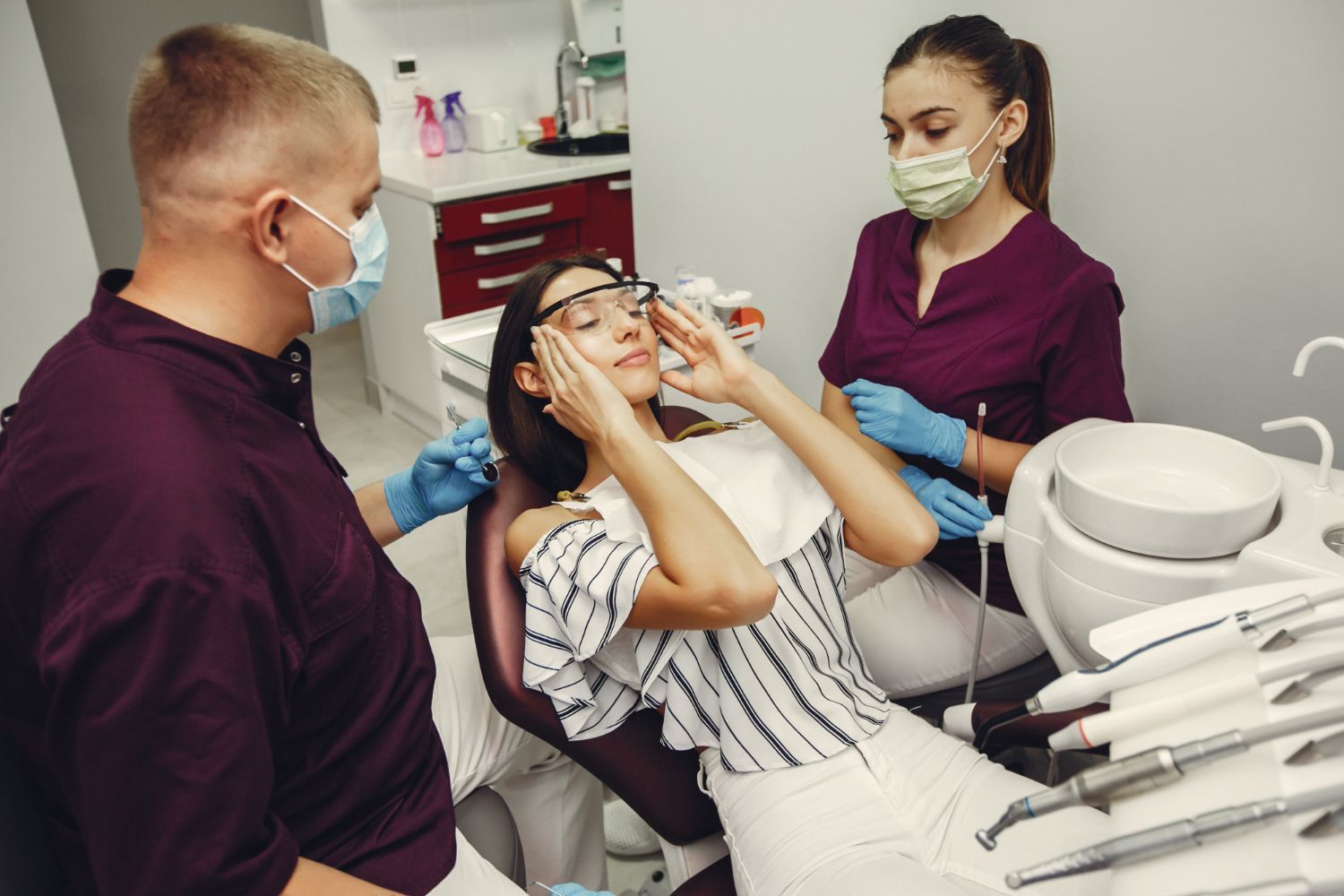
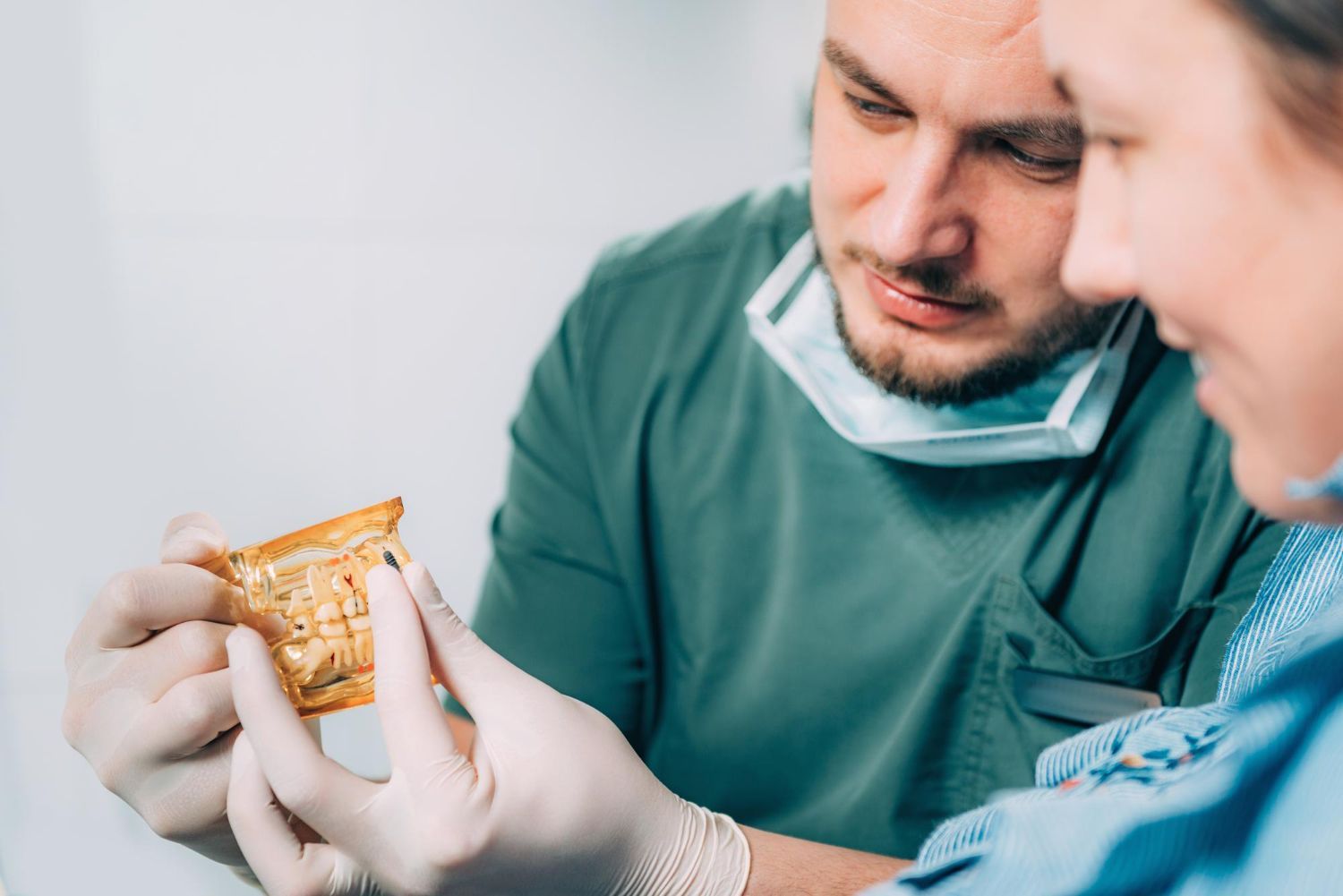
A TMD evaluation usually begins with questions about when the pain started, where it occurs, what makes it better or worse, and whether it spreads to your face, head, or neck. Your clinician may examine jaw movement, tenderness in the joint and muscles, joint sounds, and your teeth to check for other possible causes.
There is no single universally accepted test for every TMD. Imaging, such as an X-ray, MRI, or CT scan, may be considered when the clinician believes it could help clarify the diagnosis. Jaw pain can have causes other than TMD, so an exam may include checking for dental or other conditions.
If you have a routine exam coming up, mention your symptoms and ask whether the visit is suitable for a jaw-pain assessment. InStyle Dental provides information about dental cleanings and exams and its New York dental team.
What can you do while waiting for an appointment?
For mild symptoms, temporary self-care may reduce strain while you monitor how you feel:
- Choose softer foods and cut them into small pieces.
- Avoid gum, very hard or chewy foods, and wide yawning if they trigger pain.
- Try a wrapped warm or cold pack on the area—whichever feels more comfortable.
- Notice and gently reduce daytime clenching; keep your teeth apart when you are not eating.
- Use over-the-counter medication only if it is safe for you and in line with the label or advice from a healthcare professional.
These steps may ease symptoms but do not identify the cause. If pain is getting worse, movement is restricted, or eating remains difficult, arrange an evaluation rather than relying on self-care alone. Conservative approaches are generally considered before treatments that permanently change the teeth, bite, or jaw joint. Discuss potential benefits, risks, and alternatives before agreeing to irreversible treatment.
Frequently asked questions
Can chewing cause TMJ pain?
Chewing can aggravate pain in the jaw joint or chewing muscles, but it can also make a tooth problem more noticeable. The symptom alone does not identify the cause.
Is jaw pain when chewing always TMD?
No. TMD is one possibility, but tooth decay, a cracked tooth, infection, injury, and other conditions can also cause pain during chewing. An examination helps distinguish them.
Why does my TMJ hurt when eating but not at rest?
Chewing places the jaw joint, muscles, and teeth under load. A problem may therefore become noticeable during meals even if the jaw feels comfortable at rest. A clinician can assess whether the source is the joint, muscles, or teeth.
Does painless clicking mean I need treatment?
Usually, painless clicking without restricted movement does not require treatment. If clicking becomes painful or occurs with locking or limited opening, arrange an assessment.
When should I get a TMD evaluation for locking?
Arrange prompt care if the jaw repeatedly locks, you cannot open or close it normally, or the problem prevents eating or drinking. Seek emergency help if significant swelling affects breathing, swallowing, or speaking.
Conclusion
Pain while chewing may involve the jaw joint, masticatory muscles, or teeth; it should not automatically be assumed to be TMD. Mild symptoms may settle with temporary, gentle self-care, but recurring pain, painful clicking, restricted movement, or locking warrants evaluation. For an appointment, contact InStyle Dental in New York.