What Happens at a Routine Dental Checkup? A Step-by-Step Patient Guide
What Happens at a Routine Dental Checkup? A Step-by-Step Patient Guide
A routine dental checkup usually includes a review of your health history, an oral examination, a gum assessment, and—when appropriate—dental X-rays. Your dentist uses these steps to look for concerns such as tooth decay and gum disease, discuss your oral health, and recommend preventive care or treatment if needed. A cleaning may happen at the same appointment, but it is a separate part of the visit.
The exact dental exam process depends on your needs, symptoms, dental history, and risk factors. Here’s what you can generally expect at a dental checkup appointment.
What happens at a routine dental checkup?
1. Your dental and medical history is reviewed
The dental team may ask about changes to your health, medications, allergies, past dental treatment, and any concerns such as tooth sensitivity, pain, bleeding gums, or a dry mouth. Share any changes since your last visit, even if they seem unrelated to your teeth. Some health conditions and medicines can affect oral health or dental treatment.
If you feel nervous about dental care, tell the team before the exam begins. You can also ask what each step involves or request a pause if you need one.
2. Your teeth and mouth are examined
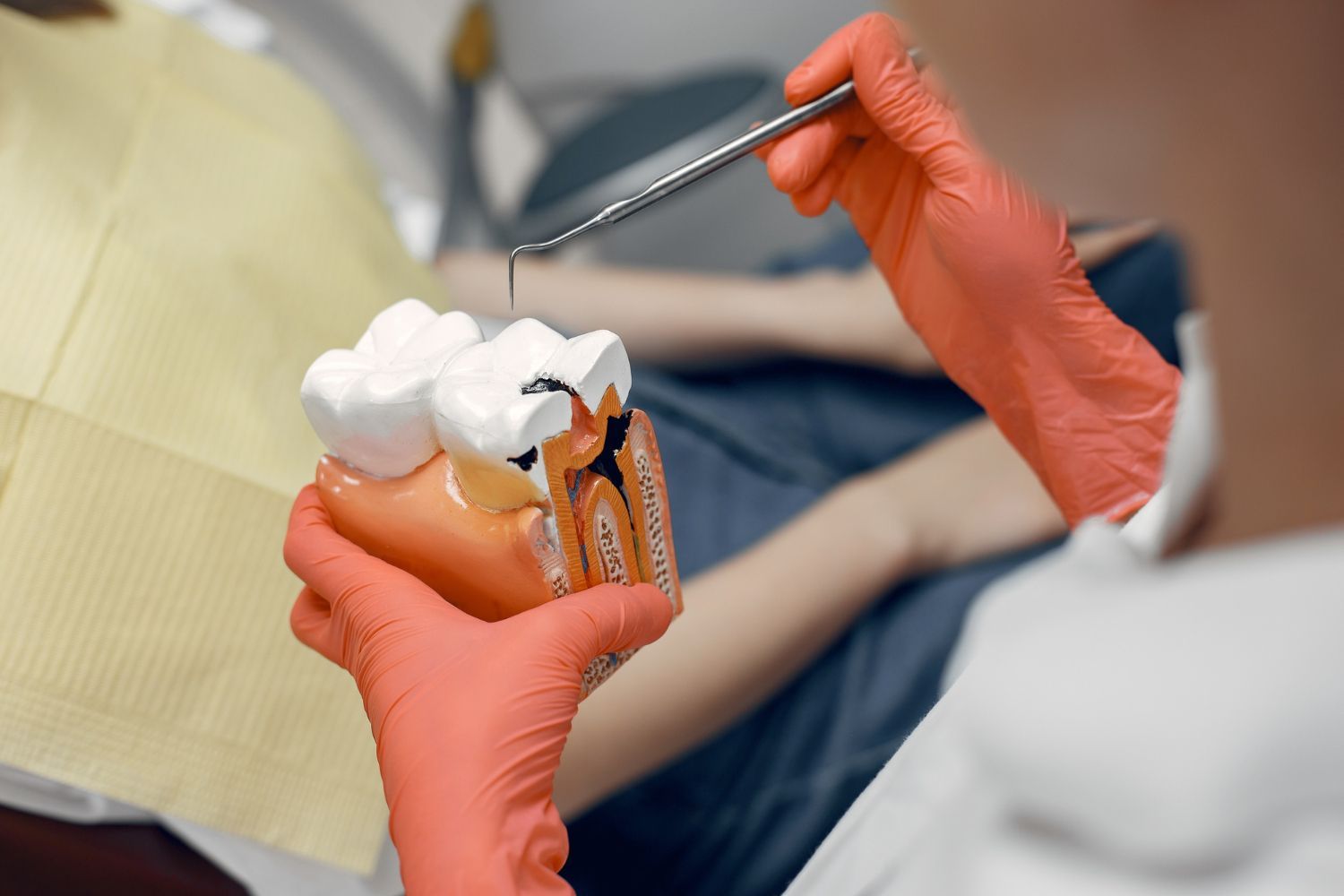
The dentist looks at your teeth, gums, and other visible areas of your mouth. They may check for signs of cavities, worn or damaged teeth, loose fillings, plaque buildup, and changes to the soft tissues. This oral examination helps the dentist decide whether they need more information, such as X-rays, before making a recommendation.
The answer to “what does a dentist check?” is broader than teeth alone. Your dentist may also look at your tongue, cheeks, and the roof and floor of your mouth.
3. Your gums are assessed
A periodontal screening helps the dentist or hygienist assess gum health. They may look for redness, swelling, bleeding, recession, or areas where plaque and tartar have collected. In some cases, they use a small probe to measure the spaces around teeth. These measurements help identify areas that may need closer attention.
Mention gum tenderness or bleeding during brushing, even if it happens occasionally. The exam can help your dental team assess whether it needs follow-up.
4. Your bite and jaw may be checked
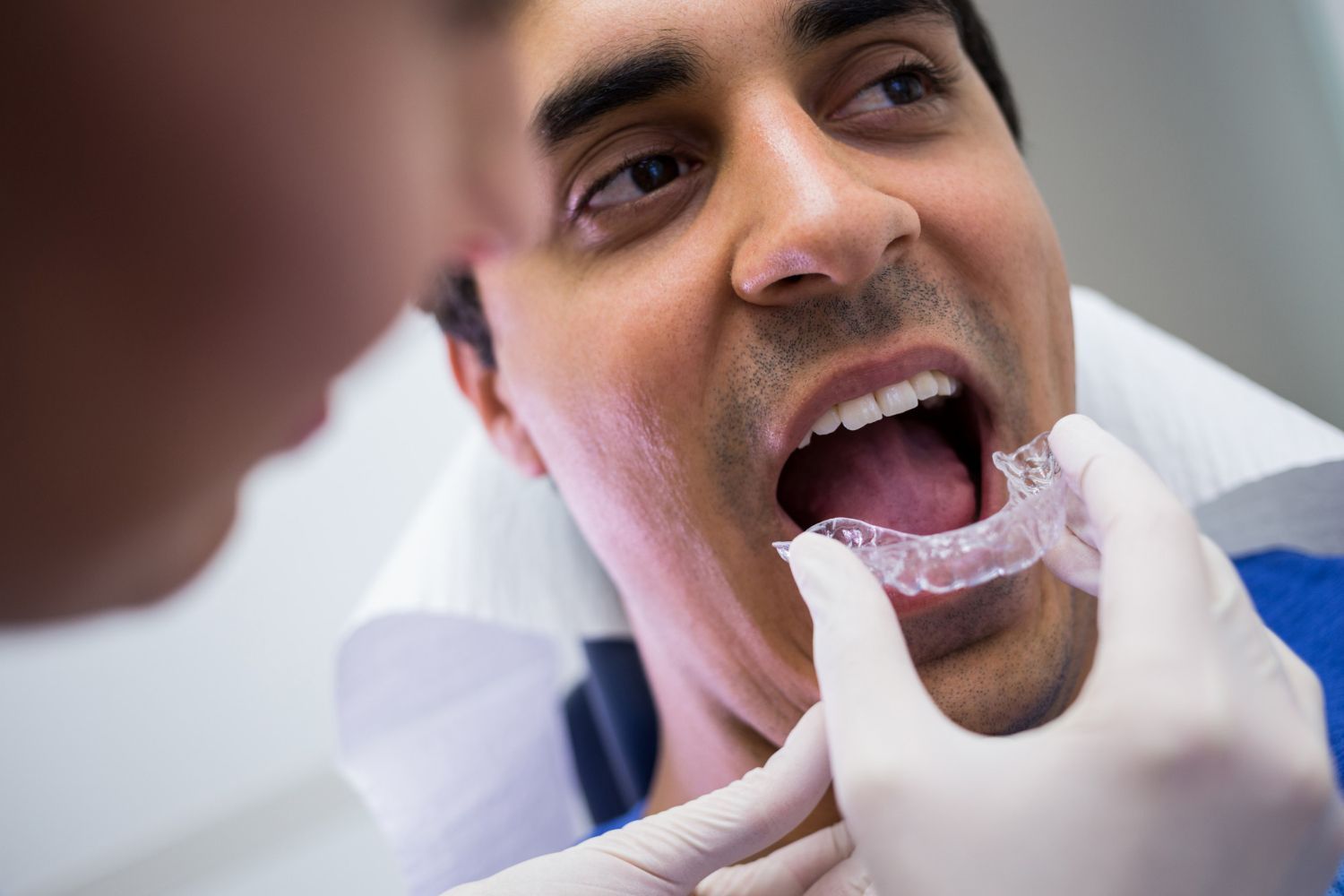
A bite evaluation may include checking how your upper and lower teeth meet, and whether your jaw moves comfortably. Tell your dentist if you have noticed jaw soreness, clicking, difficulty chewing, or teeth that feel like they fit together differently. These symptoms may need assessment, but the checkup alone does not necessarily identify the cause.
5. X-rays are considered when useful
X-rays can show parts of the teeth and supporting structures that cannot be seen during a visual examination. Depending on your situation, they may help with cavity detection between teeth or reveal other changes that need assessment.
X-rays are not automatically required at every appointment. The decision and timing should be based on factors such as your current oral health, symptoms, age, disease risk, and available prior images. You can ask why an image is recommended and how it will inform your care.
6. The dentist may perform an oral cancer screening
During an oral cancer screening, the dentist may visually examine and gently feel areas of your mouth and surrounding tissues for unusual changes. A routine checkup is a practical opportunity to have this examination, but screening is not a diagnosis and cannot guarantee that disease is absent. Tell your dentist about a mouth sore, lump, or other change that persists or concerns you.
7. Cleaning and preventive care are discussed
If a cleaning is part of your visit, a hygienist or dentist may remove plaque and tartar, polish your teeth, and discuss home care. What is recommended can vary: for example, the team might review brushing and interdental cleaning, discuss fluoride, or suggest a different interval for your next visit based on your needs.
A routine checkup and a professional cleaning are related but different. The checkup assesses your oral health; the cleaning removes deposits that home brushing may not remove. Learn more about dental cleanings and exams and dental hygiene in New York.
8. You review findings and next steps
At the end, your dentist should explain what they found and answer your questions. If an area needs follow-up, ask what the concern is, what options are available, and how soon it should be addressed. When treatment is recommended, the dentist can discuss a treatment plan, including the purpose, alternatives, timing, and expected costs.
You can explore general dentistry services and meet the dentist before your visit. For questions about payment, review the practice’s insurance information and payment plans.
How long does a dental checkup take?
The length of an appointment varies with the services scheduled, your dental history, and whether the dentist recommends additional assessment. A visit that includes both an examination and cleaning may take longer than an exam alone. When booking, ask the office how much time to set aside and whether X-rays or a cleaning are planned.
How often should you have a checkup?
There is no single interval that suits everyone. Your dentist can recommend when to return based on your oral health, risk of dental disease, and treatment needs. Some people may need more frequent visits or monitoring; others may be advised to return on a different schedule. Ask your dentist what interval is appropriate for you and why.
How to prepare for your appointment
To help make the appointment useful:
- Bring an up-to-date list of medications and relevant health conditions.
- Note any recent symptoms, when they occur, and what makes them better or worse.
- Share details about previous dental treatment or X-rays, if available.
- Prepare questions about your oral health, recommended care, or costs.
- Tell the dental team if you feel anxious or need help understanding a step.
If you’re choosing a new dentist, you can review the practice’s frequently asked questions and New York dental care information before scheduling.
Frequently asked questions
Does a routine dental checkup include a cleaning?
It may, if a cleaning is scheduled as part of the appointment. The exam and cleaning are separate services: the exam checks your oral health, while the cleaning removes plaque and tartar. Confirm what is included when you book.
Will I need X-rays at every dental checkup?
No. Your dentist should consider your history, current exam, symptoms, and risk factors when deciding whether X-rays are needed and how often. Ask how the images will help assess your specific situation.
Does a dental exam hurt?
A routine examination is generally a visual and hands-on assessment, but you may feel pressure or brief sensitivity in some areas. Tell your dentist if anything feels uncomfortable so they can explain or adjust what they are doing.
Can a checkup find cavities before I feel pain?
An exam may identify signs of decay, and X-rays may help assess areas that are difficult to see directly. However, no single checkup can guarantee that every problem will be detected. If you have pain or sensitivity, describe it even if it is not present during the visit.
What if the dentist finds a problem?
The dentist should explain the finding and discuss whether it needs treatment, monitoring, or further evaluation. Ask about the reason for the recommendation, possible options, timing, and cost before deciding on next steps.
Conclusion
A routine dental checkup typically involves reviewing your health history, examining your teeth and gums, considering X-rays when appropriate, and discussing any findings or preventive care. The steps and return schedule vary by patient, so ask your dentist to explain recommendations in the context of your needs.
Ready to plan your visit? Contact Instyle Dental Care to schedule a dental checkup.