Types of Crooked Teeth: What Type Do You Have? Common Alignment Problems Explained
Types of Crooked Teeth: What Type Do You Have? Common Alignment Problems Explained
The main types of crooked teeth include crowded teeth, rotated teeth, overlapping teeth, protruding teeth, and individual teeth that sit too far forward, backward, or outside the normal dental arch. Some people have only one crooked front tooth, while others have several misaligned teeth combined with a bite problem such as an overbite, crossbite, underbite, or open bite.
Dentists use the broader term malocclusion when the upper and lower teeth do not fit together properly when you bite. Crooked teeth and malocclusion can occur together, but they are not exactly the same problem.
Identifying your specific alignment pattern is important because treatment depends on more than how your smile looks. Available arch space, tooth position, bite alignment, gum health, and the severity of the problem all influence the treatment plan.
If you are concerned about your alignment, a professional assessment for crooked teeth treatment in New York can determine which type of misalignment you have and what treatment options may be appropriate.
Quick Answer: What Are the Main Types of Crooked Teeth?
Here is a simple overview:
Alignment problemWhat it usually looks likeMain issueCrowded teethTeeth compete for limited spaceInsufficient arch spaceRotated teethA tooth turns around its normal positionTooth rotationOverlapping teethOne tooth partially covers anotherCrowding or abnormal positioningCrooked front teethOne or more front teeth sit unevenlyLocalized alignmentProtruding teethTeeth project farther forwardTooth or bite positionImpacted teethA tooth cannot erupt normallyLack of space or eruption obstructionGeneral misalignmentSeveral teeth sit outside the ideal archMultiple positioning problems
A person can have more than one of these at the same time.
For example, limited arch space can result in both dental crowding and tooth rotation.
1. Crowded Teeth
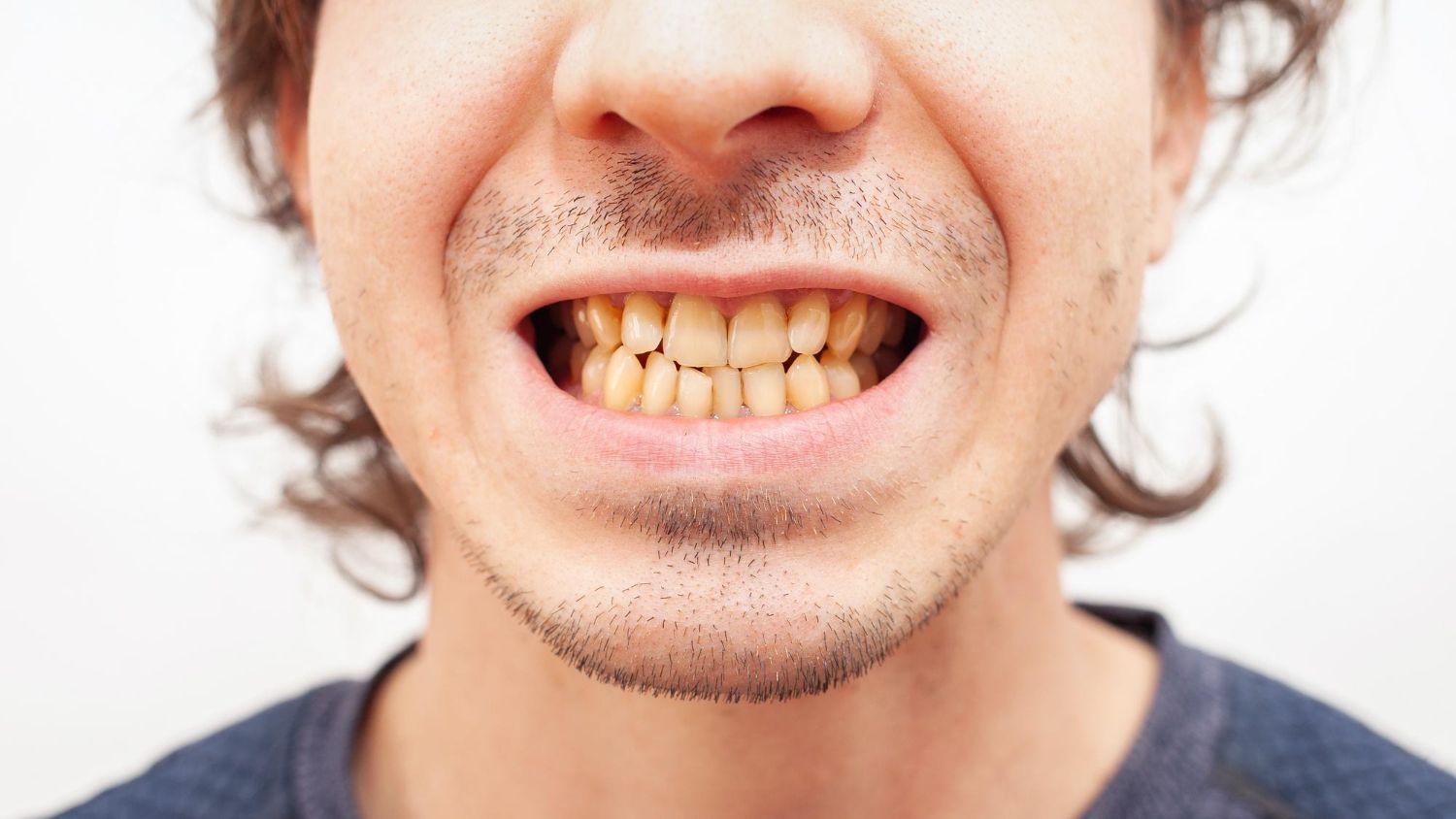
Crowded teeth occur when there is not enough room in the dental arch for all of the teeth to sit in their ideal positions.
When space is limited, teeth may:
- Turn sideways
- Move forward or backward
- Overlap neighboring teeth
- Erupt outside the normal dental arch
Crowding can be mild and affect only a few teeth, or it can involve much of the upper or lower arch.
Cleveland Clinic identifies crowding as a common orthodontic problem and notes that crowded teeth may overlap when insufficient space is available.
What causes dental crowding?
Several factors can contribute, including:
- Jaw and tooth-size relationships
- Genetics
- Early or delayed tooth loss
- Impacted or improperly erupting teeth
- Changes in tooth position over time
The amount of available arch space is an important part of an orthodontic assessment.
Crowding may also make some areas more difficult to brush and floss effectively because adjacent or overlapping surfaces can be harder to reach.
Maintaining regular dental cleaning and exams is especially important when alignment makes daily cleaning more difficult.
2. Rotated Teeth
A rotated tooth has turned around its normal position rather than facing the direction expected within the dental arch.
Rotation may be slight or pronounced.
For example, a front tooth might appear angled when viewed from the front, while a premolar may be visibly turned within the arch.
Tooth rotation often develops when there is insufficient space for the tooth to erupt or remain in its normal position.
Is a rotated tooth the same as a crooked tooth?
A rotated tooth is one specific type of crooked or misaligned tooth.
“Crooked teeth” is a broad description. Tooth rotation identifies the actual positional problem.
This distinction matters when treatment is being planned because moving a rotated tooth requires controlled orthodontic movement, not simply shifting the tooth sideways.
Clear aligners and braces are among the orthodontic methods used to correct rotated, crowded, gapped, and other misaligned teeth, depending on the individual case.
Patients interested in a discreet orthodontic option can learn more about Invisalign treatment.
3. Overlapping Teeth
Overlapping teeth occur when one tooth sits partially in front of or behind another.
Overlap is often related to crowding, although tooth eruption patterns and individual tooth positions can also contribute.
Common examples include:
- A lateral incisor positioned behind a front tooth
- Lower front teeth overlapping each other
- A canine erupting outside the normal arch
- One front tooth partially covering the neighboring tooth
Crowded and overlapping teeth are recognized orthodontic alignment problems.
Why does overlap matter?
The cosmetic appearance is usually the first thing people notice, but overlap may have practical implications too.
Closely positioned teeth can make certain areas harder to clean. Depending on the bite, unusual tooth contacts can also contribute to uneven enamel wear.
That does not mean every overlapping tooth automatically needs treatment. Severity, oral health, bite function, and the patient's goals all matter.
A comprehensive general dentistry evaluation can help identify whether the issue is primarily cosmetic or is affecting oral health or function.
4. Crooked Front Teeth
Some people have generally straight teeth but one or two crooked front teeth.
A front tooth might:
- Sit slightly behind neighboring teeth
- Project forward
- Rotate
- Overlap another incisor
- Tilt toward a neighboring tooth
- Sit outside the ideal arch
Because front teeth are highly visible, even relatively small alignment differences can noticeably affect the appearance of the smile.
However, appearance alone does not show how simple or complex treatment will be.
Why can one crooked tooth be more complicated than it looks?
Moving one tooth requires considering the teeth around it.
A dentist or orthodontic provider needs to evaluate:
- Whether enough space exists
- Root position
- Neighboring tooth positions
- Bite relationships
- Gum and bone health
- Whether additional teeth need movement
This is why treating a single crooked tooth should begin with an orthodontic assessment rather than choosing a treatment solely from photographs.
For patients mainly concerned with smile appearance, cosmetic dentistry may also be discussed alongside orthodontic options when appropriate.
5. Protruding Teeth
Protruding teeth sit farther forward than expected.
When the upper front teeth project horizontally beyond the lower teeth, the condition may be described as overjet.
Overjet is different from overbite:
- Overjet describes excessive horizontal projection.
- Overbite describes excessive vertical overlap.
They are both forms of malocclusion rather than simply descriptions of individual crooked teeth.
This distinction is important because a person who thinks they simply have “crooked front teeth” may actually have a broader bite-alignment problem.
6. Teeth Positioned Outside the Dental Arch
Sometimes a tooth erupts toward the cheek, lips, tongue, or palate rather than within the normal dental arch.
This often happens when there is insufficient room for eruption.
Canines are a familiar example because they may emerge above or outside neighboring teeth when available space is limited.
The treatment question then becomes more than:
How do we straighten this tooth?
The provider also needs to determine:
Where will the space come from to position it correctly?
That can involve evaluating the entire arch rather than focusing only on the visibly crooked tooth.
7. Impacted Teeth
An impacted tooth is one that does not fully emerge into its normal position.
Crowding can sometimes contribute by preventing normal eruption. Dental X-rays may be needed to determine where an impacted tooth sits and how it relates to nearby roots and bone.
Impacted teeth are different from ordinary rotated or overlapping teeth because part or all of the tooth may remain beneath the gum or within the jaw.
Treatment depends heavily on which tooth is involved and its position.
Cases involving missing, damaged, or significantly compromised teeth may also require coordination between orthodontic and restorative dentistry planning.
Crooked Teeth vs Malocclusion: What Is the Difference?
These terms are related but should not be used interchangeably.
Crooked or misaligned teeth describe individual teeth that are not positioned ideally.
Malocclusion describes how the upper and lower teeth fit together when the mouth closes.
Common malocclusions include:
- Overbite
- Underbite
- Crossbite
- Open bite
- Overjet
A patient can have straight-looking front teeth and still have malocclusion.
Likewise, someone can have a rotated tooth without having a severe bite problem.
Cleveland Clinic defines malocclusion as improper alignment between the upper and lower teeth and notes that crooked or crowded teeth may contribute to it.
Can Crooked Teeth Cause Problems Beyond Appearance?
They can in some cases, although the impact varies greatly from person to person.
Potential considerations include:
- Difficulty cleaning crowded areas
- Unusual tooth contacts
- Excessive or uneven enamel wear
- Difficulty biting or chewing in some malocclusions
- Gum irritation in certain positions
- Increased food trapping
- Cosmetic concerns
Severe malocclusion can sometimes contribute to chewing difficulties, tooth erosion, gum problems, or jaw discomfort.
This does not mean that every minor crooked tooth will cause dental disease.
An examination is necessary to distinguish a cosmetic irregularity from an alignment problem that affects function or oral health.
If it has been some time since your last evaluation, scheduling with a dentist in New York allows your teeth, gums, and bite to be assessed together.
How Are Different Types of Crooked Teeth Treated?
Treatment depends on the pattern and severity of misalignment.
Common approaches may include:
Clear aligners
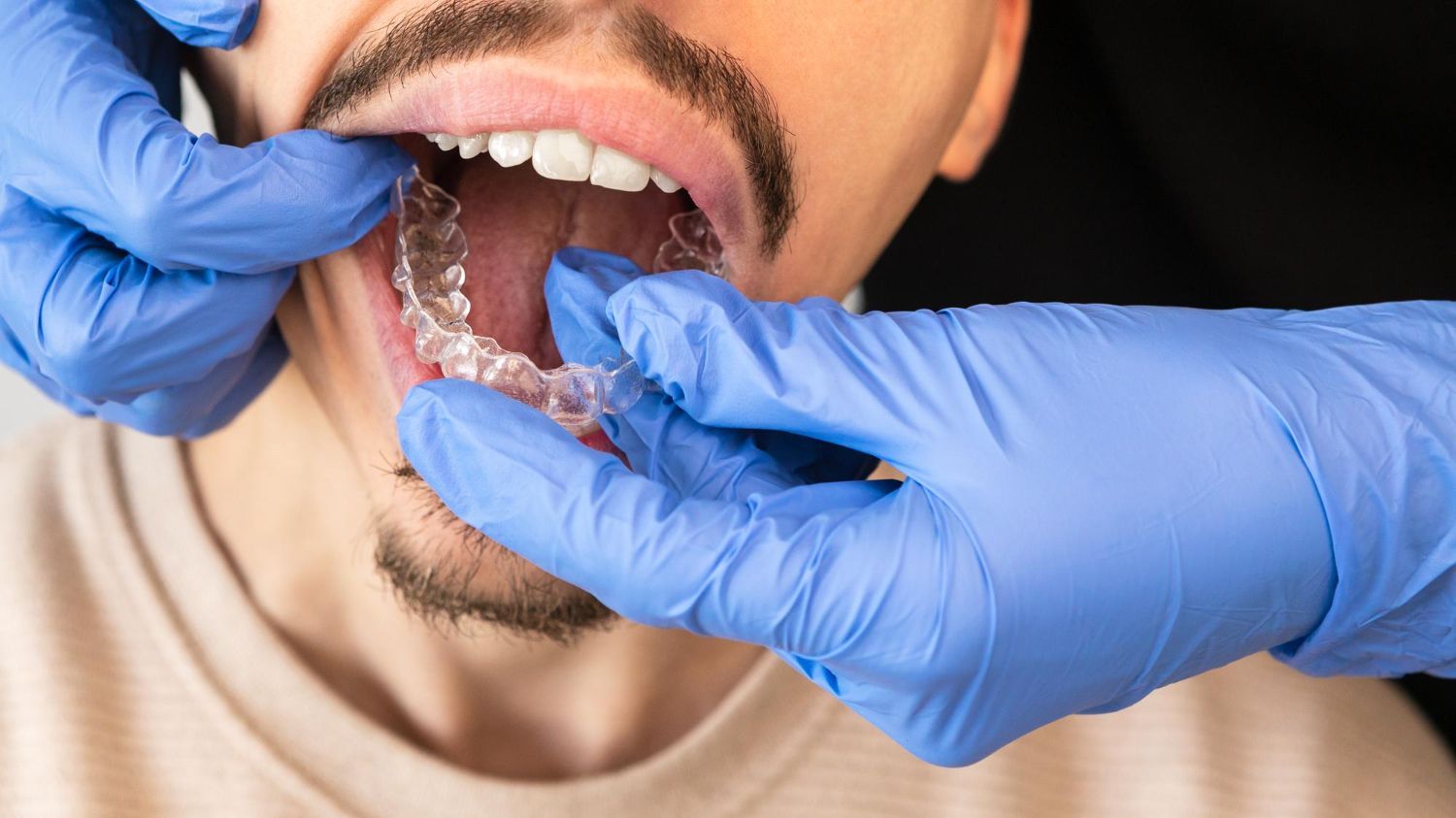
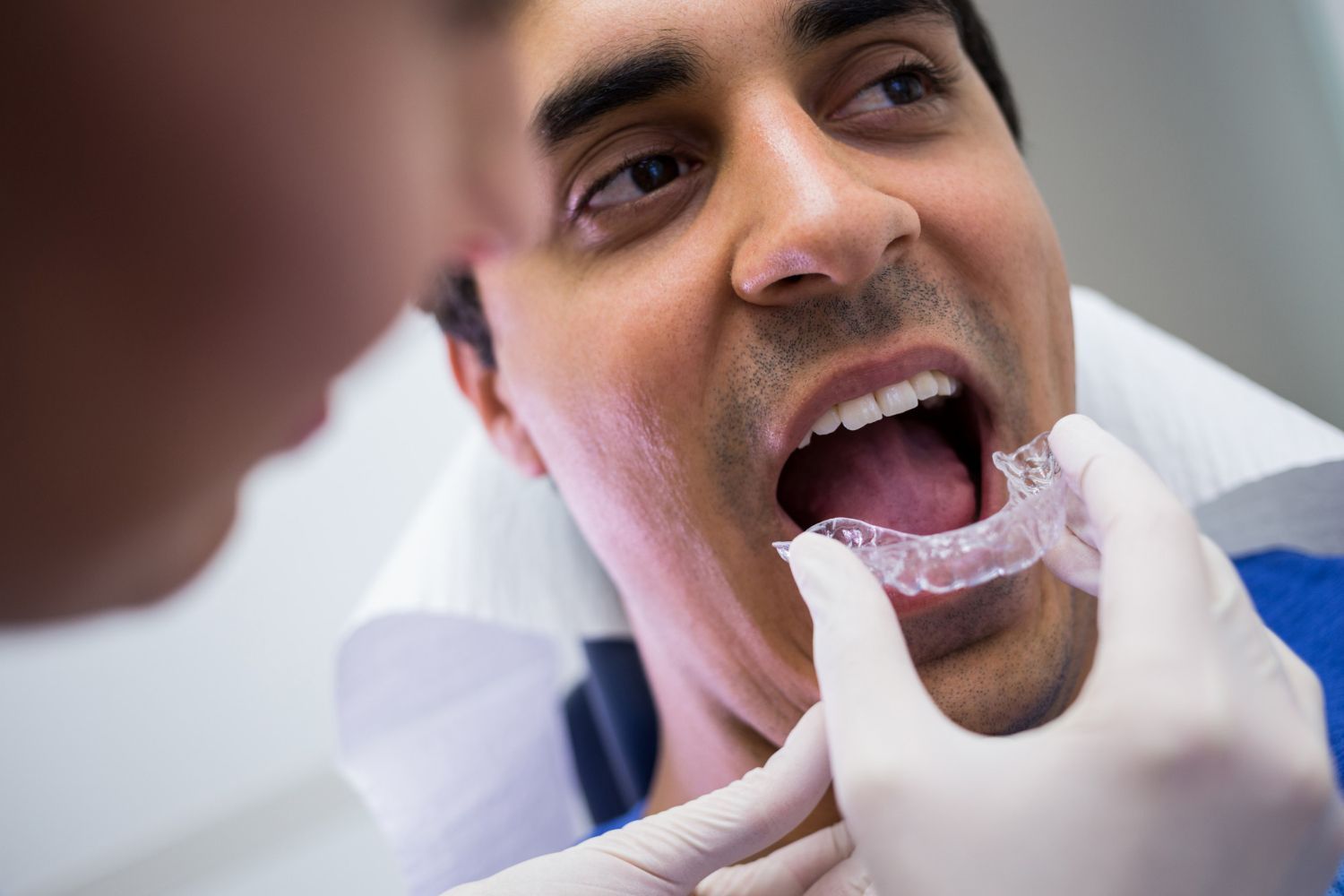
Clear aligners such as Invisalign gradually move teeth through a planned series of removable trays.
They may be appropriate for various alignment problems, but suitability depends on the specific tooth movements required.
Braces
Traditional or ceramic braces use brackets and wires to create controlled orthodontic movement.
They can treat a broad range of problems including crowded, rotated, crooked, and gapped teeth.
Space management
When dental crowding exists, treatment planning may involve creating or redistributing space within the arch.
The appropriate method depends on the individual case.
Restorative or cosmetic treatment
Not every visual irregularity is treated orthodontically.
For selected cases, bonding, veneers, crowns, or other treatments may play a role—particularly when tooth shape, damage, or restoration needs are also involved.
However, cosmetic treatment changes tooth appearance rather than necessarily correcting the underlying bite relationship. That distinction should be discussed before choosing treatment.
How Does an Orthodontic Assessment Identify Your Alignment Problem?
Looking in the mirror can tell you that a tooth appears crooked, but it cannot reliably tell you why it is crooked.
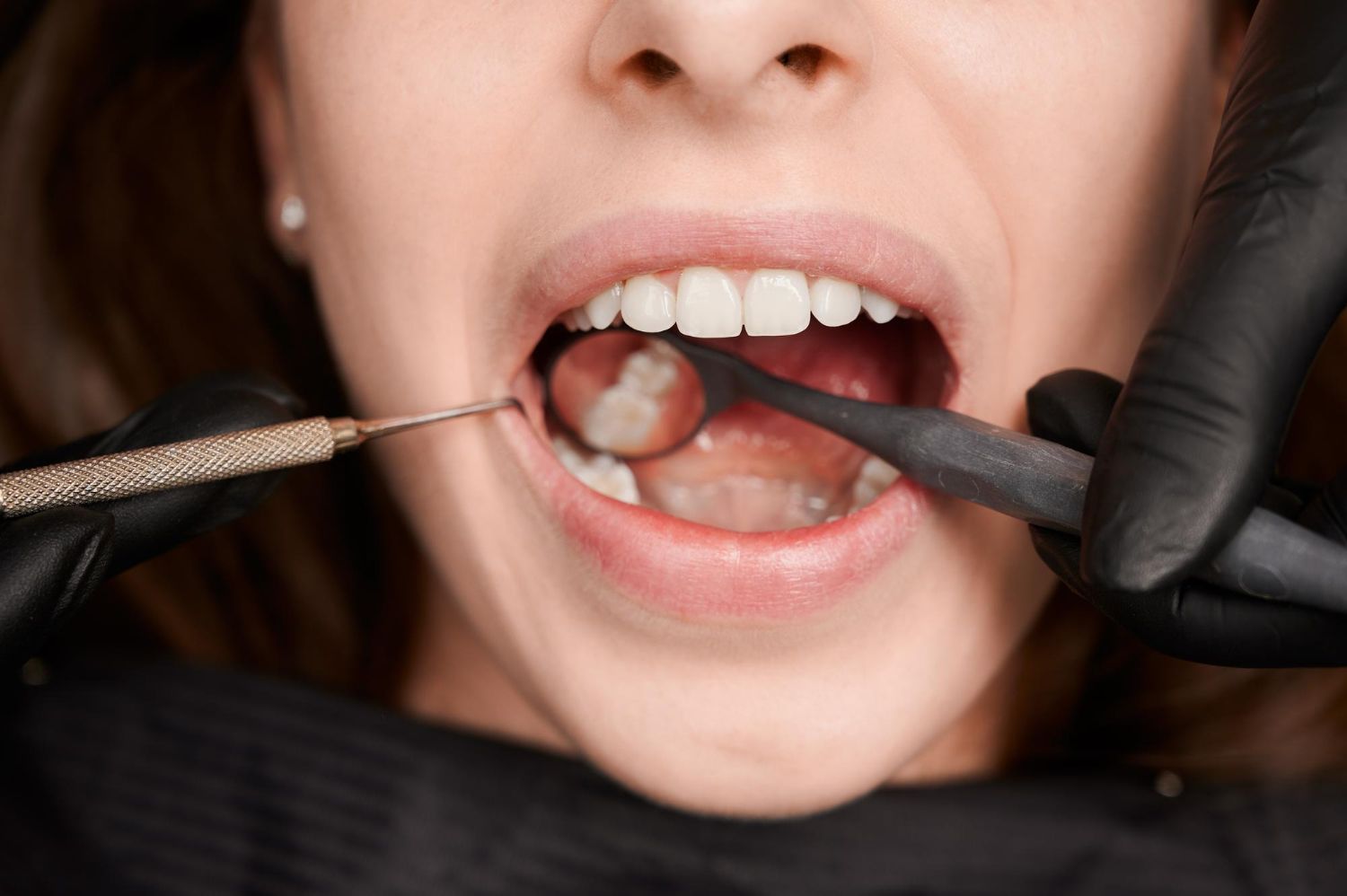
An orthodontic assessment may review:
- Individual tooth positions
- Dental crowding
- Tooth rotation
- Available arch space
- Upper and lower jaw relationships
- Bite alignment
- Gum health
- Existing dental work
- Tooth wear
- Photographs, scans, or X-rays when needed
The goal is to diagnose the alignment pattern before recommending treatment.
Orthodontics focuses on diagnosing and managing tooth and bite alignment, including crowded, overlapping, rotated, and gapped teeth.
Frequently Asked Questions About Types of Crooked Teeth
1. What are the most common types of crooked teeth?
Common types include crowded teeth, rotated teeth, overlapping teeth, protruding teeth, crooked front teeth, and teeth positioned outside the normal dental arch. Bite conditions such as overbite, underbite, crossbite, and open bite are related problems classified as malocclusion.
2. Are crowded teeth and overlapping teeth the same?
Not exactly. Dental crowding describes insufficient space for teeth to align normally. Overlapping is one possible result of crowding, but crowded teeth may also rotate or move forward or backward instead.
3. Can rotated teeth be straightened with Invisalign?
Clear aligners can correct many cases of tooth rotation, but suitability depends on the amount of rotation, available space, surrounding teeth, and overall bite. An orthodontic assessment is necessary to determine whether Invisalign or another approach is more appropriate.
4. Are crooked front teeth only a cosmetic problem?
Not always. Some crooked front teeth primarily affect appearance, while others may contribute to cleaning difficulty, abnormal tooth contact, or bite problems. The effect depends on the individual position and severity.
5. Can adults correct misaligned teeth?
Yes. Orthodontic treatment is widely used in adults. Treatment planning considers oral health, gum and bone condition, tooth movement required, and bite alignment rather than age alone. Adult patients may be candidates for braces or clear aligners depending on their individual needs.
Conclusion
The types of crooked teeth are more varied than they may first appear. Crowding, tooth rotation, overlapping teeth, protruding teeth, impacted teeth, and isolated crooked front teeth represent different alignment problems—and some people have several at once.
The key distinction is between tooth position and bite alignment. What looks like one crooked tooth may reflect limited arch space or a wider malocclusion, while a noticeable cosmetic irregularity may sometimes have little effect on function.
That is why diagnosis should come before treatment.
Want to know exactly what type of alignment problem you have? Schedule an assessment with InStyle Dental Care to discuss your tooth alignment, bite, and appropriate treatment options in New York City.