Dental Bone Graft Healing Stages: What Happens Before Implant Placement
Dental Bone Graft Healing Stages: What Happens Before Implant Placement
Understanding the dental bone graft healing stages can help you prepare for dental implant treatment and know what to expect during recovery. Most dental bone grafts need at least three months to develop sufficient healing, while larger or more complex grafts may require six months or longer.
Although swelling and tenderness usually improve within the first one to two weeks, the bone beneath your gums continues to regenerate and remodel for months.
At InStyle Dental, bone grafting in New York helps patients with insufficient jawbone prepare for dental implants. Understanding how healing progresses is an important part of planning a predictable treatment.
What Are the Dental Bone Graft Healing Stages?
Dental bone graft healing occurs through overlapping biological stages, beginning with blood clot formation and inflammation, followed by new blood vessel growth, bone formation, graft integration, and remodeling. While the gums may heal relatively quickly, the underlying bone needs considerably longer to mature before it can reliably support a dental implant.
Stage 1: Blood Clot Formation and Early Healing (Days 1–7)
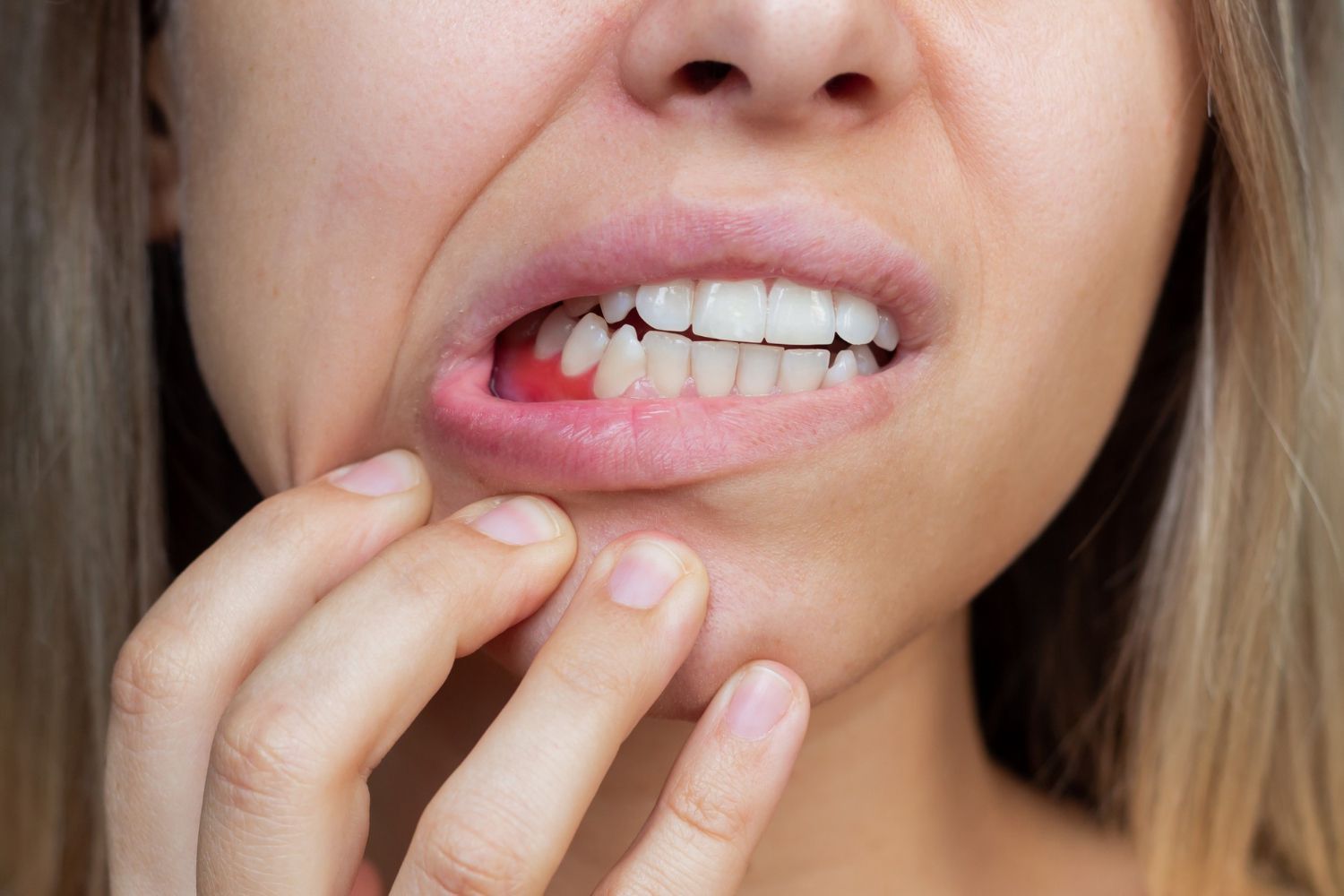
During the first week, the body protects the surgical area by forming a blood clot and beginning tissue repair. Inflammatory cells help clear damaged tissue and support the early healing response. Some swelling, tenderness, and minor bleeding are expected, particularly during the first few days.
At this stage:
- A protective blood clot forms around the grafted area.
- Inflammation initiates the healing process.
- Gum tissues begin closing around the surgical site.
- Swelling and discomfort gradually improve.
Avoid disturbing the graft with hard foods, vigorous rinsing, or direct pressure.
If you receive a graft following a tooth extraction in New York, protecting the extraction site is especially important.
Stage 2: Blood Vessel Growth and Tissue Repair (Weeks 1–3)
As initial inflammation decreases, small blood vessels begin developing within the healing area through a process called angiogenesis. These vessels deliver oxygen and nutrients to the surrounding tissues, supporting cellular activity and new bone formation. Gum healing becomes more noticeable, although the graft itself remains immature.
During this stage, you may notice:
- Reduced swelling and tenderness
- Improved comfort while eating
- Continued gum tissue healing
- Greater tolerance for normal daily activities
Feeling better does not mean the jawbone has completed healing. Continue following your dentist's instructions, even when discomfort disappears.
Stage 3: New Bone Formation and Graft Integration (Weeks 3–12)
Over the following weeks, bone-forming cells begin depositing new bone around or within the grafted area. Depending on the material used, the graft may act as a scaffold that supports natural bone growth. This process gradually improves the site's structure, but the developing bone is not yet fully mature.
Graft integration varies according to the procedure, existing bone quality, blood supply, and individual healing response.
During follow-up appointments, your dentist may assess how well the surgical area is recovering before deciding whether additional imaging is needed.
Stage 4: Bone Remodeling and Maturation (Months 3–6 and Beyond)
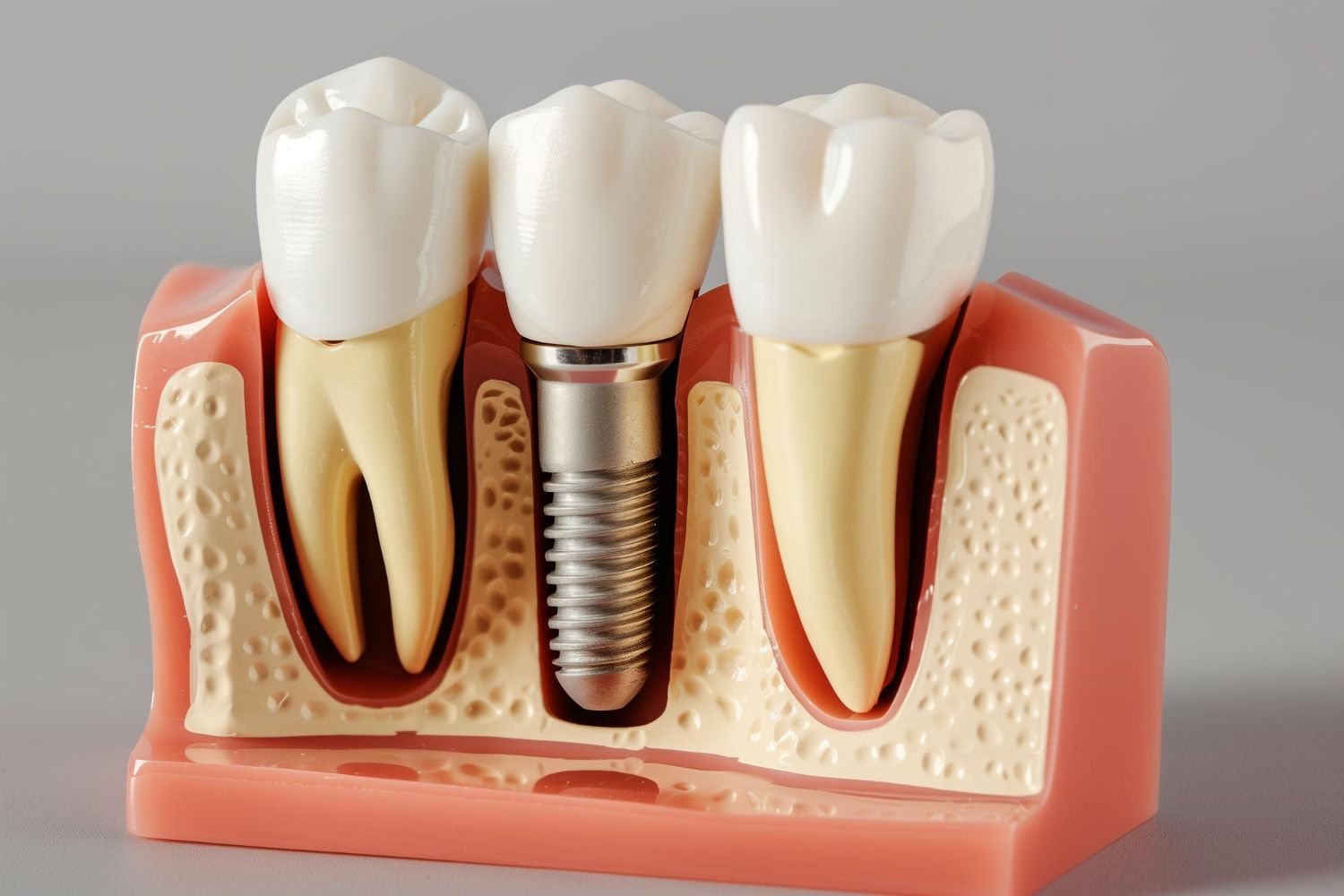
During bone remodeling, the newly formed bone continues changing in structure and organization as the body adapts it to functional demands. This stage contributes to the development of bone capable of supporting an implant. More complex grafts may require additional maturation before the site is considered suitable.
For many routine grafting procedures, implant placement may be considered after approximately three to six months. Larger grafts can take considerably longer.
The Cleveland Clinic notes that dental bone grafts need at least three months to heal, while extensive grafts may take nine to twelve months.
Importantly, these are approximate healing periods, not guaranteed implant placement dates.
How Long Does a Dental Bone Graft Take to Heal Before an Implant?
A dental bone graft commonly requires approximately three to six months before implant placement can be considered, although timing varies substantially. Smaller grafts may be suitable for earlier implant placement, while extensive bone reconstruction may require additional healing. The deciding factor is whether sufficient healthy bone has developed to support the planned implant.
The bone graft healing timeline depends on several factors:
- Graft size: Larger defects typically need more healing time.
- Graft material: Different materials remodel and integrate at different rates.
- Bone quality: Existing jawbone volume and density influence treatment planning.
- Overall health: Smoking, uncontrolled diabetes, and certain medications can affect healing.
- Surgical location: Upper and lower jaw sites may have different anatomical considerations.
- Complications: Infection, graft exposure, or inadequate healing may delay treatment.
Does Socket Preservation Heal Faster Than Larger Bone Grafts?
Socket preservation and larger bone augmentation procedures serve different purposes, so their healing timelines are not always the same. Socket preservation aims to limit bone loss after extraction, while larger grafts rebuild more substantial defects. Smaller grafted sites may become suitable for implants sooner, depending on the available bone.
During socket preservation, graft material is placed in the extraction socket to help maintain the ridge for a future restoration.
A larger ridge augmentation procedure, however, may be needed when a tooth has been missing for an extended period or significant bone loss has occurred.
In these cases, your dentist may recommend additional oral surgery evaluation to determine the most appropriate treatment sequence.
How Do Dentists Know When a Bone Graft Is Ready for an Implant?
Dentists determine implant readiness by evaluating tissue healing, remaining bone volume, bone dimensions, and the condition of the grafted site. Clinical examinations and dental imaging help establish whether an implant can be placed safely. The absence of pain alone does not confirm that the underlying bone is ready.
Your dentist may use several assessment methods.
Clinical Examination
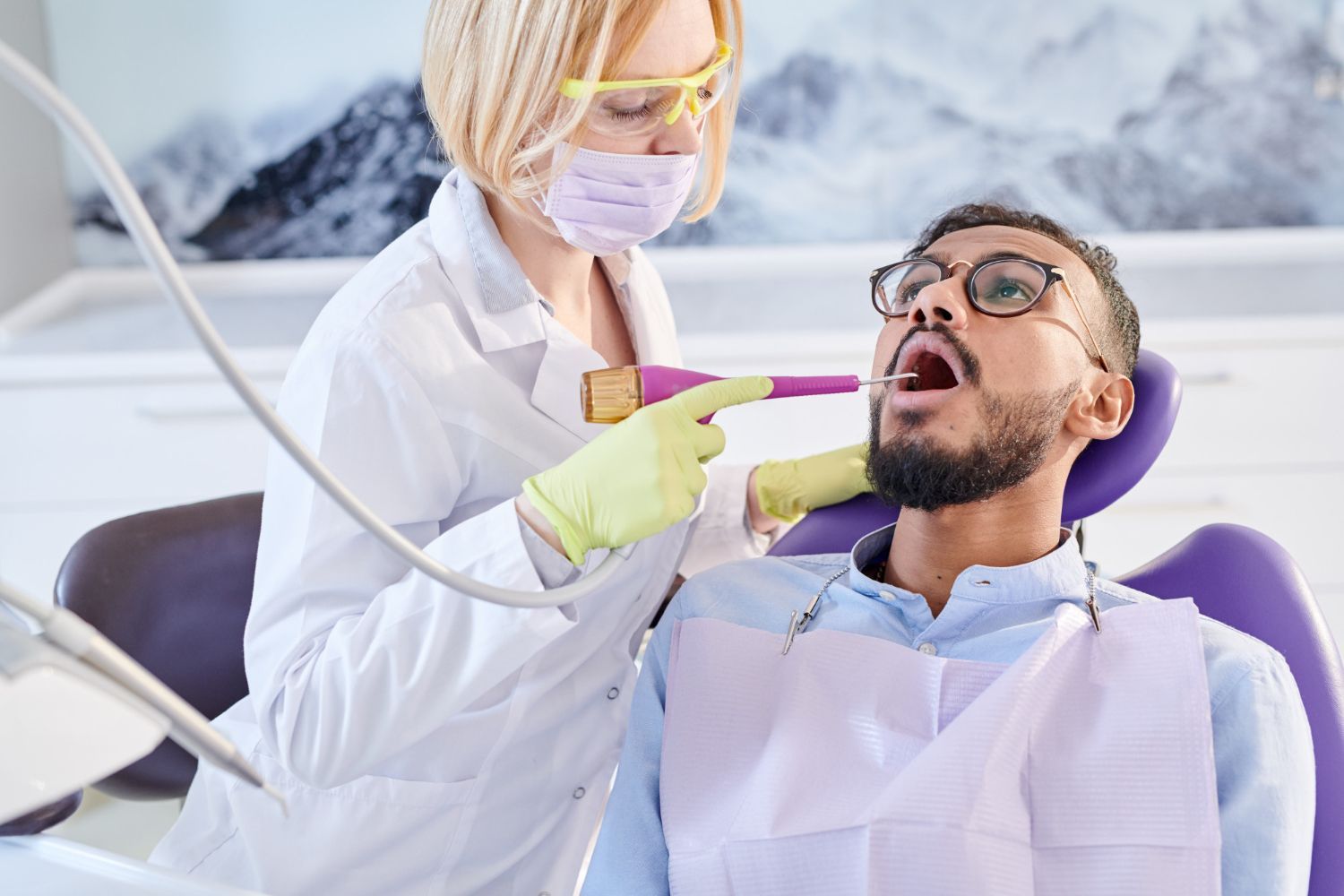
The dentist examines the gums and surrounding tissues for signs of healthy healing, inflammation, infection, or graft exposure.
Dental Imaging and CBCT
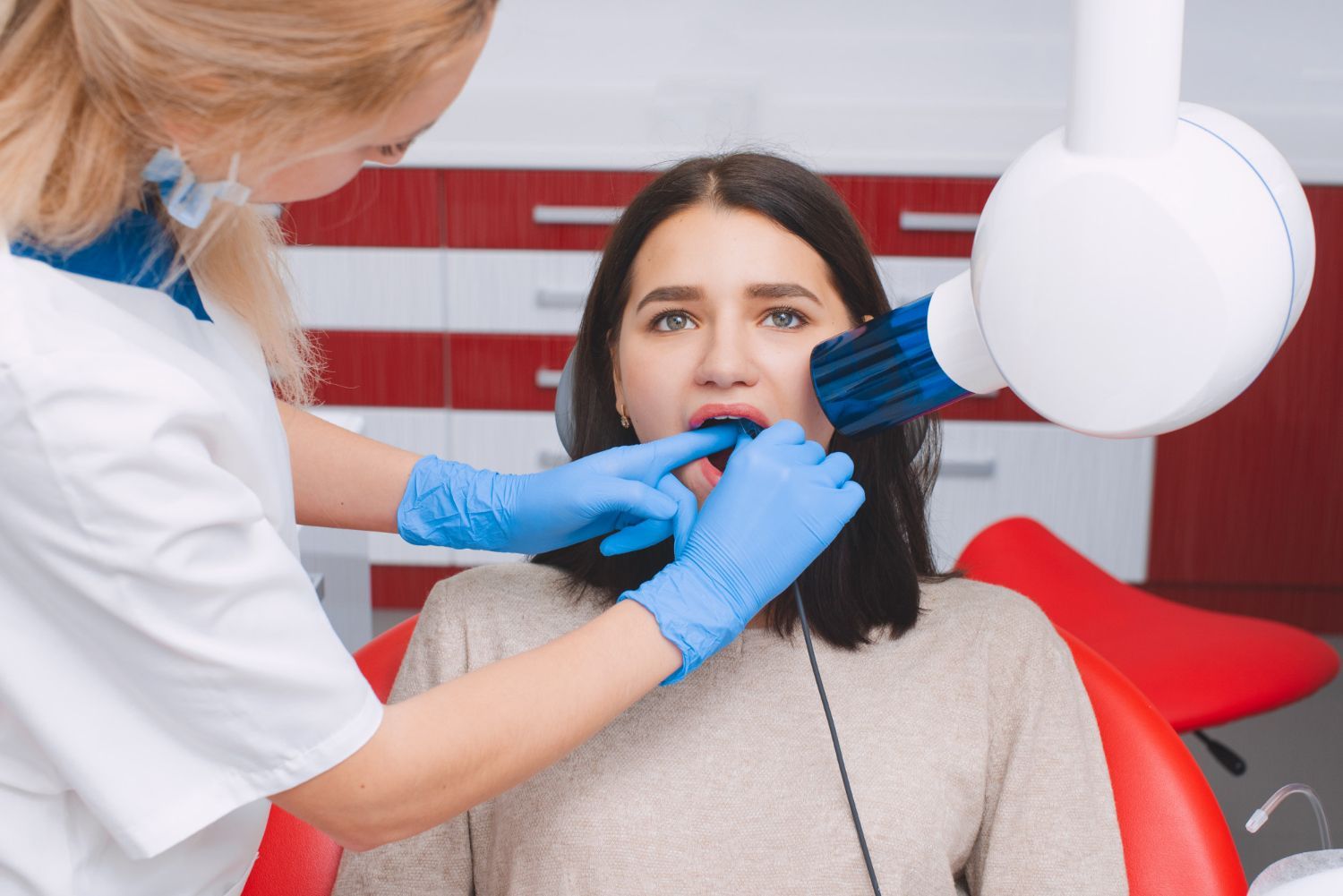
Dental X-rays help assess bone changes, while cone-beam computed tomography (CBCT) may be recommended when detailed three-dimensional information is needed.
CBCT can help evaluate:
- Available bone height and width
- The position of surrounding anatomical structures
- The intended implant location
- Whether further bone augmentation is required
Implant Treatment Planning
Once the grafted site has sufficient bone support, your dentist can plan the next stage of dental implant placement.
Some patients may require additional procedures, especially when bone height is insufficient in the upper posterior jaw.
For example, a sinus lift procedure may be considered to create adequate bone support near the maxillary sinus.
How Can You Support Dental Bone Graft Healing?
Supporting dental bone graft healing involves protecting the surgical site, maintaining appropriate oral hygiene, and following postoperative instructions. Patients should avoid activities that disturb the graft, attend scheduled reviews, and report concerning symptoms promptly. Consistent aftercare helps create favorable healing conditions, although it cannot guarantee graft integration.
Follow these practical steps:
- Protect the surgical site. Avoid touching the graft or chewing directly over the area during early recovery.
- Choose soft foods. Eat foods that do not require excessive chewing, particularly during the first several days.
- Follow oral hygiene instructions. Brush surrounding teeth carefully and use prescribed rinses only as directed.
- Avoid smoking and vaping. Nicotine exposure can interfere with wound healing and increase complication risks.
- Take medications as directed. Follow your dentist's instructions for prescribed medication and appropriate pain relief.
- Attend follow-up visits. Scheduled examinations allow your dentist to assess healing and adjust the implant timeline if needed.
If you are exploring the overall treatment process, reviewing dental implant costs in NYC can also help you prepare financially. Bone grafting and other preparatory procedures may affect the total treatment cost.
What Are the Signs of Normal Healing or Possible Complications?
Normal dental bone graft recovery often includes temporary swelling, tenderness, and mild bruising that gradually improve over the first one to two weeks. Worsening pain, persistent bleeding, increasing swelling, fever, or pus may indicate a complication and require prompt dental evaluation rather than waiting for the next scheduled appointment.
Common early healing symptoms include:
- Mild to moderate discomfort
- Temporary facial or gum swelling
- Slight bruising
- Minor blood-tinged saliva
- Small graft particles occasionally appearing near the surgical site
Contact your dentist promptly if you experience:
- Pain that becomes increasingly severe
- Swelling that worsens after initially improving
- Persistent or heavy bleeding
- Pus, fever, or an unpleasant discharge
- Significant opening of the wound or exposure of graft material
A fever of 101°F (38.3°C) or higher after bone grafting warrants contacting your healthcare provider, according to Cleveland Clinic guidance.
Frequently Asked Questions About Dental Bone Graft Healing
1. How Long Are the Dental Bone Graft Healing Stages?
Dental bone graft healing involves initial soft tissue recovery during the first one to two weeks, followed by several months of bone formation and remodeling. Many sites are assessed for implant readiness after three to six months, although extensive procedures may require longer. Your dentist determines the appropriate timeline.
2. Can a Dental Implant Be Placed Before the Bone Graft Fully Heals?
In selected cases, implants can be placed at the same time as grafting when enough existing bone provides initial implant stability. Other patients require staged treatment, allowing the graft to heal first. The decision depends on defect size, bone quality, implant position, and surgical assessment.
3. Does Jaw Bone Graft Healing Hurt for Several Months?
Most postoperative discomfort improves considerably within the first one to two weeks. Bone remodeling continues for months but generally does not cause constant pain. Persistent or worsening discomfort is not something to ignore and should be assessed by your dentist to rule out complications.
4. What Happens if a Dental Bone Graft Does Not Integrate?
If graft integration is inadequate, the site may not develop enough bone to support the planned implant. Your dentist will assess possible causes, including infection or insufficient bone formation, and discuss alternatives. Treatment may involve additional healing, graft revision, or a different implant approach.
5. Is a CBCT Scan Always Necessary Before Implant Placement?
A CBCT scan is not automatically required for every patient, but it can provide useful three-dimensional information when conventional imaging is insufficient. Dentists use it to evaluate bone dimensions and nearby anatomical structures when appropriate. Imaging decisions should follow individual clinical needs and radiation-safety principles.
Conclusion: Bone Healing Determines When Implants Can Begin
Dental bone graft healing is a gradual process that continues long after the gums feel comfortable. Initial recovery usually takes one to two weeks, but graft integration and bone remodeling often require several months.
Whether an implant can be placed after three months, six months, or longer depends on the graft, available bone, and individual healing progress.
Planning Dental Implants After Bone Grafting?
At InStyle Dental in Midtown Manhattan, our team can assess your jawbone, explain available grafting and implant options, and develop a treatment plan based on your clinical needs.Contact InStyle Dental to schedule your bone grafting and implant consultatio