emporary Crown Fell Off? What to Do Until You See Your Dentist
Temporary Crown Fell Off? What to Do Until You See Your Dentist
If your temporary crown fell off, don't panic. Although losing a temporary dental crown can be uncomfortable, it doesn't always mean your tooth is seriously damaged. However, the exposed tooth needs protection until your dentist can assess it.
If you're searching for temporary crown fell off what to do, the most important steps are to save the crown, avoid chewing on the exposed tooth, maintain gentle oral hygiene, and contact your dentist promptly.
Temporary crowns protect prepared teeth while permanent restorations are being made. Losing one can expose sensitive tooth structure and increase the risk of irritation or damage.
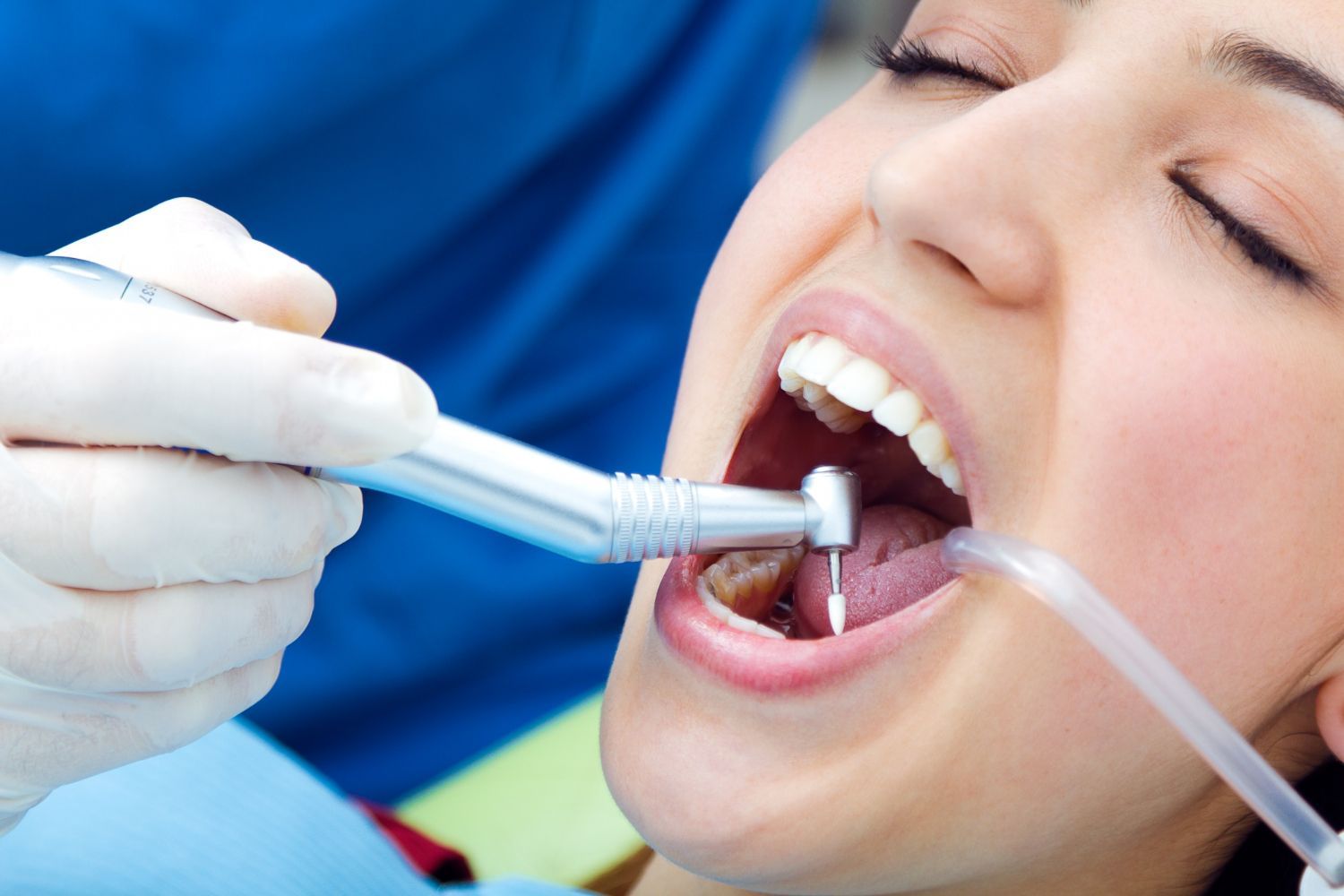
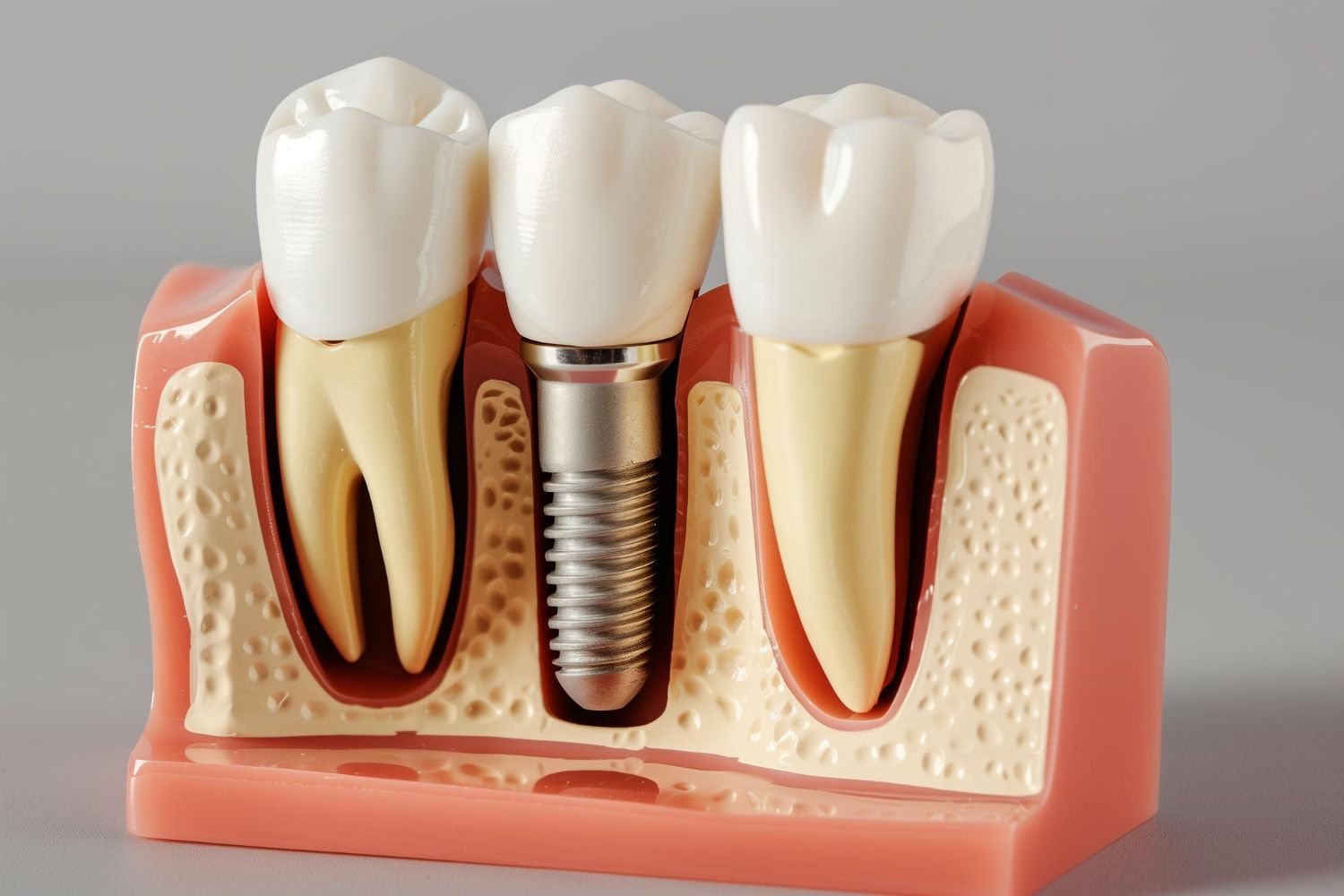
At InStyle Dental in Midtown Manhattan, dental crown treatment forms part of restorative dental care, helping patients protect damaged teeth and restore normal function.
What Should You Do Immediately If Your Temporary Crown Falls Off?
If your temporary crown falls off, remove it from your mouth, store it safely, and avoid chewing on the affected tooth. Gently clean the area, avoid extremely hot or cold foods, and contact your dentist for advice. Do not attempt to reattach the crown using household glue.
Follow these six steps until you can receive professional dental care.
Step 1: Find and Save the Temporary Crown
If the temporary crown has completely detached, carefully remove it from your mouth to avoid accidentally swallowing it.
Rinse it gently with water if necessary, and place it in a clean, secure container.
Avoid scraping the inside or attempting to reshape it.
Your dentist may be able to reuse the crown if it remains intact and fits correctly.
If you cannot locate it, don't worry. Your dentist can assess whether a replacement temporary restoration is necessary.
Step 2: Check the Exposed Tooth
Look at the affected area without pressing on the prepared tooth.
You may notice that it appears smaller than the surrounding teeth. This is expected because some tooth structure was reshaped during crown preparation.
However, watch for:
- Sharp or broken tooth edges
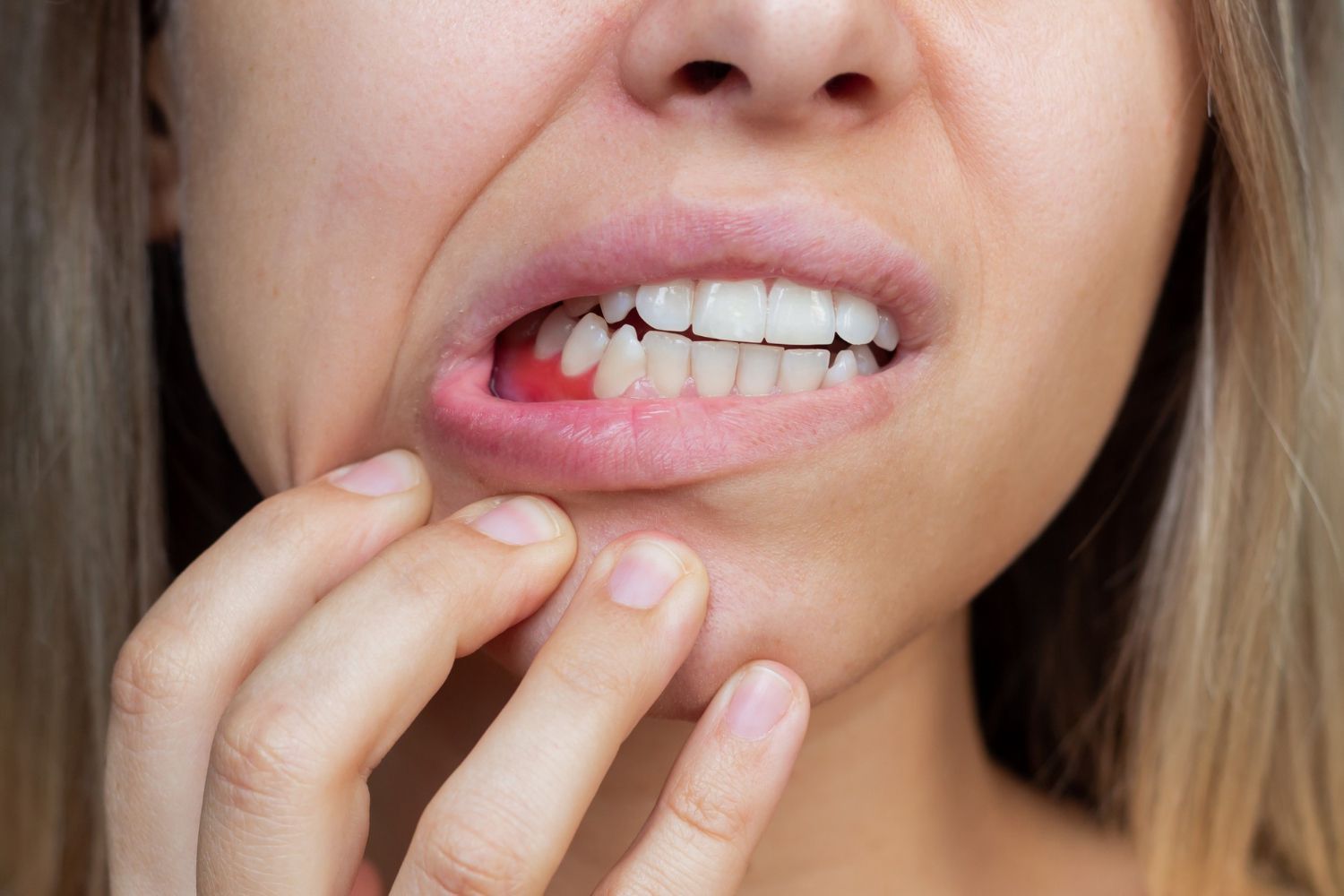
- Significant sensitivity
- Swelling around the gum
- Persistent or severe pain
- Visible cracks or damaged tooth structure
If part of your natural tooth appears to have broken, arrange an urgent dental assessment.
Patients experiencing persistent discomfort can explore tooth pain treatment in New York for information about professional evaluation.
Step 3: Avoid Chewing on the Affected Side
Without its temporary crown, the prepared tooth may be more vulnerable to pressure, temperature changes, and food particles.
Until your dentist advises otherwise:
- Avoid chewing on the exposed tooth.
- Choose softer foods.
- Avoid hard nuts, ice, and crunchy snacks.
- Stay away from sticky candies and chewing gum.
- Limit foods or drinks that trigger sensitivity.
These precautions help reduce discomfort and the risk of further damage.
Step 4: Keep the Area Clean
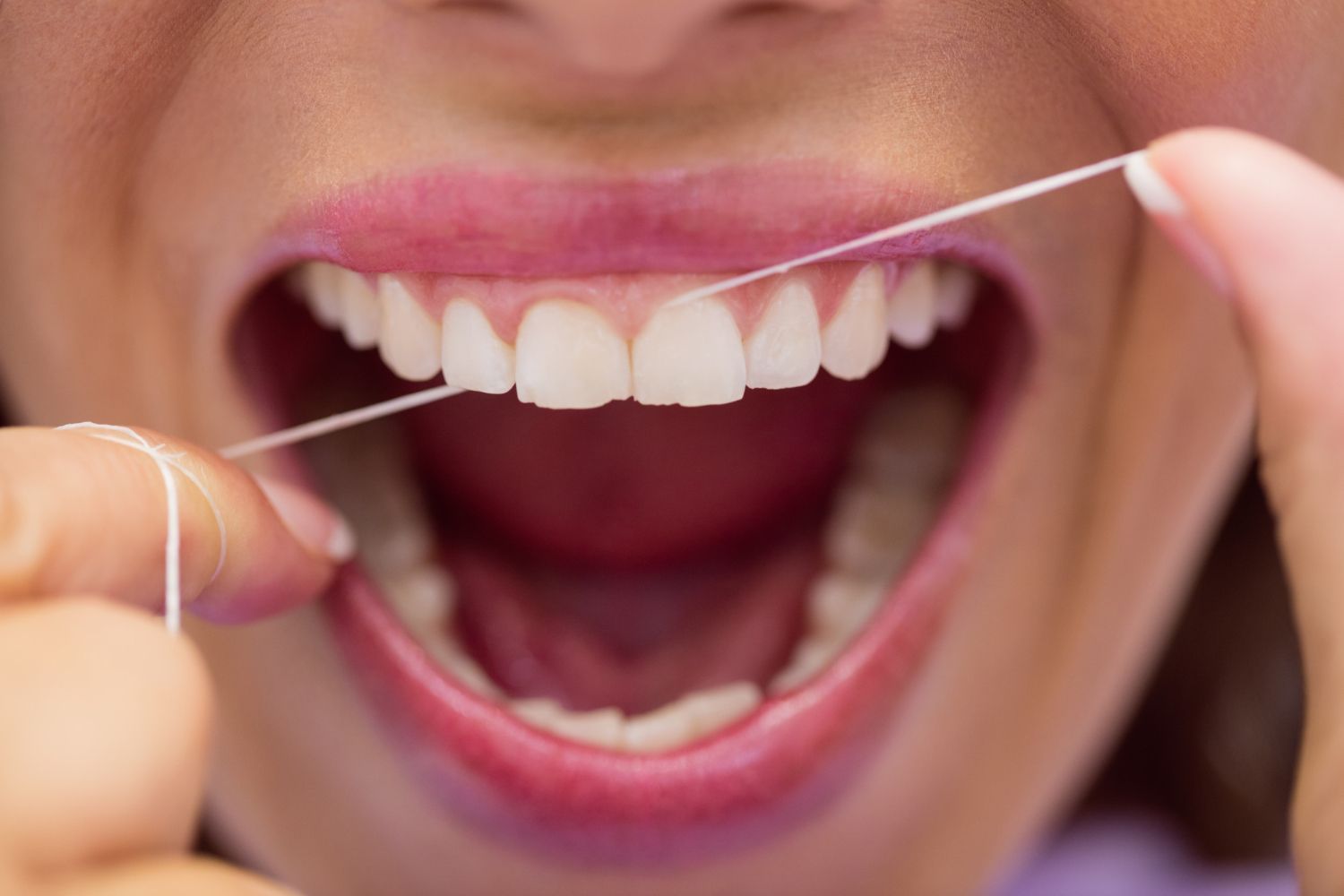
Continue brushing gently with a soft-bristled toothbrush and fluoride toothpaste.
Carefully clean between your teeth without pulling against damaged or sensitive areas.
Avoid aggressive brushing or using sharp objects to remove trapped food.
The goal is to maintain oral hygiene without irritating the prepared tooth.
Step 5: Don't Use Superglue or Household Adhesives
Never use superglue, nail glue, or household adhesives to reattach a temporary crown.
These products are not intended for dental use and may damage the restoration or surrounding tissues.
Over-the-counter temporary dental cement may sometimes provide short-term protection, but it should only be used when appropriate and according to your dentist's guidance.
If the crown does not fit comfortably, appears damaged, or changes your bite, do not force it into place.
Step 6: Contact Your Dentist Promptly
Even if you're not experiencing pain, contact your dentist as soon as possible.
Explain when the crown came off, whether you've saved it, and whether you have discomfort.
Your dentist can determine whether the crown can be reattached or whether a replacement is necessary.
For patients seeking dental crowns in New York City, InStyle Dental provides crown evaluations and restorative treatment options.
Why Do Temporary Dental Crowns Fall Off?
Temporary dental crowns can fall off because they are secured with temporary cement designed to allow removal when the final restoration is ready. Sticky foods, heavy chewing pressure, teeth grinding, or changes in the temporary crown's fit may loosen it before the scheduled permanent crown appointment.
Several factors can contribute to a temporary crown becoming detached.
Temporary Cement Can Lose Its Hold
Unlike permanent dental cement, temporary cement is intended to provide short-term retention.
This makes it possible for the dentist to remove the temporary crown without unnecessarily damaging the prepared tooth.
However, the temporary bond may weaken during normal eating or brushing.
Sticky or Hard Foods Can Dislodge the Crown
Chewy candies, gum, and hard foods can place additional stress on temporary restorations.
For example, biting into a sticky caramel may pull against the crown and loosen its temporary cement.
Chewing on the opposite side can help protect the restoration until the final crown is placed.
Teeth Grinding Can Affect Crown Stability
Clenching or grinding places repeated pressure on teeth and restorations.
If you regularly grind your teeth, mention this to your dentist during your appointment.
A professional assessment can determine whether the bite or grinding habits contributed to the crown becoming loose.
Is a Lost Temporary Crown a Dental Emergency?
A lost temporary crown is not always a dental emergency, particularly when there is little pain and no visible damage. However, it requires prompt dental advice because the prepared tooth is exposed. Severe pain, swelling, infection symptoms, or a broken tooth may require urgent assessment.
Seek urgent dental care if you notice:
- Severe or worsening tooth pain
- Swelling around the affected tooth or face
- Fever associated with dental pain or swelling
- Bleeding that doesn't stop
- A cracked or significantly damaged tooth
- Difficulty biting because the tooth feels unstable
If swelling affects breathing or swallowing, or you experience uncontrolled bleeding, seek emergency medical care immediately.
According to NHS Wales guidance on lost fillings and crowns, patients should arrange a dental assessment, preserve the detached crown, and avoid hard foods or temperatures that cause sensitivity. A dentist will assess the exposed tooth and determine what treatment is necessary.
Can You Reattach a Temporary Crown at Home?
A temporary crown may sometimes be temporarily reseated using a suitable dental repair product, but this should not be attempted without checking that the crown is intact, fits correctly, and can be safely positioned. Professional recementation remains preferable because incorrect placement can damage the tooth or affect your bite.
Some pharmacies sell temporary dental cement intended for short-term use.
However, these products are not suitable for every situation.
Do not attempt home reattachment if:
- The crown is cracked or distorted.
- The natural tooth appears broken.
- The crown does not seat easily.
- You experience significant pain.
- The restoration feels loose enough to swallow.
- Your dentist has advised against temporary repair.
Never force a crown onto the tooth or use permanent household adhesive.
If your dentist recommends a temporary product, follow their instructions and arrange a professional appointment.
Home repair is not a substitute for dental evaluation.
How Long Can You Leave a Temporary Crown Off?
A prepared tooth should not be left without its temporary crown longer than necessary because exposure can increase sensitivity, allow food accumulation, and potentially affect the fit of the final restoration. Contact your dentist promptly, ideally the same day, to determine how soon the crown should be replaced.
There is no universal number of days that is safe for every patient.
The urgency depends on:
- Which tooth is affected
- How much natural tooth structure remains
- Whether the tooth has received root canal treatment
- The presence of sensitivity or pain
- The condition of the temporary crown
- When the permanent crown is scheduled
For example, a patient whose crown falls off the day before the final fitting may receive different instructions from someone whose permanent crown appointment is several weeks away.
If you experience discomfort when eating or drinking, information about tooth sensitivity treatment may help you understand possible causes and professional care options.
What Happens When You Visit the Dentist?
When you visit your dentist after losing a temporary crown, the appointment typically involves checking the exposed tooth, examining the detached restoration, and evaluating your bite. Depending on the findings, the dentist may recement the temporary crown, make a replacement, or adjust the treatment plan.
Examination of the Prepared Tooth
Your dentist will check for decay, cracks, irritation, or damage to the underlying tooth.
The condition of the prepared tooth determines whether the existing restoration can be safely reused.
In cases involving additional structural damage, restorative dentistry treatments may be considered.
Temporary Crown Reattachment or Replacement
If the crown is intact and fits correctly, the dentist may clean and recement it.
If the temporary crown is damaged or no longer fits, a new temporary restoration may be required.
The goal is to protect the prepared tooth until the definitive treatment can be completed.
Preparation for the Final Crown
Once the permanent crown is available, your dentist will check its fit, contacts, bite, and appearance before securing it.
A conventional dental crown treatment often involves approximately two appointments, although additional visits may be necessary.
If the tooth previously underwent root canal treatment in New York, the dentist may also assess whether the underlying restoration remains adequately protected.
How Can You Prevent a Temporary Crown From Falling Off Again?
You can reduce the risk of losing a temporary crown by avoiding sticky or hard foods, chewing carefully, maintaining gentle oral hygiene, and following your dentist's instructions. Although no temporary restoration is guaranteed to remain secure, these precautions can help minimize unnecessary pressure before the permanent crown is placed.
Consider the following habits:
- Chew primarily on the opposite side.
- Avoid chewing gum and sticky candies.
- Don't bite hard objects such as ice or pens.
- Brush gently around the temporary crown.
- Follow your dentist's flossing instructions.
- Report any looseness or unusual bite pressure promptly.
Keep your scheduled appointment for the final crown.
Regular dental cleaning and examinations also support long-term oral health and help identify problems with existing restorations.
Frequently Asked Questions
1. What should I do if my temporary crown fell out but there's no pain?
If your temporary crown fell out without causing pain, save the restoration, avoid chewing on the exposed tooth, and contact your dentist promptly. The absence of pain doesn't mean the prepared tooth is fully protected. A dentist should check whether the crown needs reattachment or replacement.
2. Can I eat if my temporary crown came off?
Yes, you may be able to eat while waiting for dental care, but choose soft foods and avoid chewing on the affected tooth. Hard, sticky, or very hot and cold foods may cause discomfort or damage. Contact your dentist for instructions specific to your prepared tooth.
3. Can I use temporary cement when my crown falls off?
Over-the-counter temporary dental cement may be appropriate in certain circumstances, but it is best to contact your dentist before using it. A crown that is broken, incorrectly positioned, or unable to fit securely should not be forced into place. Never use superglue or household adhesives.
4. Will losing a temporary crown affect my final crown?
Losing a temporary crown does not automatically mean your final crown will fail to fit. However, leaving the prepared tooth exposed may allow changes in tooth position or cause damage that affects the restoration process. Prompt dental evaluation can help reduce these risks.
5. Is a temporary dental crown emergency appointment necessary?
An urgent appointment may be necessary if the lost temporary crown is accompanied by severe pain, swelling, infection symptoms, or a broken tooth. If there is no significant discomfort, contact your dentist promptly for advice and appropriate scheduling. Do not wait for severe symptoms before reporting the problem.
Conclusion: Protect Your Tooth Until Your Dentist Can Help
If your temporary crown falls off, the most important steps are simple: save the crown, keep the prepared tooth clean, avoid chewing on the affected side, and contact your dentist promptly.
A lost temporary crown doesn't always indicate a serious problem, but it should not be ignored.
Professional evaluation helps protect the exposed tooth and keeps the treatment process on track until the final crown can be placed.
Lost your temporary crown? Contact InStyle Dental in Midtown Manhattan.
If your crown has become loose or fallen off, InStyle Dental can evaluate the restoration and discuss appropriate next steps based on your dental condition and appointment availability.Contact InStyle Dental to Schedule Your Crown Evaluation Or call (212) 695-2173 to speak with the team about your concern.