Why Does My Breath Still Smell After Brushing?
Why Does My Breath Still Smell After Brushing?
You brush your teeth, rinse your mouth, and expect fresh breath. But sometimes, an unpleasant smell remains or returns shortly afterward. If you experience bad breath after brushing teeth, the problem may not be your toothbrush or toothpaste. The underlying cause could be bacteria on your tongue, trapped food particles, gum disease, or insufficient saliva.
Brushing removes plaque and bacteria from tooth surfaces, but it doesn't clean every area of your mouth. Understanding what's causing the odor is the first step toward finding a lasting solution.
Why Does Bad Breath After Brushing Teeth Happen?
Bad breath after brushing teeth usually occurs because odor-producing bacteria remain in areas that brushing alone cannot reach. These bacteria can accumulate on the tongue, between teeth, and beneath the gumline. Dry mouth, untreated cavities, and gum disease can also cause unpleasant breath even after cleaning your teeth.
Oral bacteria break down proteins from food particles, saliva, and dead cells, releasing compounds that produce unpleasant odors.
For some people, the problem disappears after improving their oral hygiene. For others, persistent bad breath may indicate a dental condition requiring professional evaluation.
If the odor continues despite regular brushing and flossing, professional bad breath treatment in New York can help identify its underlying cause.
Common Causes of Bad Breath After Brushing
Several conditions can explain why your mouth still smells after brushing. Understanding the differences can help you recognize when simple changes may be enough and when dental care is necessary.
1. Bacteria and Coating on the Tongue
Your tongue has a textured surface with tiny grooves where bacteria, food debris, and dead cells can collect.
This buildup, commonly called a tongue coating, can produce unpleasant odors even when your teeth are clean.
You may notice:
- A white or yellowish coating on your tongue
- An unpleasant taste
- Breath that smells bad shortly after brushing
Gently cleaning your tongue once daily with a tongue scraper or soft toothbrush may help remove this buildup.
Avoid aggressive scraping, which can irritate the tongue.
2. Dental Plaque and Food Trapped Between Teeth
Brushing cleans the exposed surfaces of your teeth, but toothbrush bristles cannot effectively reach every space between them.
When food particles become trapped, a problem known as food impaction, bacteria can break them down and produce odors.
Dental plaque also accumulates in these spaces and along the gumline.
Daily flossing or interdental cleaning helps remove plaque before it hardens into tartar.
If buildup is already present, professional dental cleaning and exams in NYC can help remove tartar that ordinary brushing cannot eliminate.
3. Gum Disease and Periodontal Infections
One important cause of halitosis despite brushing is gum disease.
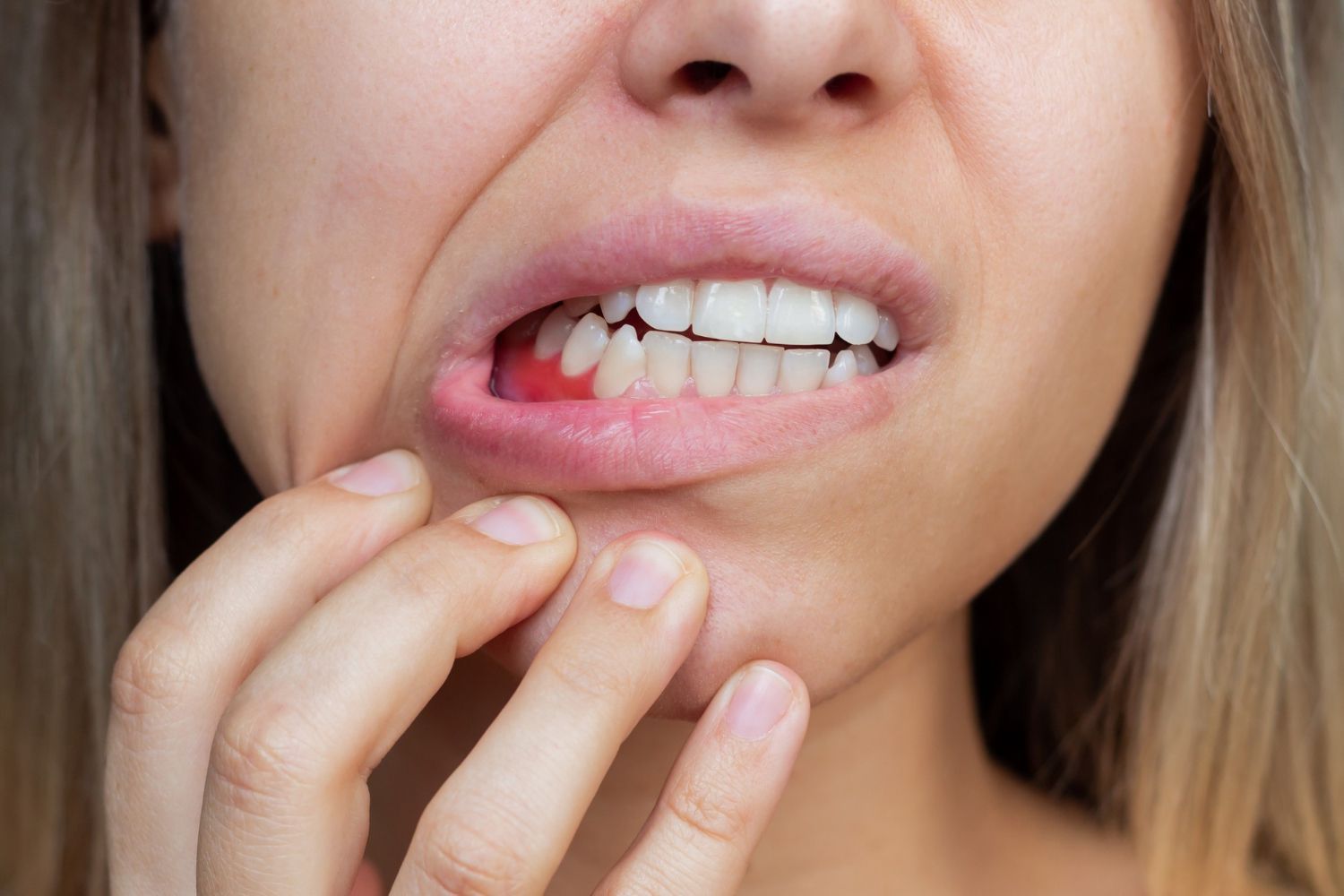
Gingivitis, the early stage of gum disease, causes inflammation along the gumline. Without treatment, it can progress to periodontal disease, affecting the tissues and bone supporting your teeth.
Bacteria can collect in pockets between the teeth and gums, contributing to persistent odors.
Warning signs include:
- Bleeding while brushing or flossing
- Red, swollen, or tender gums
- Receding gums
- A persistent unpleasant taste
- Bad breath that does not improve with home care
These symptoms deserve attention because brushing alone cannot resolve advanced gum infections.
Professional periodontal disease treatment in New York may involve deep cleaning and other care depending on the condition of your gums.
4. Dry Mouth and Reduced Saliva
Saliva naturally helps wash away food particles and maintain a healthier oral environment.
When saliva production decreases, odor-producing bacteria and debris can accumulate more easily.
Dry mouth, also called xerostomia, may occur because of:
- Dehydration
- Mouth breathing during sleep
- Certain prescription medications
- Tobacco use
- Medical conditions affecting saliva production
You might notice sticky saliva, frequent thirst, or a dry sensation when waking up.
Drinking water and chewing sugar-free gum may provide temporary relief. However, ongoing dryness should be evaluated to identify its cause.
Patients with recurring symptoms can explore professional dry mouth treatment in New York.
5. Cavities and Other Oral Health Problems
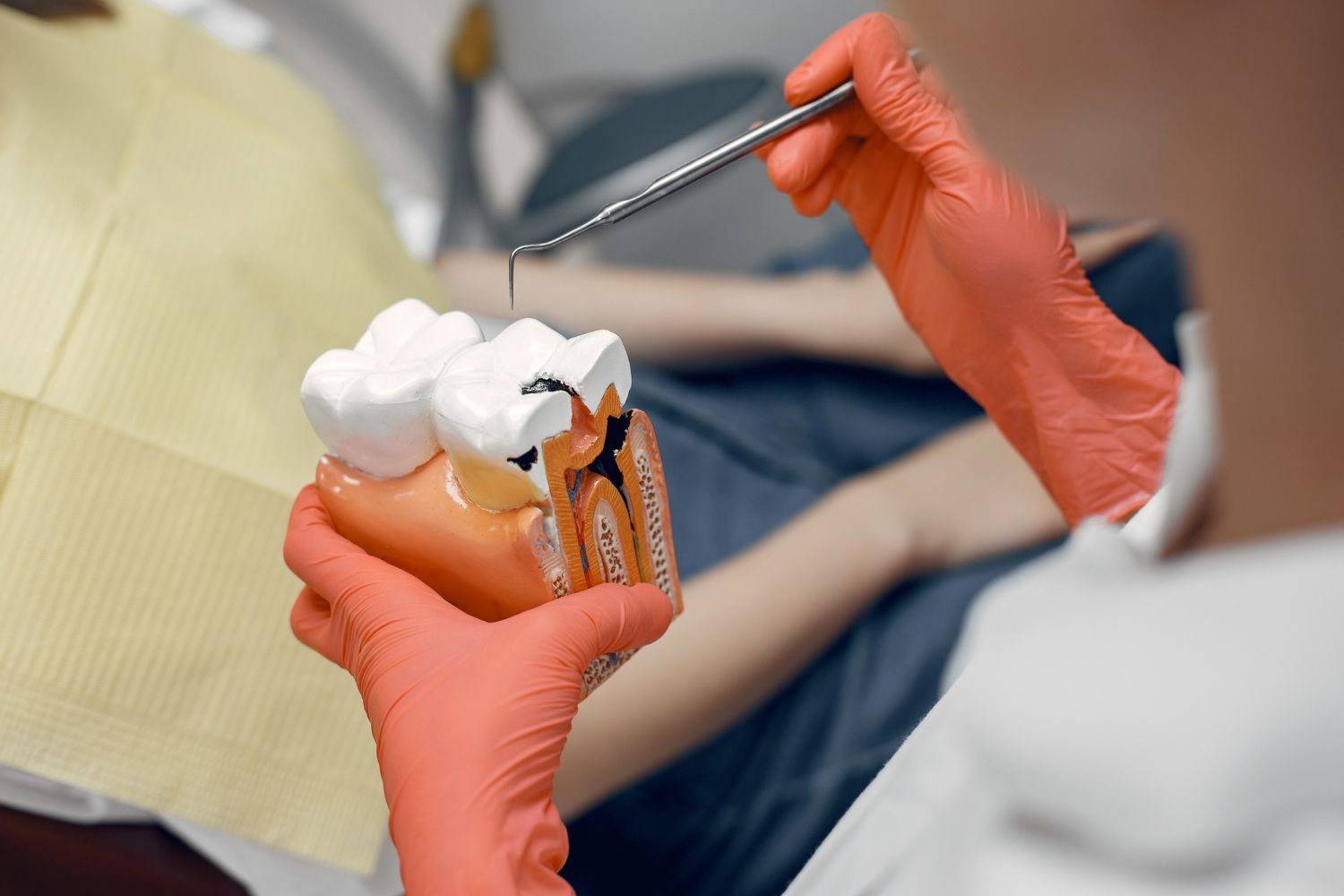
An untreated cavity can create spaces where bacteria and food particles accumulate.
Damaged fillings, poorly fitting dental restorations, and certain oral infections may also contribute to unpleasant breath.
Other possible causes include tonsil stones, which are small deposits that collect in crevices of the tonsils.
Occasionally, persistent bad breath is associated with sinus conditions, acid reflux, or other medical problems.
A dental examination can help establish whether the problem begins in your mouth or requires evaluation by another healthcare professional.
How Can You Get Rid of Bad Breath After Brushing?
The most effective way to reduce bad breath after brushing is to clean areas beyond the tooth surfaces and address any underlying dental problems. A consistent routine should include brushing with fluoride toothpaste, daily interdental cleaning, gentle tongue cleaning, adequate hydration, and regular dental examinations when needed.
Follow these practical steps to improve your daily oral care.
Step 1: Brush Thoroughly for Two Minutes
Brush your teeth twice daily for approximately two minutes using fluoride toothpaste.
Hold a soft-bristled toothbrush at an angle toward your gumline and clean every tooth surface with gentle movements.
An electric toothbrush may help some people clean more consistently, but correct technique matters regardless of the toothbrush type.
After brushing, spit out excess toothpaste rather than immediately rinsing away the remaining fluoride.
Step 2: Clean Between Your Teeth Every Day
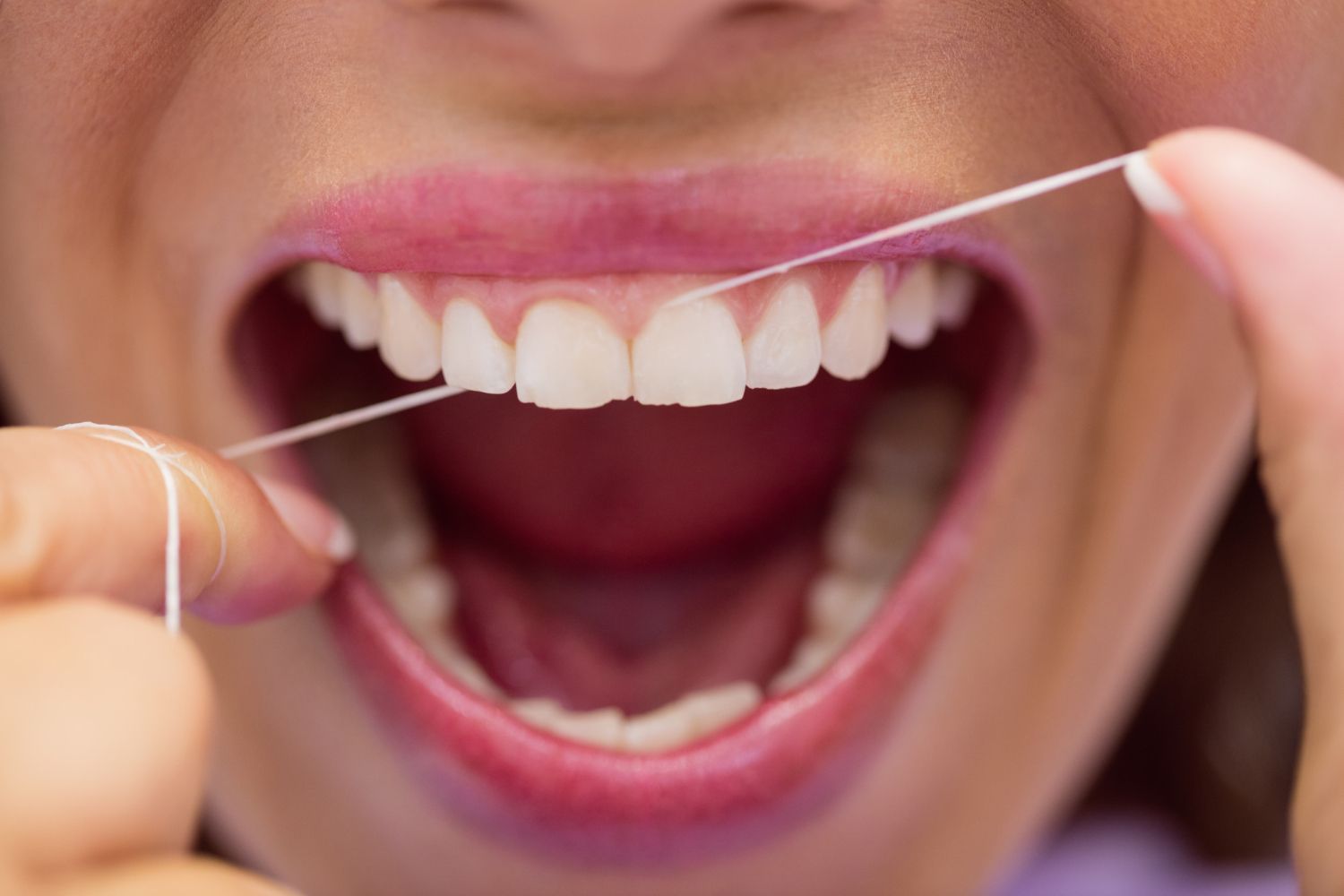
Flossing or using appropriately sized interdental brushes once daily helps remove plaque and trapped food that brushing misses.
Pay attention to areas where food frequently becomes stuck.
If your gums bleed repeatedly during cleaning, arrange a dental evaluation rather than ignoring the symptom. Persistent bleeding can indicate inflammation or gum disease.
Step 3: Clean Your Tongue Gently
Use a tongue scraper or soft toothbrush to clean your tongue once daily.
Work gently from the back toward the front, without scraping hard enough to cause pain or bleeding.
This can reduce tongue coating and bacteria that contribute to unpleasant breath.
Step 4: Keep Your Mouth Hydrated
Drink water regularly throughout the day, particularly if your mouth feels dry.
Sugar-free chewing gum can also stimulate saliva production.
If dry mouth is related to medication, speak with your healthcare provider before making any changes to your prescription.
Step 5: Use Mouthwash as a Supporting Tool
An antibacterial mouthwash may temporarily reduce odor-producing bacteria, depending on its ingredients.
However, mouthwash should complement brushing and interdental cleaning, not replace them.
Breath mints and flavored rinses may mask odors without addressing cavities, gum disease, or other underlying problems.
Step 6: Maintain Professional Dental Care
Regular examinations allow dentists to assess plaque buildup, gum health, cavities, and restorations that may contribute to unpleasant breath.
Through routine dental hygiene care in New York, patients can receive preventive guidance tailored to their oral health needs.
The appropriate appointment frequency varies based on individual risk factors and dental history.
When Should You See a Dentist for Persistent Bad Breath?
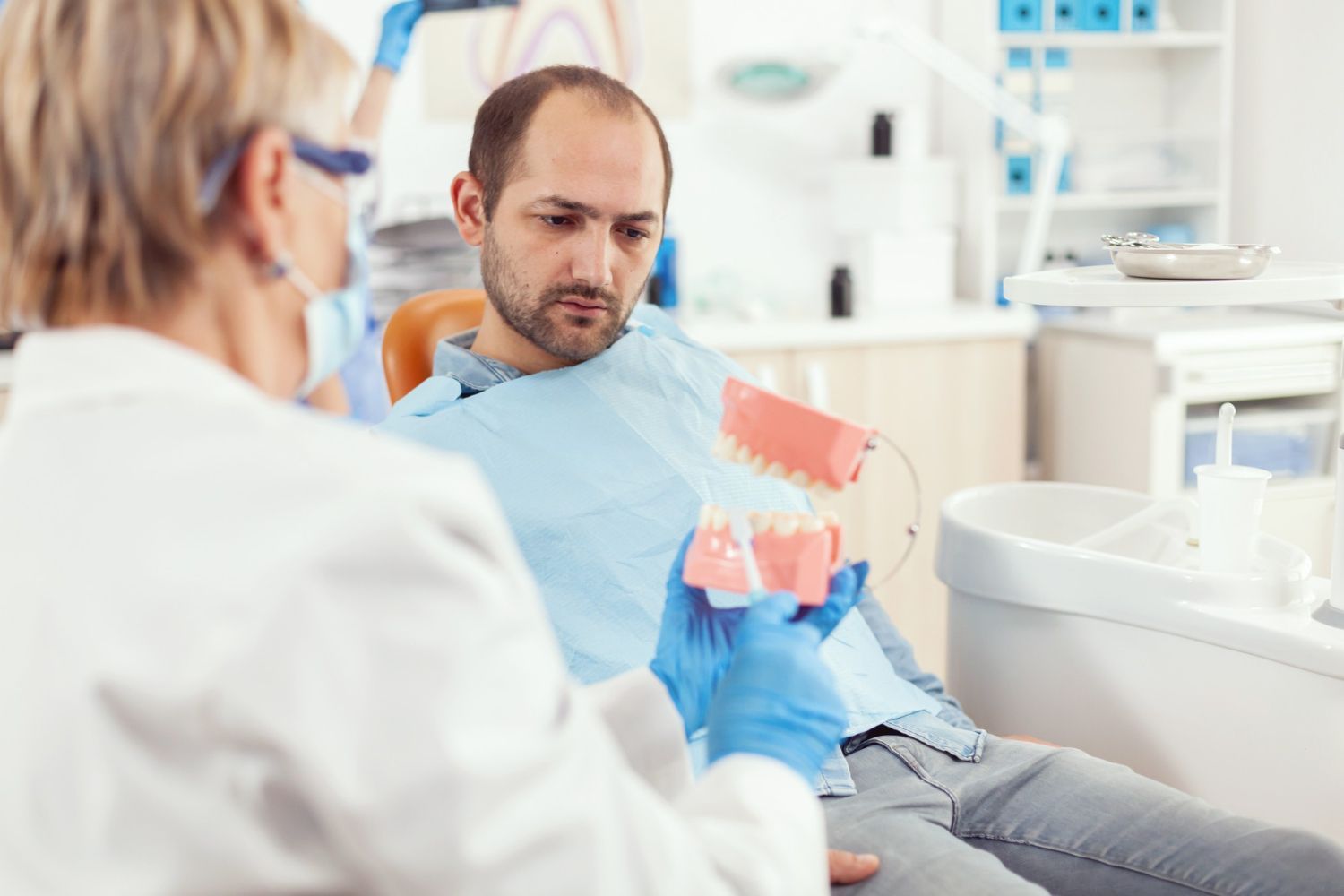
You should see a dentist if bad breath continues for several weeks despite consistent oral hygiene, or if it occurs alongside bleeding gums, tooth pain, swelling, or loose teeth. A professional examination can identify problems that home care may not resolve and help determine the appropriate treatment.
Bad breath that repeatedly returns shortly after brushing should not automatically be dismissed as a minor hygiene problem.
For example, someone with a healthy tongue and consistent cleaning habits may still experience unpleasant breath because of periodontal pockets or tooth decay.
A dentist may assess:
- Plaque and tartar accumulation
- Gum inflammation and periodontal pocket depths
- Cavities and existing restorations
- Tongue coating and saliva production
- Other oral conditions that could explain the odor
If you notice frequent gum bleeding, the dentist may also recommend an assessment for bleeding gums treatment in New York.
When no dental cause is identified, further medical evaluation may be appropriate.
Professional Treatment for Bad Breath at InStyle Dental
When home care isn't enough, identifying the source of the odor is more useful than repeatedly changing toothpaste or mouthwash.
At InStyle Dental in Manhattan, New York, general dentistry and preventive dental care help patients address oral conditions associated with persistent bad breath.
Depending on your examination findings, treatment may include professional plaque and tartar removal, periodontal care, management of dry mouth, treatment of cavities, or personalized oral hygiene recommendations.
The goal is to manage the underlying cause rather than simply cover the odor.
Treatment results depend on the diagnosis, and some patients may need ongoing maintenance or further medical evaluation.
Frequently Asked Questions About Bad Breath After Brushing
1. Why does my mouth smell after brushing teeth?
Your mouth may still smell because bacteria remain on your tongue, between your teeth, or beneath your gums. Dry mouth, cavities, and gum disease can also contribute. If the problem continues despite thorough daily cleaning, a dental examination can help identify the cause.
2. Can you have halitosis despite brushing twice a day?
Yes. Brushing twice daily is important, but it does not remove all plaque or bacteria from the mouth. Tongue coating, food trapped between teeth, and periodontal disease may cause halitosis despite brushing. Daily interdental cleaning and appropriate professional care can help.
3. Does dry mouth cause persistent bad breath?
Yes. Saliva helps clear food debris and maintain a balanced oral environment. When saliva production decreases, odor-producing bacteria may accumulate more easily. Frequent hydration and sugar-free gum may help, but persistent dryness should be assessed by a dentist or healthcare professional.
4. Can mouthwash permanently eliminate bad breath?
Mouthwash may help reduce bacteria or temporarily improve breath, but it cannot reliably eliminate bad breath caused by untreated cavities, periodontal infections, or other conditions. Lasting improvement usually depends on identifying and managing the underlying cause alongside consistent oral hygiene.
5. How long should bad breath last after brushing teeth?
There is no single normal duration for fresh breath because saliva flow, meals, oral bacteria, and individual health factors vary. If unpleasant breath returns almost immediately or persists for several weeks despite good cleaning habits, consult a dentist to investigate possible causes.
Conclusion: Fresh Breath Starts With Finding the Cause
Bad breath after brushing teeth does not always mean you are brushing incorrectly. Bacteria on the tongue, trapped food, dry mouth, cavities, and gum disease can all contribute to lingering odors.
Thorough brushing, daily flossing, gentle tongue cleaning, and adequate hydration are sensible first steps. If the problem persists, a dental evaluation can identify issues that require professional treatment.
Still struggling with bad breath even after brushing? InStyle Dental can help you understand what may be causing the problem and discuss appropriate treatment options.Schedule a dental consultation with InStyle Dental in NYC to take the next step toward healthier teeth, gums, and fresher breath.