Jaw Pain on One Side Near the Ear: Common Dental and TMJ Causes
Jaw Pain on One Side Near the Ear: Common Dental and TMJ Causes
Experiencing jaw pain on one side near ear level can make everyday activities like chewing, talking, or yawning uncomfortable. Sometimes the discomfort feels like an earache, even when the problem originates in the jaw joint or a nearby tooth.
The most common causes of one-sided jaw pain include temporomandibular disorders (TMD), teeth grinding, muscle tension, and dental infections. Ear conditions and other medical problems can also produce similar symptoms.
The location of the pain, what triggers it, and whether you experience swelling or clicking can help narrow down the possibilities. However, an examination is often necessary to identify the actual cause.
Understanding these differences can help you decide whether simple self-care is appropriate or professional treatment is needed.
Why Does My Jaw Hurt on One Side Near My Ear?
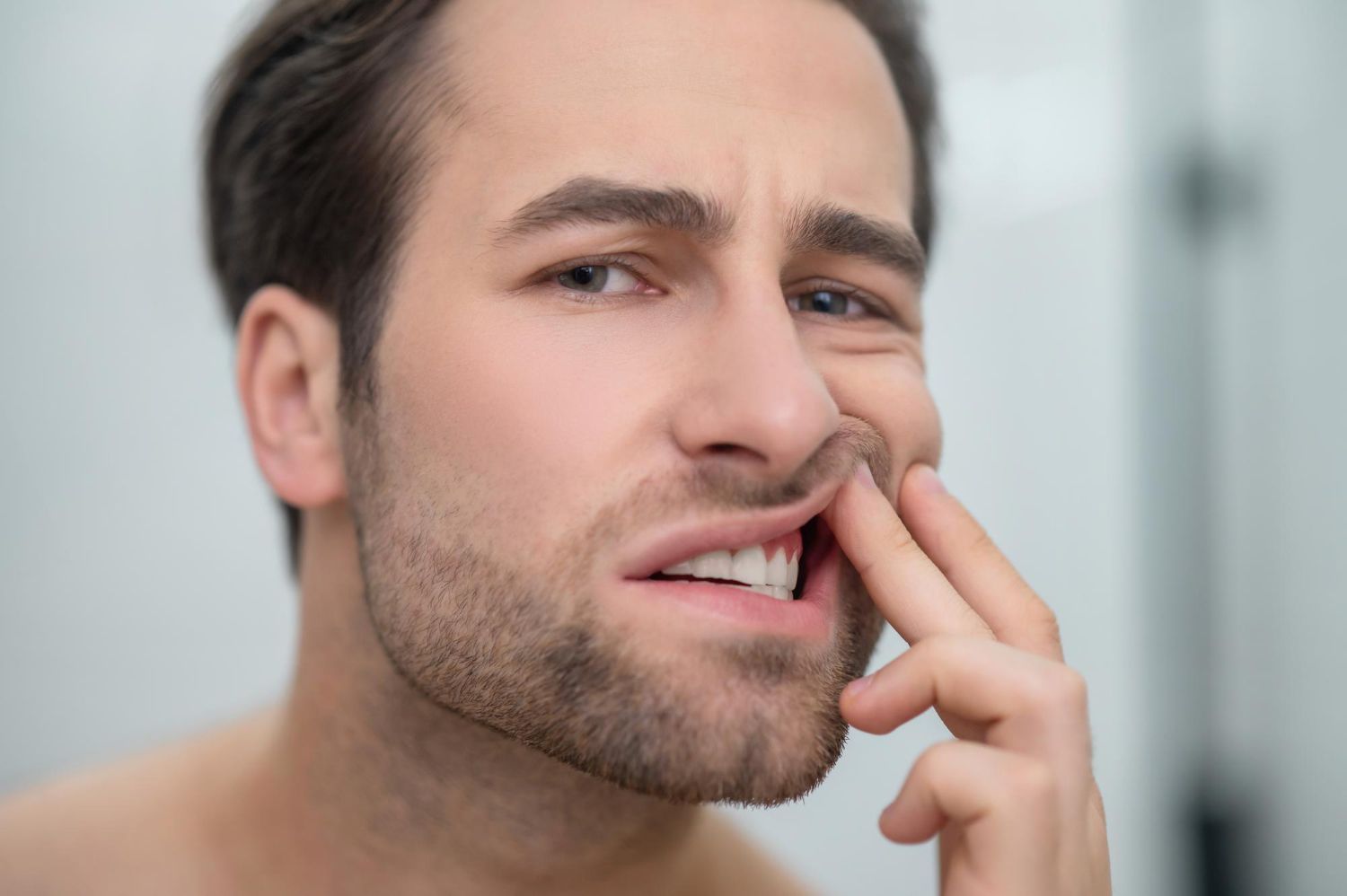
Jaw pain near one ear commonly develops from irritation of the temporomandibular joint (TMJ), tension in the chewing muscles, or a dental problem affecting nearby tissues. Because the jaw joint sits directly in front of the ear, discomfort can spread between these areas and feel difficult to pinpoint.
The TMJ connects your lower jaw to your skull and helps you open your mouth, chew, speak, and yawn.
You have two temporomandibular joints, one on each side of your face. Pain may occur on just one side when a particular joint, muscle group, or tooth is affected.
Common symptoms include:
- Tenderness directly in front of the ear
- Discomfort when opening or closing the mouth
- Pain when chewing tough foods
- Jaw clicking or popping
- Facial pain extending toward the temple
- Morning jaw stiffness
When symptoms persist, a professional jaw pain evaluation in New York can help identify whether the source is muscular, joint-related, or dental.
What Are the Most Common Causes of One-Sided Jaw Pain?
One-sided jaw pain can arise from temporomandibular disorders, strained chewing muscles, bruxism, damaged teeth, or dental infections. Some ear and sinus conditions can cause similar discomfort. Although these problems overlap in their symptoms, their treatments differ, making an accurate diagnosis important before choosing a treatment.
1. Temporomandibular Joint Disorders
Temporomandibular disorders, commonly called TMD, affect the jaw joints, surrounding muscles, or both.
The condition may cause pain by the jaw joint, tenderness near the ear, restricted movement, or discomfort while eating.
Some people also experience clicking or popping when opening their mouths.
Importantly, clicking without pain is common and does not necessarily require treatment. Persistent pain, limited movement, or painful clicking deserves further evaluation.
A dentist can assess these symptoms and discuss appropriate TMJ treatment in New York, often beginning with conservative approaches.
2. Teeth Grinding and Jaw Clenching
Bruxism refers to repeated teeth grinding or jaw clenching, which may occur during sleep or while awake.
These habits can place additional strain on the masticatory muscles responsible for chewing.
Someone who clenches their teeth at night may wake up with:
- One-sided jaw soreness
- Tightness around the temples
- Tooth sensitivity
- Tired or tender chewing muscles
- Discomfort when opening the mouth widely
Grinding does not always produce noticeable symptoms, and it is not the cause of every TMJ problem.
If your symptoms suggest nighttime clenching, a teeth grinding assessment can help identify signs of tooth wear and discuss whether a protective appliance or other measures may be suitable.
3. Dental Abscess or Tooth Infection
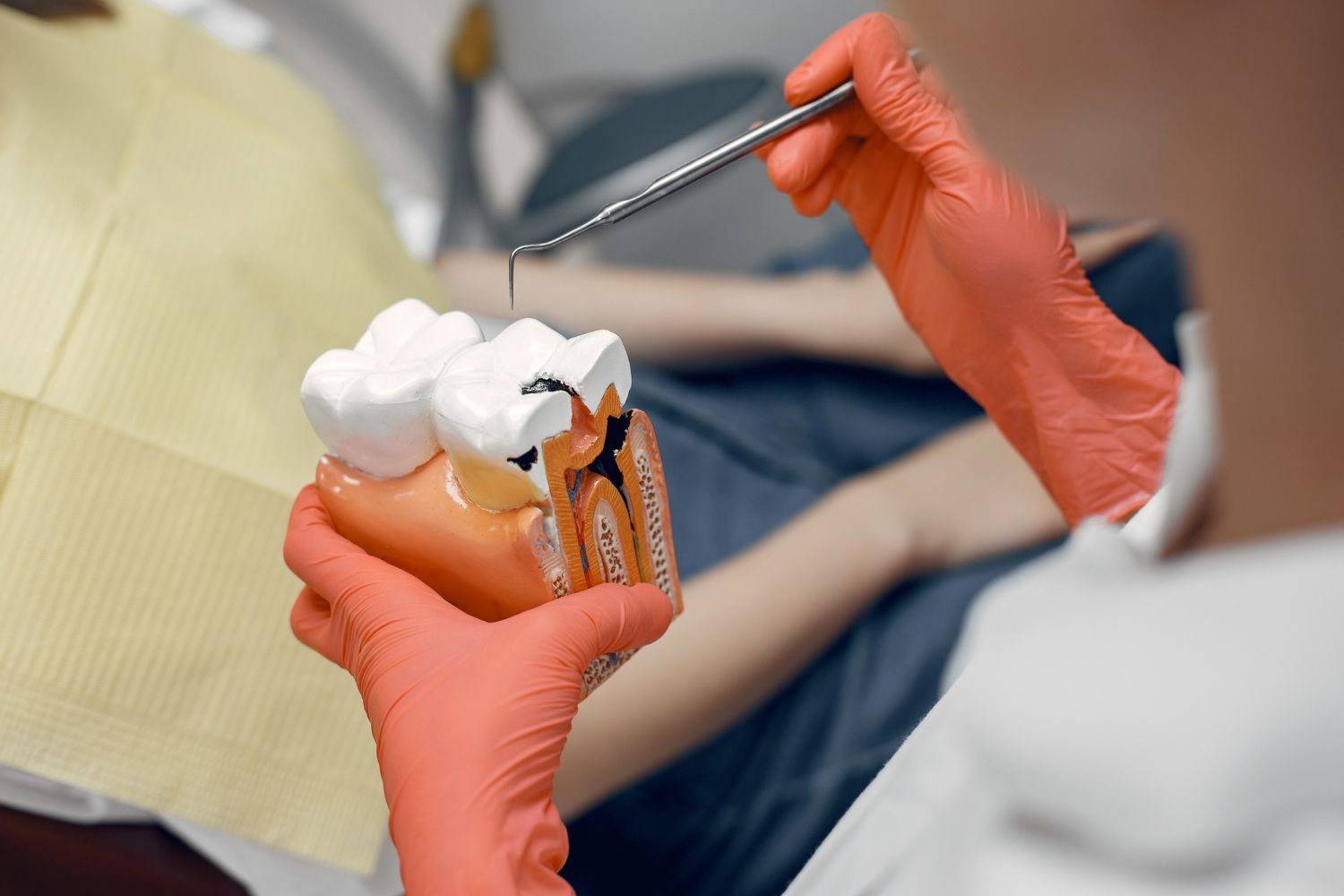
A dental abscess is an infection that produces a collection of pus around a tooth or in the surrounding tissues.
Pain from an infected tooth can sometimes spread toward the jaw, ear, or side of the face.
Unlike ordinary muscle soreness, an abscess may also cause:
- Persistent or throbbing toothache
- Swelling of the gums, face, or jaw
- Pain when biting
- Sensitivity to hot or cold
- An unpleasant taste
- Fever in some cases
A suspected dental abscess requires prompt dental assessment because the infection will not reliably resolve without appropriate treatment.
When symptoms suggest a tooth-related problem, a tooth pain examination can help locate the affected tooth and determine the next steps.
If the dental pulp is infected or irreversibly damaged, root canal treatment in New York may be considered to preserve the natural tooth. Extraction may be necessary in other circumstances.
4. Muscle Strain and Facial Tension
The masseter and temporalis muscles help control chewing and jaw movement.
These muscles may become sore following prolonged clenching, excessive gum chewing, or unusually demanding jaw activity.
For example, discomfort that begins after chewing tough food or holding the mouth open during a lengthy procedure may have a muscular component.
Muscle-related pain often increases when the affected muscles are used or pressed.
Persistent symptoms still need evaluation because muscle pain and joint problems can occur together.
5. Ear Problems and Referred Pain
Not every painful sensation near the jaw originates from the teeth or TMJ.
Ear infections, inflammation, and other ear conditions may cause pain in nearby areas.
The reverse can also happen: jaw-related pain can be perceived as an earache. This is known as referred pain.
The concept of ear referral is important because the ear, jaw joint, teeth, and surrounding muscles share overlapping sensory pathways.
Symptoms such as ear discharge, hearing changes, or significant ear-related discomfort warrant medical assessment rather than assuming the problem is dental.
How Can You Tell Whether Jaw Pain Comes From TMJ or a Tooth?
TMJ-related discomfort is often associated with jaw movement, muscle tenderness, stiffness, or painful clicking. Dental pain may be more localized to a tooth and accompanied by temperature sensitivity or discomfort when biting. Neither pattern is definitive because dental problems and temporomandibular disorders can produce overlapping symptoms.
A few practical differences may help:
Pain that increases when chewing or opening your mouth
This may suggest a jaw joint or muscle problem, particularly when accompanied by stiffness or tenderness in front of the ear.
Pain concentrated around one tooth
A damaged or infected tooth may cause discomfort when biting, drinking something cold, or applying pressure.
Pain accompanied by jaw clicking
Painful clicking and restricted movement may indicate a temporomandibular disorder. Painless clicking alone is not necessarily concerning.
Pain with swelling or fever
Swelling, fever, or a worsening toothache raises concern about infection and requires prompt assessment.
The purpose of a dental examination is to make a differential diagnosis: distinguishing between conditions that produce similar symptoms before recommending treatment.
How Can You Relieve Jaw Pain Near the Ear at Home?
Mild jaw discomfort related to muscle strain or temporomandibular disorders may improve with softer foods, reduced jaw activity, and gentle heat or cold. These measures can provide temporary relief, but they do not treat dental infections, fractures, or other underlying conditions that require professional care.
If the pain is mild and there are no warning signs, consider this step-by-step approach.
Step 1: Rest Your Jaw
Choose softer foods for a short period and avoid foods that require prolonged chewing.
Reduce gum chewing, nail biting, and excessive jaw movements.
Avoid deliberately opening your mouth wide to test whether the pain is improving.
Step 2: Apply Gentle Heat or Cold
Try a warm compress over the affected area for approximately 10–15 minutes if muscle tightness is prominent.
Some people prefer a cold pack for localized soreness.
Always place a cloth between your skin and a cold pack.
Stop if the application worsens your symptoms.
Step 3: Reduce Clenching Habits
Notice whether you hold your teeth together while working, concentrating, or feeling stressed.
At rest, your teeth generally should not be pressed firmly together.
Gentle relaxation and improved awareness of daytime clenching may reduce unnecessary muscle strain.
Step 4: Consider Appropriate Pain Relief
Over-the-counter pain medication may provide short-term relief for some patients.
However, anti-inflammatory medicines are not suitable for everyone, particularly people with certain medical conditions or medication interactions.
Follow the product instructions and consult a pharmacist or healthcare professional if you are unsure.
Step 5: Monitor Your Symptoms
Observe whether the discomfort is improving, worsening, or changing.
Make a note of:
- Which side is painful
- Whether chewing triggers discomfort
- Any clicking or locking
- Tooth sensitivity
- Swelling or fever
- Morning stiffness
This information may help your dentist determine which structures need further examination.
How Do Dentists Diagnose and Treat Unilateral Jaw Pain?
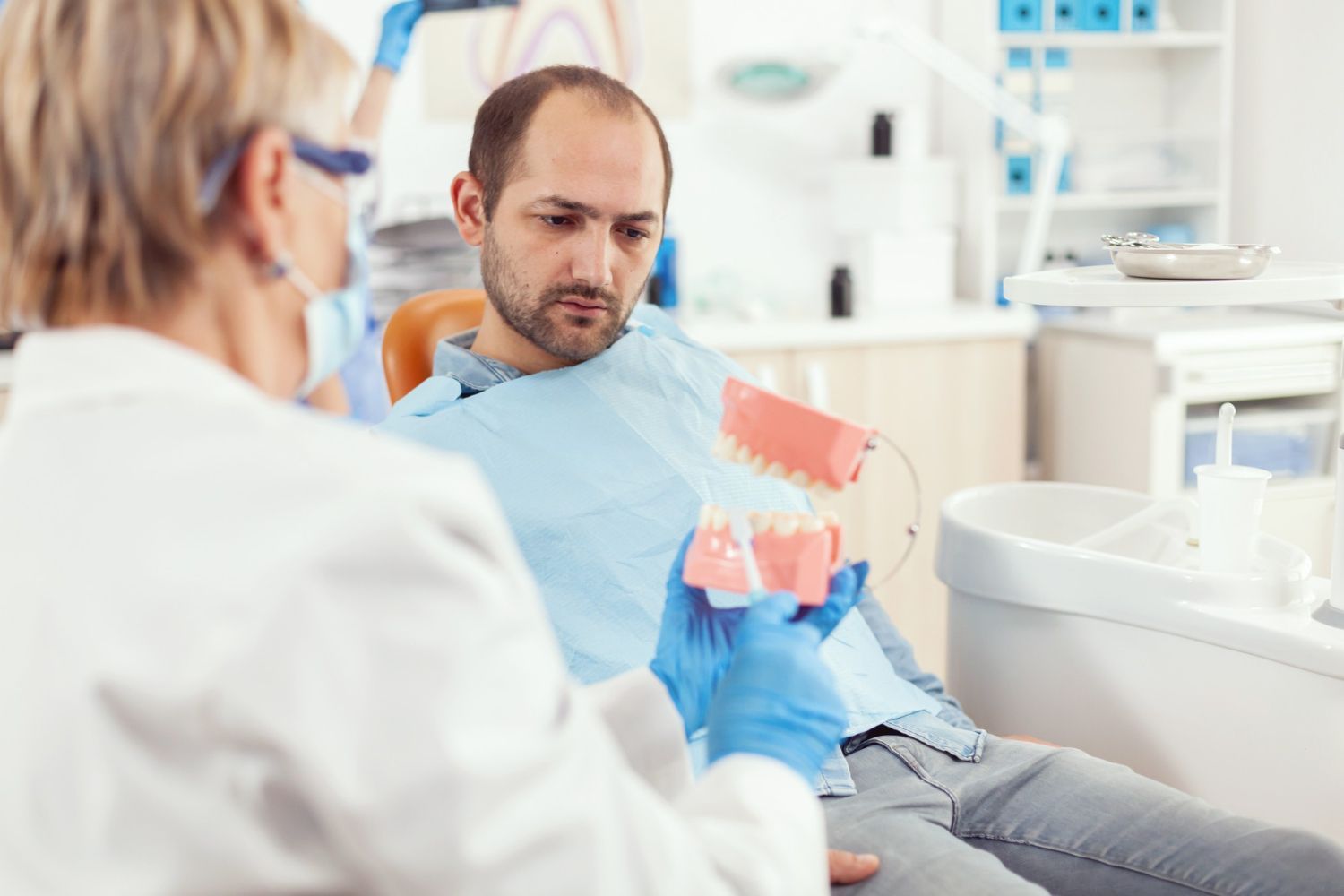
Dental evaluation of unilateral jaw pain begins with reviewing symptoms, examining the teeth and gums, and assessing jaw movement and muscle tenderness. Depending on the findings, treatment may involve conservative TMD care, management of bruxism, dental restoration, or infection treatment. Imaging is used when clinically indicated.
During an assessment, a dentist may check:
- Jaw opening and range of motion
- Tenderness in the chewing muscles
- TMJ noises associated with pain
- Signs of tooth grinding or wear
- Teeth, fillings, and gum condition
- Pain when biting or applying pressure
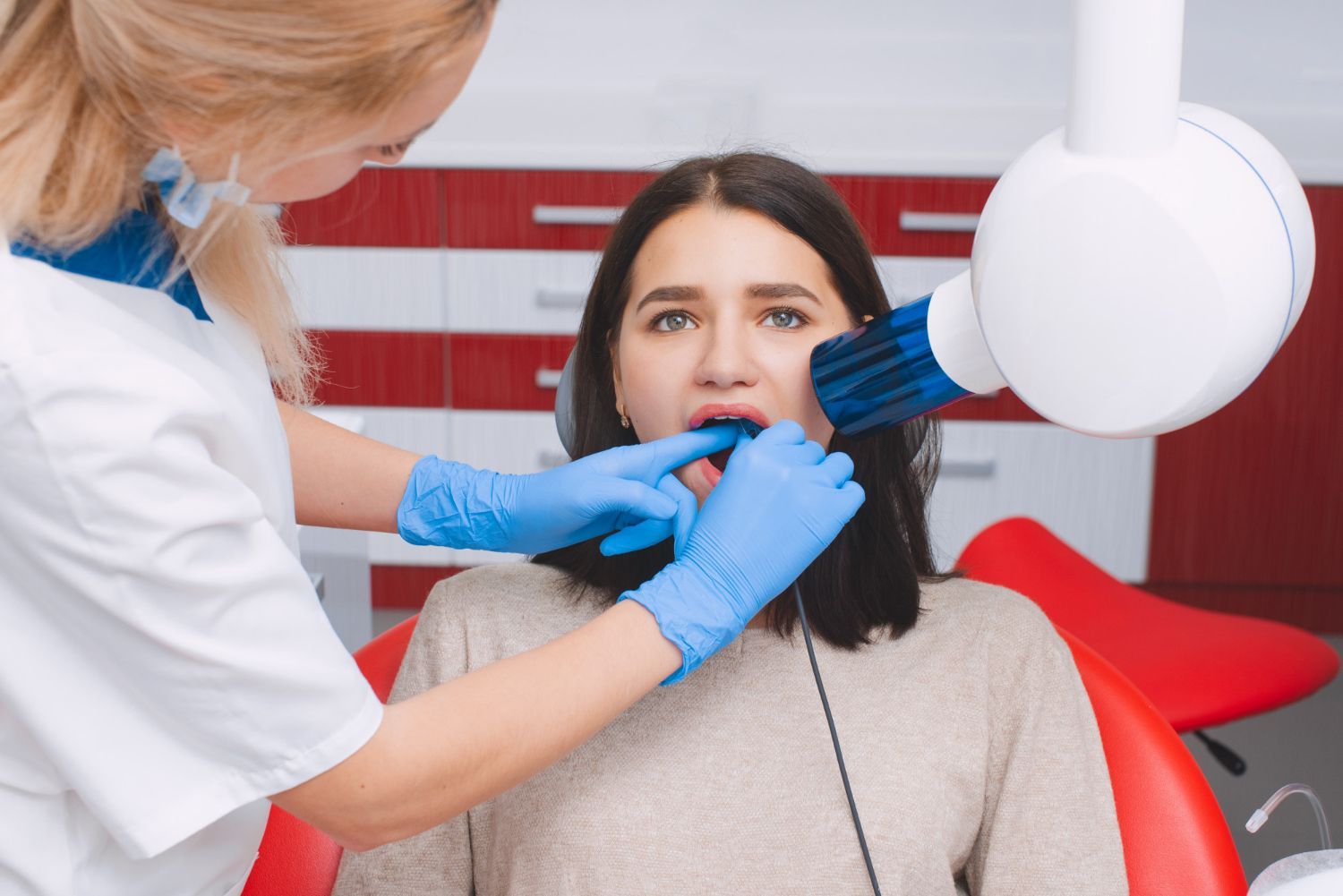
X-rays may be appropriate when a dental problem is suspected. More specialized imaging is reserved for situations where it would help clarify a diagnosis or guide treatment.
For many temporomandibular disorders, conservative treatment is preferred before considering invasive procedures.
Possible approaches include self-management, physical therapy, and selected oral appliances when appropriate.
The National Institute of Dental and Craniofacial Research explains these approaches in its evidence-based guide to temporomandibular disorders.
At InStyle Dental in Midtown Manhattan, general dentistry services can help assess dental contributors to jaw discomfort, while dental cleanings and examinations support routine oral health monitoring and identification of developing dental problems.
When Should You Seek Professional Help for Jaw Pain?
Arrange a dental assessment when jaw pain persists, repeatedly returns, worsens, or interferes with chewing and speaking. Seek prompt care for facial swelling, suspected infection, severe toothache, or difficulty opening the mouth. Some symptoms require emergency medical attention rather than a routine dental appointment.
Contact a dentist promptly if you notice:
- Pain that persists or progressively worsens
- Jaw locking or significant movement restriction
- Painful clicking accompanied by difficulty chewing
- Persistent toothache or bite sensitivity
- Gum or facial swelling
- Fever with dental discomfort
Seek emergency medical care for rapidly worsening swelling with difficulty breathing or swallowing.
Jaw pain accompanied by chest pressure, shortness of breath, sweating, or sudden unexplained discomfort may also indicate a medical emergency, particularly when the symptoms occur together.
Do not assume every episode of jaw pain is caused by TMJ dysfunction.
Frequently Asked Questions
1. Can TMJ Cause Jaw Pain on One Side Near the Ear?
Yes. Temporomandibular disorders can affect one jaw joint or the surrounding chewing muscles, producing pain on one side near the ear. Symptoms may include tenderness, stiffness, painful clicking, or difficulty opening the mouth. A dental examination helps distinguish TMJ-related discomfort from tooth infections and other possible causes.
2. Why Does My Jaw Hurt Near My Ear When I Chew?
Jaw pain during chewing may result from irritation of the temporomandibular joint, strained chewing muscles, bruxism, or an affected tooth. The location of discomfort alone cannot identify the cause. Persistent pain, restricted movement, or tooth sensitivity should be assessed professionally to guide appropriate treatment.
3. Is Jaw Clicking Without Pain a Sign of TMJ Disorder?
Jaw clicking without discomfort is relatively common and does not always indicate a condition requiring treatment. However, clicking accompanied by pain, locking, stiffness, or difficulty chewing may suggest a temporomandibular disorder. A dentist can evaluate these symptoms and determine whether monitoring or treatment is appropriate.
4. Can a Dental Abscess Cause One-Sided Jaw and Ear Pain?
Yes. A dental abscess can cause significant tooth or jaw pain that radiates toward the ear or surrounding facial tissues. Symptoms may include throbbing pain, swelling, fever, or discomfort when biting. A suspected abscess requires prompt dental treatment because untreated dental infections can spread.
5. How Long Should One-Sided Jaw Pain Last Before Seeing a Dentist?
Mild muscle-related discomfort may improve with short-term self-care, but pain that persists for several days, repeatedly returns, or interferes with eating deserves professional evaluation. Do not delay assessment when symptoms include swelling, fever, jaw locking, or significant toothache. Severe or rapidly worsening symptoms require more urgent attention.
Conclusion: Understanding One-Sided Jaw Pain Near the Ear
Jaw pain on one side near the ear can develop from TMJ disorders, bruxism, muscle strain, or dental conditions such as an infected tooth. Because the jaw, ear, and surrounding facial structures share overlapping pain pathways, the source is not always obvious.
Mild muscular discomfort may improve with conservative care, but persistent, worsening, or infection-related symptoms should not be ignored.
Identifying the actual cause is the first step toward choosing appropriate treatment and protecting your oral health.
Get Your Jaw Pain Evaluated at InStyle Dental
If discomfort near your ear is affecting your ability to chew, speak, or sleep comfortably, InStyle Dental provides dental evaluations and treatment options in Midtown Manhattan.
Schedule a jaw pain consultation with InStyle Dental to discuss your symptoms and determine the appropriate next steps.