Why Is My Mouth So Dry at Night? Common Causes and Dental Risks
Why Is My Mouth So Dry at Night? Common Causes and Dental Risks
Waking up with a sticky mouth, dry tongue, or an uncomfortable thirst can make it difficult to get a good night's sleep. If this happens regularly, you may wonder whether something more than dehydration is responsible.
The most common dry mouth at night causes include mouth breathing, dehydration, medication side effects, and naturally reduced saliva production during sleep. In some cases, nighttime dryness is associated with nasal congestion, sleep apnea, or an underlying medical condition.
Occasional dryness is usually manageable. However, persistent dry mouth, also called xerostomia, deserves attention because saliva plays an essential role in protecting your teeth and gums.
Understanding why it happens can help you find appropriate relief and avoid preventable dental problems.
Why Does Your Mouth Get Dry While Sleeping?
Dry mouth while sleeping occurs when saliva production decreases or moisture evaporates faster than it can be replaced. Salivary flow naturally slows during sleep, leaving the mouth more vulnerable to dryness. Mouth breathing, dehydration, certain medications, and medical conditions can make this normal overnight change more noticeable.
Your salivary glands continuously produce saliva to lubricate oral tissues, support swallowing, and protect teeth.
According to the American Dental Association, healthy adults typically produce approximately 0.5–1.5 liters of saliva per day, although production varies between individuals.
Saliva production follows a daily rhythm and reaches its lowest levels during sleep. This is why a person might feel comfortable throughout the day but wake up with an unusually dry mouth.
The important distinction is whether the dryness is occasional or becomes a recurring problem.
What Are the Most Common Dry Mouth at Night Causes?
Nighttime dry mouth can result from several overlapping factors, including sleeping with an open mouth, insufficient hydration, medications that reduce saliva, and sleep-related breathing problems. Persistent xerostomia at night may also be associated with diabetes, Sjögren's disease, or treatments that affect the salivary glands.
1. Mouth Breathing During Sleep
Mouth breathing is one of the most common explanations for waking up with a dry mouth.
When you breathe through your mouth instead of your nose, airflow increases moisture evaporation from your tongue, gums, and oral tissues.
Possible contributing factors include:
- Nasal congestion from allergies or a cold
- A blocked or restricted nasal passage
- Sleeping with your mouth open
- Snoring or other sleep-related breathing difficulties
If your mouth feels especially dry upon waking but improves after drinking water, mouth breathing may be contributing.
However, morning dryness alone cannot establish the cause.
2. Dehydration
Dehydration can reduce the moisture available to maintain normal oral comfort.
Not drinking enough water, sweating heavily, or losing fluids during illness may make nighttime dryness more noticeable.
Alcohol consumption can also contribute to dehydration, while frequent caffeinated drinks may worsen symptoms in some individuals.
If you occasionally wake up with dry mouth after a day of inadequate fluid intake, improving hydration may help.
Persistent dryness despite adequate hydration suggests another cause should be investigated.
3. Medication Side Effects
Certain prescription and over-the-counter medications can reduce saliva production.
Common examples include some:
- Antihistamines and decongestants
- Antidepressants
- Blood pressure medications
- Medications for bladder-control problems
- Medicines with anticholinergic effects
The timing of medication use may influence when symptoms are most noticeable.
If nighttime dry mouth began after starting a new medication, discuss it with your prescribing clinician. Never stop or adjust a prescribed medication without medical advice.
4. Sleep Apnea and Snoring
Obstructive sleep apnea is a condition in which breathing repeatedly becomes blocked or restricted during sleep.
People experiencing sleep apnea may also snore or breathe through their mouths, contributing to dryness.
Symptoms that deserve medical evaluation include loud snoring, witnessed breathing pauses, gasping during sleep, morning headaches, and excessive daytime sleepiness.
A dry mouth does not automatically mean you have sleep apnea. However, persistent nighttime dryness accompanied by these symptoms is a reason to discuss sleep-related breathing concerns with a qualified healthcare professional.
5. Underlying Health Conditions
Some medical conditions affect salivary gland function or contribute to fluid imbalance.
Examples include:
- Diabetes: Particularly when blood glucose is poorly controlled.
- Sjögren's disease: An autoimmune condition that can affect tear and saliva production.
- Salivary gland disorders: Conditions that interfere with normal saliva flow.
- Cancer treatments: Radiation involving the head and neck can damage salivary glands, while some medications used in cancer treatment affect saliva consistency.
These conditions require proper diagnosis. Dry mouth by itself is not enough to determine whether an underlying disease is present.
Why Is Nighttime Dry Mouth Bad for Your Teeth?
Persistent nighttime dry mouth can increase the risk of cavities, enamel damage, gum irritation, and oral infections because saliva helps neutralize acids and clear food particles. When salivary flow is reduced, bacteria and acids remain in contact with teeth for longer, weakening their natural protection.
Increased Risk of Cavities
Saliva helps control the oral environment by washing away food debris and supporting tooth remineralization.
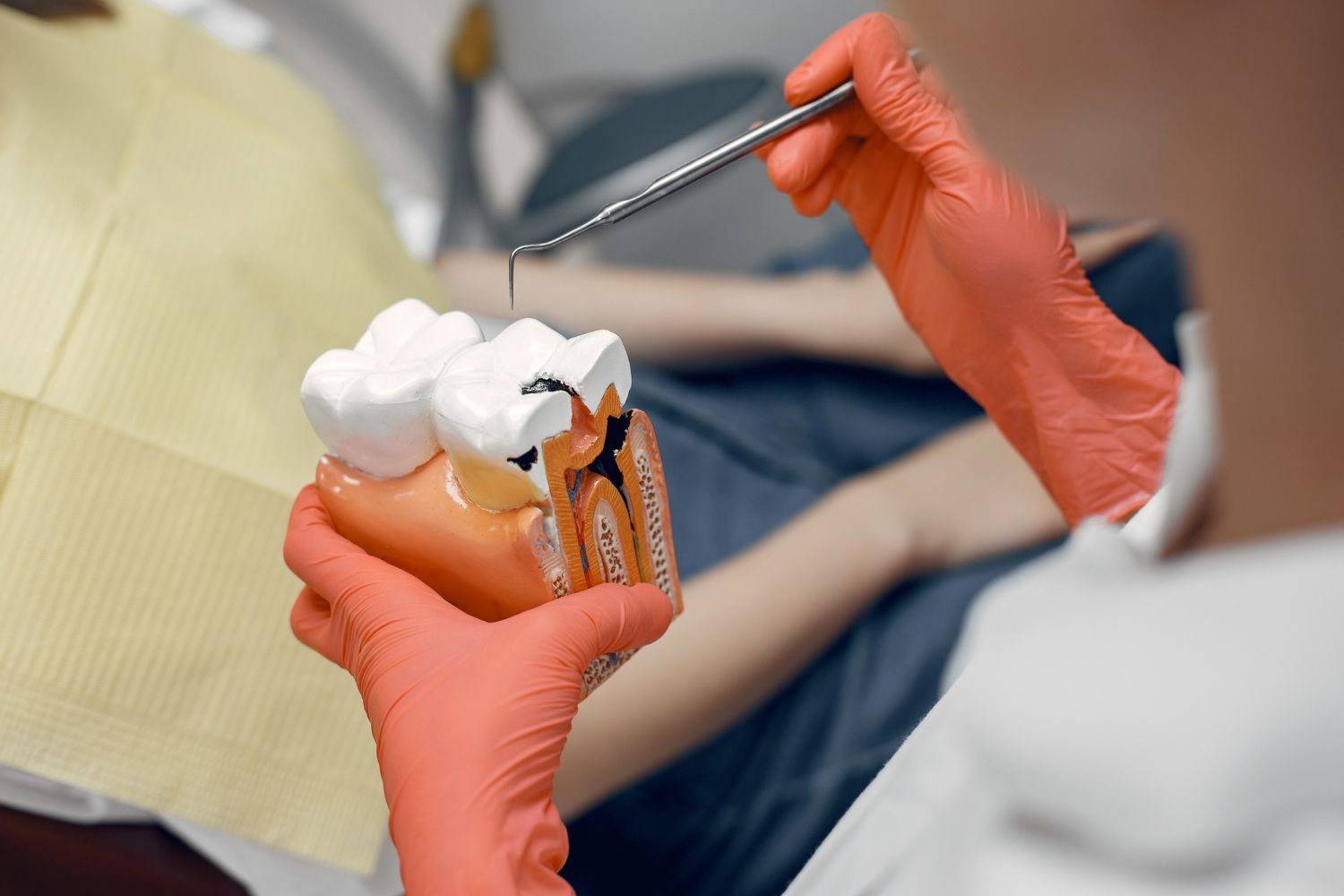
When saliva is insufficient, acids produced by plaque bacteria can remain on the teeth for longer.
Over time, this may increase the likelihood of cavities, particularly around exposed roots or areas that are difficult to clean.
If decay develops, dental fillings in New York may be recommended to restore affected teeth.
Gum Irritation and Oral Infections
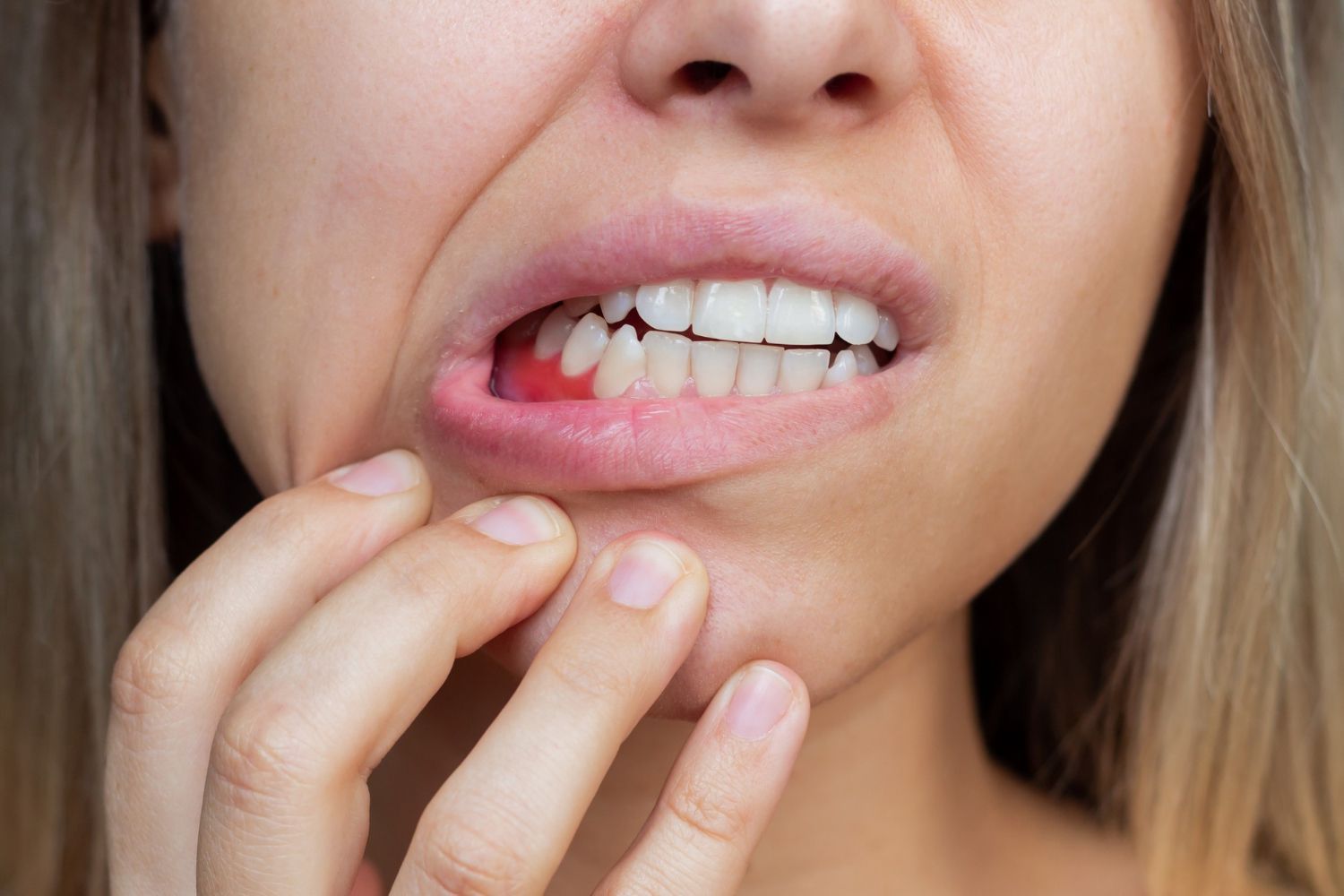
Dry oral tissues may become uncomfortable, irritated, or more susceptible to certain infections.
People with persistent xerostomia may notice soreness, cracked lips, or changes in the appearance of their tongue.
Dry mouth can also accompany gum inflammation, although gum disease has several contributing factors.
If you experience bleeding, swelling, or recurring gum discomfort, professional periodontal disease treatment in New York may be appropriate after an examination.
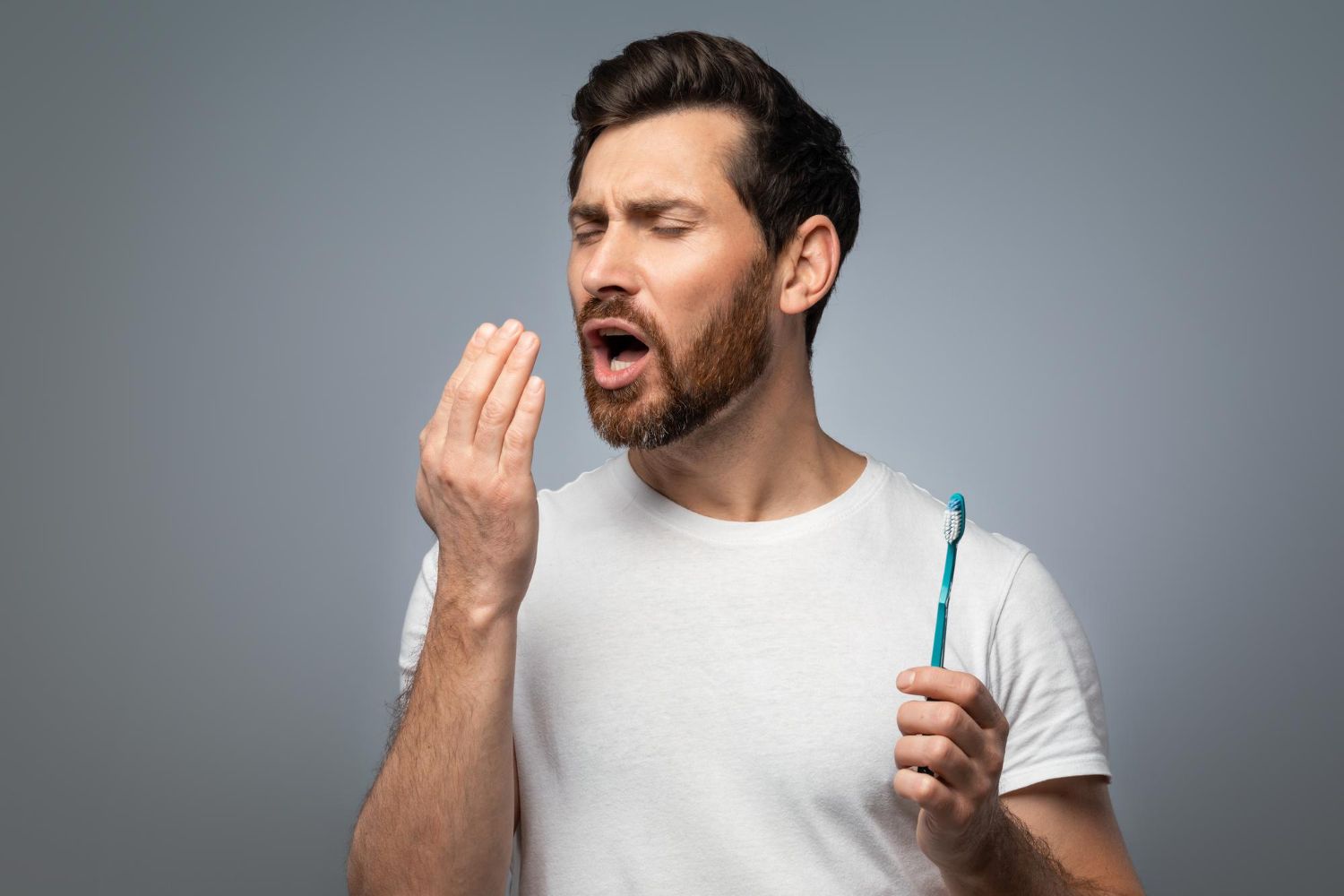
Bad Breath
Saliva naturally helps clear debris and maintain a balanced oral environment.
Reduced saliva can allow odor-producing compounds to accumulate, making morning breath more noticeable.
However, persistent bad breath may also involve plaque buildup, periodontal problems, or other conditions.
An evaluation for bad breath treatment in New York can help identify the factors contributing to ongoing odor.
How Can You Prevent Dry Mouth at Night?
You can reduce mild nighttime dry mouth by staying hydrated, improving oral hygiene, limiting irritating drinks, and using products designed to moisturize oral tissues. These approaches may relieve symptoms, but they cannot always correct medication-related dryness, salivary gland disorders, or breathing problems that require professional treatment.
Try the following practical routine.
Step 1: Maintain Hydration Throughout the Day
Drink water regularly rather than relying on a large amount immediately before bedtime.
Keep water nearby if you occasionally wake up thirsty.
People who must restrict fluids for medical reasons should follow their clinician's recommendations.
Step 2: Review Your Bedtime Habits
Consider reducing alcohol and excessive caffeine, particularly if they seem to worsen your symptoms.
Avoid tobacco and irritating mouth rinses containing alcohol.
If your bedroom air is particularly dry, a clean, properly maintained humidifier may improve comfort.
Step 3: Protect Your Teeth With Fluoride
Brush twice daily with fluoride toothpaste and clean between your teeth regularly.
Fluoride helps strengthen enamel and improve resistance to acid-related decay.
People with significant dry mouth or a history of frequent cavities may benefit from additional fluoride protection, depending on their individual risk.
Professional dental hygiene services in New York can support preventive care and help identify areas needing attention.
Step 4: Consider Saliva Substitutes
Over-the-counter dry mouth sprays, gels, and oral moisturizers may provide temporary relief.
Sugar-free gum or lozenges can stimulate saliva while you're awake, particularly products containing xylitol.
Do not chew gum or keep lozenges in your mouth while sleeping because of choking risk.
These products may improve comfort without correcting the underlying cause.
Step 5: Track Your Symptoms
For one to two weeks, observe whether dryness occurs every night or only under certain circumstances.
Record relevant patterns, including:
- Whether you wake up with dry mouth or experience it during the day
- Nasal congestion or snoring
- Changes in medications
- Water intake and bedtime habits
- Mouth soreness, unusual taste, or difficulty swallowing
This information can help your dentist or physician evaluate the problem more effectively.
When Should You See a Dentist for Nighttime Dry Mouth?
You should arrange a dental evaluation if nighttime dry mouth happens frequently, persists despite self-care, or causes discomfort, bad breath, or difficulty eating and speaking. A dentist can examine your teeth and oral tissues, assess possible contributors, and recommend preventive treatment or further medical evaluation.
A professional assessment is particularly important if you notice:
- Repeated cavities or increased tooth sensitivity
- Persistent mouth soreness or burning
- Difficulty chewing, swallowing, or speaking
- White patches or recurring oral infections
- Bleeding or inflamed gums
- Dryness that continues throughout the day
At InStyle Dental's general dentistry practice in Midtown Manhattan, dental care can help identify oral health changes associated with persistent dryness.
A comprehensive examination may involve reviewing symptoms, medications, oral hygiene habits, and signs of reduced saliva.
Professional dental cleanings and examinations also help identify early decay and other problems that may develop when the mouth remains dry.
For a more focused evaluation, dry mouth treatment in New York can address symptom management and the dental risks associated with xerostomia.
Depending on the suspected cause, your dentist may also recommend consultation with your physician, an ear, nose, and throat specialist, or a sleep medicine professional.
For additional evidence-based information, the National Institute of Dental and Craniofacial Research explains the causes, symptoms, and treatment of dry mouth.
Frequently Asked Questions About Nighttime Dry Mouth
1. Why Do I Wake Up With Dry Mouth Every Morning?
Waking up with dry mouth every morning may result from mouth breathing, naturally reduced saliva production during sleep, dehydration, or medication side effects. If the problem occurs consistently, particularly alongside snoring, nasal congestion, or daytime dryness, a healthcare professional can help identify the underlying cause and recommend appropriate treatment.
2. Can Sleep Apnea Cause Dry Mouth While Sleeping?
Yes, sleep apnea may contribute to dry mouth while sleeping, especially when it is associated with snoring or mouth breathing. However, dry mouth alone does not establish a sleep apnea diagnosis. Loud snoring, breathing pauses, gasping during sleep, and daytime sleepiness warrant evaluation by a qualified healthcare professional.
3. Can Medications Cause Xerostomia at Night?
Yes. Some medications reduce salivary flow and cause xerostomia, which may become more noticeable at night when natural saliva production is lower. Antihistamines, antidepressants, and certain blood pressure medications are possible contributors. If symptoms begin after a medication change, consult your prescribing clinician before making adjustments.
4. Can Nighttime Dry Mouth Cause Cavities?
Yes. Persistent nighttime dry mouth can increase cavity risk because saliva normally helps clear food particles, neutralize acids, and protect tooth enamel. Reduced saliva leaves teeth more vulnerable to decay. Fluoride toothpaste, appropriate preventive dental care, and treatment of the underlying cause can help reduce this risk.
5. How Long Does Nighttime Dry Mouth Take to Improve?
The time required for nighttime dry mouth to improve depends on its cause. Dehydration-related symptoms may ease after adequate fluid replacement, while medication-related or chronic salivary gland problems may need ongoing management. If dryness persists despite reasonable self-care or affects daily activities, arrange a professional evaluation rather than waiting indefinitely.
Conclusion: Don't Ignore Persistent Dry Mouth at Night
Nighttime dry mouth is often linked to mouth breathing, dehydration, medication side effects, or reduced saliva production during sleep. While occasional dryness may improve with simple changes, persistent xerostomia can increase the risk of cavities, gum problems, and oral discomfort.
The most effective approach is to identify the cause, manage symptoms appropriately, and protect your teeth through consistent preventive care.
Get Professional Help for Nighttime Dry Mouth at InStyle Dental
If you regularly wake up with a dry mouth or have noticed changes in your oral health, InStyle Dental in Midtown Manhattan can help assess your symptoms and recommend suitable next steps.
Schedule a dry mouth consultation with InStyle Dental to discuss your concerns and protect your long-term oral health.