Is Invisalign Faster Than Braces? Treatment Time Compared
Is Invisalign Faster Than Braces? Treatment Time Compared
Is Invisalign faster than braces? Sometimes—but not for every patient. For mild to moderate orthodontic problems, Invisalign treatment time can be similar to, and in some cases shorter than, treatment with traditional braces. However, research does not support a universal rule that Invisalign is always faster. Treatment complexity, the type of tooth movement required, and—especially with removable aligners—patient compliance all affect the orthodontic timeline. A 2024 systematic review found no significant treatment-duration difference between clear aligners and fixed appliances for mild to moderate crowding, although the certainty of evidence was low.
For patients considering Invisalign in New York City, the more useful question is: which treatment can predictably correct your specific orthodontic problem in the most appropriate timeframe?
Is Invisalign Faster Than Braces? The Direct Answer
Invisalign can be faster than braces in selected cases, but treatment speed depends more on the case than on the appliance alone.
Current evidence is mixed. One recent systematic review found similar treatment duration between clear aligners and fixed braces in mild-to-moderate non-extraction crowding cases. Another systematic review reported shorter treatment time with Invisalign across the studies it analyzed. More recent evidence also suggests that while duration may be similar in many non-extraction cases, fixed appliances may offer advantages for controlling certain movements in more complex extraction cases.
So, when patients ask “are braces or Invisalign faster?”, there is no single answer that applies to everyone.
Invisalign Treatment Time vs. Braces Treatment Time
The following comparison provides a more useful way to understand treatment speed.
FactorInvisalignTraditional BracesApplianceRemovable clear alignersFixed brackets and wiresPatient complianceVery importantLess dependent on wear complianceMild–moderate casesCan be efficientAlso effectiveComplex tooth movementsSuitability varies by caseMay offer greater control for certain movementsDaily wearTypically 20–22 hoursRemains fixed to teethTreatment timelineIndividually plannedIndividually plannedRetainer after treatmentUsually requiredUsually required
Importantly, published studies report averages across groups—not a guaranteed timeline for an individual patient.
A systematic review of comprehensive fixed-appliance treatment, for example, reported an average duration of approximately 20 months in the included prospective studies. That should not be interpreted as the expected braces treatment time for every patient because complexity and treatment requirements differ substantially.
What Determines Your Orthodontic Timeline?
Whether Invisalign or braces work faster depends on several interconnected factors.
1. Treatment Complexity
Minor spacing or crowding is very different from treating significant bite problems or complex tooth movements.
A relatively straightforward case may require fewer movements and therefore have a shorter treatment plan. More complex cases may require additional stages regardless of whether clear aligners or braces are used.
Recent systematic-review evidence suggests that fixed appliances may provide better control of some movements, including certain rotation and torque movements, although the available evidence remains limited.
Patients primarily concerned about tooth alignment can also review options for crooked teeth treatment in New York.
2. Aligner Wear Time and Patient Compliance
This is one of the biggest differences between Invisalign and braces.
Braces remain attached to the teeth. Invisalign is removable, which provides convenience but also gives the patient greater responsibility.
InStyle Dental advises patients to wear their Invisalign aligners 20–22 hours per day, removing them primarily for eating, drinking, brushing, and flossing. The practice notes that insufficient wear can cause treatment to take longer than planned.
Invisalign's own patient guidance likewise recommends 20–22 hours of daily wear and identifies compliance and case complexity as factors affecting treatment duration.
So even if your planned Invisalign treatment time is relatively short, inconsistent wear can extend it.
3. Type of Tooth Movement Required
Orthodontic treatment is not simply about making teeth look straight.
A treatment plan may need to manage:
- Crowding
- Spacing
- Tooth rotations
- Tooth angulation
- Bite relationships
- Vertical tooth movement
- Torque and root positioning
Different movements present different biomechanical challenges. This is one reason comparing Invisalign and braces based solely on a generic number of months can be misleading.
4. Your Starting Tooth Position
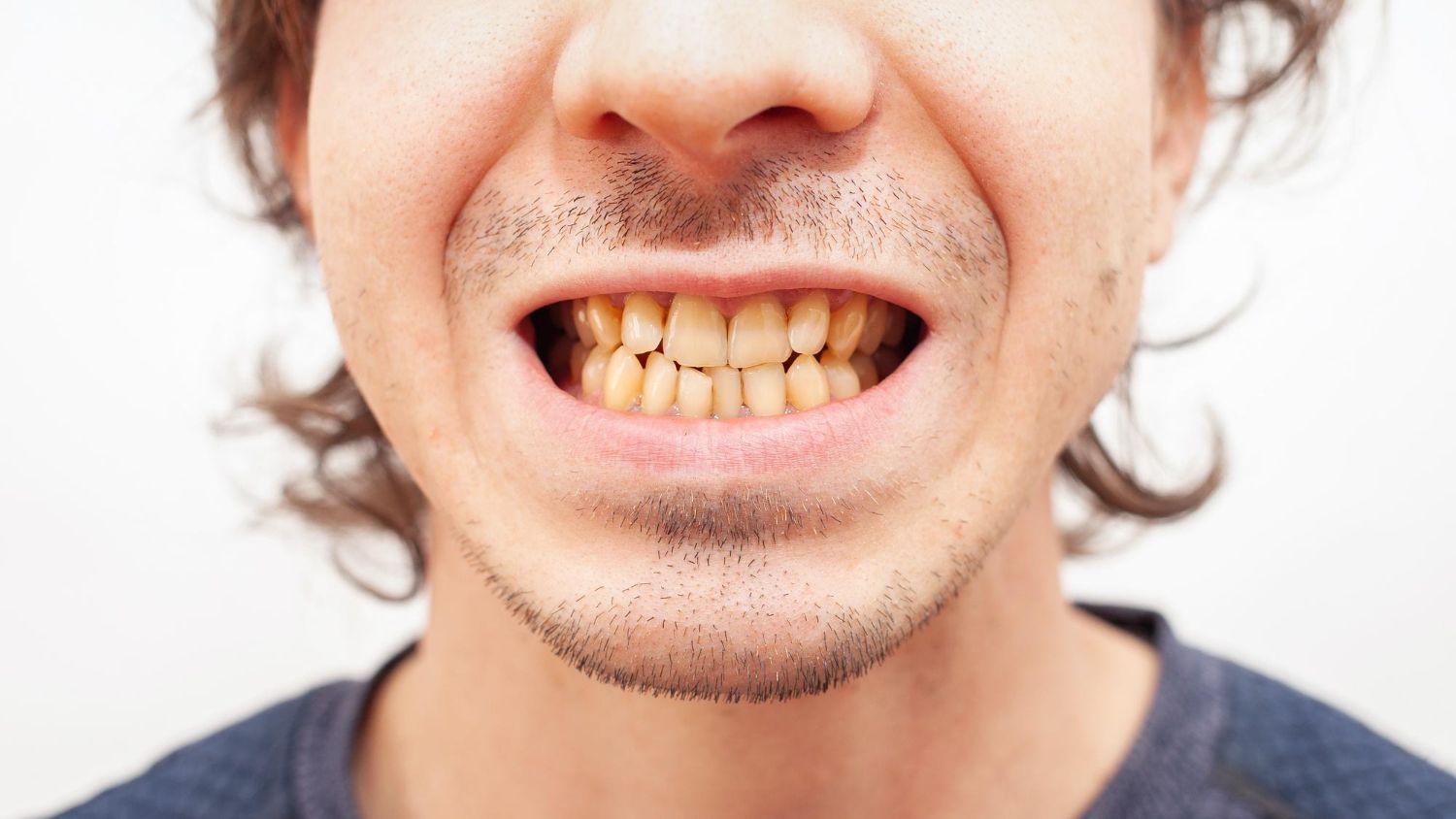
Two patients may both describe themselves as having “crooked teeth,” yet require very different treatment.
One might have minor crowding of the front teeth, while another has significant crowding combined with bite problems.
The starting position and the desired final position affect the number and complexity of movements required.
5. Treatment Adjustments and Refinements
Orthodontic treatment does not always progress exactly as initially simulated or estimated.
With Invisalign, additional refinement aligners may sometimes be required to achieve planned results. With braces, wire or bracket adjustments may be necessary as treatment progresses.
InStyle Dental explains that its Invisalign process includes periodic Manhattan appointments to monitor progress and make necessary adjustments.
How Does Invisalign Move Teeth?
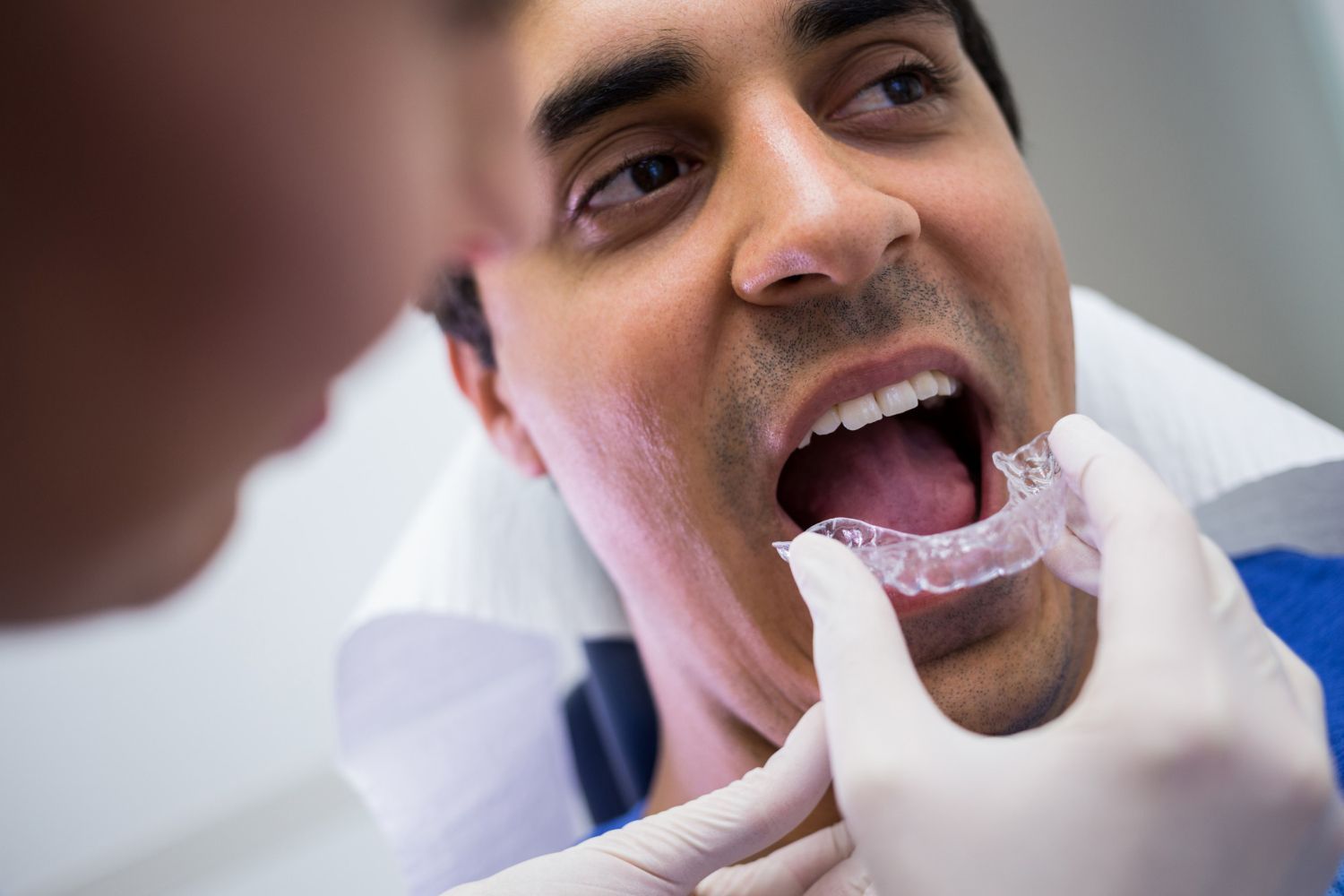
Invisalign uses a sequence of custom-made clear aligners that apply controlled forces to gradually reposition teeth.
At InStyle Dental, treatment begins with an evaluation followed by creation of a 3D digital model and personalized treatment plan mapping planned tooth movements. Patients then progress through sets of aligners, typically changing to another set approximately every one to two weeks according to their prescribed plan.
The basic process includes:
- Initial orthodontic assessment
- Digital treatment planning
- Custom aligner fabrication
- Daily aligner wear
- Scheduled aligner changes
- Progress evaluations
- Refinements when clinically necessary
- Retainer use after active treatment
Patients comparing treatment options may also find the site's Invisalign Q&A useful for questions about clear-aligner treatment. The page is included among InStyle Dental's Invisalign-specific resources.
Do Braces Work Faster Than Invisalign for Complex Cases?
They can in certain cases, but “braces are faster” is also too broad a statement.
Fixed braces give the clinician continuous control because the appliance remains attached to the teeth and does not depend on the patient remembering to wear it.
For some complicated movements or extraction-based treatment plans, that control may be advantageous. A recent systematic review found better treatment quality with fixed appliances in extraction cases, attributing this finding to greater control over tooth movements. For non-extraction cases, it found no significant overall difference in treatment quality or duration, although the evidence had limitations.
That means the question “do braces work faster than Invisalign?” should be answered only after examining the patient's teeth, bite, and treatment objectives.
When Could Invisalign Be the More Efficient Option?
Invisalign may offer an efficient treatment pathway for appropriately selected mild-to-moderate cases.
For example, a patient with modest spacing or crowding who consistently follows the prescribed aligner wear time may progress efficiently through the planned series.
The system can also appeal to adults who want removable, less noticeable orthodontic treatment. InStyle Dental describes Invisalign as an option for concerns including crooked teeth, crowding, gaps, and selected bite issues.
For patients comparing the financial side as well as treatment duration, the Invisalign cost in NYC guide can help explain pricing considerations.
When Might Braces Make More Sense?
Traditional braces may be considered when the clinician wants the control provided by a fixed appliance, particularly for certain complex orthodontic movements.
The decision should therefore not be reduced to “are Invisalign faster than braces?”
A treatment that appears faster initially is not necessarily the better choice if it cannot predictably accomplish the required tooth movements.
The objective is an appropriate final result—not simply finishing orthodontic treatment as quickly as possible.
Invisalign vs. Braces: Other Factors Beyond Speed
Treatment duration matters, but it should not be your only consideration.
Appearance and daily routine
Clear aligners are much less noticeable than conventional metal braces and can be removed temporarily for meals and oral hygiene.
Oral hygiene
Because Invisalign is removable, patients can brush and floss without working around fixed brackets and wires. Good hygiene remains essential with either treatment.
Routine dental cleaning and exams can help maintain oral health during treatment.
Responsibility
Removability is both an advantage and a limitation.
If aligners are regularly left out for too long, planned tooth movement can be delayed. Braces remove this particular compliance issue because they remain attached.
Cost
Price varies with case complexity, treatment duration, provider, and insurance benefits. InStyle Dental states that Invisalign cost depends partly on the complexity and length of treatment and that financing options are available.
Patients can review available dental insurance options and payment plans before treatment. Both are among the financial resources provided on the practice website.
How Can You Find Out Which Option Will Be Faster for You?
An individualized assessment is more reliable than an online average.
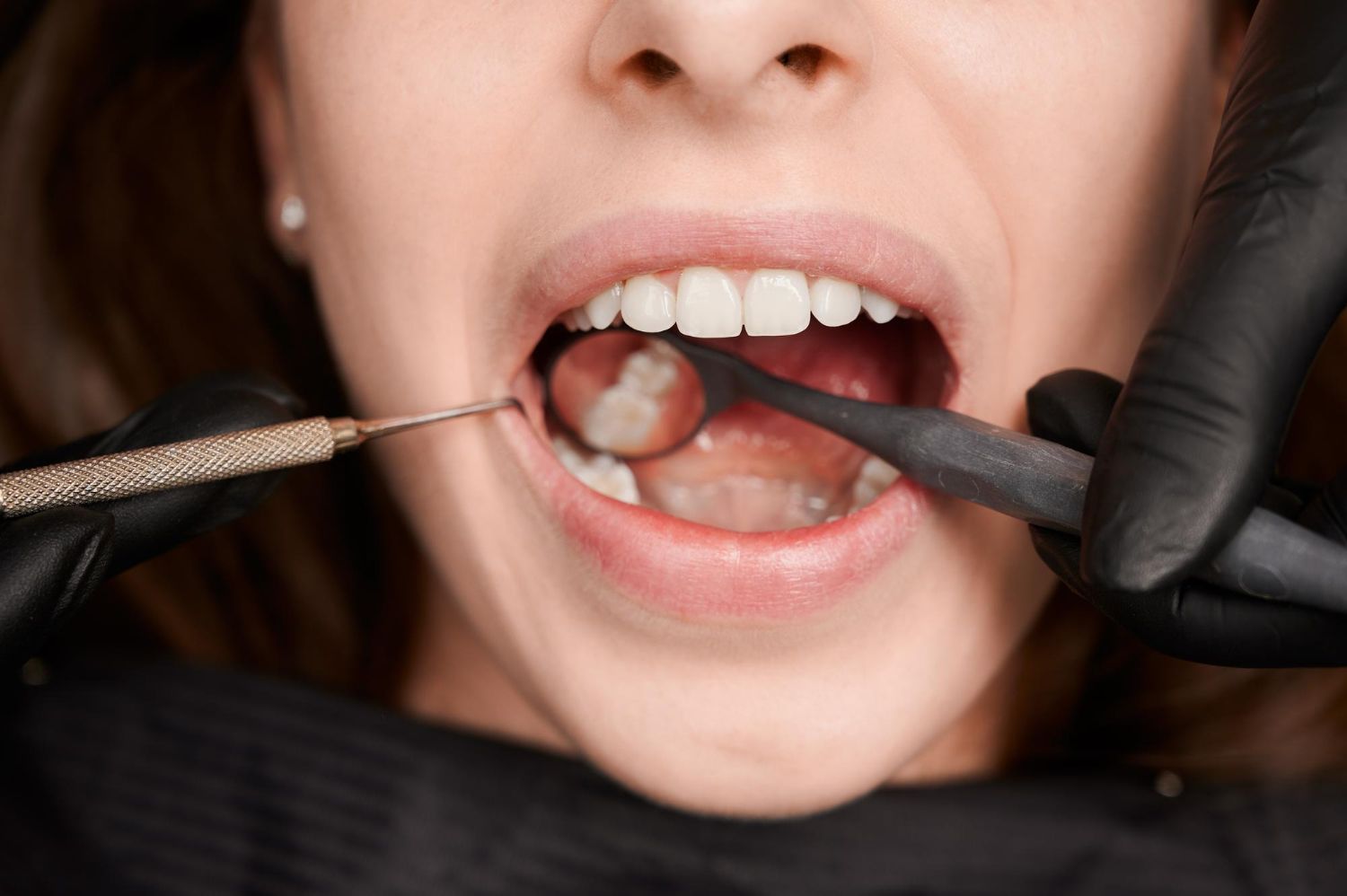
During an Invisalign consultation, the dentist can evaluate tooth position, crowding, spacing, bite relationships, oral health, and the movements needed to reach the desired result.
InStyle Dental states that its Invisalign planning process uses a digital model to create a personalized sequence of tooth movements.
Useful questions to ask during your consultation include:
- What is my estimated Invisalign treatment time?
- Would braces change my expected treatment timeline?
- What makes my case simple or complex?
- Which tooth movements will be most challenging?
- How much would inconsistent aligner wear delay treatment?
- Could I need refinement aligners?
- What type of retainer will I need afterward?
You can also review InStyle Dental's broader general dentistry services when planning ongoing oral care alongside orthodontic treatment.
FAQs About Invisalign vs. Braces Treatment Time
Is Invisalign faster than braces?
Sometimes. Invisalign may be as fast as or faster than braces for selected cases, but research does not establish Invisalign as universally faster. For mild-to-moderate crowding, a systematic review found no significant overall difference in treatment duration between clear aligners and fixed appliances.
Are braces or Invisalign faster for crowded teeth?
It depends on the severity and type of crowding. Mild-to-moderate non-extraction crowding may have similar treatment durations with clear aligners and fixed appliances. Severe crowding or cases requiring more complex movements need individualized assessment.
Are Invisalign faster than braces if I wear the aligners consistently?
Consistent wear helps Invisalign stay on its planned schedule, but it does not guarantee that treatment will be faster than braces. Invisalign recommends approximately 20–22 hours of daily wear, and treatment duration also depends on complexity and the required movements.
Do braces work faster than Invisalign for complex orthodontic treatment?
They may in some situations. Fixed appliances can provide advantages for certain difficult tooth movements and complex treatment plans. However, treatment should be selected according to clinical requirements rather than assuming one appliance is always faster.
What can make Invisalign treatment time longer?
Treatment can take longer when aligners are not worn for the prescribed time, the case requires complex movements, progress differs from the original plan, or additional refinement is needed. Patient compliance is particularly important because Invisalign is removable.
Conclusion: Is Invisalign or Braces Faster?
So, is Invisalign faster than braces? The most accurate answer is: it depends on your case.
Invisalign can provide an efficient treatment option, particularly for appropriately selected mild-to-moderate orthodontic problems, but research does not show that it is universally faster than braces. Treatment complexity, required tooth movement, starting alignment, refinements, and patient compliance can all influence how long treatment takes.
Rather than choosing solely on speed, choose the approach that can predictably accomplish your treatment goals.
If you're considering clear aligners in Manhattan, schedule an Invisalign consultation with InStyle Dental for an individualized assessment and estimated treatment timeline.