Instyle Dental | Invisalign Q & A
What options do I have to fix my crooked teeth?
If you have an overbite, underbite, or misaligned teeth, known as malocclusion, you might be delighted to know you have more options than traditional braces. Traditional braces are still suitable, but you may prefer less conspicuous options like tooth-colored braces.
If you have slight misalignments or gaps, you may be able to cover them up with veneers and bonding and skip braces altogether. Dr. Zharkina can place tooth-colored material over your natural teeth to fix minor irregularities.
Otherwise, clear aligners, such as the Invisalign® system, align your teeth without noticeable equipment or wires. It’s important to talk to your dentist about your goals and options to make sure you make a choice that’s right for you.
What is Invisalign?
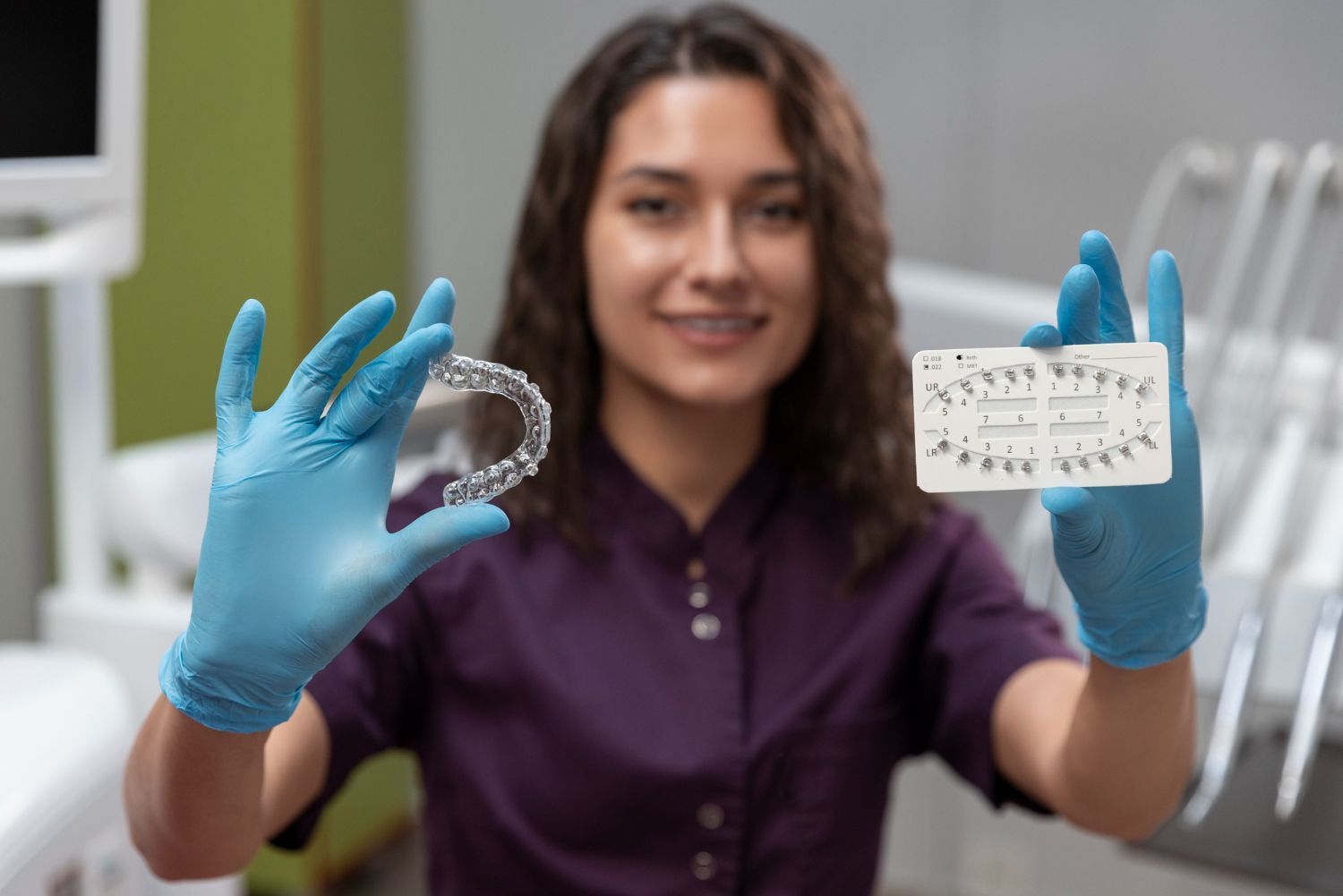
Invisalign is a system of clear 3D printed aligner trays that gradually shift your teeth into proper position. You wear the aligners over your teeth, and they move your teeth in a predictable pathway toward a straighter smile.
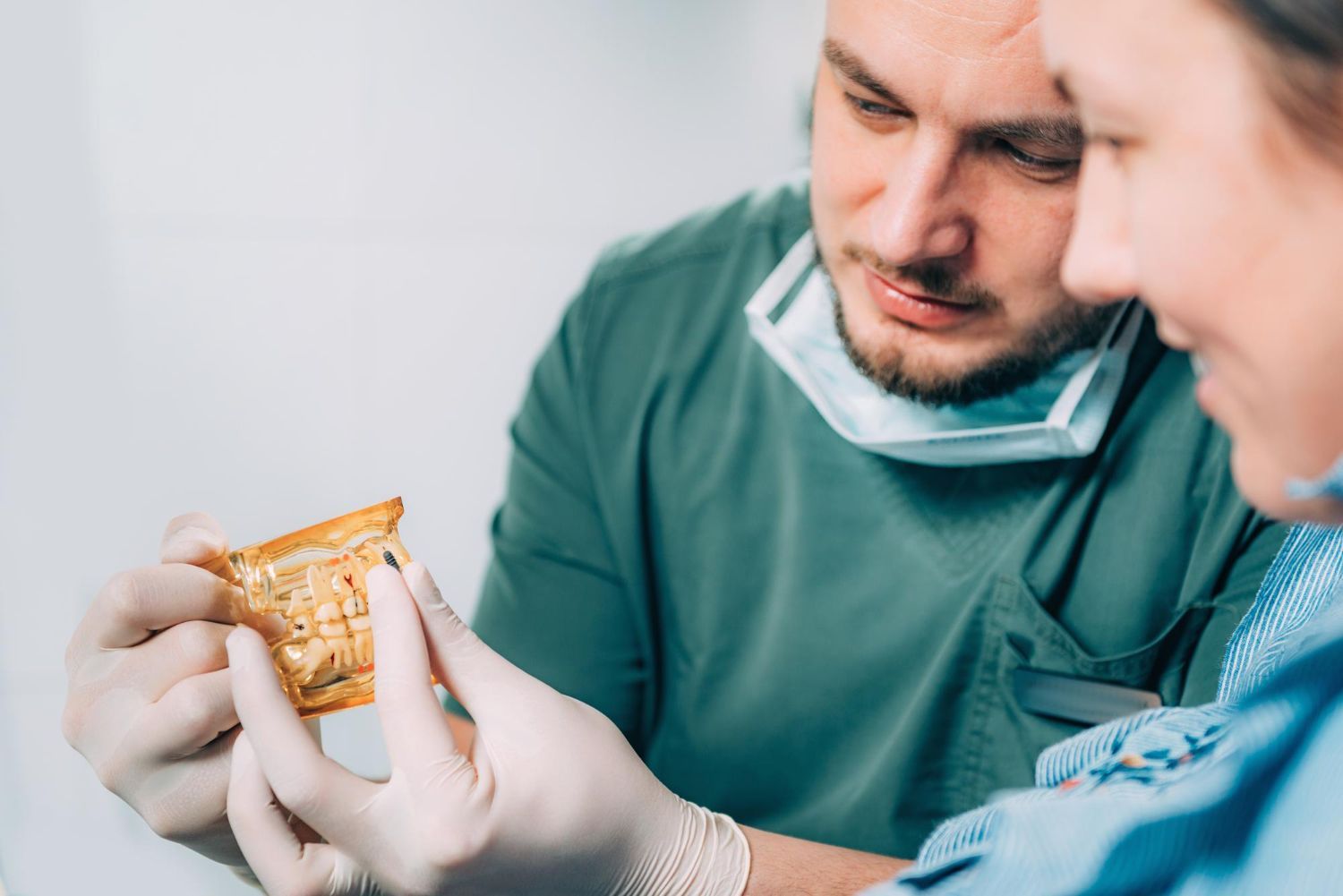
To start your Invisalign treatment, you have to meet with Dr. Zharkina to see if you’re a good candidate. If you are, she takes a digital scan of your teeth to map out a treatment plan.
The digital scan and software system produces a model of your current teeth and your teeth in optimal alignment. Then, it breaks down your transformation from start to finish in small increments to help guide your treatment.
The Invisalign trays are designed based on those increments. You wear each tray for 20-22 hours a day for one to two weeks, at which point you switch it out for the next one. Each aligner gets you closer to the finish line.
What are the benefits of Invisalign?
One of the most popular benefits of Invisalign is its inconspicuous design. Unless someone looks closely, they shouldn’t be able to tell you’re wearing them. Adults and teenagers who are self-conscious about braces appreciate the concealed look of Invisalign.
You also don’t have to worry about your brackets breaking or getting food caught in the wires, because there aren’t any. You can remove your plastic aligners to clean them and to eat, drink, and brush and floss your teeth.
Invisalign can treat a variety of alignment issues, and they continue to add to the types of cases they can help with every year.
If you’re interested in an Invisalign consultation with Dr. Zharkina, call the office or use the online booking tool today.
Understanding Invisalign
Invisalign is a modern orthodontic treatment designed to straighten teeth using clear, removable aligners instead of traditional metal braces. These custom-made aligners gradually shift your teeth into the desired position over time. Because the aligners are transparent, they are barely noticeable, making them a popular choice for teens and adults who want a more discreet way to improve their smile.
At InStyle Dental Care, Invisalign treatment is carefully planned to ensure effective and comfortable results. Each set of aligners is designed to gently move your teeth step by step while allowing you to remove them when eating, brushing, or flossing. This makes Invisalign both convenient and easy to maintain during daily routines.
Conclusion
Invisalign offers a comfortable and nearly invisible solution for achieving a straighter smile. With proper guidance from experienced dental professionals, patients can enjoy effective orthodontic treatment without the appearance and limitations of traditional braces. Want a straighter smile? Book your Invisalign consultation with InStyle Dental Care today.
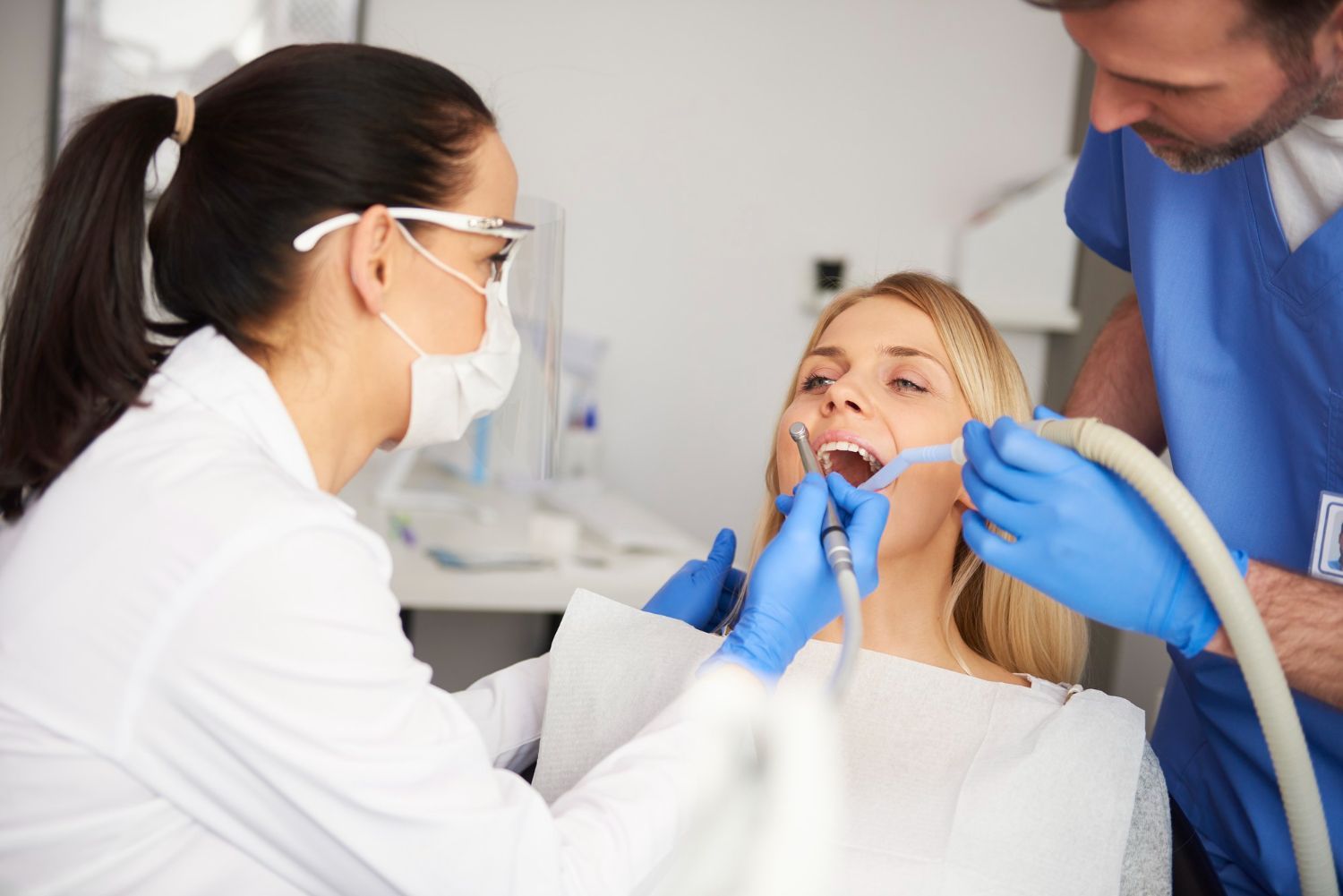
What Counts as Restorative Dentistry? Common Restorative Dentistry Procedures and When They Are Used