Preventive Dentistry: What is Preventive Dental Care?
Preventive Dentistry: What is Preventive Dental Care?
Preventive dental care is the practice of protecting your teeth and gums before problems become serious. It combines regular dental examinations, professional cleanings, early detection, and daily oral hygiene to help reduce the risk of cavities, gum disease, and other oral health conditions.
If you're wondering what does preventive dental care include and why is it important, the answer goes beyond brushing and flossing. Preventive dentistry also involves assessing your personal dental risks, identifying early warning signs, and taking practical steps to maintain a healthy smile.
At InStyle Dental in Midtown Manhattan, NYC, patients can explore general dentistry services designed to support long-term oral health.
What Is Preventive Dental Care?
Preventive dental care includes professional dental services and everyday habits that help maintain healthy teeth and gums. Its primary purpose is to identify potential problems early, reduce the risk of dental disease, and support long-term oral health through examinations, cleanings, risk assessments, and personalized recommendations.
Think of preventive dentistry as routine maintenance for your mouth.
Just as regular maintenance helps protect your home or car, consistent dental care can help prevent minor oral health concerns from developing into more complicated problems.
For example, early tooth decay may not cause noticeable discomfort. During a dental examination, a dentist may identify changes before a tooth becomes painful or requires more extensive treatment.
Preventive dental care is not a guarantee against dental disease. However, it creates opportunities to identify problems earlier and take appropriate action.
What Does Preventive Dental Care Include?
Preventive dental care generally includes dental examinations, professional cleanings, gum health assessments, oral hygiene education, and preventive treatments when needed. Dental X-rays, fluoride applications, sealants, and oral cancer screening may also be recommended according to individual risk factors, age, medical history, and clinical findings.
Not every patient needs every service at each appointment.
A dentist develops preventive recommendations based on the condition of your teeth and gums, previous dental history, and risk of developing future problems.
1. Routine Dental Exams
Dental exams help dentists identify cavities, gum inflammation, damaged restorations, bite problems, and other oral health concerns. During an examination, the dentist reviews your dental history, checks your teeth and surrounding tissues, and determines whether additional testing or treatment is necessary to maintain oral health.
Regular exams provide an opportunity to recognize changes that patients may not notice themselves.
For example, a small area of decay may develop without causing pain. Detecting it early can allow the dentist to discuss appropriate treatment before more extensive damage occurs.
Patients can learn more about dental cleaning and exams in New York and how these appointments support preventive care.
2. Professional Dental Cleanings
Professional dental cleanings remove plaque, tartar, and deposits that cannot be fully eliminated through brushing and flossing alone. These appointments support gum health, make it easier to maintain oral hygiene, and allow dental professionals to identify areas that require additional attention or improved cleaning techniques.
Plaque is a sticky bacterial film that continually develops on tooth surfaces.
If plaque is not removed effectively, it can harden into tartar, also called calculus.
Unlike soft plaque, tartar generally requires professional dental instruments for removal.
Professional cleanings complement daily brushing and flossing rather than replacing them.
Patients can also explore professional dental hygiene services in NYC for additional information about maintaining healthy teeth and gums.
3. Dental X-Rays
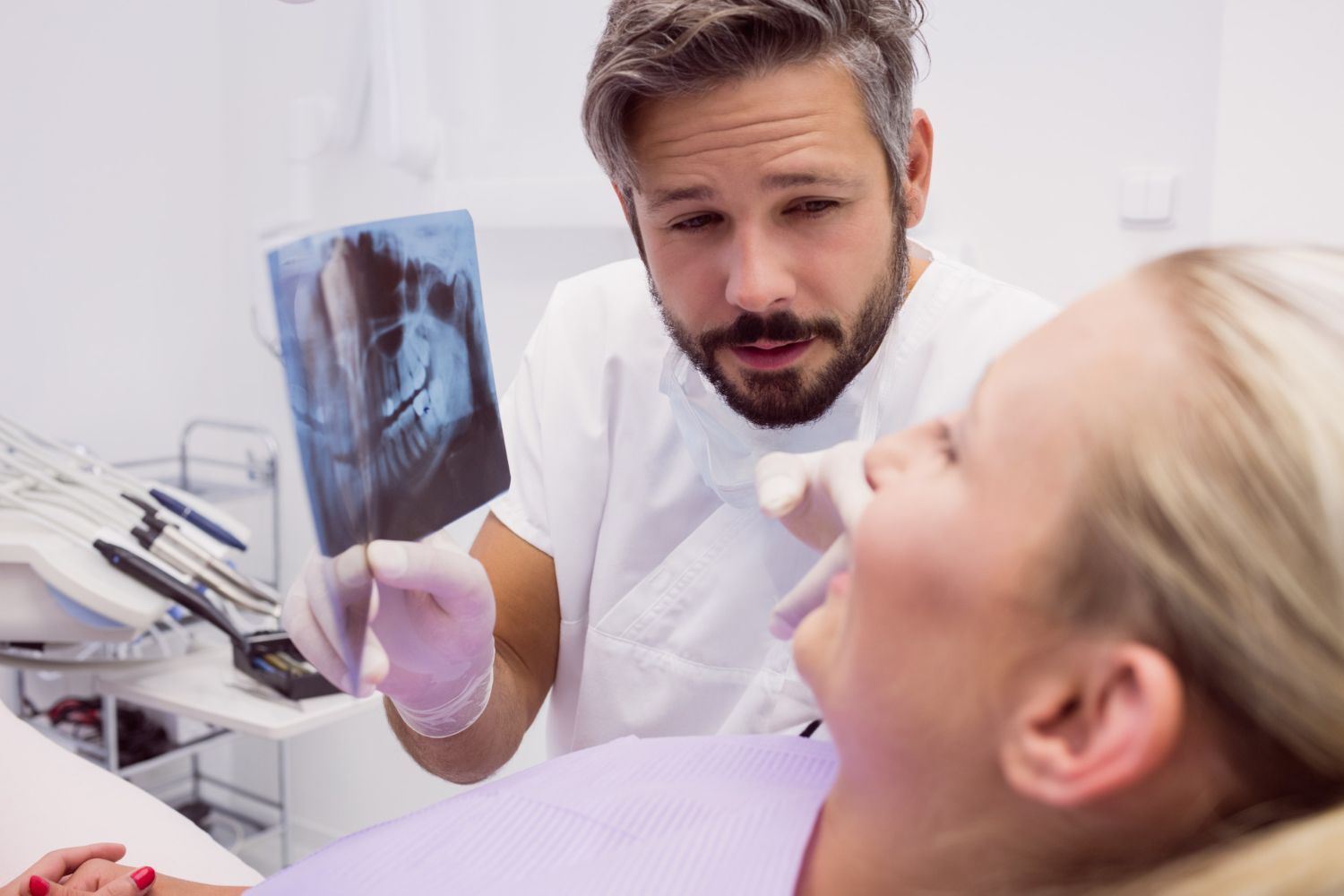
Dental X-rays help identify problems that may not be visible during a routine examination, including decay between teeth, bone changes, and certain dental infections. However, X-rays are recommended according to clinical need rather than automatically at every appointment. The dentist considers oral health history, symptoms, and individual risk.
For example, bitewing X-rays may help detect decay between neighboring teeth.
Other imaging may be needed to investigate a particular symptom or evaluate dental structures.
The American Dental Association's 2026 recommendations emphasize choosing dental imaging according to each patient's clinical needs.
4. Fluoride Treatments
Fluoride treatments can help strengthen tooth enamel and reduce the risk of tooth decay, particularly for patients with increased cavity risk. A dentist may recommend professional fluoride applications based on factors such as previous cavities, dry mouth, exposed root surfaces, or difficulty maintaining effective daily oral hygiene.
Fluoride supports the remineralization of weakened enamel.
It is not necessary for every patient to receive professional fluoride treatment at every visit.
Your dentist can explain whether additional fluoride would benefit your oral health.
5. Periodontal Screening
Periodontal screening evaluates gum health and looks for early signs of gingivitis or periodontal disease. The assessment may include checking for bleeding, gum inflammation, recession, and changes in the supporting tissues around teeth. Identifying these concerns early allows patients to receive appropriate preventive advice or treatment.
Healthy gums are essential for long-term tooth support.
Gums that bleed frequently during brushing or flossing should not simply be ignored.
Persistent bleeding, swelling, or gum recession may indicate inflammation or another dental condition that needs professional evaluation.
Patients experiencing ongoing symptoms can explore periodontal disease treatment in New York.
6. Oral Cancer Screening
Oral cancer screening involves examining the mouth and surrounding tissues for suspicious changes, such as persistent sores, unusual patches, lumps, or unexplained tissue changes. It may form part of a dental examination, particularly when symptoms or risk factors are present, but screening cannot definitively diagnose oral cancer.
A dentist may examine the tongue, cheeks, gums, lips, and other visible oral tissues.
If an unusual finding is identified, further evaluation or referral may be recommended.
Any mouth sore, unexplained lump, or abnormal patch that persists for more than two weeks should be professionally assessed.
Why Is Preventive Dental Care Important?
Preventive dental care helps reduce the likelihood of untreated dental problems and supports healthier teeth and gums over time. Regular examinations and effective oral hygiene can help identify concerns earlier, guide appropriate treatment, and reduce the need for more extensive dental procedures in certain situations.
Its benefits extend beyond maintaining a clean smile.
Early detection of cavities
Tooth decay can develop gradually without obvious symptoms. Dental examinations help identify possible problems before they become more severe.
Better gum health
Professional cleanings and periodontal assessments help manage plaque buildup and identify signs of gum inflammation.
Preserving natural teeth
Managing decay, gum disease, and other conditions appropriately may help patients retain their natural teeth for longer.
More informed dental decisions
Preventive visits give patients an opportunity to discuss symptoms, understand their dental risks, and explore available treatment options.
Potentially avoiding complex treatment
Addressing smaller problems early may reduce the likelihood of needing more extensive procedures later, although prevention cannot eliminate every dental problem.
How Often Should You Schedule a Preventive Dental Visit?
The appropriate frequency of preventive dental visits depends on your oral health, cavity risk, gum condition, and medical history. Many adults attend checkups approximately every six months, but some people benefit from more frequent appointments, while others may need less frequent visits based on their dentist's assessment.
The six-month interval is a familiar starting point, not a universal rule.
For example:
- Patients with generally healthy teeth and gums: May follow a routine schedule determined by their dentist.
- Patients with frequent cavities: May need closer monitoring and additional preventive recommendations.
- Patients with periodontal disease: May require more frequent periodontal maintenance appointments.
- Patients with dry mouth: May benefit from additional cavity-prevention measures.
Your dentist can recommend a suitable interval after reviewing your oral health.
How Can You Practice Preventive Dental Care at Home?
Preventive dental care at home involves brushing twice daily with fluoride toothpaste, cleaning between your teeth every day, limiting frequent sugar exposure, and following personalized dental recommendations. These habits help control plaque and support healthy enamel and gums between professional dental appointments.
A simple daily routine can make a meaningful difference.
Step 1: Brush Twice Daily
Brush your teeth for approximately two minutes each time using fluoride toothpaste and a soft-bristled toothbrush.
Clean all tooth surfaces gently, including areas near the gumline.
Step 2: Clean Between Your Teeth
Use dental floss, interdental brushes, or another recommended cleaning tool once daily.
These tools help remove plaque from spaces your toothbrush may not reach effectively.
Step 3: Be Mindful of Sugar Consumption
Frequent exposure to sugary foods and drinks can increase cavity risk.
Try to limit continuous snacking and sipping sugary beverages throughout the day.
Step 4: Drink Water Regularly
Water helps rinse away food particles and supports normal saliva function.
Fluoridated drinking water may also provide additional protection against tooth decay.
Step 5: Monitor Changes in Your Mouth
Pay attention to persistent bad breath, gum bleeding, tooth sensitivity, pain, or swelling.
For example, recurring gum bleeding may require evaluation and appropriate bleeding gums treatment.
Do not wait for your next routine appointment if you develop concerning symptoms.
What Is the Difference Between Preventive and Restorative Dentistry?
Preventive dentistry focuses on maintaining oral health and reducing the likelihood of dental disease, while restorative dentistry addresses existing tooth damage, decay, or missing tooth structure. Preventive services include examinations and cleanings, whereas restorative procedures may include fillings, crowns, bridges, and other treatments needed to restore function.
For example, identifying an early area of enamel demineralization may allow a dentist to recommend preventive measures.
However, if decay has progressed and formed a cavity, treatment may be necessary to restore the tooth.
A dental filling in New York may be recommended when a tooth has developed decay that requires repair.
Both types of dental care are important.
Preventive care aims to reduce disease risk, while restorative treatment manages problems that have already developed.
Does Preventive Dental Care Save Money?
Preventive dental care may help patients avoid some expenses associated with advanced dental disease by supporting earlier detection and appropriate treatment. However, savings are not guaranteed, and the cost of preventive appointments depends on individual needs, insurance coverage, treatment recommendations, and the services provided.
For example, managing a small dental problem may be less complex than treating extensive tooth damage that develops over time.
However, not every cavity or oral health issue is preventable.
Patients should review their dental benefits to understand what preventive services are covered.
You can explore dental insurance information at InStyle Dental when planning your dental visits.
Frequently Asked Questions About Preventive Dental Care
1. What Does Preventive Dental Care Include for Adults?
Preventive dental care for adults typically includes dental examinations, professional cleanings, gum assessments, and personalized oral hygiene recommendations. Depending on individual risk factors, a dentist may also recommend X-rays, fluoride treatments, or additional screening. The goal is to maintain oral health and identify concerns before they become more serious.
2. Is a Dental Cleaning Considered Preventive Care?
Yes, routine professional dental cleaning is generally considered a preventive dentistry service because it removes plaque and tartar that can contribute to gum inflammation and dental disease. However, deep cleaning or periodontal therapy may be classified differently because it treats existing gum disease rather than serving as routine prevention.
3. Are Dental X-Rays Necessary at Every Preventive Dental Visit?
No, dental X-rays are not necessary at every preventive dental visit. Their frequency depends on clinical findings, symptoms, dental history, age, and the patient's risk of developing oral disease. Dentists recommend imaging when it provides useful diagnostic information that cannot be obtained adequately through examination alone.
4. Does Preventive Dentistry Include Fillings?
Dental fillings are generally considered restorative rather than preventive treatment because they repair teeth affected by decay or damage. However, a preventive dental examination may identify a cavity that requires a filling. Early detection can help patients receive appropriate treatment before the damage becomes more extensive.
5. Can Preventive Dental Care Stop All Cavities and Gum Disease?
No, preventive dental care cannot guarantee that you will never develop cavities or gum disease. Genetics, medical conditions, medications, diet, oral hygiene, and other factors can influence dental health. However, consistent preventive care helps reduce avoidable risks and supports earlier detection and management of oral health problems.
Conclusion
Preventive dental care is about protecting your oral health before small concerns become more serious.
Regular dental exams, professional cleanings, appropriate screening, and consistent home care all contribute to healthier teeth and gums.
The right preventive routine varies from person to person, depending on dental history, gum health, and individual risk factors.
By maintaining good daily habits and following your dentist's recommendations, you can take practical steps toward protecting your natural smile.
Schedule Your Preventive Dental Visit at InStyle Dental
A healthy smile begins with consistent care.
At InStyle Dental in Midtown Manhattan, NYC, our dental team provides general and preventive dentistry services to help patients maintain their oral health and identify dental concerns early.
Whether you're due for a routine examination, professional cleaning, or have questions about your teeth and gums, scheduling an appointment is a practical first step.
Schedule Your Dental Appointment at InStyle Dental and take the next step toward healthier teeth and gums.