Crooked Teeth Treatment Options for Adults: What Can Correct Mild to Severe Misalignment?
Crooked Teeth Treatment Options for Adults
Crooked teeth treatment options for adults include clear aligners, traditional braces, ceramic braces, dental bonding, and veneers. The best choice depends on how severely your teeth are misaligned, whether your bite needs correction, and whether you want to move your teeth or improve their appearance.
Mild crowding may respond well to clear aligners, while complex alignment and bite problems often require more comprehensive orthodontic treatment. Cosmetic procedures can improve the appearance of slightly uneven teeth, but they cannot correct their underlying positions.
If you're considering crooked teeth treatment in New York, understanding these differences can help you make an informed decision.
What Are the Best Crooked Teeth Treatment Options for Adults?
The most effective crooked teeth treatment options for adults are orthodontic appliances that gradually move teeth into better positions, including clear aligners and braces. Dental bonding and veneers may improve minor cosmetic irregularities, but they do not straighten tooth roots or correct significant bite problems. Treatment selection requires a dental examination.
1. Clear Aligners for Mild to Moderate Misalignment
Clear aligners are removable, transparent trays that gradually move teeth according to a personalized treatment plan.
They are often suitable for adults with mild to moderate crowding, spacing, or certain bite problems. Some complex cases can also be treated with aligners, depending on the movements required and the clinician's assessment.
Benefits include:
- Discreet appearance during treatment
- Removability for eating and oral hygiene
- No fixed metal brackets or wires
- Digitally planned tooth movements
Most Invisalign treatment protocols require wearing aligners for approximately 20–22 hours daily.
However, clear aligners require consistent patient cooperation. Some difficult tooth movements or severe bite problems may be treated more predictably with braces.
Adults interested in discreet teeth straightening can explore Invisalign treatment in NYC.
2. Traditional Metal Braces for Complex Alignment
Traditional braces use brackets and wires to apply controlled forces that gradually reposition teeth.
They are particularly useful when teeth are severely crowded, rotated, or affected by complex bite problems.
Unlike removable aligners, braces remain attached throughout treatment. This makes them less dependent on daily wear compliance.
Potential advantages include:
- Effective control of complex tooth movements
- Treatment of many moderate to severe bite problems
- No need to remember to wear removable trays
- Predictable correction for many challenging cases
The main limitations are their visibility, dietary restrictions, and additional cleaning requirements around brackets and wires.
3. Ceramic Braces for Less Visible Orthodontic Treatment
Ceramic braces work similarly to metal braces but use tooth-colored or clear brackets to make them less noticeable.
They may appeal to adults who need fixed orthodontic treatment but prefer a more discreet appearance.
However, ceramic brackets can be more fragile than metal brackets and may require additional care.
4. Dental Veneers for Cosmetic Misalignment
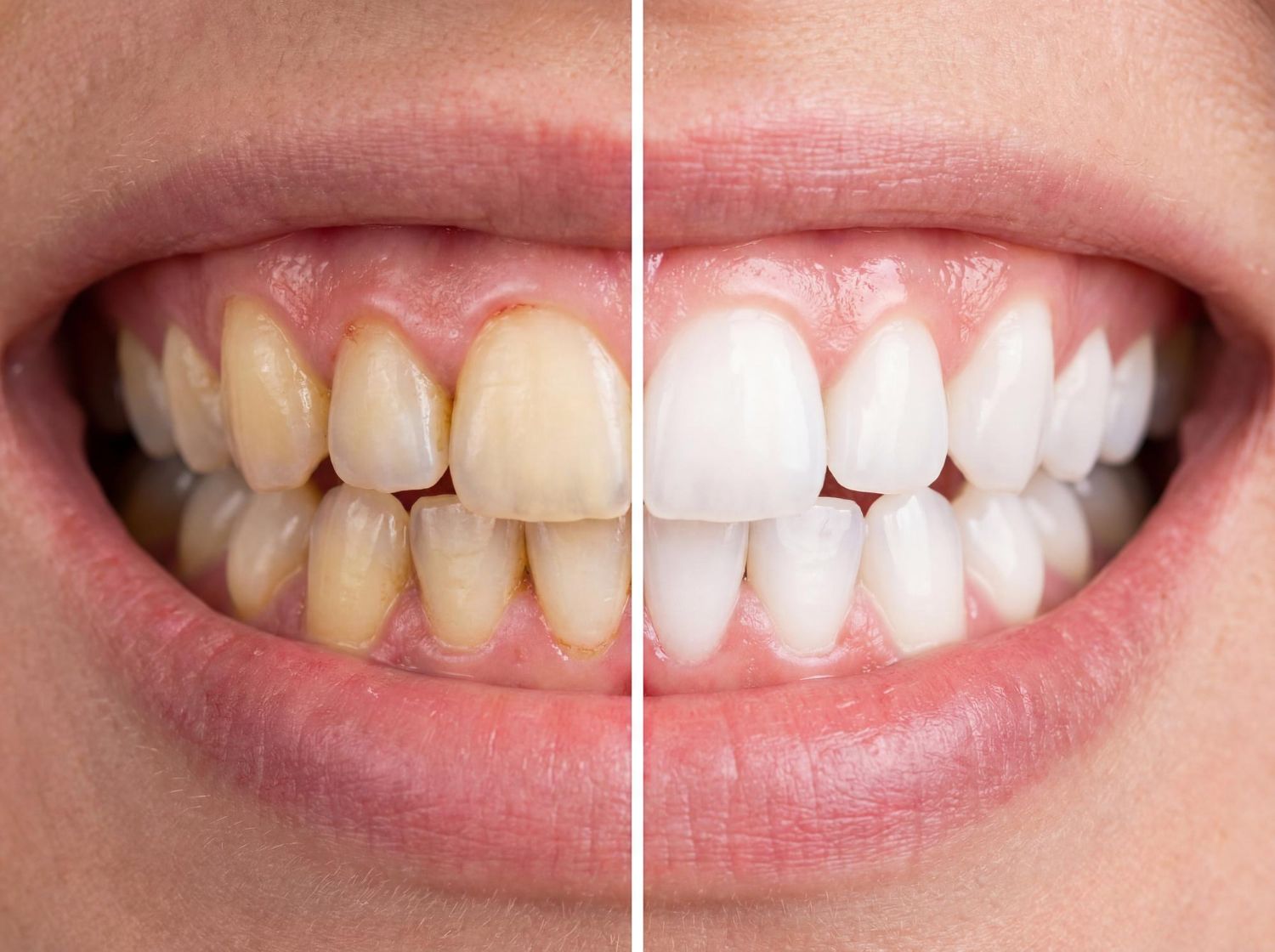
Veneers are thin restorations placed over the front surfaces of teeth to improve their shape, color, and visible symmetry.
They can make slightly uneven or irregularly shaped teeth appear straighter without orthodontic tooth movement.
However, understanding veneers limitations is essential.
Veneers cannot reposition tooth roots, resolve significant crowding, or reliably correct an underlying bite problem. Many porcelain veneer procedures also involve permanent enamel removal.
For adults primarily concerned with minor cosmetic irregularities, dental veneers in New York may be worth discussing with a dentist.
5. Dental Bonding for Small Cosmetic Corrections
Dental bonding uses tooth-colored composite resin to adjust the visible shape of teeth.
It may improve the appearance of a slightly rotated, uneven, or undersized tooth when the underlying alignment is otherwise acceptable.
Bonding is generally less invasive than traditional porcelain veneers, although the material can stain, chip, or require maintenance.
It does not physically straighten teeth or correct bite problems.
Patients exploring cosmetic improvements can learn about cosmetic dentistry options and discuss whether tooth movement would provide a healthier long-term solution.
Which Treatment Works Best for Mild, Moderate, and Severe Crooked Teeth?
Treatment selection depends on alignment severity, the amount of available space, tooth rotation, gum health, and bite relationships. Mild irregularities may need limited orthodontic movement, while moderate crowding often requires a comprehensive alignment plan. Severe misalignment may involve braces, carefully selected extractions, or specialist evaluation of jaw relationships.
Mild Misalignment
Mild cases may involve one slightly rotated tooth, small spaces, or minor crowding.
Possible options include clear aligners, limited orthodontic treatment, bonding, or veneers when the concern is primarily cosmetic.
Moderate Misalignment
Moderate cases may involve overlapping teeth, more noticeable rotations, or bite irregularities.
Clear aligners and braces can both be considered, depending on the tooth movements needed.
Severe Misalignment
Severe cases may involve substantial crowding, impacted teeth, significant bite discrepancies, or skeletal jaw problems.
Comprehensive braces or advanced orthodontic treatment may be needed.
In selected cases, tooth extraction or orthognathic jaw surgery may be considered after specialist evaluation. Surgery is not necessary for most adults with crooked teeth.
Can Adults Fix Crooked Teeth Without Braces?
Yes. Adults who want to fix crooked teeth without braces may be suitable for clear aligners, which physically reposition teeth. Dental bonding and veneers can improve the appearance of minor irregularities without moving teeth, but they cannot correct significant crowding or bite problems. The appropriate option depends on the diagnosis.
Clear aligners are generally the primary alternative when actual tooth straightening is the goal.
Cosmetic procedures may be considered when:
- The misalignment is visually minor.
- The bite functions appropriately.
- The teeth and gums are healthy.
- The patient understands the treatment's limitations.
Choosing veneers solely to avoid orthodontic treatment may lead to unnecessary removal of healthy enamel. A professional examination helps identify the more conservative approach.
How Is Treatment for Crowded Teeth Planned?
Treatment for crowded teeth focuses on creating adequate space while maintaining healthy tooth positions and a functional bite. Depending on crowding severity, clinicians may use controlled arch expansion, limited enamel reduction, orthodontic movement, or selected extractions. The safest approach depends on tooth anatomy, gum support, available space, and overall treatment goals.
For example, an adult with slightly overlapping lower front teeth might need limited tooth movement.
Someone with severe crowding and teeth positioned outside the supporting bone may require a more comprehensive orthodontic assessment.
Crowding should not be treated based on appearance alone. Moving teeth without considering bone and gum support can create additional problems.
How Do Dentists Choose the Right Adult Crooked Teeth Treatment?
Dentists and orthodontists choose adult crooked teeth treatment by examining tooth position, bite function, gum health, and the patient's goals. Clinical examination, photographs, digital scans, and appropriate X-rays help determine which movements are possible. Treatment planning also considers the patient's oral health, available budget, lifestyle, and ability to maintain results.
A typical assessment follows five steps:
- Dental examination: Check teeth, restorations, gums, and existing oral health concerns.
- Alignment assessment: Evaluate crowding, spacing, rotations, and alignment severity.
- Bite evaluation: Identify overbite, underbite, crossbite, or other functional problems.
- Treatment comparison: Discuss suitable orthodontic and cosmetic approaches, including limitations and expected duration.
- Retention planning: Explain how retainers help maintain tooth positions after orthodontic treatment.
Existing cavities or active periodontal disease may need attention before orthodontic movement begins.
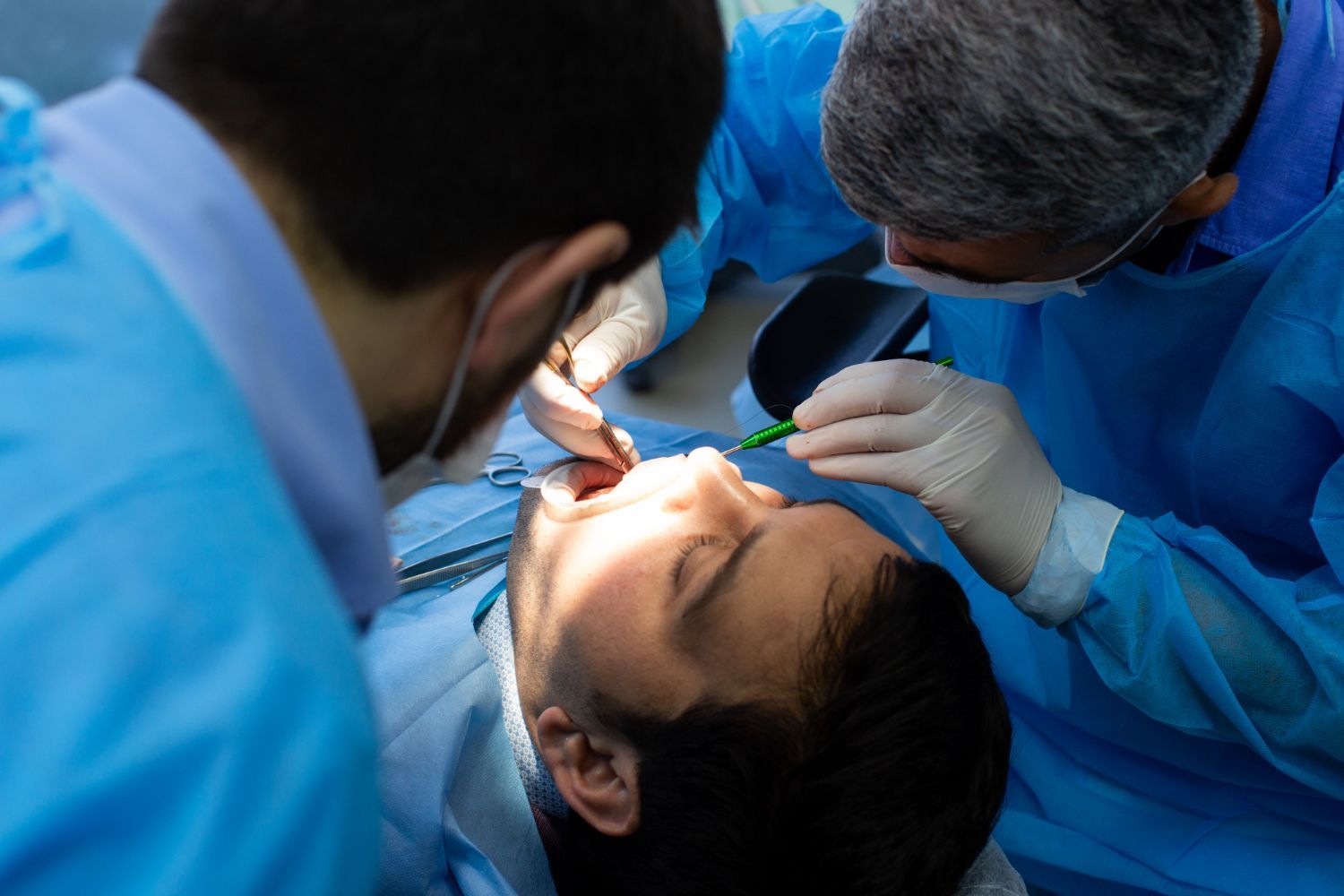
At InStyle Dental, patients can begin with professional dental exams in NYC to assess their oral health and discuss appropriate next steps.
How Long Does Adult Teeth Straightening Take?
Adult teeth straightening commonly takes several months to two years or longer, depending on the complexity of the case and the treatment selected. Minor corrections may require less time, while severe crowding and significant bite correction can take considerably longer. Individual treatment estimates should follow a complete orthodontic assessment.
Factors influencing duration include:
- Severity of crowding and rotations
- Complexity of bite correction
- Required tooth movements
- Clear aligner wear compliance
- Biological response and oral health
- Need for additional treatment stages
Clear aligners are not automatically faster than braces. The more important question is which method can accomplish the required movements predictably.
After active treatment, retainers are generally needed long-term because teeth can shift again.
How Much Does Adult Crooked Teeth Treatment Cost?
Adult crooked teeth treatment costs depend on the method selected, alignment severity, treatment duration, and additional dental care required. Clear aligners and braces have different fee structures, while bonding and veneers are typically priced according to the number of teeth treated. A personalized estimate is necessary for meaningful comparison.
Patients comparing orthodontic costs should ask whether the quotation includes records, appointments, refinements, retainers, and follow-up care.
For a more detailed breakdown, review the Invisalign cost guide for NYC.
Treatment affordability should be considered alongside long-term oral health, not simply the lowest initial price.
Frequently Asked Questions
1. What Is the Best Adult Crooked Teeth Treatment for Mild Crowding?
Clear aligners are often suitable for adults with mild crowding because they gradually move teeth into improved positions without fixed brackets. However, treatment choice depends on bite relationships, gum health, and the specific movements required. Bonding or veneers may address appearance but cannot physically correct crowded teeth.
2. Can You Fix Crooked Teeth Without Braces or Aligners?
Minor cosmetic irregularities can sometimes be improved with dental bonding or veneers without braces or aligners. These procedures reshape or cover visible tooth surfaces rather than repositioning teeth. If teeth are significantly crowded or the bite is misaligned, orthodontic treatment is usually needed for true correction.
3. Are Clear Aligners Effective for Severe Crooked Teeth?
Clear aligners can treat some complex alignment problems, but they are not suitable for every severe case. Significant rotations, difficult tooth movements, or substantial bite discrepancies may be more predictably managed with braces or combined approaches. An orthodontic assessment is necessary to establish whether aligners are appropriate.
4. Is There an Age Limit for Adult Teeth Straightening?
There is no fixed upper age limit for orthodontic treatment. Adults can undergo tooth straightening when their teeth, gums, and supporting bone are sufficiently healthy. The main considerations are periodontal health, medical history, existing dental restorations, and the complexity of tooth movement rather than chronological age alone.
5. Will Crooked Teeth Move Back After Orthodontic Treatment?
Teeth can gradually shift after orthodontic treatment because their surrounding tissues continue adapting and natural dental changes occur over time. Wearing retainers as prescribed is essential for maintaining alignment. Many adults require ongoing nighttime retention, with the exact schedule determined by their treating dental professional.
Conclusion
Crooked teeth treatment options for adults range from discreet clear aligners to comprehensive braces and carefully selected cosmetic procedures.
The right choice depends on alignment severity, oral health, bite function, and personal goals. Clear aligners and braces can physically straighten teeth, while veneers and bonding mainly improve appearance.
A thorough dental examination is the most reliable starting point for choosing treatment that supports both aesthetics and long-term oral health.
Ready to Explore Your Teeth Straightening Options?
At InStyle Dental in Midtown Manhattan, patients can discuss their alignment concerns, treatment preferences, and possible next steps with the dental team.
Whether you're considering Invisalign, orthodontic treatment, or a cosmetic alternative, an individualized assessment can help clarify your options.
Schedule your crooked teeth treatment consultation at InStyle Dental and take the first step toward a healthier, more confidently aligned smile.