Do Veneers Ruin Your Teeth NYC? Facts About Enamel Preparation
Do Veneers Ruin Your Teeth NYC? Facts About Enamel Preparation
If you are considering a smile makeover, you may be asking: do veneers ruin your teeth in NYC? The short answer is not when veneers are appropriately planned and placed on suitable teeth by a qualified dentist. However, traditional porcelain veneers commonly require some enamel preparation, and enamel that is removed does not grow back. This makes veneer treatment a significant, often irreversible decision.
The important question is therefore not simply whether veneers “damage” teeth. It is how much natural tooth structure needs to be altered, whether your teeth are healthy enough for treatment, and whether veneers are actually the most conservative option for your cosmetic concern.
For patients considering treatment in Manhattan, understanding enamel preparation, alternatives, risks, and long-term maintenance can help you make a more informed decision.
Do Veneers Ruin Your Teeth? The Direct Answer
Veneers themselves are not designed to ruin healthy teeth. A veneer is a thin restoration bonded to the front surface of a tooth to change its color, shape, size, proportion, or overall appearance.
The concern comes from tooth preparation.
With conventional porcelain veneers, a dentist may remove some enamel so the restoration can fit naturally without making the tooth look bulky. Because enamel cannot regenerate after it has been removed, conventional veneer treatment may be irreversible.
That does not mean enamel preparation automatically makes a tooth unhealthy. The amount of preparation required varies according to the tooth, its position, the desired cosmetic change, the restorative material, and the treatment plan.
If you are exploring treatment, start by learning how dental veneers in New York are planned and placed. The provided site also includes a dedicated veneers Q&A resource.
What Happens to Your Enamel When You Get Veneers?
Enamel is the hard outer covering of a tooth. It protects the underlying dentin and pulp from everyday physical and chemical stresses.
Why is enamel sometimes removed for veneers?
A dentist may prepare the tooth to:
- Create sufficient space for the veneer.
- Prevent the finished tooth from appearing excessively thick.
- Improve the veneer’s fit and contours.
- Create appropriate margins around the restoration.
- Correct certain differences in tooth shape or position.
The amount of preparation is not identical for every patient or every tooth.
Some cases can be treated relatively conservatively, while teeth requiring substantial changes in position, shape, or color may require a different preparation strategy.
This is one reason an individualized examination matters more than choosing veneers based only on before-and-after photographs.
Does Enamel Grow Back After Veneers?
No. Enamel that has physically been removed does not grow back. Cleveland Clinic notes that lost enamel cannot regenerate, although early mineral damage to remaining enamel may sometimes be strengthened through remineralization.
This distinction is important.
Once teeth have been prepared for conventional veneers, you generally cannot simply remove the veneers and expect the teeth to return to exactly how they looked before treatment. Future maintenance or replacement restorations may be necessary.
That long-term commitment should be discussed during a cosmetic dentistry consultation, rather than treating veneers as a temporary cosmetic procedure. The practice's provided URL set identifies cosmetic dentistry and veneer-specific service resources separately.
Are Veneers Safe for Healthy Teeth?
Veneers can be an appropriate cosmetic treatment for selected patients, but suitability depends on the condition of the teeth and gums.
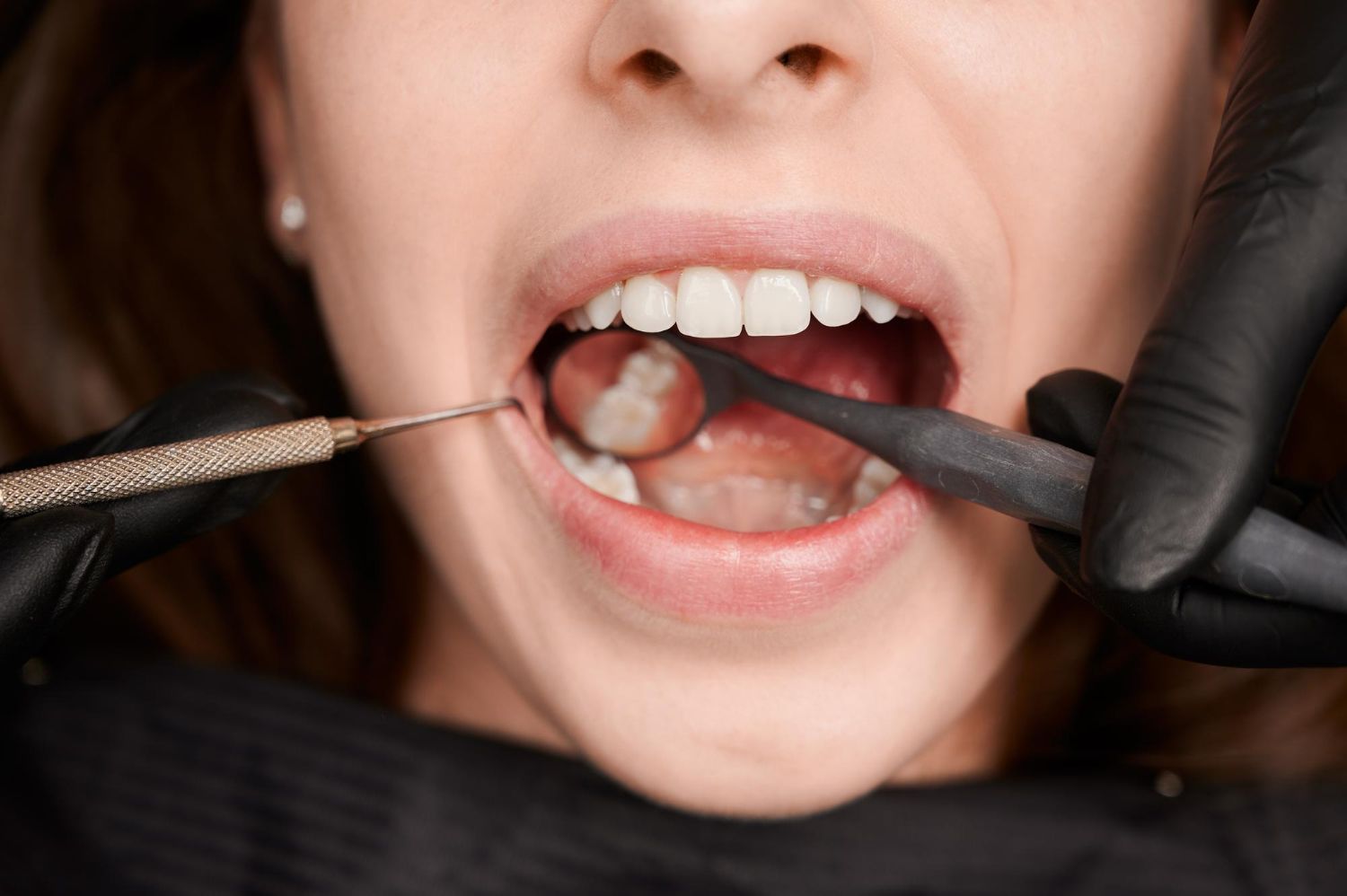
A dentist should evaluate your oral health before cosmetic treatment. Existing decay, active gum disease, structural weakness, bite problems, or other dental conditions may need to be addressed first.
The American Dental Association also warns that procedures altering tooth structure without appropriate dentist supervision can cause irreversible harm, including risks associated with improperly trimming teeth or placing veneers over untreated dental disease.
Regular dental cleanings and exams are therefore important both before and after cosmetic dental treatment.
What Are the Potential Risks of Veneers?
A balanced discussion of do veneers ruin your teeth in NYC should include the limitations as well as the cosmetic benefits.
Tooth sensitivity
Some patients may experience sensitivity, particularly when tooth structure has been prepared. Sensitivity should be discussed with your dentist if it persists or becomes painful.
Patients already experiencing sensitivity may benefit from an evaluation for tooth sensitivity treatment in New York before elective cosmetic treatment.
Irreversible enamel removal
The most important long-term consideration is that removed enamel cannot regenerate. This is why conservative treatment planning matters.
Veneers can chip or become damaged
Veneers are restorations rather than permanent biological structures. They can chip, fracture, debond, wear, or eventually require replacement. ADA-reviewed evidence on ceramic laminate veneers documents long-term survival but also reports complications including chipping, debonding and discoloration.
Future replacement may be necessary
Veneers should not be viewed as a one-time treatment guaranteed to last for life. Their longevity varies with material, bite forces, oral habits, hygiene, treatment quality, and other individual factors.
Veneers vs. Other Cosmetic Dental Options
Veneers are not automatically the right solution for every cosmetic concern.
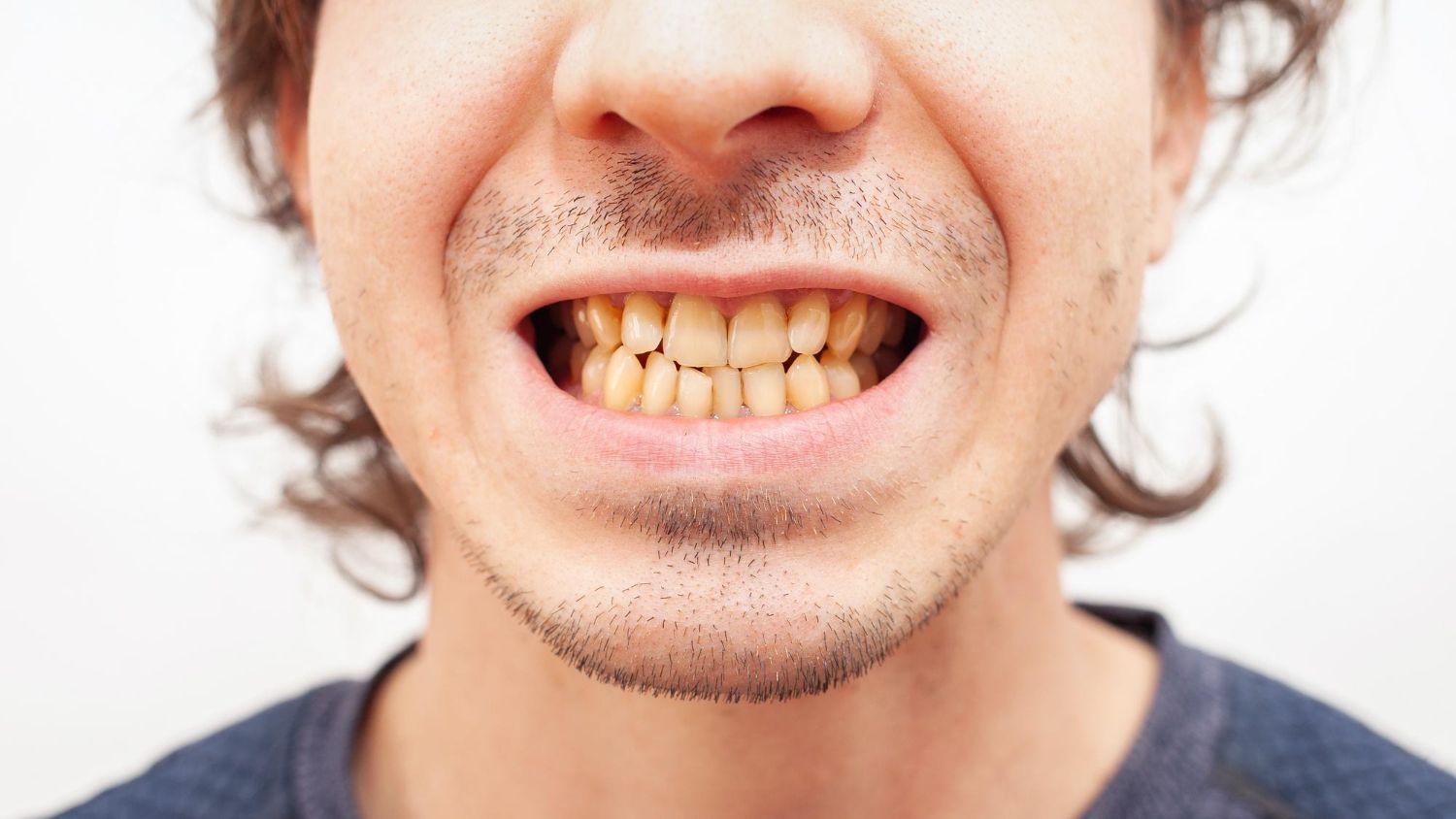
If your main issue is tooth color, professional teeth whitening in New York may be a more conservative option because it does not require covering the front surface of the tooth.
Dental bonding can also address certain chips, gaps, discoloration, and shape concerns. Cleveland Clinic notes that bonding typically requires little or no enamel removal compared with porcelain veneers, although bonding generally has different durability and stain-resistance characteristics.
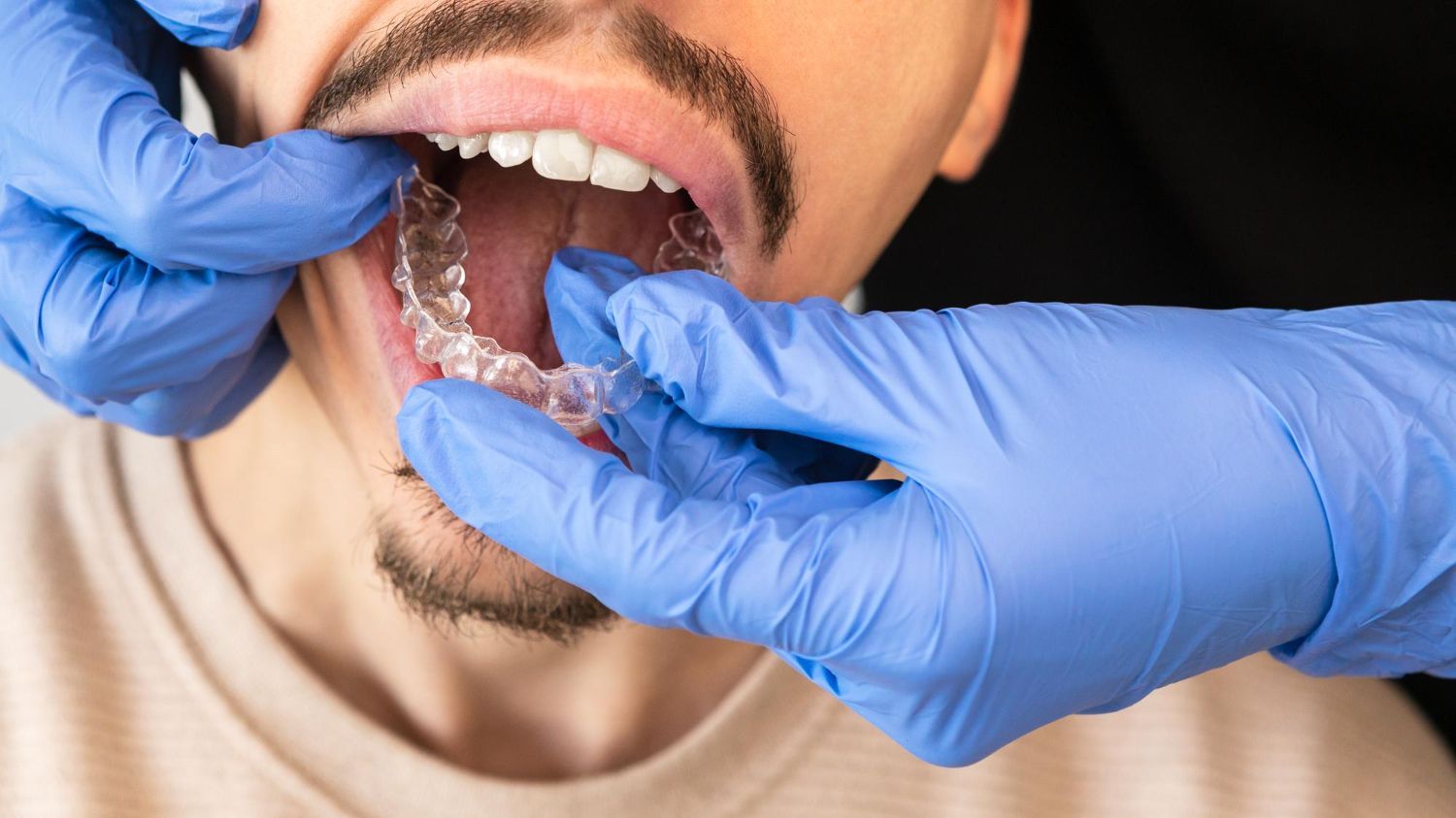
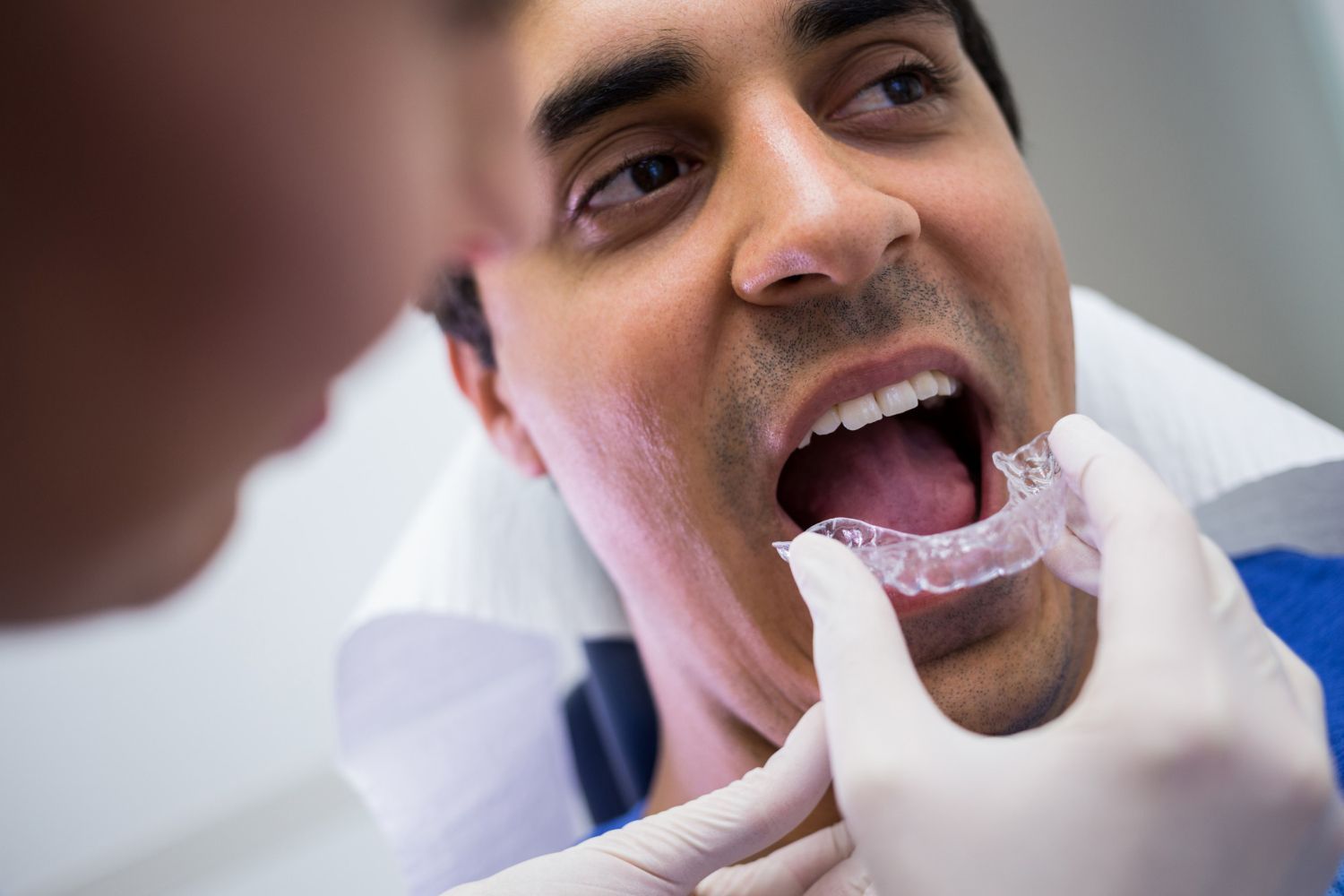
For alignment problems, Invisalign treatment may address tooth position rather than masking alignment with restorations.
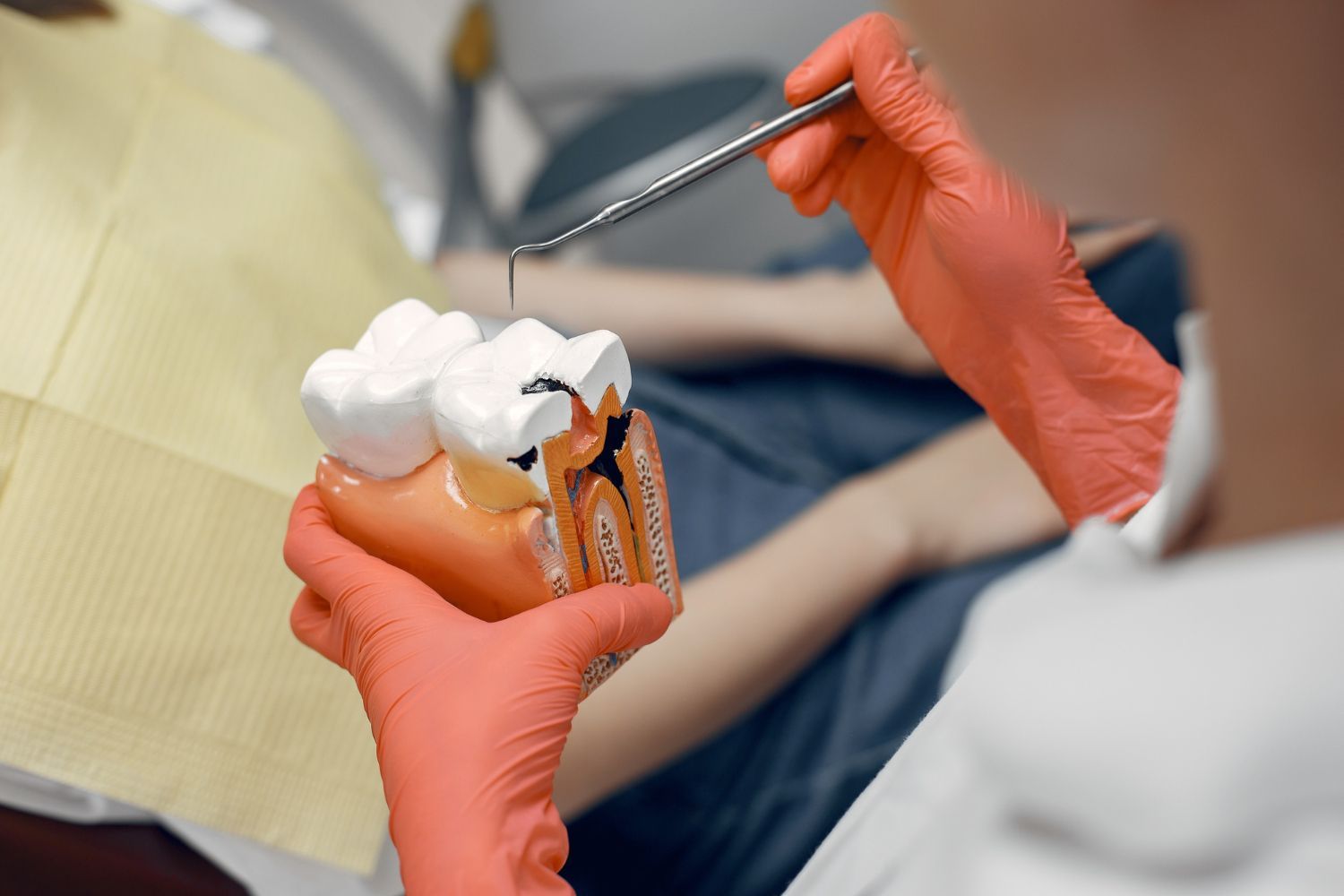
For significantly weakened or damaged teeth, dental crowns in New York may sometimes be considered for restorative reasons. A crown covers considerably more of the tooth than a veneer, so these treatments should not be viewed as interchangeable cosmetic products.
The appropriate choice depends on what problem you are actually trying to solve.
Who May Be a Good Candidate for Veneers?
Veneers may be considered for people concerned about issues such as discoloration that does not respond adequately to whitening, selected chips or cracks, uneven tooth proportions, unwanted spaces, or certain shape irregularities.
But cosmetic appearance is only one part of treatment planning.
A dentist may also consider:
- Current enamel and tooth structure.
- Tooth decay and existing restorations.
- Gum health.
- Bite and tooth position.
- Teeth grinding or clenching.
- The number of teeth being treated.
- Your expectations for shape, shade, and symmetry.
- Whether a less invasive treatment can achieve the desired result.
Patients considering a more comprehensive smile transformation can also review available cosmetic dentistry treatments in NYC. The site also provides information on prosthodontic dentistry, which may be relevant when treatment involves more complex restorative considerations.
How Can You Reduce the Risk of Unnecessary Tooth Preparation?
The goal should not be to remove a predetermined amount of enamel. It should be to determine the most conservative treatment capable of achieving an appropriate result.
Before committing to veneers, ask your dentist:
- Why are veneers recommended for my teeth?
- How much tooth preparation is expected in my particular case?
- Are any teeth likely to require more preparation than others?
- Could bonding, whitening, or orthodontics achieve my goal more conservatively?
- What happens if a veneer chips or needs replacement?
- How will my bite and gum health affect the treatment?
- What ongoing maintenance should I expect?
These questions move the consultation beyond “How will my smile look?” toward the equally important question: “What happens to my natural teeth?”
Why NYC Patients Should Choose a Qualified Dental Professional
Veneers require more than selecting a tooth shade.
Diagnosis, treatment planning, preparation, bonding, bite evaluation, gum health, and long-term maintenance all matter. The ADA specifically advises consumers to be cautious about veneer services performed without a licensed dentist because altering tooth structure without proper clinical supervision can cause irreversible complications.
You can review the practice's meet the doctor information before treatment and use its contact page to arrange an evaluation. These are among the consultation-oriented resources included in the supplied site URLs.
FAQs About Veneers and Enamel Preparation
Do veneers ruin your teeth permanently?
Properly planned veneers are not intended to ruin teeth. However, enamel removed during conventional veneer preparation is permanently lost, so the procedure can be irreversible. The long-term health of the treated teeth depends on appropriate case selection, preparation, placement, oral hygiene, bite forces, and maintenance.
Do they shave your teeth down for veneers?
Some enamel preparation is commonly required for conventional porcelain veneers, but the extent varies. Veneer preparation should not automatically mean reducing a healthy tooth to a small “peg.” Your dentist should explain exactly what preparation your individual case requires before treatment begins.
Can you get veneers without removing enamel?
Some patients may qualify for minimal-preparation or no-preparation approaches, but they are not appropriate for every smile or every tooth. Tooth position, existing contours, desired changes, restorative material, and bite all influence whether such an approach is realistic.
Are veneers bad for your teeth if you already have sensitive teeth?
Not necessarily, but existing sensitivity deserves evaluation before elective veneer treatment. Because preparation can contribute to sensitivity in some cases, your dentist should determine why your teeth are sensitive and whether veneers are appropriate.
Are porcelain veneers better than dental bonding for preserving enamel?
Dental bonding typically requires less enamel removal and may be reversible, while porcelain veneers can offer different aesthetic and material characteristics. Neither treatment is universally “better.” The more appropriate option depends on the cosmetic problem, condition of your teeth, desired result, and long-term treatment priorities.
Conclusion: Do Veneers Ruin Your Teeth in NYC?
Veneers do not inherently ruin your teeth, but conventional veneers can require permanent alteration of natural enamel. That distinction matters.
Good veneer treatment begins with healthy teeth and gums, careful diagnosis, conservative preparation, realistic expectations, and an understanding that restorations may require maintenance or replacement over time.
If you are considering veneers in Manhattan, avoid deciding based solely on appearance or social-media results. Schedule a consultation with InStyle Dental to determine whether veneers are appropriate for your teeth and whether a more conservative cosmetic option could achieve your goals.