How Long Does Botox Last in the Forehead
How Long Does Botox Last in the Forehead
Botox for forehead lines typically lasts about three to four months. Results gradually fade as muscle activity returns, so the exact duration varies between patients. BOTOX Cosmetic’s manufacturer states that results for forehead lines may last up to four months. aad.org
If you’re asking, “How long does Botox last?” it helps to separate three stages: when results begin, when the treatment has fully developed, and when movement starts returning. Understanding this timeline makes it easier to plan treatment and set realistic expectations.
How Long Does Botox Last After Forehead Treatment?
The usual planning window is three to four months, but that does not mean your forehead stays completely unchanged until a specific day. Some movement may return before the smoothing effect has fully faded.
Forehead Botox duration also depends on what you consider a successful result. One person may want noticeable movement preserved; another may prefer a stronger reduction in expression lines. Those preferences affect how they perceive the treatment wearing off.
Treatment stageWhat to expectInitial onsetChanges may become noticeable within one to two days, although timing varies.Developing resultsThe effect continues developing over the following weeks; the manufacturer describes full results at 30 days.Gradual fadingForehead movement and expression lines progressively return.Maintenance discussionOften around three to four months, based on your response and clinician’s assessment.
These are general expectations rather than a guaranteed schedule. Avoid judging the final result immediately after your appointment. Official Site
How Botox Works on Forehead Lines
Botox is a brand of botulinum toxin type A, specifically onabotulinumtoxinA. It temporarily reduces signaling from nerves to targeted muscles.
The frontalis muscle raises your eyebrows and creates horizontal forehead lines. Reducing its activity can soften dynamic wrinkles—creases that become more visible when you raise your eyebrows.
This differs from filling a wrinkle or removing loose skin. Forehead line treatment with Botox primarily addresses muscle-driven movement.
Dynamic Wrinkles Versus Lines Visible at Rest
Look at your forehead with your face relaxed, then raise your eyebrows:
- Lines appearing mainly during movement have a strong dynamic component.
- Lines remaining visible at rest also involve changes in the skin.
- Deep resting creases may remain even when muscle movement is reduced.
This distinction matters because a visible crease does not automatically mean the treatment has stopped working. Your clinician should assess both movement and resting lines before recommending wrinkle treatment and facial rejuvenation.
What Affects Botox Longevity?
Several factors can influence the response or how long you feel satisfied with it. A consultation should consider these together.
Dose and Treatment Goals
The treatment plan must balance line reduction with brow position and facial expression. A lighter effect may allow more movement, which can make results seem less pronounced.
More Botox does not automatically mean a better outcome. The prescribing information emphasizes assessing forehead anatomy and treating forehead lines together with the glabellar area—the muscles responsible for frown lines—to help reduce the risk of brow drooping. dailymed.nlm.nih.gov
Facial Anatomy and Muscle Activity
Forehead height, brow position, asymmetry, and how you use your frontalis muscle affect treatment planning.
For example, someone who raises their eyebrows to compensate for heavy upper eyelids needs careful assessment. Strongly reducing that movement could make the brow feel heavier.
Injection Placement and Provider Experience
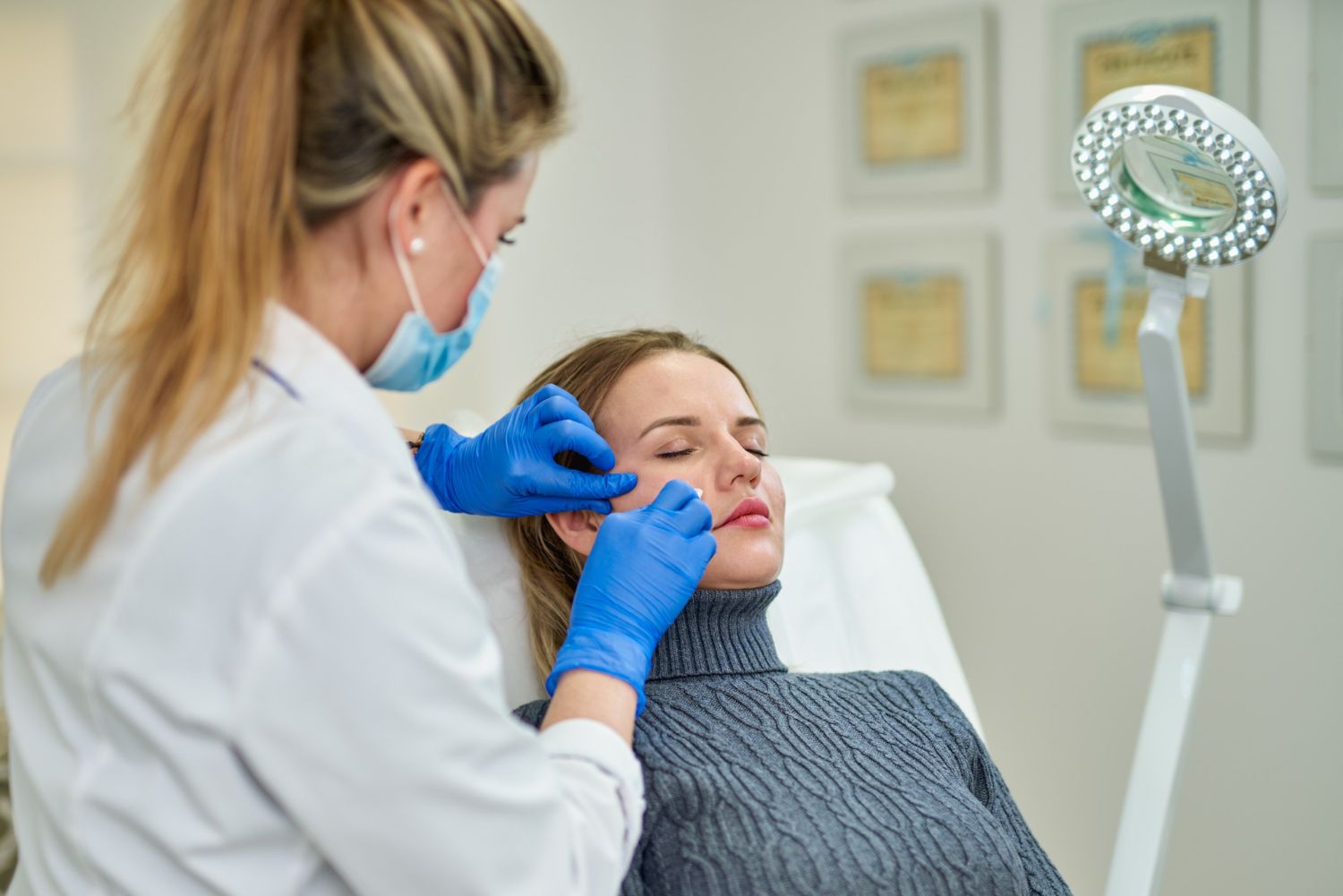
Placement influences the balance between smoothing lines and preserving useful movement. A provider should assess your face while resting and making expressions rather than apply the same injection pattern to everyone.
Before treatment, review the InStyle Dental clinical team and ask who will perform the injections, what product they use, and how they manage follow-up.
Your Individual Response
People respond differently, and your previous treatment history helps guide future decisions. Record when you first notice improvement and when movement returns.
For example, “movement started returning at 10 weeks, but the lines still looked softer” gives your clinician more useful information than “it wore off quickly.”
Can You Make Forehead Botox Last Longer?
There is no reliable home method that guarantees additional months of effect. Focus on appropriate treatment planning and follow your provider’s aftercare instructions.
Practical steps include:
- Avoid rubbing or massaging the treated area after injections.
- Follow instructions about exercise and other activities.
- Keep any recommended follow-up appointment.
- Tell your provider if results fade unusually early.
- Use sun protection as part of general skin care.
Sun protection helps limit additional skin damage; it should not be presented as a proven way to extend the medication’s action. The American Academy of Dermatology advises avoiding rubbing treated areas and following activity precautions after treatment. aad.org
Avoid booking frequent extra injections simply to chase a longer result. Your clinician should decide whether reassessment, a different plan, or more time is appropriate.
When Should You Schedule Maintenance Treatment?
A maintenance interval of approximately three to four months is a common discussion point. However, retreatment should depend on returning movement, your goals, and medical assessment.
BOTOX Cosmetic labeling states that the safety and effectiveness of treatment more frequently than every three months have not been clinically evaluated. A review appointment does not necessarily mean additional injections are needed.
Before committing to ongoing appointments, ask for a treatment estimate and clarify what follow-up includes. You can review payment plan information and ask whether those arrangements apply to your proposed treatment.
Botox, Fillers, or Skin Treatments: Which Fits Forehead Lines?
The right option depends on what is causing the concern.
Botox addresses muscle-driven expression lines. Dermal fillers add volume and have different indications and risks. Skin treatments may address texture or surface changes, depending on the procedure.
These options are not interchangeable. In particular, forehead filler is not a routine substitute for Botox: the FDA recommends against injecting dermal fillers into the forehead and warns that accidental injection into blood vessels can cause serious injury. FDA
When reviewing available clinic services, ask which option matches your concern and why. Choosing the longest-lasting procedure without considering its purpose can lead to unrealistic expectations.
Benefits, Limitations, and Safety Considerations
The main benefit is temporary softening of forehead expression lines without surgery. Treatment can be planned around your preference for retained movement, although a particular appearance cannot be guaranteed.
Limitations include temporary results, recurring costs, and incomplete improvement of deeper resting lines.
Possible adverse effects include bruising, headache, and eyelid or brow drooping. Tell your provider about medications, previous botulinum toxin injections, muscle or nerve conditions, pregnancy, and breastfeeding. Treatment is contraindicated with an injection-site infection or relevant hypersensitivity. Seek immediate medical help for breathing, swallowing, or speaking difficulties after treatment.dailymed.nlm.nih.gov.
For dental-clinic patients, distinguish cosmetic forehead treatment from injections used for other concerns. The clinic’s article on Botox in dentistry provides broader context, but each treatment requires its own assessment.
Frequently Asked Questions
How long does Botox last in the forehead after the first treatment?
A typical expectation is approximately three to four months. Your first appointment helps establish your individual response; it does not guarantee a shorter or longer duration.
When do forehead wrinkle injections reach their peak effect?
Results develop over time. The manufacturer describes onset within one to two days and full results at 30 days. Ask your clinician when they recommend assessing your final response.
Will forehead Botox affect my facial expression?
It reduces activity in the treated muscles, so some expression changes are expected. Discuss how much movement you want to preserve before treatment.
Does forehead line treatment remove deep wrinkles completely?
Not necessarily. Botox targets muscle activity, while deeper resting lines may also reflect skin changes. Improvement and complete removal are different outcomes.
What should I do if Botox longevity seems shorter than expected?
Contact your provider and explain when movement returned and which lines concern you. Do not assume you need more injections. For appointment-related information, consult the clinic’s patient FAQs.
Conclusion
Forehead Botox usually lasts around three to four months, with results developing gradually and fading as movement returns. A personalized assessment, realistic goals, and an appropriate maintenance interval matter more than promises of unusually long results.Ready to discuss your forehead lines? Contact InStyle Dental in Midtown Manhattan to request a consultation and discuss suitability, expected duration, and treatment costs.