Dental Bridge Types in NYC: Which One Is Right for You? (2026 Guide)

July 15, 2026

Dental Bridge Types in NYC


If you're missing one or more teeth, understanding the different dental bridge types can help you choose the best treatment for your smile. A dental bridge restores the appearance and function of missing teeth, improves chewing ability, and prevents neighboring teeth from shifting out of place. Whether you're comparing a fixed dental bridge in Manhattan, exploring bridge vs implant New York, or researching dental bridge cost NYC, knowing your options is the first step toward making an informed decision.

In this guide, we'll explain the most common types of dental bridges, how they work, their advantages, and which option may be right for your individual needs.

Key Takeaways

  • Dental bridges replace one or more missing teeth using artificial teeth supported by natural teeth or dental implants.
  • There are four primary dental bridge types, each designed for different clinical situations.
  • The best bridge depends on the location of the missing tooth, oral health, bone support, and long-term goals.
  • A consultation with an experienced prosthodontist helps determine the most suitable treatment.
  • Modern dental bridges offer a durable, natural-looking solution for restoring your smile.

What Is a Dental Bridge?

A dental bridge is a fixed dental restoration used to replace one or more missing teeth. It literally "bridges" the gap created by missing teeth by anchoring an artificial tooth (pontic) to adjacent natural teeth or dental implants.

Dental bridges help restore:

  • Chewing function
  • Speech clarity
  • Facial appearance
  • Bite alignment
  • Smile aesthetics

If you're considering replacing missing teeth, our comprehensive dental bridge treatment in New York explains the procedure, materials, and benefits in greater detail:


Why Replacing Missing Teeth Is Important

Leaving a missing tooth untreated can affect more than your appearance.

Over time, it may lead to:

  • Shifting neighboring teeth
  • Bite misalignment
  • Difficulty chewing
  • Jawbone loss
  • Increased wear on remaining teeth
  • Changes in facial structure

If you're exploring missing tooth replacement options in New York, early treatment can help prevent more complex dental problems in the future.

For patients considering all available restorative options, our restorative dentistry services provide personalized treatment plans based on your oral health and goals:


Types of Dental Bridges

There are four primary dental bridge types, each designed for different situations.

Your dentist will recommend the most appropriate option after evaluating your oral health, bite, bone support, and the location of the missing tooth.

Traditional Dental Bridge

The traditional 3 unit bridge is the most common type of dental bridge.

It consists of:

  • Two dental crowns placed on neighboring teeth.
  • One artificial tooth positioned between them.

Because both adjacent teeth provide support, this bridge offers excellent strength and stability.

Traditional bridges are commonly recommended when healthy teeth are present on both sides of the missing tooth.

Advantages

  • Strong and durable
  • Natural appearance
  • Excellent chewing function
  • Long-lasting results with proper care

Traditional bridges remain one of the most reliable solutions for replacing missing teeth.

Cantilever Dental Bridge

A cantilever bridge is used when only one adjacent tooth is available to support the replacement tooth.

Unlike a traditional bridge, only one supporting crown is required.

Although useful in selected cases, cantilever bridges are generally recommended for areas of the mouth that experience lower chewing forces.

Patients often ask about cantilever bridge cost, but pricing varies depending on the number of teeth involved, materials used, and treatment complexity.

Maryland Bonded Bridge

A Maryland bonded bridge NYC patients often consider is a more conservative treatment option.

Instead of crowns, this bridge uses metal or ceramic wings bonded to the back surfaces of neighboring teeth.

Advantages include:

  • Minimal removal of healthy tooth structure
  • Conservative treatment
  • Natural appearance
  • Suitable for replacing certain front teeth

Because Maryland bridges rely on adhesive bonding, they are generally recommended for lower bite-force areas.

Implant-Supported Bridge

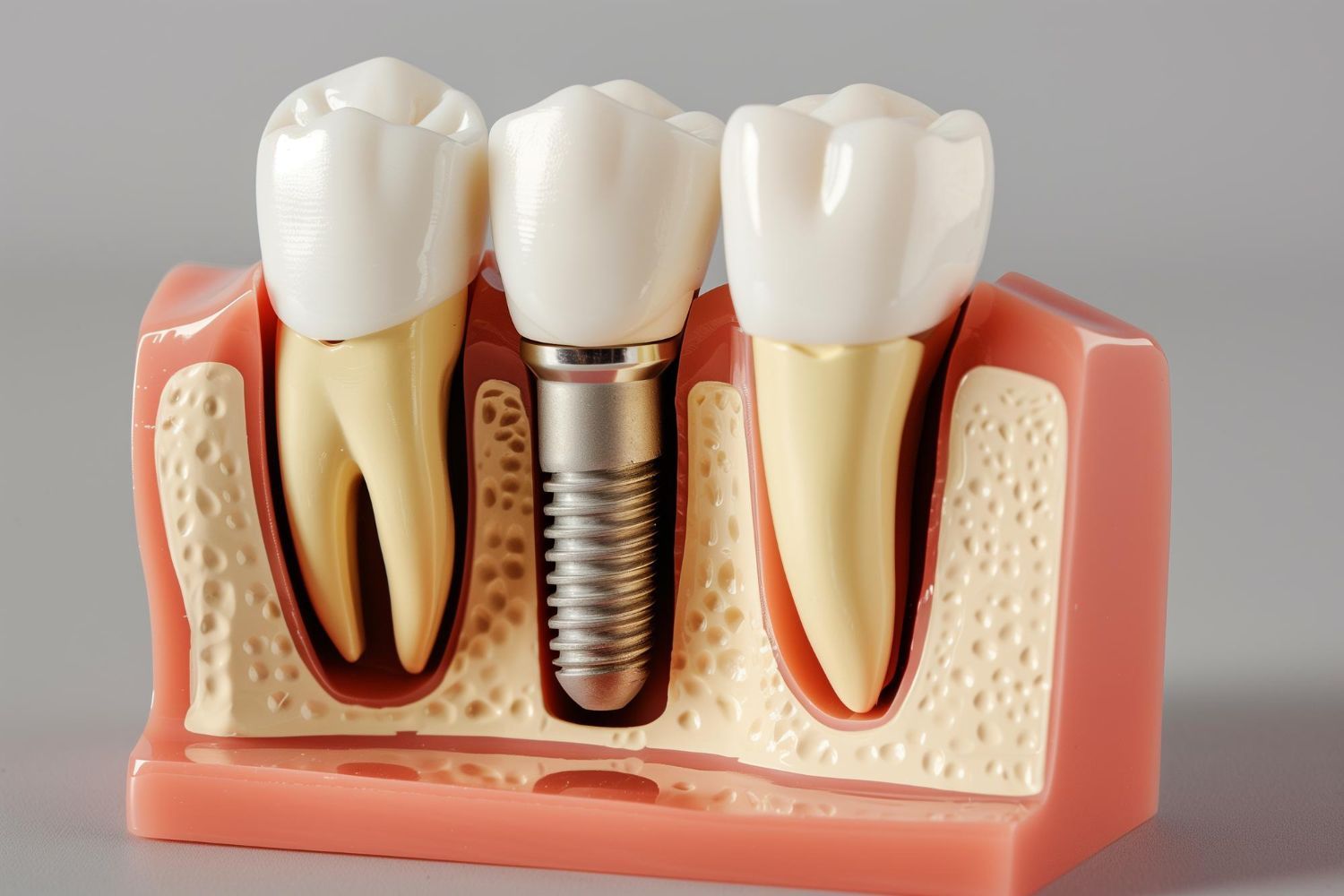
An implant-supported bridge replaces multiple missing teeth without relying on adjacent natural teeth.

Instead, dental implants are surgically placed into the jawbone to support the bridge.

Advantages include:

  • Exceptional stability
  • Preserves jawbone health
  • Doesn't require reshaping healthy teeth
  • Long-term durability
  • Natural appearance and function

Patients comparing bridge vs implant New York often choose implant-supported bridges when long-term bone preservation is an important consideration.

To learn more about modern implant solutions, explore our advanced dental implant treatment options:


Which Dental Bridge Type Is Best?

There isn't a single "best" bridge for every patient.

The right treatment depends on factors such as:

  • Number of missing teeth
  • Tooth location
  • Jawbone health
  • Gum condition
  • Bite alignment
  • Overall oral health
  • Long-term goals
  • Budget

A comprehensive examination allows your dentist to recommend the option that provides the best balance of function, appearance, and longevity.

At InStyle Dental, every treatment plan is customized to meet each patient's unique needs.

Learn more about our prosthodontic expertise for complex tooth replacement:


Benefits of Dental Bridges

Modern dental bridges provide numerous functional and cosmetic benefits.

They help:

  • Restore your smile
  • Improve chewing ability
  • Maintain facial structure
  • Prevent neighboring teeth from shifting
  • Improve speech
  • Restore bite balance
  • Increase confidence

With proper care and regular dental checkups, many bridges provide years of reliable performance.

Routine preventive care also plays an important role in protecting your bridge and surrounding teeth. Our general dentistry services focus on maintaining long-term oral health through regular examinations and preventive treatment:


Who Is a Good Candidate for a Dental Bridge?

You may be a suitable candidate if you:

  • Have one or more missing teeth.
  • Have healthy supporting teeth or adequate bone for implants.
  • Maintain good oral hygiene.
  • Have healthy gums.
  • Want a fixed replacement rather than a removable denture.

Before recommending treatment, your dentist will evaluate your oral health, take digital imaging if necessary, and discuss the most appropriate solution based on your goals.

If you're looking for personalized guidance, schedule a consultation with Dr. Hanna Zharkina, DDS, an experienced prosthodontist specializing in restorative and implant dentistry:


Dental Bridge Cost in NYC

One of the most common questions patients ask is about dental bridge cost NYC. The total cost of a dental bridge depends on several factors, including the type of bridge, the number of missing teeth, the materials used, and whether additional procedures are required before treatment.

Factors that influence the cost include:

  • Type of dental bridge
  • Number of replacement teeth
  • Material selection
  • Complexity of the case
  • Need for preparatory treatments
  • Insurance benefits
  • Laboratory fees

Because every patient's needs are different, the most accurate way to determine treatment costs is through a comprehensive dental examination.

To make treatment more accessible, InStyle Dental also offers flexible dental payment plans that allow eligible patients to spread the cost of treatment over time.

Dental Bridge vs Implant in New York

Many patients compare a bridge vs implant New York before deciding on treatment.

Both options replace missing teeth, but they differ in how they function.

A dental bridge relies on neighboring teeth or implants for support, while a dental implant replaces the missing tooth root by integrating with the jawbone.

A Dental Bridge May Be Better If You:

  • Need a faster treatment option.
  • Have healthy adjacent teeth.
  • Prefer a non-surgical solution.
  • Want to replace one or more missing teeth efficiently.

A Dental Implant May Be Better If You:

  • Want to preserve jawbone health.
  • Prefer a standalone tooth replacement.
  • Have adequate bone support.
  • Are looking for a long-term solution.

If you're considering implant treatment, our guide to dental implant costs in NYC can help you understand what influences pricing and treatment planning.


How Long Do Dental Bridges Last?

A common question patients ask is, "How long do dental bridges last?"

With proper care, many dental bridges last 10 to 15 years or longer, although longevity depends on several factors.

These include:

  • Daily oral hygiene
  • Regular dental checkups
  • Bite forces
  • Teeth grinding
  • Material quality
  • Overall oral health

Maintaining good brushing and flossing habits and attending routine dental visits can help extend the life of your bridge.

Patients interested in long-term tooth replacement may also find our guide on how long dental implants last helpful when comparing treatment options.

How to Choose the Right Dental Bridge

Choosing among different dental bridge types requires careful evaluation by an experienced dental professional.

During your consultation, your dentist will assess:

  • The location of the missing tooth
  • The health of adjacent teeth
  • Gum condition
  • Bone support
  • Bite alignment
  • Cosmetic goals
  • Budget
  • Long-term oral health

At InStyle Dental, every treatment plan is customized to help patients achieve functional, natural-looking, and long-lasting results.


Frequently Asked Questions

What are the different dental bridge types?

The main dental bridge types include traditional bridges, cantilever bridges, Maryland bonded bridges, and implant-supported bridges. The best option depends on your oral health, the location of the missing tooth, and your treatment goals.

How much does a dental bridge cost in NYC?

The dental bridge cost NYC varies depending on the bridge type, materials used, and the complexity of your case. A consultation is the best way to receive an accurate treatment estimate.

Is a bridge better than an implant in New York?

When comparing a bridge vs implant New York, both treatments have advantages. Dental bridges are often quicker and less invasive, while dental implants preserve jawbone health and function independently without relying on neighboring teeth.

How long do dental bridges last?

With proper oral hygiene and regular dental visits, dental bridges typically last 10–15 years or longer. Good home care and routine professional cleanings help maximize their lifespan.

What is a Maryland bonded bridge?

A Maryland bonded bridge is a conservative tooth replacement option that uses metal or ceramic wings bonded to the backs of adjacent teeth instead of full crowns. It is commonly recommended for replacing certain front teeth.

Restore Your Smile with Personalized Dental Bridge Treatment

Choosing the right solution for missing teeth is an important decision, and expert guidance can make all the difference. At InStyle Dental, we provide customized restorative treatment using advanced techniques and high-quality materials to help restore your smile with confidence.

Whether you're considering a traditional bridge, an implant-supported bridge, or another restorative option, our experienced team is here to help you understand your choices and recommend the treatment that best fits your needs.

Schedule your consultation today to discuss the best dental bridge option for your smile.


Conclusion

Understanding the different dental bridge types helps you make a confident decision about replacing missing teeth. From the dependable traditional 3 unit bridge to the conservative Maryland bonded bridge, the versatile cantilever bridge, and the long-term stability of implant-supported bridges, each option offers unique benefits depending on your oral health and treatment goals.

If you're comparing bridge vs implant New York, researching dental bridge cost NYC, or exploring missing tooth replacement options in New York, a personalized evaluation is the best way to determine which solution is right for you.

At InStyle Dental, we're committed to providing individualized care, advanced restorative dentistry, and natural-looking results that restore both your smile and your confidence.

Porcelain vs Composite Veneers NYC
July 21, 2026
Compare porcelain vs composite veneers in NYC, including cost, durability, appearance, treatment time, and which option may suit your smile goals.
Porcelain Veneers Cost in NYC
July 20, 2026
Wondering what porcelain veneers cost in NYC? See what drives the price, how many you need, and financing options. Book a free consult today.
How to Replace Missing Teeth
July 17, 2026
Missing a tooth? Compare implants, bridges, dentures & more. Our Midtown NYC dentists break down the best options, costs, and what to expect.
gum disease treatment in NYC
July 16, 2026
Looking for gum disease treatment in NYC? Learn the early signs, stages, and modern treatment options available right here in Manhattan.
Dental Implants vs Dentures in NYC
July 14, 2026
Compare dental implants vs dentures in NYC, including costs, comfort, durability, maintenance, and treatment time, to find the right option for your smile.
Does EmblemHealth PPO Cover Dental Implants in NYC
By Shashwat NewAccount July 13, 2026
Discover whether EmblemHealth PPO covers dental implants in NYC, what may be included, eligibility rules, expected costs, and ways to maximize your benefits.
does-aetna-ppo-cover-dental-implants-nyc
July 9, 2026
Find out whether United Healthcare (UHC) PPO covers dental implants in NYC, including coverage limits, costs, eligibility, and ways to maximize your benefits.
united-healthcare-dental-implants-nyc
July 8, 2026
Find out whether United Healthcare PPO covers dental implants in NYC, what's included, eligibility requirements, treatment costs, and how to maximize your insurance benefits.
metlife-dental-implants
July 7, 2026
Learn how MetLife PPO may cover dental implants in NYC, including eligible procedures, expected costs, plan limits, and ways to maximize your benefits.
Anthem Blue Cross Blue Shield Cover Dental Implants in NYC?
July 6, 2026
If you're considering replacing one or more missing teeth, one of the first questions you may have is, "Does Anthem dental insurance cover dental implants?" The answer depends on your specific Anthem Blue Cross Blue Shield dental plan, your level of coverage, and the type of implant treatment you need. Dental implants are one of the most reliable and natural-looking tooth replacement options available today. They restore chewing function, preserve jawbone health, and can last for decades with proper care. Before starting treatment, it's helpful to understand how dental implants work and whether your insurance may help cover the procedure. Some Anthem dental insurance plans provide partial coverage for implant-related services, while others may only cover certain stages of treatment. Understanding your policy, annual maximum, deductible, and waiting periods can help you estimate your out-of-pocket expenses and make informed decisions. If you're looking for a dentist that accepts Anthem Blue Cross Blue Shield in New York , our team at InStyle Dental can verify your benefits before treatment begins. Why Dental Implants Are One of the Best Tooth Replacement Options Dental implants replace both the visible tooth and its root, creating a stable, long-lasting solution for missing teeth. Unlike removable dentures or traditional bridges, implants integrate with the jawbone, helping preserve bone structure and maintain natural facial appearance. Many patients choose implants because they: Restore natural chewing ability Help prevent bone loss Look and feel like natural teeth Improve speech and comfort Do not rely on neighboring teeth for support Can last many years with proper care If you're researching treatment options, our complete Guide to Dental Implants explains the procedure, benefits, and what to expect during recovery. Diagnostic Imaging Before implant placement, your dentist may recommend: Digital X-rays Panoramic X-rays 3D CBCT imaging These scans help determine whether additional procedures—such as bone grafting or a sinus lift are necessary before implant surgery. Implant Crown After the implant has healed, a custom crown is attached to restore function and appearance. If you'd like to understand the overall investment involved, our guide to dental implant costs in NYC explains the factors that influence pricing. Network Status Choosing a dentist that accepts Anthem Blue Cross Blue Shield in New York may reduce your out-of-pocket costs because participating providers have negotiated fee schedules with the insurance company. How Much Do Dental Implants Cost With Anthem Dental Insurance? One of the most common questions patients ask after learning about Anthem implant coverage is how much they'll actually pay. While Anthem dental insurance may reduce your treatment costs, the exact amount depends on your individual policy, annual maximum, deductible, and the procedures required. Dental implant treatment is completed in multiple stages, and Anthem may provide different levels of coverage for each step. Treatment StageAnthem Coverage*Initial ConsultationOften CoveredComprehensive Dental ExamOften CoveredDigital X-raysFrequently Covered3D CBCT ScanDepends on PlanTooth ExtractionMay Be CoveredBone GraftingVaries by PlanImplant SurgeryPartial Coverage on Some PlansImplant AbutmentDepends on BenefitsImplant CrownMay Receive Partial Coverage *Coverage varies by Anthem Blue Cross Blue Shield dental plan. Always verify your individual benefits before treatment. If you're comparing treatment costs, our guide to Dental Implants cost in NYC explains the factors that influence pricing and what patients can typically expect. What If Anthem Doesn't Fully Cover Dental Implants? Even if your Anthem dental insurance doesn't cover the entire cost of treatment, dental implants may still be an affordable option. Many patients reduce their overall expenses by: Using their annual dental insurance benefits. Combining insurance with flexible payment options. Scheduling treatment over two benefit years. Using HSA or FSA funds when eligible. Completing treatment in carefully planned phases. If affordability is a concern, our flexible payment plans can help make implant treatment more manageable. How to Maximize Your Anthem Dental Benefits Understanding your insurance before treatment can help you receive the greatest value from your plan. Verify Your Coverage Before Treatment Every Anthem dental policy is different. Before starting treatment, ask your dental office to verify: Annual maximum Remaining insurance benefits Deductible status Waiting periods Implant coverage Pre-authorization requirements Knowing this information early helps you avoid unexpected costs and better plan your treatment. Choose an In-Network Anthem Dentist Receiving treatment from a dentist that accepts Anthem Blue Cross Blue Shield in New York may reduce your out-of-pocket expenses because participating providers have negotiated reimbursement rates with Anthem. Stay Current with Preventive Care Routine preventive care plays an important role in maintaining healthy teeth and gums before implant treatment. Scheduling regular dental cleaning and exams allows your dentist to identify problems early and may reduce the need for more extensive procedures later. Good oral hygiene is equally important. Our dental hygiene services help patients maintain healthy gums and improve the long-term success of dental implants. Don't Wait Too Long to Replace Missing Teeth When a tooth is missing for an extended period, the jawbone gradually begins to shrink. This bone loss can increase the likelihood that you'll need additional procedures before implant placement. These may include: Bone grafting Sinus lift surgery Ridge preservation procedures Replacing missing teeth sooner often results in a simpler treatment plan and lower overall costs. Are Dental Implants Worth It? Although dental implants generally involve a higher initial investment than bridges or dentures, they offer significant long-term advantages. Benefits include: Natural appearance Improved chewing function Better speech Long-lasting durability Jawbone preservation Increased confidence Better overall oral health Unlike removable dentures, implants become part of your smile and require no adhesives or special maintenance beyond normal oral hygiene. If you're still deciding whether implants are right for you, our article on the key benefits of dental implants explains why they remain one of the most recommended tooth replacement options. Expert Tips Before Starting Implant Treatment Before scheduling implant surgery: Verify your Anthem dental benefits. Request a written pre-treatment estimate. Understand your annual benefit maximum. Ask whether treatment can be divided across two benefit years. Maintain excellent oral hygiene before surgery. Choose an experienced implant provider. Discuss every available treatment option. Patients considering implant treatment should also read our comprehensive guide on how to choose the right dental implant specialist before making a final decision. Common Mistakes Patients Make Many patients unintentionally increase their treatment costs by making avoidable mistakes. Common examples include: Assuming every Anthem dental plan offers identical implant coverage. Beginning treatment before verifying insurance benefits. Ignoring annual maximum limits. Waiting too long to replace missing teeth. Choosing an out-of-network provider without comparing costs. Not requesting a pre-treatment estimate. Delaying treatment until advanced bone loss requires additional surgery. Frequently Asked Questions Does Anthem dental insurance cover dental implants? Some Anthem Blue Cross Blue Shield dental plans provide partial coverage for dental implants, while others may only cover certain stages of treatment. Coverage depends on your specific plan, annual maximum, deductible, waiting periods, and medical necessity. Before beginning treatment, it's a good idea to have your benefits verified by a dental office that accepts Anthem insurance. How much does a dental implant cost with Anthem insurance? The amount you'll pay depends on your Anthem dental plan and the procedures required. Some plans contribute toward examinations, X-rays, implant-supported crowns, or implant surgery, while others may have different limitations. Reviewing your benefits before treatment can help you estimate your out-of-pocket costs. Does Anthem cover implant crowns? Many Anthem dental plans may provide benefits for implant-supported crowns, even when coverage for the implant itself varies. Since every policy is different, your dentist can submit a pre-treatment estimate to determine your available benefits. Does Anthem cover bone grafting before dental implants? Bone grafting may be covered when it's considered medically necessary, but coverage depends on your individual Anthem dental policy. During your consultation, your dentist can determine whether bone grafting is required before implant placement and verify your insurance benefits. Does Anthem dental insurance cover tooth extractions before implants? Some Anthem plans provide benefits for medically necessary tooth extractions. If an extraction is required before implant placement, your dentist can explain how your coverage applies and whether additional procedures are needed. Learn more about tooth extractions and the treatment process. Can I use Anthem dental insurance at any dentist? Most Anthem PPO plans allow members to visit both in-network and out-of-network dentists, although choosing an in-network provider usually results in lower out-of-pocket expenses. If you're looking for a dentist that accepts Anthem Blue Cross Blue Shield in New York, our team can verify your benefits before treatment. How can I maximize my Anthem dental benefits? You can maximize your Anthem dental benefits by scheduling preventive care, choosing an in-network provider, understanding your annual maximum, verifying your coverage before treatment, and completing recommended care before your benefits reset. Regular dental cleaning and exams also help maintain long-term oral health. Are dental implants worth getting if insurance doesn't cover everything? For many patients, yes. Dental implants offer long-term stability, preserve jawbone health, improve chewing ability, and provide one of the most natural-looking tooth replacement solutions available. Even if insurance doesn't cover every stage of treatment, combining your benefits with flexible payment plans can make care more affordable. Conclusion Understanding your Anthem dental implants coverage before starting treatment can help you make confident, informed decisions about your oral health. While Anthem Blue Cross Blue Shield dental plans vary, many provide benefits for certain stages of implant treatment, including examinations, diagnostic imaging, and some restorative procedures. Your deductible, annual maximum, waiting periods, and specific policy all play a role in determining your final costs. Dental implants remain one of the most predictable and long-lasting solutions for replacing missing teeth. They restore your smile, improve chewing function, preserve jawbone health, and support long-term oral wellness. Even if your insurance doesn't cover every aspect of treatment, planning ahead and understanding your available benefits can significantly reduce unexpected expenses. If you're considering implant treatment, choosing an experienced provider who can verify your Anthem benefits and develop a personalized treatment plan is one of the best ways to maximize your insurance while achieving lasting results. Schedule Your Anthem Dental Implant Consultation At InStyle Dental , we help patients understand their Anthem Blue Cross Blue Shield dental insurance before treatment begins. Our experienced team will verify your benefits, explain your expected coverage, and create a customized treatment plan designed around your oral health goals. Whether you're replacing a single missing tooth or exploring full-mouth restoration, we're here to guide you through every step of the process.