How to Replace Missing Teeth: 5 Options Compared by NYC Dentists
How to Replace missing teeth
Losing a tooth whether from decay, injury, or gum disease is more common than most people think. The good news is that modern dentistry offers several reliable ways to replace a missing tooth, restoring both your smile and your bite function. The right choice depends on your budget, oral health, and long-term goals.
In this guide, our NYC dental team breaks down the five most common options for how to replace missing teeth, so you can walk into your next appointment already knowing what questions to ask.
Why Replacing a Missing Tooth Matters
It's tempting to leave a gap alone, especially if it doesn't hurt. But an untreated missing tooth can lead to bigger problems over time:
- Bone loss — the jawbone under a missing tooth begins to shrink without the stimulation a tooth root provides
- Shifting teeth — neighboring teeth can drift into the empty space, throwing off your bite
- Bite and jaw strain — an uneven bite can lead to jaw pain, headaches, or TMJ issues
- Appearance and confidence — gaps are often the first thing people notice when they smile
The sooner you address a missing tooth, the more options you'll typically have — and the simpler the treatment tends to be.
Option 1: Dental Implants
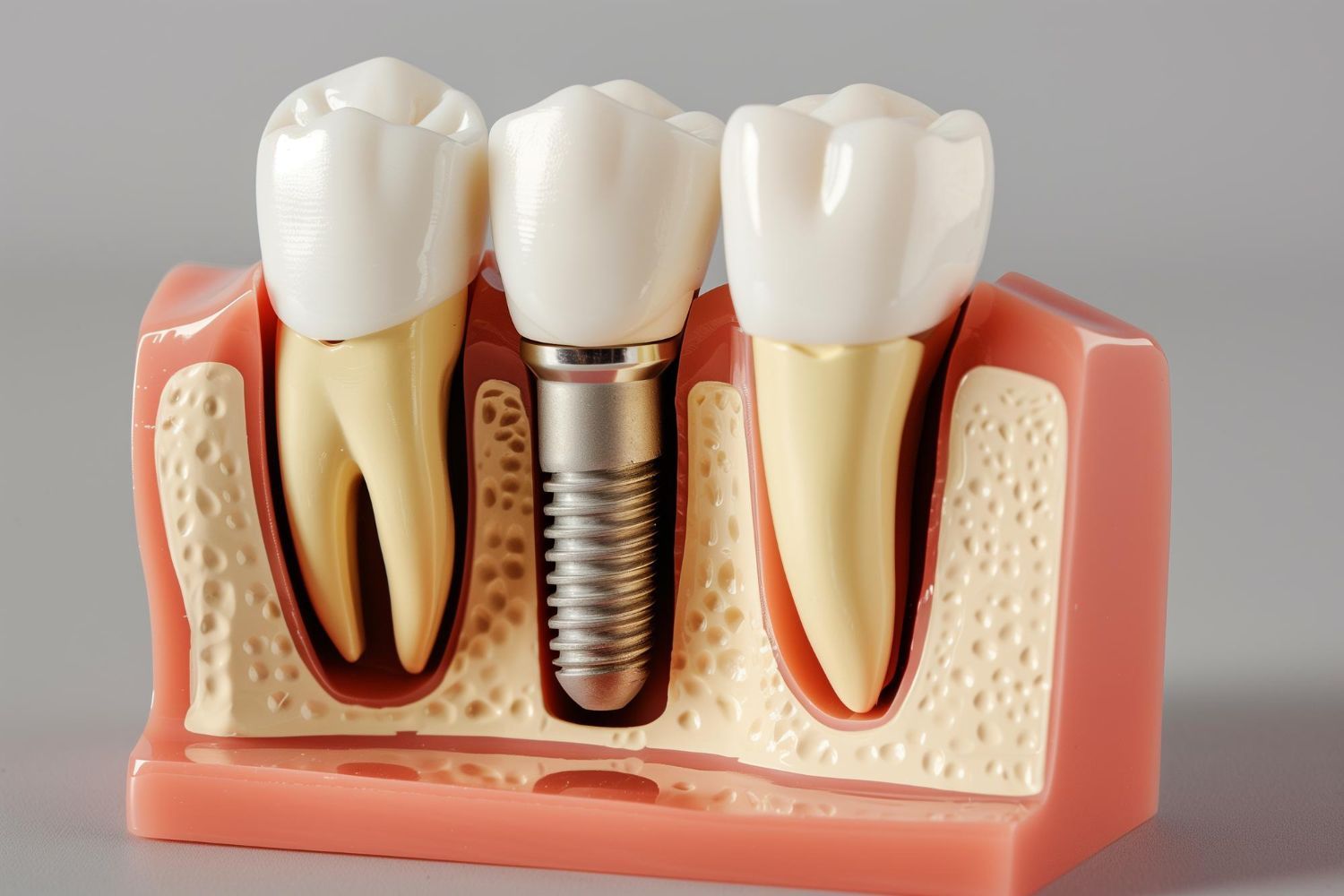
A dental implant is a titanium post surgically placed into the jawbone, topped with a custom crown that looks and functions like a natural tooth. It's currently considered the gold standard for tooth replacement because it's the only option that replaces the tooth root itself, which helps prevent bone loss.
Best for: Patients who want the most permanent, natural-feeling solution and have enough healthy jawbone (or are open to bone grafting if needed).
Pros: Looks and feels like a real tooth, doesn't affect neighboring teeth, can last decades with proper care. Cons: Higher upfront cost, requires a healing period, involves a minor surgical procedure.
Learn more about our dental implants in NYC.
Option 2: Dental Bridges
A dental bridge fills the gap by anchoring a false tooth (or teeth) to the natural teeth on either side, which are fitted with crowns for support. It's a fixed solution — no need to remove it for cleaning — and it's typically faster to complete than implants.
Best for: Patients missing one or a few teeth in a row who want a non-surgical, fixed option.
Pros: No surgery required, faster treatment timeline, restores appearance and chewing function. Cons: Requires reshaping the adjacent teeth, doesn't prevent bone loss under the gap, may need replacement after 10–15 years.
See our dental bridge options in New York.
Option 3: Partial or Full Dentures
Dentures are removable appliances that replace one or more missing teeth (partial dentures) or an entire arch of teeth (full dentures). Today's dentures are far more comfortable and natural-looking than they used to be, thanks to improved materials and custom fitting.
Best for: Patients missing multiple teeth who want a non-surgical, budget-friendly option, or those not ready for implants or bridges.
Pros: Lower upfront cost, non-surgical, can replace many teeth at once. Cons: Removable (needs daily cleaning and care), may require adjustments over time, generally less stable than implants or bridges.
Option 4: Implant-Supported Dentures
For patients missing most or all of their teeth, implant-supported dentures combine the stability of implants with the broader coverage of dentures. A small number of implants are placed to anchor a full denture, dramatically improving fit, comfort, and chewing ability compared to traditional dentures.
Best for: Patients missing most or all teeth in an arch who want more stability than traditional dentures offer.
Pros: More secure than removable dentures, preserves more jawbone than traditional dentures, restores fuller chewing function. Cons: Higher cost than traditional dentures, still requires implant placement surgery.
Option 5: Full Mouth Rehabilitation (Prosthodontics)
If you're missing several teeth across your mouth, or dealing with a combination of issues (worn teeth, bite problems, missing teeth), a full mouth rehabilitation plan — designed by a prosthodontist — may be the best path forward. This isn't a single treatment but a customized combination of implants, crowns, bridges, and other restorations designed to work together.
Best for: Patients with extensive tooth loss or multiple dental issues who need a comprehensive, coordinated treatment plan.
Our practice is led by a specialty-trained prosthodontist — learn more about prosthodontics and full mouth rehabilitation at InStyle Dental.
Which Option Is Right for You?
OptionSurgery RequiredTypical LifespanBest ForDental ImplantsYes20+ yearsSingle tooth, long-term solutionDental BridgeNo10–15 yearsOne or a few teeth in a rowPartial/Full DenturesNo5–10 yearsMultiple missing teeth, budget-consciousImplant-Supported DenturesYes15–20 yearsMost/all teeth missingFull Mouth RehabilitationVariesVariesExtensive tooth loss or combined issues
The best way to know for sure is a personalized evaluation — every mouth is different, and factors like bone density, gum health, and budget all play a role.
FAQs
Can a missing tooth be replaced without surgery?
Yes. Dental bridges and dentures both replace missing teeth without any surgical procedure. Dental implants are the main tooth-replacement option that requires a minor surgery.
How long does it take to replace a missing tooth?
It depends on the option. Dentures and same-day solutions can be completed quickly, while dental implants typically take a few months from placement to final crown, to allow for proper healing and bone integration.
What happens if you don't replace a missing tooth?
Over time, the jawbone in that area can shrink, neighboring teeth may shift into the gap, and your bite can become uneven — which can lead to further dental issues down the road.
Is it too late to replace a missing tooth years later?
In most cases, no. Even if a tooth has been missing for years, treatments like bone grafting can rebuild the jawbone enough to support an implant, bridge, or denture.
How much does it cost to replace one missing tooth?
Costs vary widely depending on the option and your specific case — dentures tend to be the most affordable, while implants have a higher upfront cost but often provide the best long-term value. Insurance coverage also varies, so it's best to get a personalized quote.
Ready to Replace Your Missing Tooth?
Whether you're missing one tooth or several, our Midtown Manhattan team can help you find the right solution for your smile, budget, and lifestyle. Learn more about how we treat missing teeth in NYC, or contact us today to schedule a consultation.
Losing a tooth — whether from decay, injury, or gum disease — is more common than most people think. The good news is that modern dentistry offers several reliable ways to replace a missing tooth, restoring both your smile and your bite function. The right choice depends on your budget, oral health, and long-term goals.
In this guide, our NYC dental team breaks down the five most common options for how to replace missing teeth, so you can walk into your next appointment already knowing what questions to ask.



What Counts as Restorative Dentistry? Common Restorative Dentistry Procedures and When They Are Used