What Is a Dental Bone Graft? Procedure, Materials and What to Expect
What Is a Dental Bone Graft? Procedure, Materials and What to Expect
If your dentist has recommended bone grafting, you may be wondering: what is a dental bone graft, how does it work, and why is it necessary?
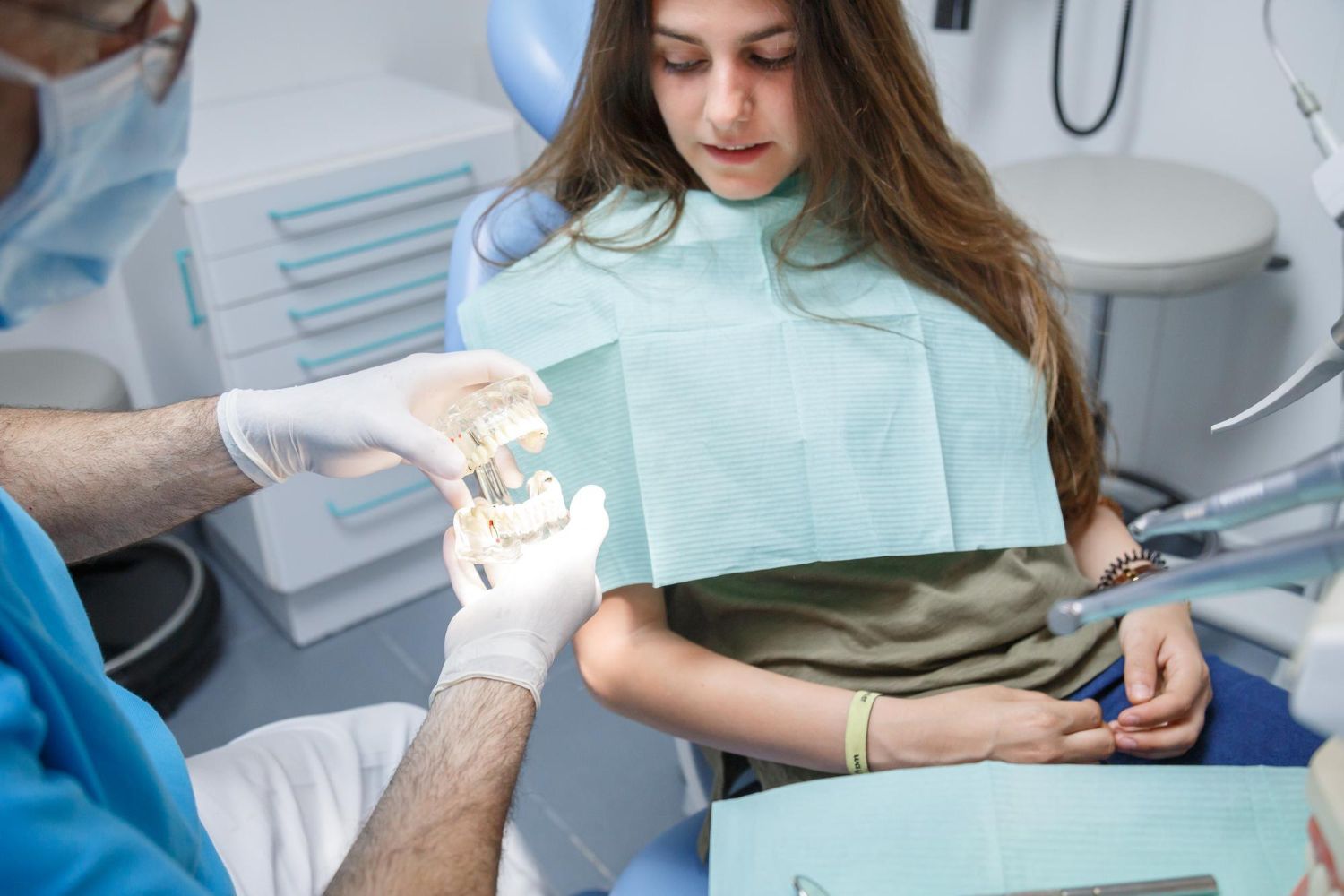
A dental bone graft is an oral surgery procedure used to rebuild or preserve bone in the jaw. A dentist or oral surgeon places bone-grafting material in an area where the jawbone is thin, damaged or has been lost. The graft provides a framework that allows your body to gradually form new bone around the area.
Bone grafting is commonly considered before dental implants, after certain tooth extractions, or when bone loss could affect future dental treatment.
The important thing to understand is that the graft usually does not simply become a permanent “piece of replacement bone.” Instead, it supports the natural rebuilding process while your own bone develops.
What Is a Bone Graft for Teeth?
When people ask what is a bone graft for teeth, they are usually referring to a procedure designed to preserve or rebuild the jawbone surrounding the teeth.
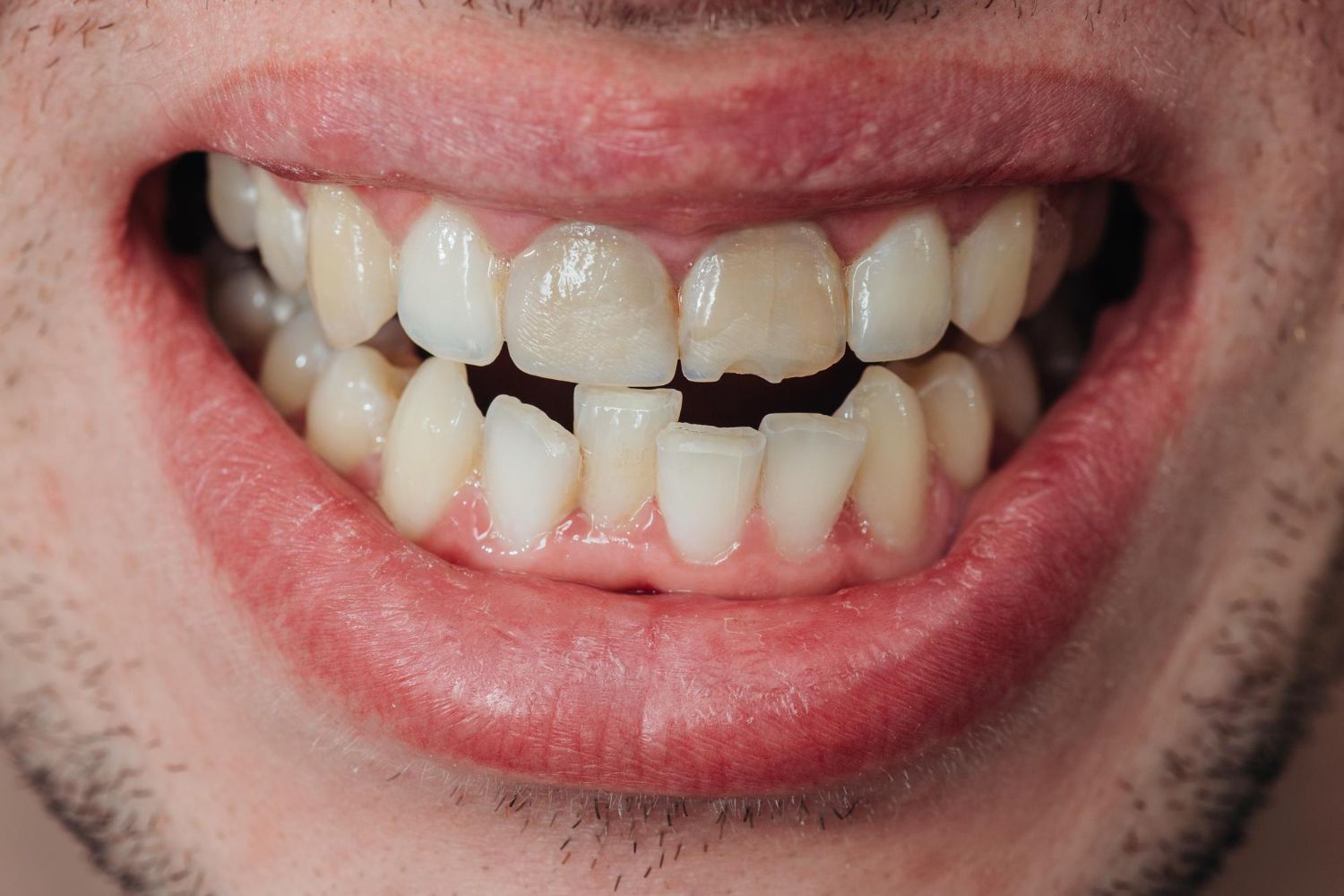
Your jawbone needs regular stimulation to maintain its volume. Natural tooth roots provide some of that stimulation. After a tooth is lost or removed, the bone around the empty socket can gradually change.
Bone can also be lost because of factors such as:
- Long-term missing teeth
- Gum disease
- Dental infection
- Trauma
- Previous extractions
- Natural bone anatomy
- Insufficient bone for an implant
In these situations, bone grafting in New York may be considered to increase or preserve the available jawbone.
So, what is bone grafting in dentistry? In simple terms, it is a method of giving the jaw a scaffold on which new bone can develop.
How Does a Dental Bone Graft Work?
A common question is how does a bone graft work if the material is not your natural jawbone?
Think of the graft as a framework.
The grafting material is placed in the area of bone deficiency. During healing, your body begins forming new tissue and bone around that framework. Over time, the treated area can become more suitable for supporting a dental restoration such as an implant.
Cleveland Clinic describes dental bone grafting as holding space in the jaw so the body's natural repair process can regenerate bone in the area.
The exact biological process and healing time depend on factors such as:
- The amount of bone being rebuilt
- The location of the graft
- The type of grafting material
- Your general and oral health
- Whether an extraction was performed
- Whether an implant is being planned
- Smoking or other factors that may affect healing
This is why two patients having bone grafts may receive very different treatment plans.
What Are Bone Grafts Made Of?
If you are researching what is a bone graft made of, you may be surprised to learn that there is more than one type of material.
Dental grafting materials generally fall into four categories.
Bone graft typeSourceGeneral purposeAutograftYour own boneUses living bone harvested from another areaAllograftHuman donor tissueProcessed donor bone used as grafting materialXenograftAnimal-derived sourceCommonly processed bovine or porcine materialAlloplastSynthetic materialLaboratory-produced bone substitute
These categories are also recognized in medically reviewed dental bone-grafting guidance.
Where Do Bone Grafts Come From?
The answer depends on which material your dental professional recommends.
Some grafts come from the patient's own body. Others are processed donor materials, animal-derived materials or synthetic substitutes.
If you are concerned about where the bone for a bone graft comes from, ask your dentist which material is being proposed and why it suits your specific procedure.
There is no single graft type that is automatically best for every patient.
How Is a Dental Bone Graft Done?
The exact technique varies, but a typical procedure may involve several basic steps.
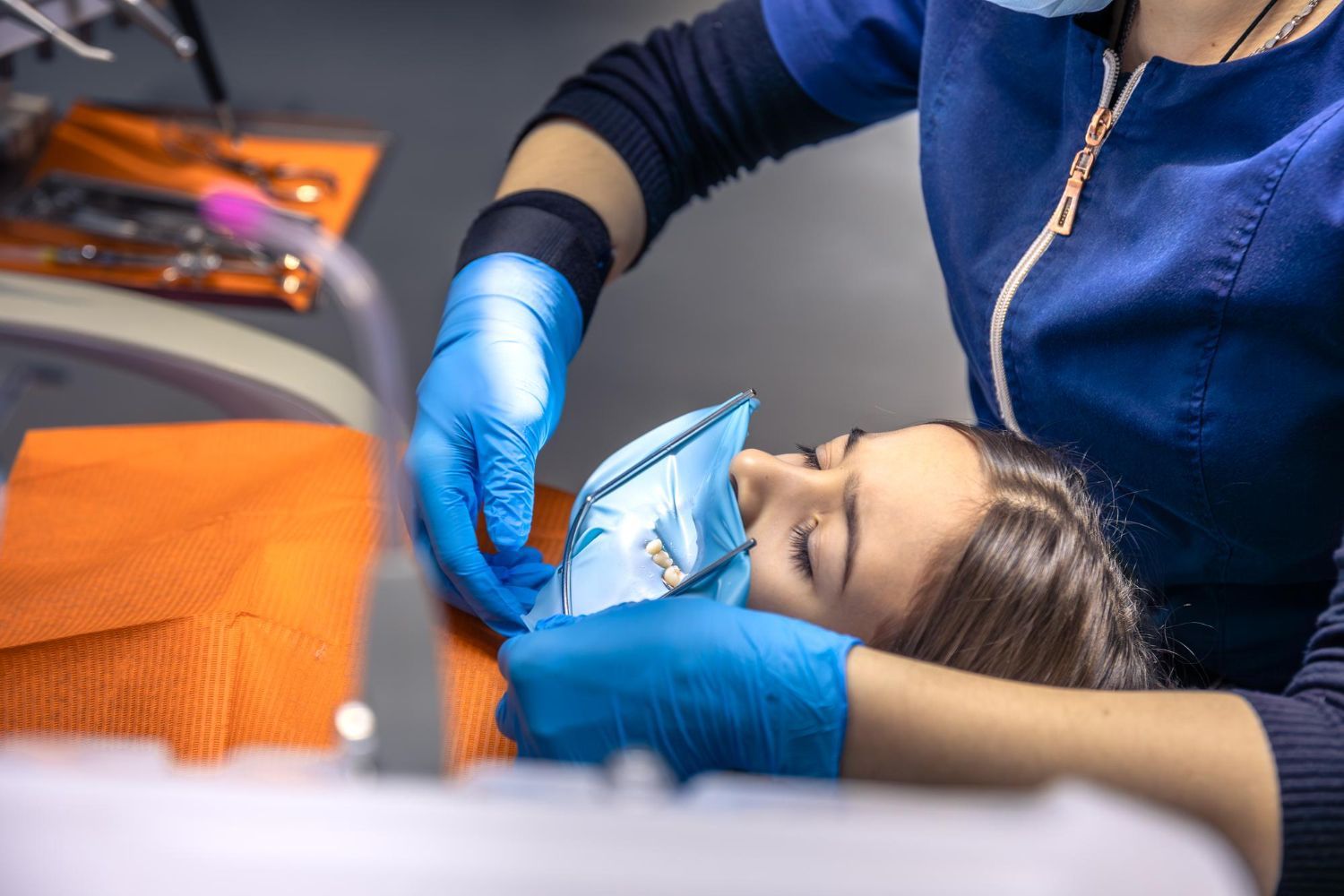
First, the treatment area is numbed using local anesthesia. Depending on the complexity of the procedure and the patient's needs, other sedation options may also be considered.
The clinician then accesses the area of bone loss, prepares the site and places the selected grafting material.
A protective membrane may sometimes be placed over the graft. The gums are repositioned and the area may be closed with stitches. This general sequence is consistent with medically reviewed descriptions of dental bone-grafting procedures.
Patients requiring more complex treatment may be referred for or treated through oral surgery in New York City.
How Is a Bone Graft Done After Tooth Extraction?
Bone grafting can sometimes be performed during the same appointment as an extraction.
After removing the tooth, the dentist cleans the socket and may place grafting material into the empty space to help preserve bone volume.
A medically reviewed Cleveland Clinic overview of tooth extraction similarly notes that bone-grafting material may be placed in the socket after a tooth is removed to help limit jawbone loss.
If you have been told you need both procedures, learn more about tooth extractions in New York.
What Does a Dental Bone Graft Look Like?
People searching what does a dental bone graft look like are often expecting to see a solid piece of bone.
That is not always what dental grafting material looks like.
Many graft materials have a granular appearance and may resemble tiny particles or grains when placed into the treatment area.
After the procedure, you normally will not see the entire graft because it is positioned beneath the gum tissue and may be protected by a membrane.
During early healing, Cleveland Clinic notes that small particles can occasionally come from the surgical site and may resemble grains of sand or salt. A large loss of material or concerning symptoms should be discussed with the treating dental professional.
Is a Bone Graft Necessary?
Is bone graft necessary for everyone getting a dental implant? No.
Some people already have adequate bone width, height and density for implant placement.
Others may not.
A dentist may recommend grafting when there is not enough suitable bone to support the planned treatment or when preserving the extraction site could improve future restorative options.
For someone considering dental implant treatment, imaging and a clinical evaluation help determine whether grafting is actually needed.
You should therefore be cautious of general statements claiming that every extraction or every implant requires a bone graft.
The decision is individual.
Bone Grafting and Dental Implants
One of the most common reasons for bone grafting for teeth is preparation for implant treatment.
Dental implants depend on the jawbone for support. When available bone is inadequate, a graft may be recommended before or sometimes alongside implant placement.
For patients with missing teeth, there may also be alternatives depending on the condition of the remaining teeth, bone and gums. Reviewing the broader missing teeth treatment options in New York can help put grafting into context.
In more complex restorative cases, a prosthodontics consultation may also be part of treatment planning.
What Is Bone Grafting in the Upper Jaw?
Bone loss in the back portion of the upper jaw can create a particular challenge because the sinus sits above this area.
Some patients preparing for upper dental implants may need a procedure called a sinus lift.
During a sinus lift, space is created beneath the sinus membrane so grafting material can be added to increase available bone in the upper jaw. InStyle Dental's sinus-lift information similarly explains that this procedure can be used when patients do not have sufficient upper-jaw bone to support implants.
Learn more about when a sinus lift for dental implants may be recommended.
What to Expect After Dental Bone Grafting
Some tenderness, swelling and bruising can occur after a dental bone graft.
These symptoms are generally most noticeable during the early recovery period and should improve rather than progressively worsen. Cleveland Clinic notes that initial recovery may take around a week, while the graft itself usually requires considerably more time to integrate and heal.
Your clinician may recommend:
- Eating softer foods during early recovery
- Keeping the area clean as instructed
- Avoiding disturbing the surgical site
- Taking prescribed medication correctly
- Avoiding smoking or vaping
- Attending follow-up visits
- Waiting for clearance before implant placement
Benefits and Limitations of Dental Bone Grafting
Bone grafting can be valuable, but patients should understand both its purpose and its limitations.
Potential benefits
A dental bone graft may:
- Preserve bone following certain extractions
- Rebuild areas where jawbone has been lost
- Improve the available foundation for dental implants
- Support future tooth-replacement planning
- Help restore bone volume in selected areas
Important limitations
Bone grafting also:
- Requires a healing period
- Does not guarantee implant eligibility
- Can add another stage to treatment
- Carries normal surgical risks such as infection or bleeding
- May require additional procedures
- Is not necessary for every patient
Bone grafts can fail, although your individual risk depends on your clinical situation and health factors.
A proper dental examination is therefore more useful than trying to decide whether you need grafting based only on online information.
For a broader look at available treatment options, you can explore InStyle Dental's dental services in New York.
Frequently Asked Questions
What is a dental bone graft in simple terms?
A dental bone graft is a procedure that places grafting material into an area of jawbone loss. The material acts as a framework while the body gradually creates new bone around the treatment site.
What are bone grafts used for in dentistry?
Bone grafts can help preserve an extraction socket, rebuild lost jawbone, prepare an area for dental implants or support other restorative and surgical treatment.
How do dental bone grafts work?
Dental grafting material provides a structure that supports new bone formation. Over time, your body's healing process gradually rebuilds the area around the graft.
What is bone grafting for teeth after an extraction?
After some extractions, grafting material can be placed into the empty tooth socket to help preserve the shape and volume of the surrounding jawbone, particularly when future tooth replacement is being considered.
Is a bone graft necessary before every dental implant?
No. Some patients have sufficient healthy jawbone for an implant without grafting. Others need additional bone volume first. Dental imaging and an examination are needed to determine which situation applies to you.
Conclusion: What Is a Dental Bone Graft?
So, what is a dental bone graft?
It is a dental procedure used to preserve or rebuild jawbone by placing grafting material in an area where bone is insufficient. The material provides a framework for new bone formation and is frequently used after extractions or when preparing selected patients for dental implants.
Bone grafts can come from your own body, processed human donor tissue, animal-derived material or synthetic substitutes. The right approach depends on your anatomy, oral health and treatment goals.
Most importantly, not everyone needs a bone graft. The decision should be based on dental imaging, examination and the treatment you plan to have.
If you have been told that you have jawbone loss or may need grafting before an implant, schedule a bone graft consultation with InStyle Dental to discuss your options and determine whether the procedure is appropriate for you.