Jaw Pain on One Side When Chewing: Possible Causes
Jaw Pain on One Side When Chewing: Possible Causes
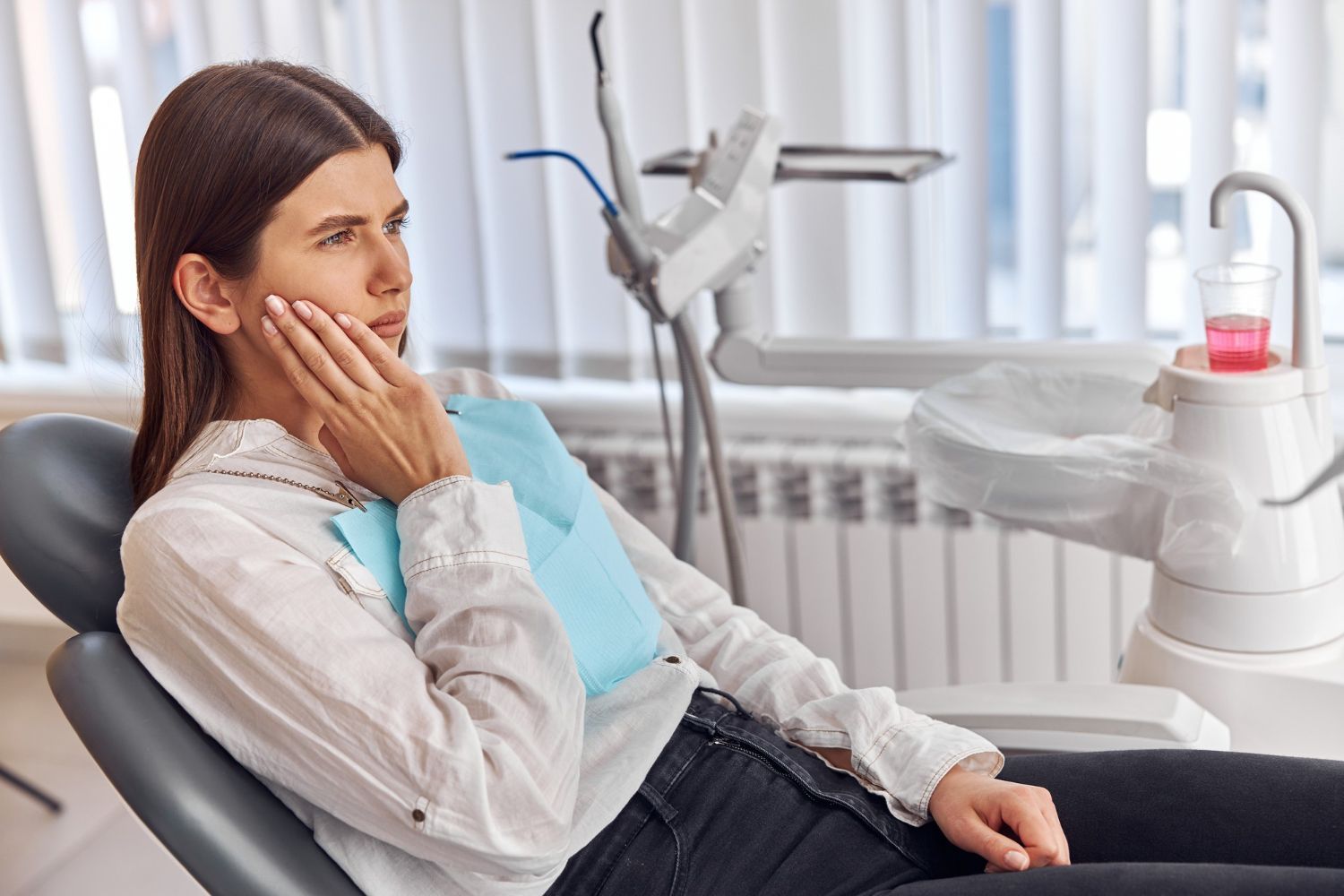
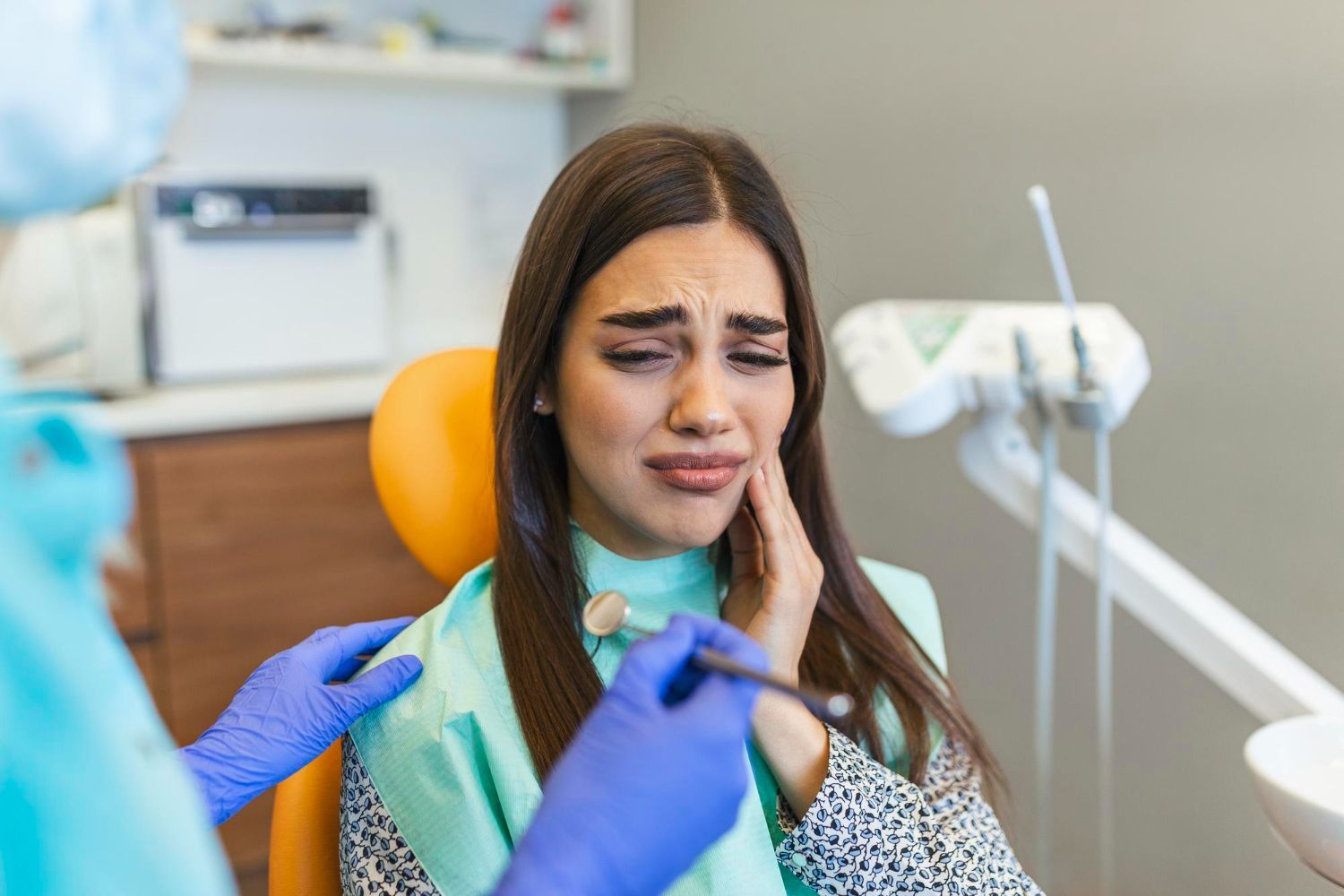
Jaw pain on one side when chewing may come from the jaw joint, chewing muscles, teeth, gums, or nearby facial structures. Common causes include temporomandibular disorders, teeth grinding, a cracked or infected tooth, gum inflammation, and recent dental or facial trauma.
The location of the discomfort alone cannot confirm the cause. A dental evaluation is especially important when the pain continues for more than a few days, becomes stronger, affects your ability to open your mouth, or occurs with swelling, fever, or tooth sensitivity.
This jaw pain on one side when chewing guide explains the most likely causes, warning signs, evaluation process, treatment options, recovery considerations, and cost factors.
Why Does My Jaw Hurt on Only One Side?
The jaw contains two temporomandibular joints, one on each side in front of the ears. These joints work with the surrounding muscles, teeth, ligaments, and nerves whenever you speak, yawn, or chew.
Pain may remain on one side when:
- One jaw joint is irritated or injured
- Muscles on one side are overworked
- One tooth is cracked, decayed, or infected
- The bite places greater pressure on one area
- A person habitually chews on one side
- Gum inflammation is concentrated around certain teeth
- A recent injury affected one side of the face
- Pain is being referred from another nearby structure
Temporomandibular disorders, commonly called TMDs, include more than 30 conditions affecting the jaw joints and the muscles responsible for jaw movement. Pain in the chewing muscles or joint, stiffness, limited movement, and painful clicking may indicate a TMD.
Common Causes of Jaw Pain on One Side When Chewing
1. Temporomandibular Joint Disorder
A temporomandibular disorder is one of the most common explanations for pain that becomes noticeable while chewing.
The temporomandibular joint acts as a sliding hinge connecting the lower jaw to the skull. Pain can develop when the joint, its cushioning disc, surrounding ligaments, or chewing muscles become irritated.
Possible TMD symptoms include:
- Pain directly in front of one ear
- Tenderness along one side of the jaw
- Pain that increases with chewing
- Jaw stiffness
- Difficulty opening the mouth fully
- Painful popping, clicking, or grinding
- Headaches or facial discomfort
- A change in how the teeth meet
- Temporary locking of the jaw
Clicking without pain or restricted movement is common and does not necessarily require treatment. Painful clicking, persistent stiffness, or locking deserves professional evaluation.
Patients experiencing these symptoms can learn more about professional TMJ treatment in New York.
2. Teeth Grinding or Jaw Clenching
Bruxism is the habit of grinding or clenching the teeth, often during sleep or periods of concentration and stress. It can overwork the jaw muscles and place pressure on the joints.
Although grinding frequently affects both sides, symptoms may feel stronger on one side if the bite distributes force unevenly or if one group of muscles is more strained.
Signs may include:
- Jaw soreness after waking
- Tired or tight facial muscles
- Morning headaches
- Flattened or worn teeth
- Chipped enamel
- Tooth sensitivity
- Pain after eating firm or chewy foods
- Tenderness near the temples
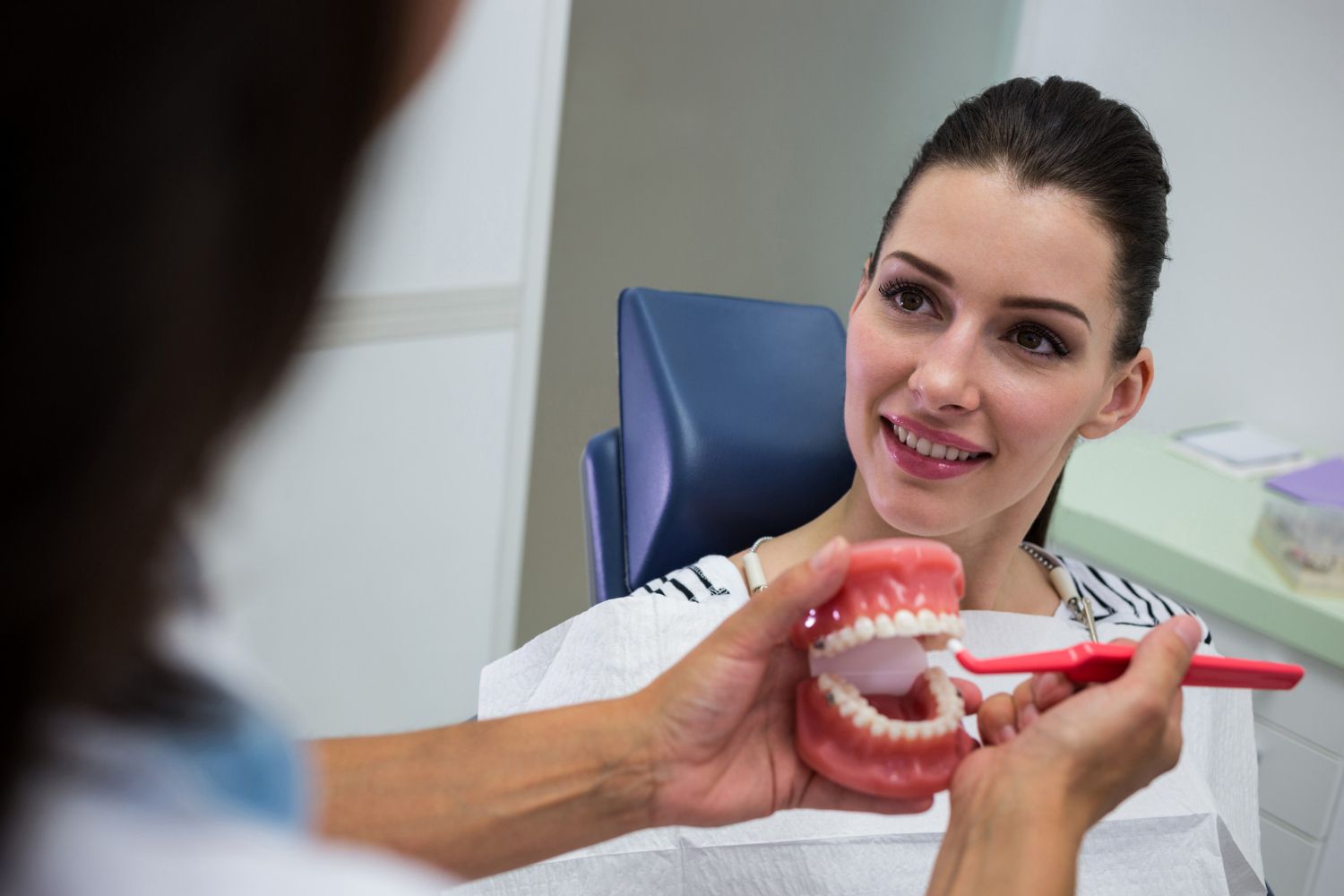
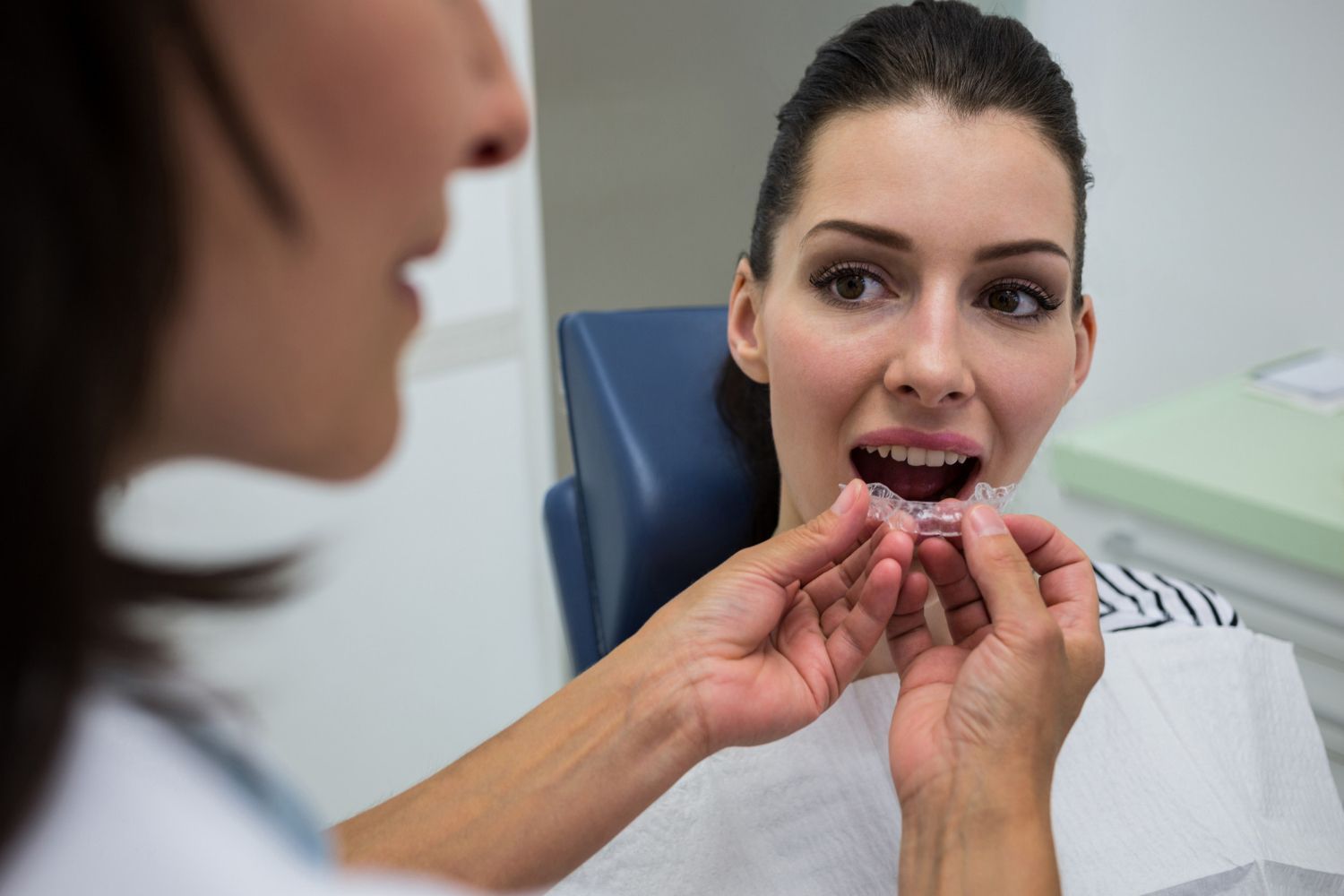
A dentist may examine the teeth for wear, check the jaw muscles, assess the bite, and determine whether a custom oral appliance or another conservative approach is appropriate.
Learn how teeth grinding treatment in New York may help address bruxism-related symptoms.
3. A Cracked or Damaged Tooth
A cracked tooth can produce sharp pain when biting down or releasing pressure. The discomfort may be difficult to locate because it can radiate toward the jaw, ear, or neighboring teeth.
You may notice:
- Sudden pain when chewing
- Pain when biting a particular way
- Sensitivity to cold, heat, or sweets
- Intermittent symptoms
- Tenderness around one tooth
- A rough or damaged tooth edge
Not every crack is visible without magnification, imaging, or bite testing. Treatment depends on the crack’s location and depth. Options may include bonding, a crown, root canal therapy, or extraction when the tooth cannot be predictably restored.
4. Tooth Decay or Dental Infection
Deep decay can irritate or infect the tissue inside a tooth. Pain may initially occur only while chewing, but it can later become spontaneous, throbbing, or persistent.
Possible warning signs include:
- Pain centered around one tooth
- Sensitivity that lingers after hot or cold foods
- Pain when biting
- Gum swelling
- A bad taste in the mouth
- Facial swelling
- Fever
- Difficulty sleeping because of pain
A dental infection should not be managed only with pain medication. The source may need treatment through a filling, crown, root canal procedure, drainage, or extraction.
Patients with localized discomfort can review information about tooth pain treatment in New York. When the inner tooth tissue is involved, root canal treatment in New York may be considered after examination.
5. Tooth Sensitivity
Sensitivity can sometimes feel like jaw pain, particularly when several teeth on one side react during chewing.
Possible causes include:
- Worn enamel
- Exposed tooth roots
- Gum recession
- Decay
- A loose filling
- A cracked tooth
- Recent whitening
- Teeth grinding
- Acid erosion
Sensitivity that is mild and brief may respond to professional recommendations and desensitizing products. Persistent, localized, or worsening sensitivity should be evaluated to rule out decay, a crack, or inflammation inside the tooth.
Explore possible causes and tooth sensitivity treatment in New York.
6. Gum Disease or Localized Gum Inflammation
Inflamed gums around one or more teeth can create soreness when chewing. As periodontal disease progresses, the tissues and bone supporting the teeth may be affected, potentially causing tenderness, mobility, or a change in the bite.
Signs can include:
- Bleeding while brushing or flossing
- Swollen or tender gums
- Gum recession
- Persistent bad breath
- Pain around a particular tooth
- Loose teeth
- Discomfort when biting
- Pus near the gumline
Professional cleaning, periodontal evaluation, and treatment of the underlying inflammation may be needed. Regular dental cleaning and exams can help identify gum and tooth problems before they become more advanced.
7. Recent Dental Work
Temporary soreness can occur after certain dental procedures, particularly when the mouth has remained open for an extended period.
Possible contributors include:
- Muscle fatigue
- Temporary joint irritation
- Injection-site tenderness
- An uneven restoration
- Normal post-treatment inflammation
- Chewing on the treated side too soon
Mild symptoms should generally improve. Contact the dental office when the bite feels unusually high, discomfort becomes worse, swelling develops, or pain persists beyond the expected recovery period.
8. Impacted or Infected Wisdom Tooth
A partially erupted or impacted wisdom tooth may cause pain toward the back of one side of the jaw.
Symptoms may include:
- Pain behind the last molar
- Swollen gum tissue
- Difficulty opening the mouth
- Bad taste or odor
- Pain when chewing
- Swelling near the cheek
- Tender lymph nodes
The dentist may use an examination and dental imaging to evaluate the tooth’s position and surrounding structures. When a tooth cannot be maintained safely, tooth extraction in New York may be discussed.
9. Jaw Injury or Muscle Strain
A blow to the face, sports injury, wide yawn, prolonged dental appointment, or chewing particularly hard food can strain the joint or surrounding muscles.
Seek prompt evaluation if there is:
- A sudden change in the bite
- Significant swelling
- Bruising
- Numbness
- Inability to move the jaw normally
- Severe pain
- A visibly altered jaw position
Trauma may require dental imaging or referral for further assessment.
10. Arthritis Affecting the Jaw Joint
Osteoarthritis, rheumatoid arthritis, and other inflammatory joint conditions can affect the temporomandibular joint.
Possible signs include:
- Deep joint discomfort
- Stiffness
- Reduced jaw movement
- Grinding sensations
- Symptoms in other joints
- Pain that increases with use
Treatment should be coordinated according to the type of arthritis and the structures involved. Conservative care is generally considered before irreversible dental or surgical treatment.
11. Pain Referred From Nearby Areas
Not all one-sided jaw pain begins in the jaw itself. Discomfort may occasionally be related to nearby structures, including:
- The ear
- Sinuses
- Salivary glands
- Facial nerves
- Neck muscles
- Headache conditions
A dentist can evaluate whether the pain appears dental or jaw-related. Referral to a physician or another clinician may be appropriate when the examination does not identify an oral cause.
How a Jaw Pain on One Side When Chewing Dentist Evaluates the Problem
Because several conditions can cause similar symptoms, diagnosis begins with a detailed history rather than assumptions based only on pain location.
A jaw pain treatment New York consultation may include questions about:
- When the discomfort began
- Whether it is sharp, dull, throbbing, or burning
- Which foods trigger the pain
- Whether the pain occurs while biting down or releasing
- Whether the jaw clicks, locks, or feels stiff
- Whether symptoms are worse in the morning
- Recent dental treatment or facial injury
- Teeth grinding or clenching
- Tooth sensitivity
- Headaches, ear symptoms, or neck pain
- Swelling, fever, or an unpleasant taste
The clinical examination may involve:
- Checking the teeth for cracks, decay, or wear
- Testing individual teeth for biting sensitivity
- Examining the gums
- Assessing how the teeth meet
- Measuring jaw movement
- Feeling the jaw joints and muscles
- Listening for joint sounds
- Reviewing relevant dental images
Dental X-rays may help evaluate the teeth and jawbone. CT or MRI may be considered in selected cases when detailed joint, bone, disc, or soft-tissue information is necessary. There is no single standard test that diagnoses every type of TMD, so other dental and medical causes may need to be ruled out.
A comprehensive general dentistry evaluation can provide the appropriate starting point.
Conservative TMD Care
When the symptoms are associated with a temporary jaw-joint or muscle problem, initial care may include:
- Choosing softer foods for a limited period
- Cutting food into smaller pieces
- Avoiding gum and very chewy foods
- Reducing clenching and nail biting
- Using heat or cold as directed
- Practising clinician-recommended exercises
- Using over-the-counter medication only when medically appropriate
- Considering physical therapy
- Using an oral appliance when properly evaluated and prescribed
NIDCR advises beginning with simple, reversible care because many TMD symptoms improve without aggressive treatment. Treatments that permanently change the teeth, bite, or jaw should generally be approached cautiously, particularly when the diagnosis is uncertain.
Dental Treatment
When pain comes from a tooth, the jaw pain treatment New York procedure may focus on removing decay, stabilizing a crack, treating infected tissue, correcting a problematic restoration, or removing a tooth that cannot be restored.
The benefit of diagnosis-based care is that it addresses the source rather than temporarily masking the discomfort. Its limitation is that the correct procedure cannot be selected without examination and, when appropriate, imaging.
What Can You Do Before Your Appointment?
Until you receive professional guidance, consider these temporary measures:
- Choose soft foods that require less chewing
- Avoid gum, hard candy, tough meat, and very crunchy foods
- Cut meals into small pieces
- Avoid opening your mouth unusually wide
- Do not repeatedly test the painful area by biting on it
- Keep notes about triggers and associated symptoms
- Avoid resting your chin on your hand
- Pay attention to daytime clenching
- Use medication only according to its label and your medical guidance
These measures may reduce strain, but they are not substitutes for diagnosis. Do not place aspirin directly against a tooth or gum because it can injure oral tissue.
When Should You Seek Urgent Care?
Arrange prompt dental care when pain is persistent, worsening, or interfering with eating.
Seek urgent assessment for:
- Facial or jaw swelling
- Fever with dental or facial pain
- Pus or a bad taste near a tooth
- Difficulty opening the mouth
- Rapidly increasing pain
- A traumatic jaw injury
- A sudden change in the bite
- Numbness or weakness
- Difficulty swallowing or breathing
Call emergency services for jaw discomfort accompanied by chest pressure, shortness of breath, sweating, nausea, faintness, or pain spreading to the arm, shoulder, neck, or back. Those symptoms require medical evaluation rather than a routine dental appointment.
Jaw Pain Treatment New York Recovery and Aftercare
The treatment timeline depends on the cause.
Muscle strain or a mild TMD episode may improve gradually with conservative care. A damaged restoration may feel better after the bite is corrected. Tooth pain caused by decay or infection may require a restorative procedure before meaningful improvement occurs.
Jaw pain treatment New York aftercare may involve:
- Following temporary dietary instructions
- Taking prescribed or approved medication correctly
- Avoiding chewing on a treated area
- Wearing an oral appliance as directed
- Completing physical-therapy exercises
- Maintaining careful oral hygiene
- Attending follow-up appointments
- Reporting worsening swelling, fever, or pain
Recovery is not identical for every patient. The clinician should explain what level of discomfort is expected, when improvement should begin, and which symptoms require reassessment.
Benefits, Limitations, and Risks of Treatment
The potential jaw pain treatment New York benefits include:
- Identifying the actual source of pain
- Improving chewing comfort
- Treating active dental disease
- Protecting a damaged tooth when possible
- Reducing strain on the jaw muscles or joints
- Preventing certain conditions from progressing
Limitations include the possibility that symptoms have more than one cause. For example, a patient may have both bruxism and a cracked tooth, or both joint irritation and muscle tension.
Jaw pain treatment New York risks depend on the recommended procedure. Medication, oral appliances, restorations, root canal therapy, extraction, injections, and surgery each have different considerations. A patient should receive an explanation of reasonable alternatives, expected benefits, limitations, and material risks before treatment.
Surgery is not routine care for most TMD symptoms. Conservative and reversible measures are generally preferred first, while invasive procedures are reserved for selected diagnoses and circumstances.
Jaw Pain on One Side When Chewing Cost Factors
The cost cannot be estimated accurately from the symptom alone because different causes require different tests and treatments.
Jaw pain on one side when chewing cost factors may include:
- Type of examination
- Required dental imaging
- Number of affected teeth
- Whether a restoration is needed
- Complexity of root canal treatment
- Need for an oral appliance
- Physical-therapy referrals
- Tooth extraction complexity
- Specialist involvement
- Insurance participation and plan limitations
- Follow-up care
A straightforward bite adjustment and treatment of a complex joint condition have very different cost structures. Request an itemized treatment plan after the diagnosis is established.
Jaw Pain Treatment New York Eligibility and Alternatives
Eligibility for a particular treatment depends on the underlying diagnosis, oral condition, medical history, medications, imaging findings, and previous care.
Jaw pain treatment New York alternatives may include:
- Monitoring mild symptoms
- Reversible self-care
- Physical therapy
- An oral appliance
- Dental restoration
- Root canal therapy
- Tooth extraction
- Periodontal treatment
- Medical referral
- Specialist evaluation
No single treatment is appropriate for every type of one-sided jaw pain. Patients considering permanent bite changes, injections, or surgery should understand why the treatment is being recommended and whether conservative alternatives remain available.
Frequently Asked Questions
Is jaw pain on one side when chewing always caused by TMJ?
No. A TMD is one possible cause, but a cracked tooth, decay, infection, gum inflammation, grinding, wisdom-tooth problems, trauma, or referred pain can produce similar symptoms. An examination is needed to identify the source.
When should I see a jaw pain on one side when chewing dentist?
Schedule an evaluation when pain lasts more than a few days, repeatedly returns, becomes worse, or affects normal chewing. Seek faster care when you have swelling, fever, severe tooth pain, jaw locking, or difficulty opening your mouth.
What happens during a jaw pain treatment New York consultation?
The dentist typically reviews your symptoms and medical history, examines the teeth, gums, bite, jaw joints, and chewing muscles, and may recommend dental imaging. Additional medical or specialist evaluation may be suggested when the cause does not appear dental.
What are the most common jaw pain on one side when chewing treatment options?
Treatment may include conservative jaw care, physical therapy, an oral appliance, a filling, crown, root canal, periodontal treatment, or extraction. The correct choice depends on whether the source is muscular, joint-related, dental, periodontal, or medical.
How long is the jaw pain treatment New York treatment timeline?
The timeline varies considerably. Mild muscle strain may improve with temporary conservative care, while a cracked or infected tooth may require a dental procedure. Chronic or complex TMD symptoms may need ongoing management and reassessment.
Conclusion
Jaw pain on one side while chewing may originate from the jaw joint, muscles, teeth, gums, or nearby structures. TMD and teeth grinding are common possibilities, but localized dental problems such as decay, infection, or a cracked tooth should not be overlooked.
Avoid choosing a treatment based only on symptoms. A professional examination can determine whether you need conservative jaw care, restorative treatment, infection management, periodontal care, or referral to another clinician.
Schedule a Jaw Pain Evaluation in Manhattan
Persistent pain while chewing deserves a diagnosis-based treatment plan. InStyle Dental evaluates the teeth, gums, bite, jaw joints, and related symptoms to identify appropriate next steps.
Explore jaw pain treatment in New York and Manhattan, or schedule a dental consultation to discuss your symptoms and available treatment options.