How to Get Rid of Bad Breath Permanently: Causes and Effective Treatments
How to Get Rid of Bad Breath Permanently: Causes and Effective Treatments
If you want to know how to get rid of bad breath permanently, the most important step is identifying and treating its underlying cause. Brushing, gum, mints, and mouthwash may temporarily improve breath, but persistent halitosis can be associated with plaque buildup, tongue bacteria, gum disease, tooth decay, dry mouth, tobacco use, dental appliances, or certain medical conditions.
Long-term improvement usually requires a combination of consistent oral hygiene, professional dental care, management of dry mouth, treatment of active dental disease, and medical evaluation when the odor does not originate in the mouth.
Can You Get Rid of Bad Breath Permanently?
Bad breath can often be controlled successfully when its cause is identified and managed. However, no treatment can guarantee that it will never return.
Plaque begins forming again after it is removed. Dry mouth can recur, dental restorations may develop problems, and health conditions or medications can change over time. For that reason, permanently improving bad breath usually means controlling the contributing factors consistently rather than relying on a one-time product or procedure.
A practical long-term plan may include:
- Brushing effectively twice a day
- Cleaning between the teeth every day
- Cleaning the tongue gently
- Keeping dental appliances clean
- Managing dry-mouth symptoms
- Treating cavities, infections, or gum disease
- Avoiding tobacco
- Attending regular dental examinations
- Seeking medical care when no oral cause is found
Patients experiencing ongoing symptoms can schedule an evaluation for bad breath treatment in New York.
Why Does Bad Breath Keep Coming Back?
Persistent bad breath, also called halitosis, usually returns because the underlying source has not been removed or controlled.
Plaque and Food Debris
Bacteria naturally live in the mouth. When plaque and food particles remain on the teeth, between the teeth, around the gums, or beneath dental restorations, bacteria break down this material and produce unpleasant odors.
Brushing cleans the accessible surfaces of the teeth, but it does not reliably clean tight spaces between them. Daily flossing or another suitable interdental cleaning method is therefore important.
Professional dental cleaning and exams in NYC can remove hardened tartar and identify areas that may be difficult to maintain at home.
Bacteria on the Tongue
The uneven surface of the tongue can trap bacteria, food particles, and dead cells. This is especially common toward the back of the tongue, where cleaning may be more difficult.
A white or yellow tongue coating does not always indicate disease, but it can contribute to unpleasant breath. Gentle tongue cleaning may help, although it should be combined with complete tooth and gum care.
Gum Disease
Bad breath that does not go away can be associated with gum disease. Gingivitis may cause swollen or bleeding gums, while periodontitis can create deeper pockets between the gums and teeth where bacteria accumulate.
Other possible signs include:
- Red or tender gums
- Bleeding while brushing or flossing
- Receding gums
- Loose or shifting teeth
- Pain when chewing
- Pus around the gumline
- A persistent unpleasant taste
Tartar cannot be removed with ordinary brushing and requires professional cleaning. More advanced disease may need periodontal treatment.
Patients with these symptoms should consider an evaluation for periodontal disease treatment in New York.
Tooth Decay or Dental Infection
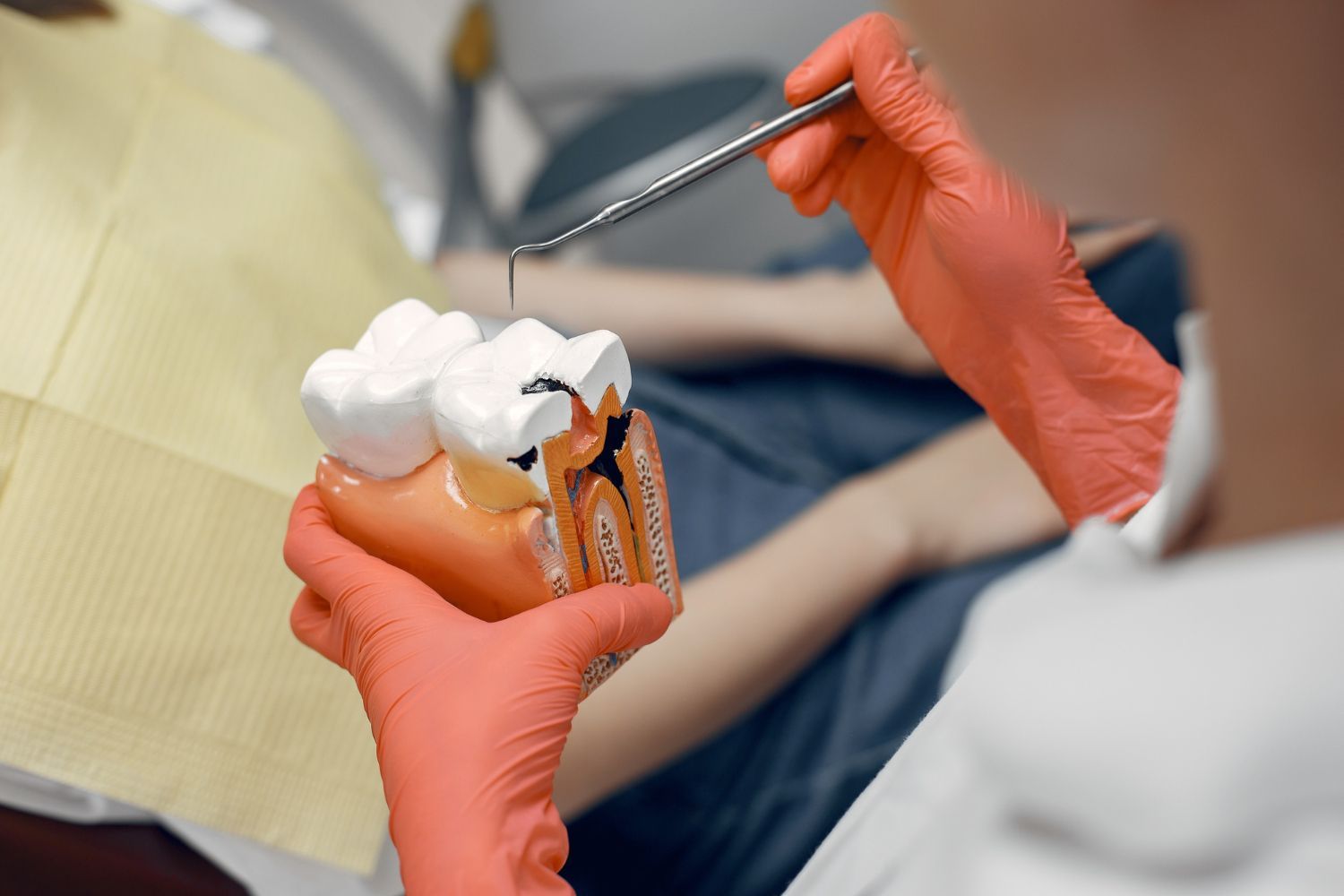
A cavity, cracked tooth, leaking filling, or infected tooth can create spaces where bacteria and food collect. An infection may also produce drainage or a persistent bad taste.
Warning signs can include:
- Tooth pain
- Sensitivity to hot or cold
- Discomfort when biting
- Gum or facial swelling
- A pimple-like bump on the gum
- Fever
- Pus or an unpleasant taste
Treating the dental problem may require a filling, crown, root canal procedure, drainage, or extraction, depending on the diagnosis.
Patients with localized discomfort can review tooth pain treatment in New York. When the tissue inside a tooth is infected, root canal treatment in New York may be considered after an examination.
Dry Mouth
Saliva helps wash away food particles and supports the natural cleansing of the mouth. When saliva production decreases, bacteria and debris can remain longer, increasing the likelihood of unpleasant breath.
Dry mouth may be connected to:
- Certain medications
- Dehydration
- Mouth breathing
- Tobacco or alcohol use
- Salivary-gland conditions
- Diabetes
- Radiation treatment
- Other medical conditions
Symptoms can include a sticky mouth, cracked lips, difficulty swallowing, altered taste, mouth sores, and persistent bad breath. A dentist or physician may review medications, oral health, and saliva production to determine the likely cause.
Learn more about dry mouth treatment in New York.
Dentures, Retainers, and Other Appliances
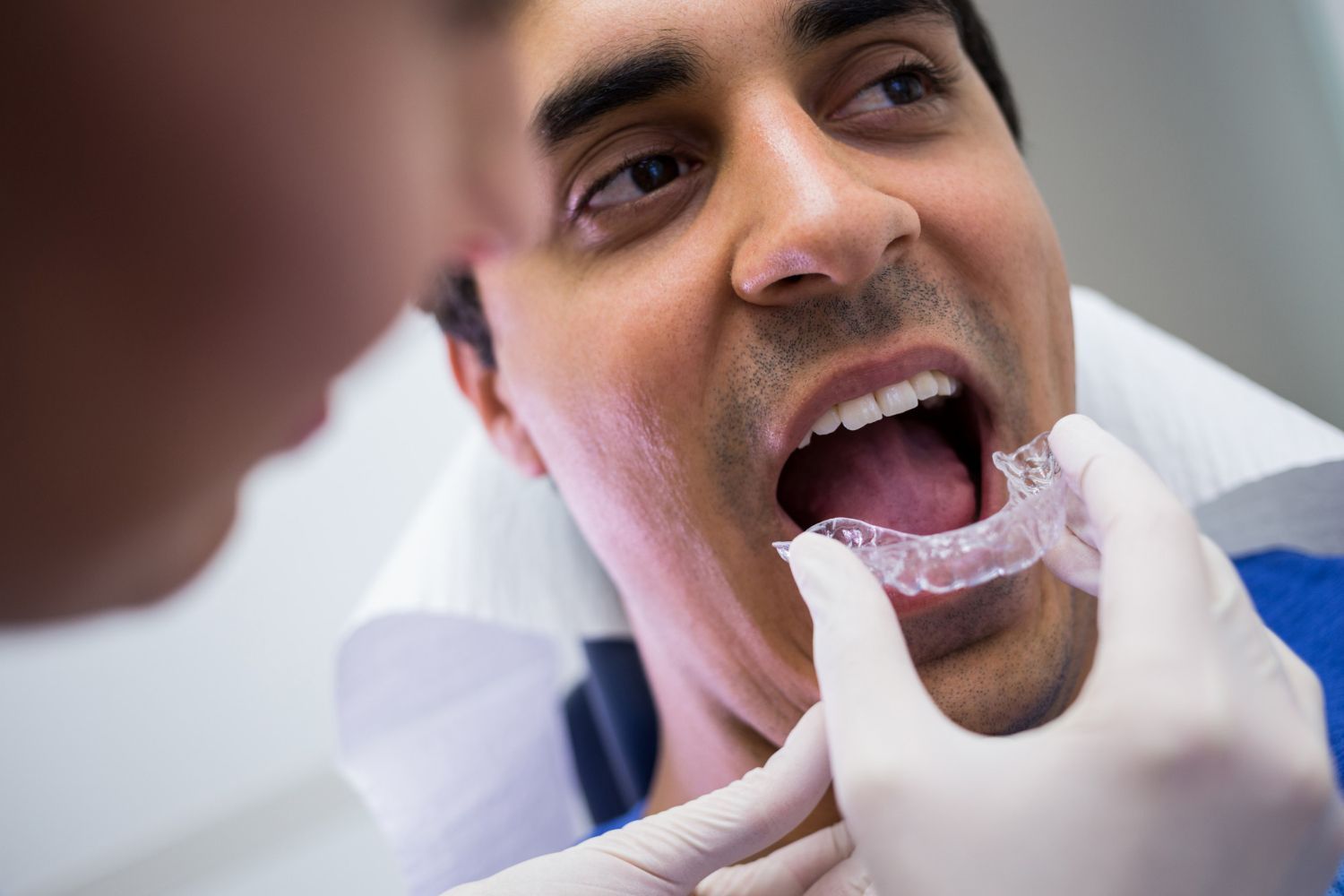
Dentures, aligners, retainers, night guards, braces, bridges, and other dental appliances can collect plaque and food debris.
Bad breath may continue when an appliance:
- Is not cleaned thoroughly
- Is worn longer than directed
- No longer fits properly
- Has cracks or rough areas
- Traps food around nearby teeth or gums
Removable appliances should be cleaned according to professional instructions. Bring them to your dental appointment so their condition and fit can be assessed.
Smoking and Tobacco
Tobacco can directly affect breath and contribute to dry mouth and gum irritation. Tobacco users also have an increased risk of gum disease, which can create an additional source of persistent odor.
Stopping tobacco use can benefit breath, gums, healing, and overall health, although existing dental disease may still require treatment.
Food, Coffee, and Alcohol
Garlic, onions, spices, coffee, and alcohol may temporarily affect breath. Some foods influence exhaled air after digestion, which means brushing alone may not remove the odor immediately.
Diet-related odor generally improves with time. Persistent bad breath that continues regardless of what you eat is more likely to require dental or medical evaluation.
Medical Causes
Most bad breath begins in the mouth, but some cases may be related to conditions involving the nose, throat, sinuses, digestive system, or general health.
Possible non-dental contributors include:
- Tonsil stones
- Sinus or throat infections
- Postnasal drainage
- Acid reflux
- Diabetes
- Certain kidney or liver conditions
- Some medications
When a dental examination does not identify an oral cause, referral to a physician or another healthcare professional may be appropriate.
How to Get Rid of Bad Breath Permanently at Home
Home care can significantly improve breath when the problem is related to plaque, food debris, tongue coating, or mild dryness. However, home remedies cannot repair tooth decay, remove hardened tartar, treat an infected tooth, or reverse advanced gum disease.
Brush Thoroughly Twice a Day
Use fluoride toothpaste and a soft-bristled toothbrush. Brush for approximately two minutes, covering:
- The front, back, and chewing surfaces of each tooth
- The gumline
- Hard-to-reach back teeth
- Areas around crowns, bridges, implants, or orthodontic appliances
Replace the toothbrush or brush head when the bristles become worn.
Clean Between Your Teeth Daily
Floss or another appropriate interdental cleaner removes plaque and food particles that a toothbrush cannot reach.
Depending on your oral health, a dentist or hygienist may recommend:
- Traditional dental floss
- Interdental brushes
- Floss holders
- Water flossers
- Specialized implant or bridge floss
The best tool is one that fits your teeth and can be used safely and consistently.
Clean Your Tongue Gently
Use a tongue cleaner or soft toothbrush to remove coating from the tongue. Begin toward the back and move forward without using enough pressure to cause pain, bleeding, or irritation.
Tongue cleaning may reduce odor, but it is not a substitute for cleaning the teeth and gums.
Drink Enough Water
Regular water intake helps reduce dryness and wash away loose food particles.
People with dry-mouth symptoms may also benefit from sugar-free gum or sugar-free candy when medically and dentally appropriate. These products can stimulate saliva, but they do not treat every cause of reduced saliva production.
Clean Dental Appliances Properly
Remove and clean dentures, retainers, aligners, night guards, and other removable devices as directed.
Do not assume toothpaste is appropriate for every appliance; some products may scratch or damage dental materials. Ask your dentist which cleaner and storage method are suitable.
Avoid Tobacco
Stopping smoking and other tobacco use can reduce a direct source of odor and help protect the gums and oral tissues.
Review Your Diet
Pay attention to foods and drinks that repeatedly affect your breath. Reducing garlic, onions, excessive coffee, alcohol, or high-sugar snacking may help, but dietary changes will not resolve gum disease or dental infection.
How to Cure Bad Breath Caused by Dental Problems
People often search for how to cure bad breath, but treatment must match the cause. There is no universal procedure for halitosis.
Professional Cleaning
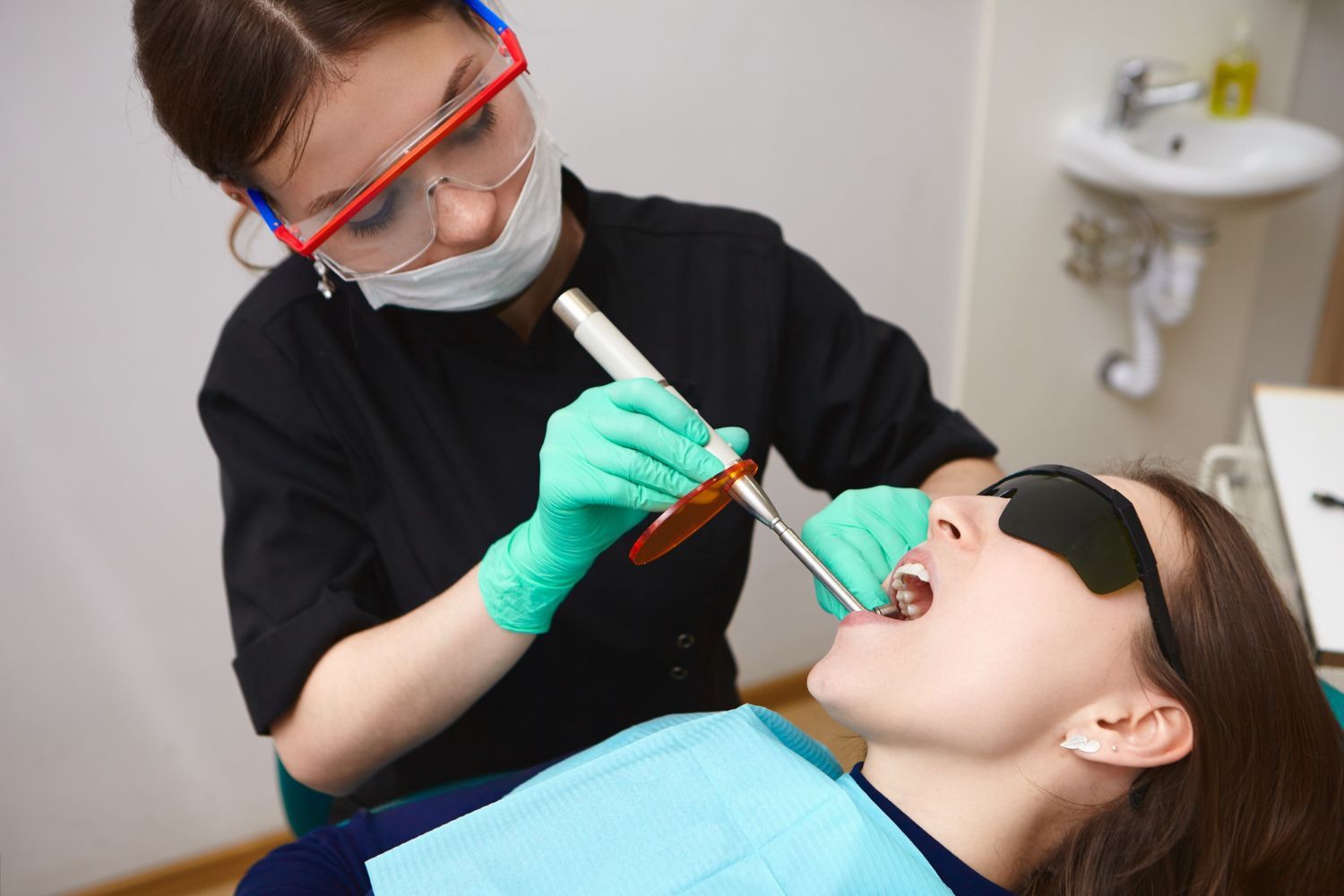
When plaque and tartar are the main contributors, professional cleaning may improve gum health and breath.
A hygienist can also identify areas where your home-care technique needs adjustment. Ongoing dental hygiene care in New York can help control plaque between visits.
Periodontal Treatment
When gum disease is present, treatment may include:
- Oral-hygiene instruction
- Professional cleaning
- Scaling and root planing
- Periodontal maintenance
- Management of contributing risk factors
- Specialist referral when necessary
Improvement depends on the severity of the condition, treatment response, tobacco use, general health, and continued plaque control.
Fillings, Crowns, or Replacement of Defective Restorations
Cavities, cracked teeth, poorly fitting crowns, and damaged fillings can trap bacteria. Treating or replacing the affected area may eliminate one source of odor.
Patients with damaged or heavily restored teeth may require restorative dentistry in NYC.
Root Canal Treatment
When infection has reached the inner tissue of a restorable tooth, root canal therapy may be recommended to remove the infected tissue and preserve the tooth.
Tooth Extraction
Extraction may be considered when a tooth is severely damaged, infected, impacted, or cannot be restored predictably. It is generally not the first choice when the tooth can be treated successfully.
Information about tooth extraction in New York can help patients understand when removal may be considered.
Dry-Mouth Management
Treatment may include changes to daily habits, saliva-supporting products, management of oral disease, and collaboration with the clinician who prescribed medications associated with dryness.
Never stop or alter a prescribed medication without consulting the prescribing healthcare professional.
Does Mouthwash Kill Bad Breath Permanently?
Mouthwash may reduce bacteria, control plaque, or temporarily neutralize odor, depending on its ingredients. However, it usually does not kill bad breath permanently because it cannot remove tartar, repair decay, treat an infected tooth, or correct an underlying medical condition.
Some cosmetic rinses primarily mask odor. Therapeutic rinses may be useful for selected patients, but the right product depends on gum health, cavity risk, sensitivity, dry mouth, and other factors.
Using a strong rinse repeatedly without identifying the cause may delay necessary dental treatment.
How to Get Rid of Chronic Bad Breath
To get rid of chronic bad breath, begin with a complete dental evaluation rather than repeatedly changing toothpaste or mouthwash.
The dentist may:
- Review when the problem started and how often it occurs.
- Ask about medications, diet, tobacco, dry mouth, and medical conditions.
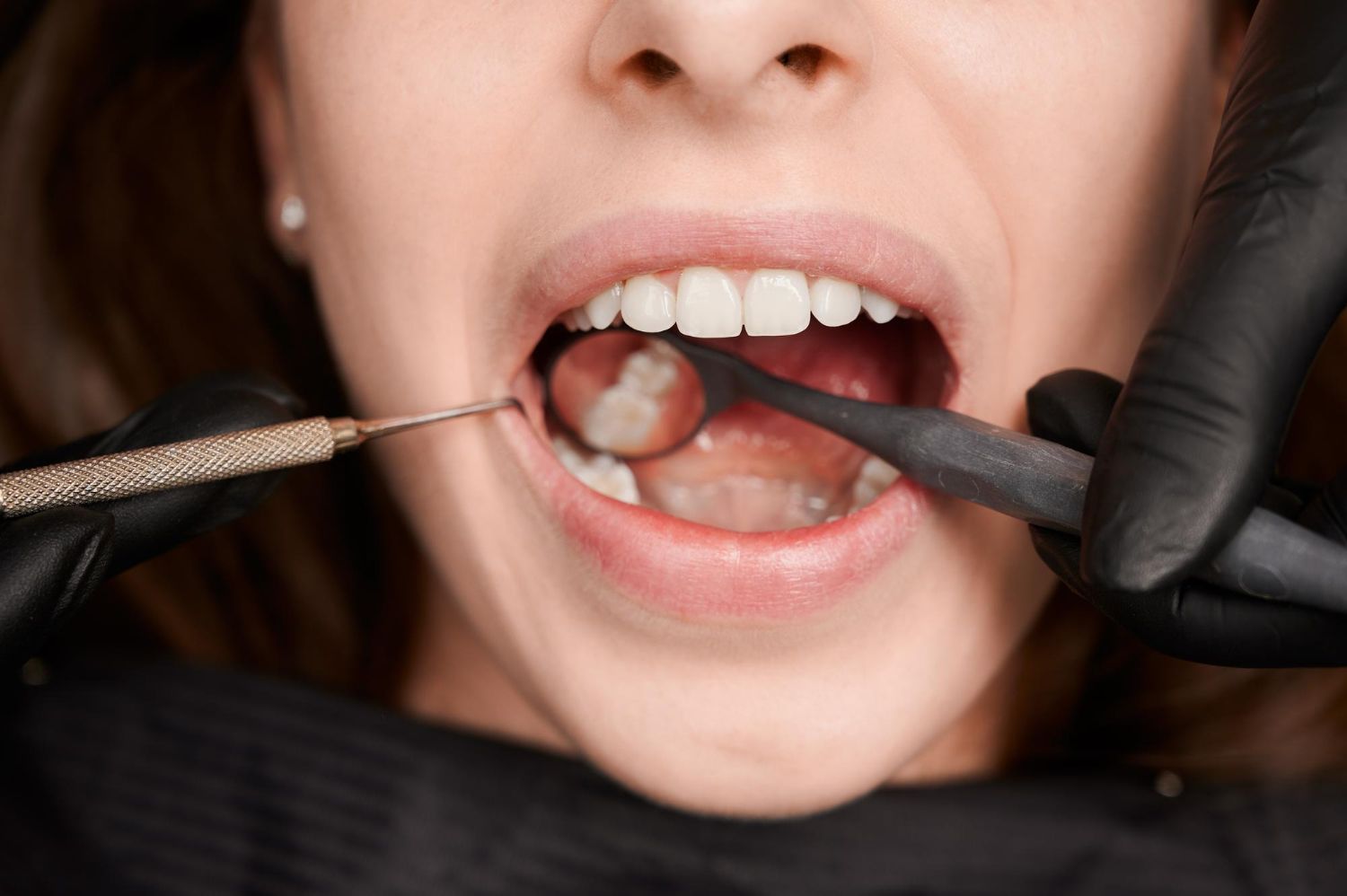
- Examine the teeth for decay, cracks, infections, and defective restorations.
- Assess the gums for inflammation and periodontal pockets.
- Examine the tongue and oral tissues.
- Evaluate dentures or other appliances.
- Recommend X-rays when hidden disease is suspected.
- Refer you for medical evaluation when the mouth appears healthy.
This process helps determine whether you need preventive care, periodontal treatment, restorative treatment, dry-mouth management, or medical follow-up.
A comprehensive general dentistry evaluation in NYC is an appropriate starting point for persistent symptoms.
Why Quick Fixes Often Fail
Products marketed to “take away,” “fix,” or “eliminate” bad breath often focus on the odor rather than its source.
Mints and gum may briefly make the mouth feel fresher. Mouthwash can temporarily reduce or mask odor. These approaches may be helpful during the day, but recurring symptoms suggest that bacteria, dryness, dental disease, or another contributing factor remains.
Quick fixes are particularly unlikely to resolve:
- Hardened tartar
- Deep periodontal pockets
- Tooth decay
- Dental infection
- Defective restorations
- Persistent dry mouth
- Tonsil stones
- Medical conditions
Long-term control depends on diagnosis and consistent maintenance.
When Should You See a Dentist?
Schedule a dental appointment when bad breath:
- Continues despite improved brushing and flossing
- Returns shortly after cleaning your mouth
- Is accompanied by bleeding or swollen gums
- Occurs with tooth pain or sensitivity
- Is associated with dry mouth
- Develops with a persistent bad taste
- Occurs around a damaged tooth or restoration
- Is affecting your confidence or daily interactions
Seek prompt care for facial swelling, severe tooth pain, fever, pus, difficulty opening the mouth, or worsening symptoms. Difficulty breathing or swallowing requires urgent medical attention.
How to Prevent Bad Breath From Returning
Once the cause has been treated, a maintenance routine helps protect the result.
Follow a Personalized Cleaning Schedule
Some patients benefit from routine six-month visits, while those with gum disease, extensive restorations, dry mouth, or higher cavity risk may require more frequent care.
Maintain Daily Plaque Control
Brush twice daily and clean between the teeth every day. Continue tongue cleaning and appliance care when appropriate.
Address Dry Mouth Early
Persistent dryness should not be ignored. In addition to affecting breath, reduced saliva can increase the risk of cavities and oral infections.
Monitor Dental Restorations
Crowns, fillings, bridges, implants, and dentures should be checked regularly for damage, wear, poor fit, or plaque-retentive areas.
Manage Gum Health
Report bleeding, recession, loose teeth, or changes in your bite. Periodontal disease may progress without severe pain.
Avoid Tobacco and Attend Follow-Up Visits
Ongoing preventive care makes it easier to identify new problems before they become advanced.
Frequently Asked Questions
How can you get rid of bad breath permanently?
Identify and manage the underlying cause. This may involve better brushing and interdental cleaning, professional dental cleaning, gum-disease treatment, cavity or infection treatment, dry-mouth management, tobacco cessation, and medical referral when no oral cause is found.
How do I get rid of bad breath permanently if brushing does not help?
Schedule a dental examination. Brushing cannot remove tartar, clean deep periodontal pockets, repair decay, or treat an infected tooth. The dentist can assess the gums, teeth, tongue, saliva, restorations, and appliances to identify likely causes.
How do you get rid of chronic bad breath?
Chronic bad breath requires consistent oral hygiene and cause-specific care. Treatment might include professional cleaning, periodontal treatment, restorative care, root canal therapy, appliance cleaning, or management of dry mouth.
Can bad breath be cured with mouthwash?
Mouthwash may reduce bacteria or temporarily mask odor, but it cannot cure every cause. Persistent symptoms may require dental treatment or medical evaluation.
How long does it take to improve bad breath?
The timeline depends on the cause. Food-related odor may resolve within hours, while plaque-related breath may improve with better hygiene and professional cleaning. Gum disease, infection, or dry mouth may require ongoing treatment and follow-up.
Conclusion
Learning how to get rid of bad breath permanently begins with understanding why it keeps returning. Plaque, tongue bacteria, gum disease, tooth decay, infection, dry mouth, tobacco, appliances, and certain medical conditions can all contribute.
Daily brushing, interdental cleaning, tongue care, hydration, and regular dental visits can help, but persistent symptoms should be professionally evaluated. Treating the source provides a more reliable long-term solution than repeatedly masking the odor with mints or mouthwash.
Schedule a Bad Breath Evaluation in Midtown Manhattan
Persistent bad breath may be a sign that your teeth, gums, saliva, or dental restorations need attention. InStyle Dental can evaluate possible causes and recommend a treatment plan based on your individual findings.
Schedule a dental consultation in Midtown Manhattan to discuss persistent bad breath and appropriate treatment options.