How to Fix Crooked Teeth: Causes, Treatment Options & Best Solutions
How to Fix Crooked Teeth: Causes and Treatment Options
If you want to know how to fix crooked teeth, the right treatment depends on why the teeth are misaligned, how severe the crowding or bite problem is, and your oral health. Common options include braces and clear aligners such as Invisalign. Some minor cosmetic concerns may be improved with bonding or veneers, but these treatments change appearance rather than physically moving teeth into a new position.
Crooked teeth are common in both teenagers and adults. For some people, the concern is mainly cosmetic. For others, crowding or an abnormal bite can make brushing, flossing, chewing, or maintaining healthy gums more difficult. A dental or orthodontic evaluation is the best starting point because different types of misalignment require different approaches.
What Makes Teeth Crooked?
Crooked teeth usually develop because there is a mismatch between the available space in the jaw and the size or position of the teeth. They may also be associated with how the upper and lower jaws developed.
Possible contributing factors include:
- Genetics and inherited jaw or tooth characteristics
- Crowding caused by limited jaw space
- Early or late loss of baby or permanent teeth
- Thumb or finger sucking during childhood
- Injury affecting the teeth or jaw
- Abnormal eruption of permanent teeth
- Existing bite problems
- Tooth movement later in life
The American Dental Association notes that tooth and jaw alignment problems may be inherited or may develop following injury, tooth loss, or oral habits such as thumb sucking.
Patients with visible crowding or misalignment can explore crooked teeth treatment in New York to understand available evaluation and treatment options.
Are Crooked Teeth Genetic?
Yes, genetics can contribute to crooked teeth, although they are not the only cause.
You may inherit characteristics such as:
- Jaw size and shape
- Tooth size
- Spacing patterns
- Bite relationships
- Certain facial growth patterns
For example, relatively large teeth developing in a smaller jaw may create crowding. However, environmental factors and oral habits can also influence tooth position, so having crooked teeth does not necessarily mean the condition was entirely inherited.
Why Do Teeth Grow Crooked?
Permanent teeth may appear crooked as they erupt because there is not enough room for them to enter the dental arch in an ideal position.
A tooth may:
- Rotate as it erupts
- Overlap another tooth
- Erupt behind or in front of neighboring teeth
- Become blocked because of severe crowding
- Develop in an unusual position
Crowding is one of the common orthodontic problems evaluated by dental professionals, and treatment may involve braces, aligners, expanders, or other approaches depending on the diagnosis.
Crooked teeth can also become more noticeable over time. Teeth are not completely fixed in one position for life, and changes in the surrounding bone, missing teeth, bite forces, or inconsistent retainer use after orthodontic treatment may allow movement.
How to Fix Crooked Teeth
There is no single best treatment for everyone. The appropriate option depends on:
- How crowded the teeth are
- Whether the bite is affected
- Jaw relationships
- Gum and bone health
- Age
- Missing or damaged teeth
- Previous orthodontic treatment
- Cosmetic goals
- Ability to follow treatment instructions
Here are the main approaches.
1. Clear Aligners such as Invisalign
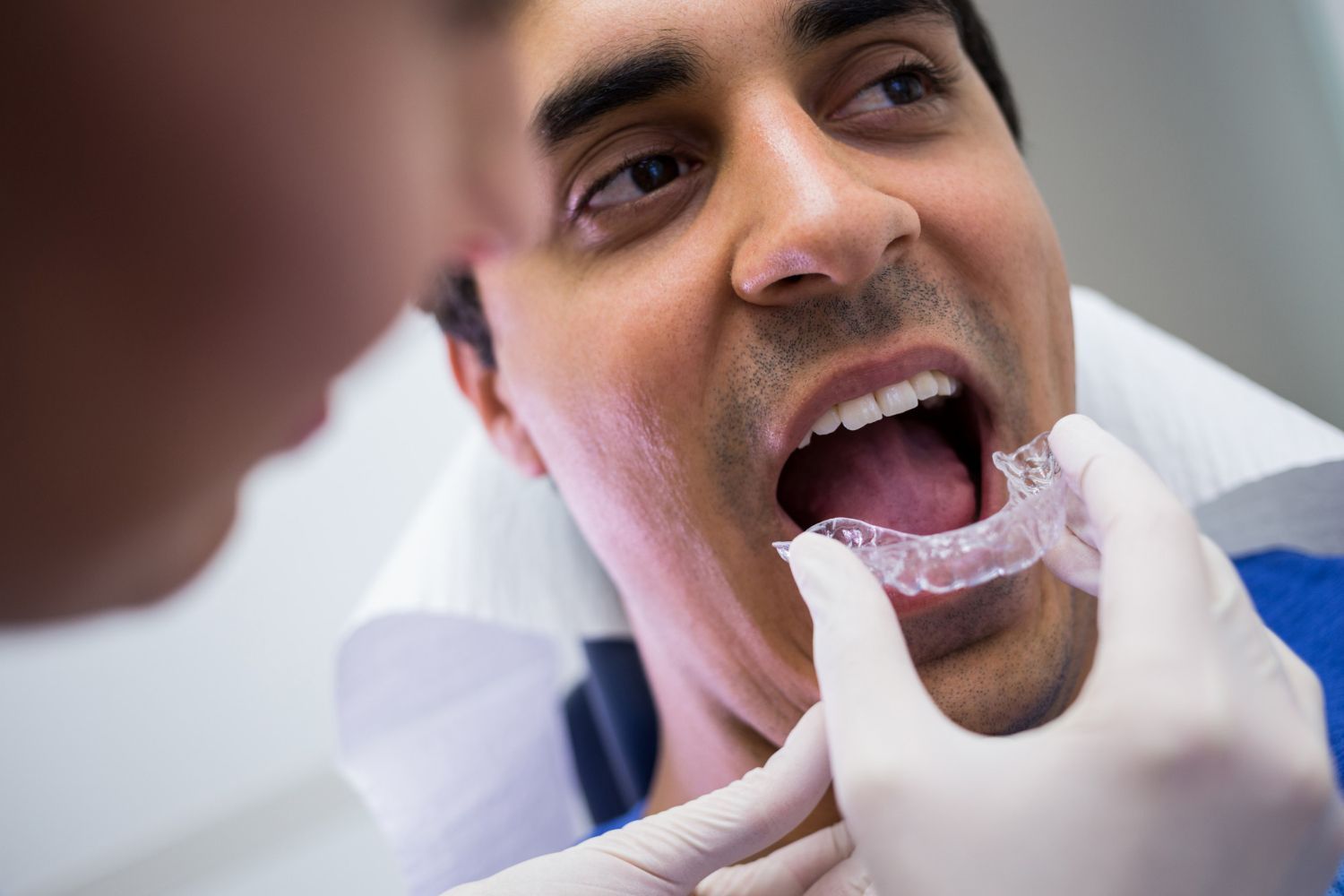
Clear aligners are removable trays designed to apply controlled pressure and gradually reposition teeth.
They may be suitable for problems such as:
- Crooked teeth
- Crowding
- Gaps
- Some overbites
- Some underbites
- Certain crossbites
Aligners are less visible than traditional braces and can be removed for eating, brushing, and flossing. However, they require consistent wear and are not the ideal treatment for every orthodontic problem. The AAO notes that some cases are treated more predictably with braces.
Patients considering this option can explore Invisalign treatment in NYC and review Invisalign cost in NYC.
2. Traditional Braces
Braces use brackets and wires to apply controlled forces that gradually move teeth into planned positions.
Braces can address a broad range of orthodontic problems, including:
- Significant crowding
- Rotated teeth
- Gaps
- Crooked teeth
- Complex bite problems
- Certain jaw-tooth alignment concerns
Unlike removable aligners, braces remain attached during treatment. This can make them useful when precise or complex tooth movement is required.
Clear Aligners vs. Braces
FactorClear AlignersBracesAppearanceMore discreetMore noticeableRemovableYesNoEatingRemoved for mealsDietary precautions may applyOral hygieneEasier access for brushing and flossingRequires cleaning around bracketsPatient complianceVery importantLess dependent on remembering to wear applianceComplex casesSuitable for many, but not allCan treat a broad range of casesTreatment choiceDepends on diagnosisDepends on diagnosis
Neither option is automatically better. Treatment should be selected according to the tooth movements and bite correction required.
Can Veneers Fix Crooked Teeth?
Veneers can sometimes improve the appearance of mildly uneven or irregular teeth, but they do not orthodontically straighten teeth.
A veneer covers the visible front surface of a tooth. It may alter:
- Shape
- Length
- Proportion
- Color
- Appearance of minor irregularity
This distinction matters. If teeth are significantly crowded or the bite is incorrect, orthodontic treatment may be more appropriate because it moves the teeth instead of disguising their position.
Patients primarily concerned with tooth shape or smile appearance can discuss dental veneers in New York or broader cosmetic dentistry options in NYC.
Can Dental Crowns Make Crooked Teeth Look Straighter?
Crowns may improve the appearance of certain damaged or heavily restored teeth, but they generally should not be used simply as a substitute for orthodontic movement in otherwise healthy teeth.
A crown requires preparation of the natural tooth and is usually considered when there is a restorative reason for treatment.
If a crooked tooth is also significantly damaged, a dentist may discuss whether dental crowns in New York are appropriate.
How Can I Get Straight Teeth Without Braces?
Patients who want straighter teeth but prefer not to wear traditional braces frequently ask about clear aligners.
In appropriate cases, Invisalign or another professionally supervised clear-aligner system can gradually move teeth while remaining relatively discreet.
Clear aligners still require orthodontic treatment planning. They should not be considered a simple cosmetic product.
Moving teeth without a proper examination can create problems when there is untreated gum disease, tooth decay, bone loss, or an unfavorable bite. The ADA warns that unsupervised or DIY tooth movement can result in gum recession, bone loss, bite problems, jaw pain, or tooth loss.
Can You Straighten Teeth Naturally at Home?
There is no safe home exercise or natural remedy that predictably straightens crooked permanent teeth.
Do not attempt to move teeth with:
- Rubber bands
- Homemade appliances
- Pressure from fingers
- DIY wires
- Unsupervised aligners
Teeth move because controlled forces influence the tissues and bone surrounding their roots. Applying force incorrectly can damage teeth, gums, roots, or supporting bone.
If your goal is how to get straight teeth, professional evaluation is significantly safer than attempting DIY correction.
Why Correct Crooked Teeth?
Straightening crooked teeth is not always medically necessary, particularly when misalignment is minor. However, treatment may provide functional and oral-health benefits in appropriate cases.
Potential benefits include:
- Easier brushing and flossing
- Improved bite relationships
- Reduced areas where plaque becomes difficult to remove
- Improved chewing in some patients
- Reduced abnormal tooth wear
- Improved smile appearance
Crooked teeth that are difficult to clean may contribute to plaque accumulation, and abnormal bite relationships can affect chewing or tooth wear.
What Happens During a Crooked Teeth Consultation?
Before recommending treatment, the dentist or orthodontic provider needs to understand both tooth position and overall oral health.
An evaluation may involve:
- Reviewing your dental and medical history
- Examining tooth alignment
- Checking how the upper and lower teeth meet
- Evaluating gum health
- Looking for cavities or damaged teeth
- Taking photographs or digital scans
- Recommending dental X-rays when necessary
- Discussing treatment goals and expectations
A treatment plan can then determine whether Invisalign, braces, restorative dentistry, cosmetic treatment, or another approach is appropriate.
You can begin with a general dentistry evaluation in NYC if you are unsure which type of treatment you need.
How Long Does It Take to Straighten Crooked Teeth?
Treatment time varies considerably.
Factors include:
- Severity of crowding
- Number of teeth requiring movement
- Bite complexity
- Type of appliance
- Patient age
- Biological response to tooth movement
- Aligners being worn as prescribed
- Need for additional procedures
There is no accurate universal treatment time based only on seeing that teeth are crooked. Your provider can give a more useful estimate after an examination and treatment plan.
Will Crooked Teeth Stay Straight After Treatment?
Teeth can move after orthodontic treatment, which is why retention is an important part of treatment.
Retainers help maintain the corrected positions after braces or aligners are completed. The ADA identifies retainers as appliances used to preserve and stabilize orthodontic results.
Follow your provider's retainer schedule carefully. Stopping retainer use can allow teeth to shift again.
How to Choose the Right Treatment
When deciding how to straighten teeth, focus on diagnosis rather than choosing a treatment based only on appearance or advertising.
Ask your provider:
- What is causing my crooked teeth?
- Is my bite affected?
- Are my gums and supporting bone healthy enough for treatment?
- Am I a good candidate for clear aligners?
- Would braces provide better control?
- How long is treatment expected to take?
- Will I need attachments, elastics, or other appliances?
- What will treatment cost?
- What type of retainer will I need afterward?
- Are there reasonable alternatives?
For broader information about available care, review InStyle Dental's dental services in New York City.
Frequently Asked Questions
What is the best way to fix crooked teeth?
Braces and clear aligners are common ways to physically straighten crooked teeth. The best option depends on the severity of crowding, bite alignment, gum health, and the tooth movements required. Cosmetic treatments may improve appearance in selected cases but do not provide the same orthodontic correction.
Are crooked teeth genetic?
They can be. Jaw size, tooth size, and certain alignment patterns may be inherited. However, tooth loss, injury, oral habits, and eruption patterns can also influence alignment.
How do I get straight teeth without traditional braces?
Clear aligners such as Invisalign may be an option for many types of crowding and misalignment. They are removable and less visible, but they are not appropriate for every case. A clinical evaluation is needed to determine eligibility.
Can crooked teeth become worse with age?
Teeth can continue to shift throughout life. Changes in bite forces, missing teeth, supporting tissues, and lack of retainer use after previous orthodontic treatment may contribute to movement.
Can I straighten crooked teeth myself at home?
DIY tooth movement is not recommended. Improper forces can damage the gums, bone, bite, or teeth. Professional diagnosis and monitoring are important when moving teeth.
Conclusion
Understanding how to fix crooked teeth starts with identifying whether the problem involves simple tooth crowding, a bite issue, jaw development, or a combination of factors. Clear aligners and braces can physically reposition teeth, while cosmetic treatments may improve appearance in carefully selected cases.
The right approach depends on your oral health, alignment, treatment goals, and the complexity of the movements required.
Schedule a Crooked Teeth Consultation in New York City
If crooked or crowded teeth are affecting your smile, bite, or ability to clean your teeth comfortably, an individual evaluation can help determine the most appropriate treatment.
Schedule a consultation for crooked teeth treatment in New York to discuss Invisalign, orthodontic treatment, cosmetic options, and a personalized plan for your smile.