Cosmetic Dentistry for an Uneven Smile in NYC: Treatment Options Compared
Cosmetic Dentistry for an Uneven Smile in NYC: Treatment Options Compared
An uneven smile can result from differences in tooth shape, color, position, length, spacing, gum display, or missing and damaged teeth. The right cosmetic dentistry for uneven smile NYC treatment depends on what is creating the imbalance—not simply which procedure is most popular.
Some patients may benefit from professional whitening or minor reshaping, while others may need veneers, Invisalign, crowns, bonding, or restorative treatment. A thorough dental evaluation should come first because untreated decay, gum disease, bite problems, or teeth grinding can affect both treatment eligibility and long-term results.
This guide compares the main cosmetic dentistry options available for an uneven smile and explains their benefits, limitations, recovery, costs, and treatment timelines.
What Can Make a Smile Look Uneven?
An uneven smile is not one specific dental condition. It may involve one or several concerns, including:
- Teeth of different lengths or shapes
- Small gaps between teeth
- Mild crowding or rotation
- Chipped or worn edges
- Uneven tooth color
- A missing tooth
- Old restorations that no longer match
- Excessive or uneven gum display
- Teeth that appear tilted
- Differences between the left and right sides of the smile
The cause matters because each treatment addresses a different problem.
For example, teeth whitening can improve color but cannot change tooth shape. Veneers can alter color and visible proportions but do not physically move the roots. Invisalign gradually changes tooth position but does not repair chips or significantly alter tooth shade.
A professional cosmetic dentistry consultation in NYC can help identify which features are affecting smile balance and whether one treatment or a combination may be appropriate. InStyle Dental’s cosmetic services include options for discoloration, chips, gaps, and broader smile concerns.
Cosmetic Dentistry for Uneven Smile NYC: Options at a Glance
The most relevant treatment usually depends on the primary concern:
- Uneven color: professional teeth whitening
- Small chips or irregular edges: bonding or contouring
- Uneven shape or proportions: porcelain veneers
- Crowding, spacing, or rotation: Invisalign
- Structurally weakened teeth: dental crowns
- Missing teeth: implants or bridges
- Several combined concerns: a personalized smile makeover
A dentist may recommend addressing oral-health or functional problems before beginning elective cosmetic treatment.
Professional Teeth Whitening for Uneven Color
Professional whitening may be suitable when the teeth are generally healthy and the main concern is uneven yellowing or surface staining.
Whitening can help brighten natural enamel affected by:
- Coffee and tea
- Red wine
- Tobacco
- Dark-colored foods
- Natural aging
- General surface discoloration
It does not change the color of crowns, fillings, veneers, or bridges. Existing restorations may therefore remain darker than the newly whitened teeth.
Benefits
Potential cosmetic dentistry benefits include:
- No reshaping of natural teeth
- Relatively short treatment timeline
- Improvement across several visible teeth
- Lower initial cost than veneers
- Conservative treatment for suitable stains
Limitations and Risks
Whitening cannot correct tooth position, proportions, gaps, or chips. Temporary sensitivity and gum irritation are the most commonly reported side effects of vital tooth whitening.
Patients primarily concerned about shade can explore professional teeth whitening in New York.
Dental Bonding and Cosmetic Reshaping
Dental bonding uses tooth-colored composite resin to modify the visible surface of a tooth. It may be useful for relatively small cosmetic concerns such as:
- Minor chips
- Uneven edges
- Small spaces
- Slight shape differences
- Localized discoloration
Cosmetic contouring may also involve carefully reshaping a small amount of enamel where appropriate.
Benefits
Bonding can often be completed with limited preparation and may cost less than porcelain restorations. It is especially useful when only one or two teeth affect the symmetry of the smile.
Limitations
Composite resin generally stains, wears, and chips more readily than porcelain. Larger structural problems may require a veneer or crown instead.
Patients with damaged enamel or an irregular edge can review appropriate chipped tooth treatment options in NYC.
Porcelain Veneers for Uneven Tooth Shape
Veneers are thin restorations placed over the visible front surfaces of selected teeth. They can improve:
- Tooth shape
- Visible length
- Color
- Minor gaps
- Small chips
- Worn edges
- Mild cosmetic irregularities
- Symmetry across several teeth
The American Dental Association notes that veneers may improve the appearance of chipped, stained, crooked, misshapen, or gapped teeth. They differ from crowns because veneers cover the front surface rather than the entire tooth.
When Veneers May Be Suitable
Veneers may be considered when the patient has:
- Healthy teeth and gums
- Adequate enamel for bonding
- A stable bite
- Several visible cosmetic concerns
- Realistic expectations
- No uncontrolled grinding or clenching
Benefits
Porcelain veneers can provide greater control over shade, shape, texture, and proportions than whitening alone. They are also relatively stain-resistant.
Limitations and Cosmetic Dentistry Risks
Traditional veneers usually require some enamel preparation, making treatment irreversible once tooth structure has been removed. They may eventually chip, loosen, or require replacement.
Explore porcelain veneers in New York City for more information about candidacy and treatment planning. InStyle Dental describes veneers as an option for stained, chipped, uneven, or worn teeth.
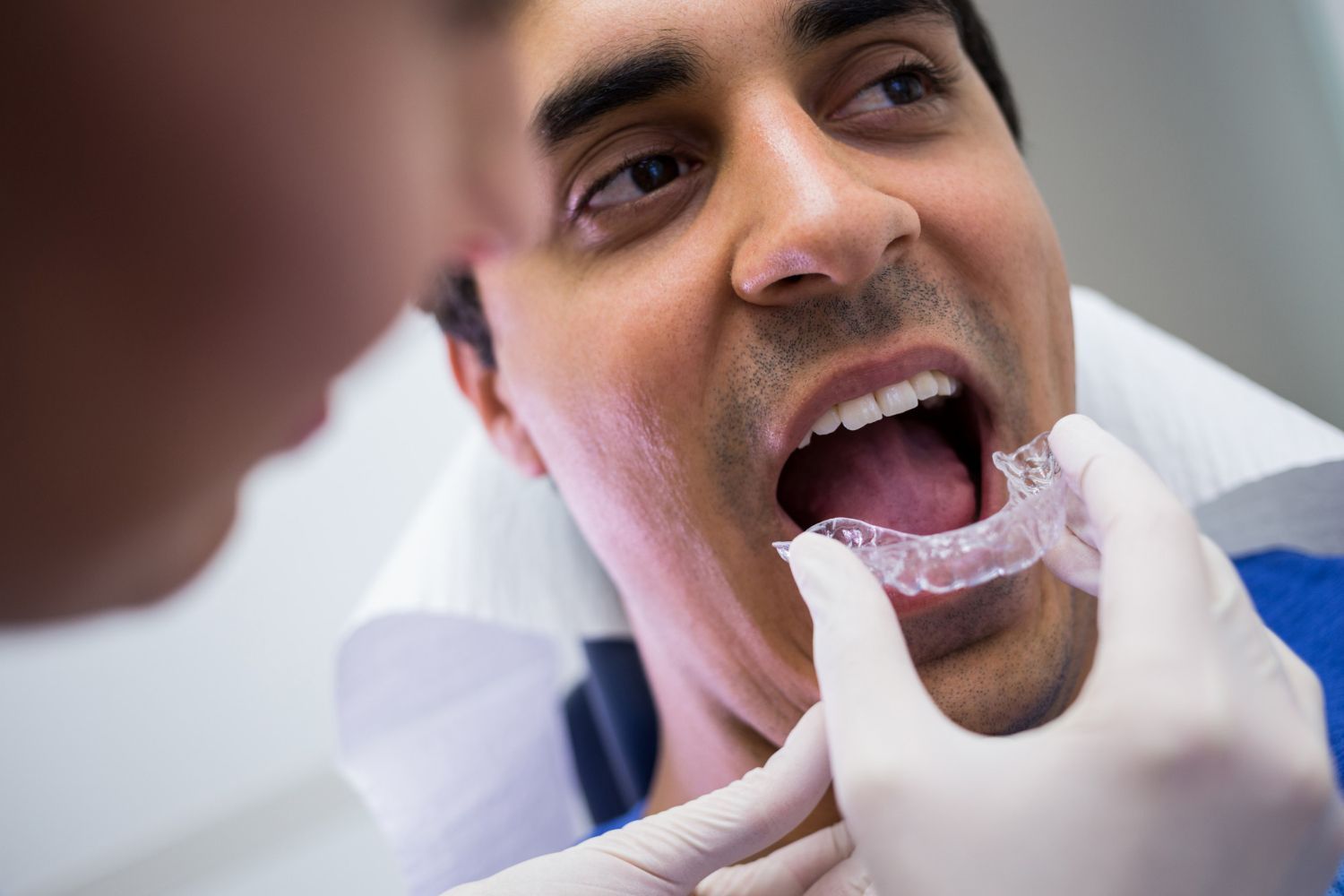
Invisalign for Uneven Tooth Position
Invisalign may be appropriate when smile asymmetry is primarily caused by tooth position rather than tooth shape.
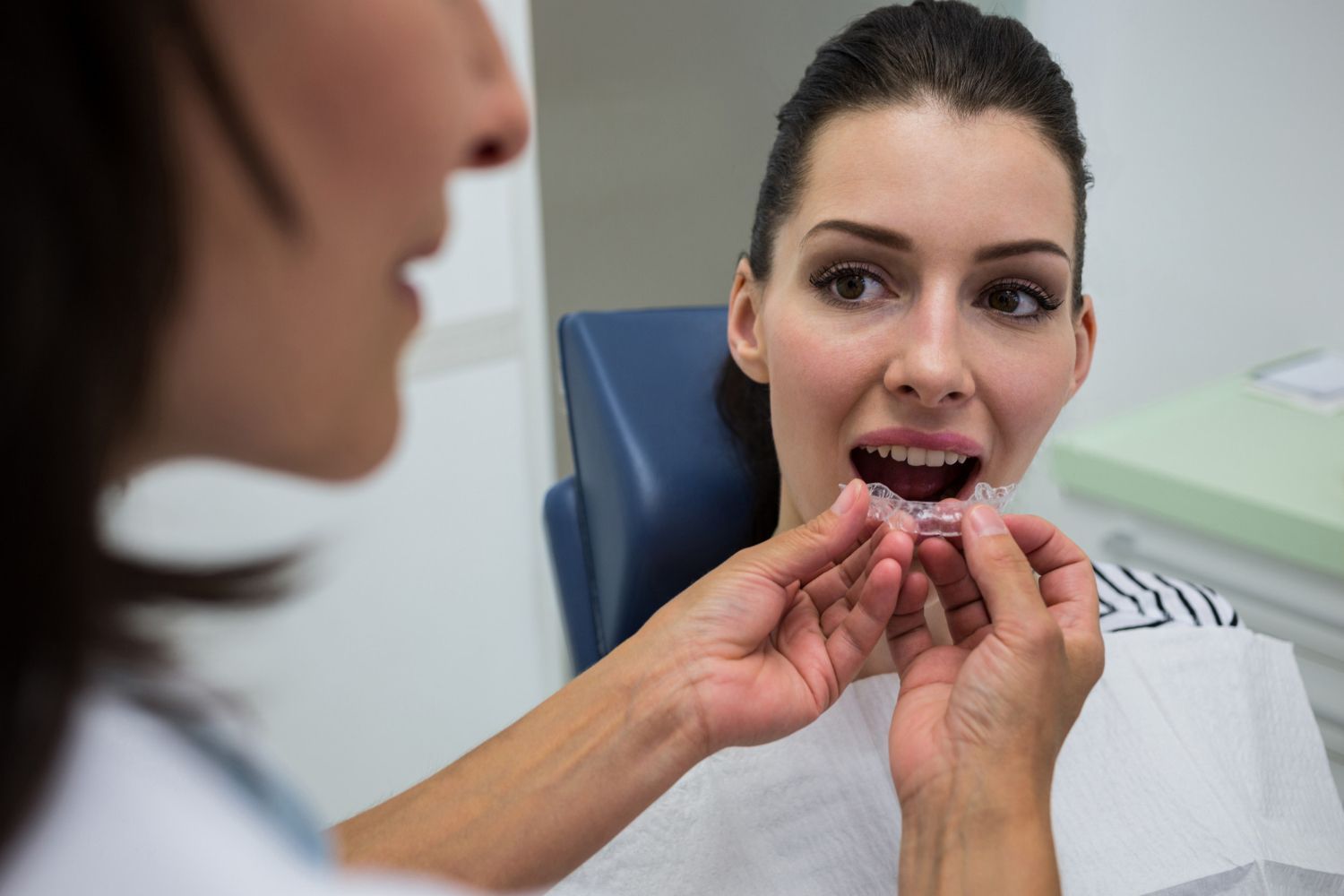
Clear aligners may help manage selected cases involving:
- Crowding
- Small spaces
- Rotated teeth
- Uneven alignment
- Certain bite concerns
Unlike veneers, Invisalign moves the teeth rather than covering them. This may preserve more natural tooth structure when alignment is the main concern.
Cosmetic Dentistry Treatment Timeline
The timeline depends on the amount and complexity of tooth movement. Patients generally wear a sequence of aligners and attend monitoring appointments during treatment.
Benefits
Potential benefits include:
- Removable aligners
- Gradual tooth movement
- Limited alteration of natural enamel
- Improvement in alignment and spacing
- Ability to brush and floss after removing the aligners
Limitations
Invisalign cannot change tooth color or repair damaged edges. Some cases may require another orthodontic approach, and patient compliance is necessary.
Patients can compare alignment solutions through Invisalign treatment in New York City or review broader crooked teeth treatment options.
Dental Crowns for Structurally Uneven Teeth
A dental crown covers the full visible portion of a tooth. It is usually selected for structural or restorative reasons rather than purely minor cosmetic changes.
A crown may be considered when a tooth is:
- Severely worn
- Extensively filled
- Cracked or weakened
- Discolored after previous treatment
- Significantly different in shape
- Unable to support a veneer
Benefits
Crowns can restore strength, function, shape, and appearance at the same time.
Limitations
More natural tooth structure is usually removed for a crown than for a veneer. The tooth may also require future maintenance or replacement.
Learn more about dental crowns in New York City when unevenness is connected to structural damage rather than appearance alone.
Dental Implants or Bridges for Missing Teeth
A missing tooth can create a noticeable imbalance and may allow nearby teeth to shift over time.
Replacement options may include:
- A dental implant and crown
- A fixed dental bridge
- A removable restoration
A dental implant replaces the missing root and supports a crown, while a bridge generally uses neighboring teeth or implants for support.
The appropriate choice depends on bone availability, gum health, the surrounding teeth, medical factors, budget, and patient preference.
Patients can compare dental implants in New York City with dental bridges for missing teeth.
Combining Cosmetic Dentistry Treatment Options
Some uneven smiles involve several different concerns. One procedure may not address all of them effectively.
A combined plan might involve:
- Treating decay or gum inflammation
- Straightening the teeth with Invisalign
- Whitening the natural teeth
- Repairing one chipped edge with bonding
- Placing veneers only where shape correction is needed
This staged approach may preserve more healthy tooth structure than placing restorations across every visible tooth.
The exact sequence matters. Whitening, for example, may be completed before choosing the shade of a new veneer or crown so the restoration can be matched to the final tooth color.
What Happens During a Cosmetic Dentistry Consultation?
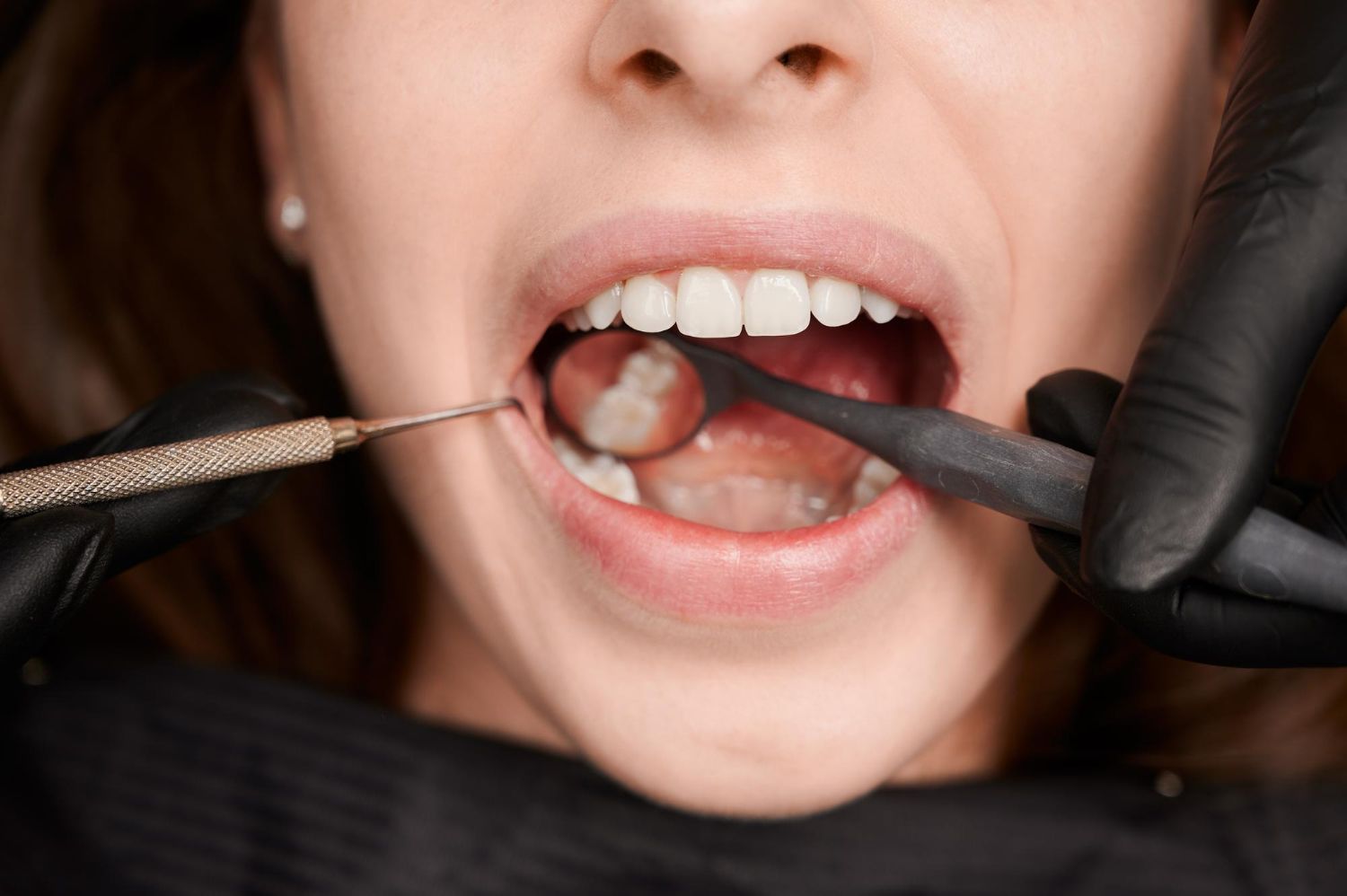
A cosmetic dentistry consultation should evaluate both appearance and oral health.
The dentist may assess:
- Tooth color and proportions
- Gum health
- Enamel condition
- Tooth alignment
- Bite relationship
- Existing restorations
- Chips, cracks, or decay
- Grinding and clenching habits
- Missing teeth
- Facial and smile symmetry
- Treatment goals and budget
Dental photographs, X-rays, scans, or impressions may be recommended when they help with diagnosis or planning.
A complete dental cleaning and examination in Manhattan may be needed before elective treatment, especially when the patient has not had a recent oral-health assessment.
Cosmetic Dentistry Eligibility
Eligibility depends on the selected procedure.
You may be suitable for cosmetic treatment when you have:
- Healthy or controlled gums
- No untreated decay
- Sufficient enamel where bonding is planned
- Realistic expectations
- A stable bite
- Manageable grinding habits
- Good oral-hygiene practices
You may need general, periodontal, restorative, or orthodontic care first if you have:
- Active gum disease
- Tooth infection
- Severe decay
- Uncontrolled bruxism
- Significant bite problems
- Insufficient tooth structure
- Unexplained pain
Elective treatment should not be used to conceal active dental disease.
Cosmetic Dentistry for Uneven Smile NYC Cost Factors
The cost depends on the type and number of treatments required.
Important cost factors include:
- Number of teeth treated
- Whitening, bonding, veneers, crowns, or Invisalign
- Porcelain or composite materials
- Treatment complexity
- Laboratory work
- Diagnostic imaging
- Temporary restorations
- Oral-health treatment required first
- Number of appointments
- Follow-up and maintenance
Professional whitening and limited bonding generally involve a lower initial investment than multiple porcelain veneers or orthodontic treatment. However, lower upfront cost does not always mean lower lifetime cost if a material needs more frequent repair.
Most purely cosmetic procedures may not be covered by dental insurance. The ADA notes that plans may expressly exclude cosmetic veneers and orthodontic procedures.
Patients can review available dental payment plans and request an individualized written estimate.
Cosmetic Dentistry Recovery and Aftercare
Recovery varies according to the procedure.
Whitening may cause temporary sensitivity. Bonding and veneers generally require little physical recovery, although the teeth and gums may need time to adjust. Invisalign does not involve surgical healing, but patients may experience temporary pressure after changing aligners.
Cosmetic dentistry aftercare may include:
- Brushing twice daily
- Cleaning between the teeth
- Using non-abrasive toothpaste where recommended
- Avoiding chewing ice or hard objects
- Limiting stain-causing habits
- Wearing a nightguard when prescribed
- Attending regular examinations and cleanings
- Following aligner or restoration instructions
- Reporting chips, looseness, or persistent discomfort
Results last longer when the supporting teeth and gums remain healthy.
How to Choose a Cosmetic Dentistry for Uneven Smile NYC Dentist
Look for a dentist who:
- Evaluates oral health before cosmetic treatment
- Explains more than one appropriate option
- Discusses limitations and maintenance
- Provides realistic expectations
- Shows how treatment affects natural tooth structure
- Gives a written cost estimate
- Creates a logical treatment sequence
- Refers complex cases when appropriate
A balanced cosmetic dentistry patient guide should help you understand why a treatment is recommended—not simply encourage the most expensive option.
You can review Dr. Hanna Zharkina’s professional background when considering treatment at InStyle Dental.
Frequently Asked Questions
What is the best cosmetic dentistry for uneven smile NYC treatment?
There is no single best treatment. Whitening is appropriate for color, Invisalign for tooth position, bonding for small chips, veneers for visible shape changes, and crowns for structurally weakened teeth. An examination is needed to identify the cause.
What does a cosmetic dentistry consultation include?
A consultation may include an examination of the teeth, gums, enamel, bite, alignment, restorations, and smile proportions. The dentist should also discuss treatment alternatives, cost, risks, and expected maintenance.
What are the main cosmetic dentistry for uneven smile NYC treatment options?
Common options include whitening, bonding, contouring, veneers, Invisalign, crowns, bridges, and dental implants. Some patients benefit from a carefully sequenced combination.
How long is the cosmetic dentistry treatment timeline?
Whitening or limited bonding may require one or a few appointments, while veneers, crowns, and Invisalign generally take longer. The timeline depends on oral health, complexity, laboratory work, and whether preliminary care is needed.
What cosmetic dentistry alternatives preserve the most natural tooth structure?
Whitening, orthodontic movement, limited bonding, and carefully selected contouring may preserve more natural structure than full-coverage restorations. Suitability depends on the problem being treated.
Conclusion
Cosmetic dentistry can improve an uneven smile, but treatment should be selected according to the cause of the imbalance.
Whitening addresses color, bonding repairs smaller defects, Invisalign moves teeth, veneers change visible shape and shade, and crowns restore structurally compromised teeth. Missing teeth may require implants or bridges.
The best plan balances appearance, oral health, tooth preservation, cost, treatment time, and long-term maintenance.