How Often Should Adults See a Dentist in NYC?
How Often Should Adults See a Dentist in NYC?
Most adults should have a dental checkup and professional cleaning at least once or twice a year, but the right schedule depends on individual oral-health risks. Some adults with healthy teeth and gums may be advised to visit every six to twelve months, while patients with gum disease, frequent cavities, dental implants, dry mouth, diabetes, or other risk factors may need appointments every three to four months.
This how often should adults see a dentist NYC guide explains how dentists determine recall intervals, what happens during routine visits, when you should book sooner, and which factors can affect the cost and frequency of care. The American Dental Association supports personalized recall schedules based on a patient’s assessed risk rather than one fixed interval for everyone.
How Often Should Adults See a Dentist in NYC?
For many adults, visiting every six months remains a practical preventive-care schedule. However, it is not a universal rule.
A dentist may recommend:
- Every three to four months for active gum disease or a high risk of recurrence
- Every six months for many adults receiving routine preventive care
- Every nine to twelve months for selected low-risk patients
- Immediately or as soon as possible when pain, swelling, bleeding, trauma, or another concerning symptom develops
The CDC advises adults to have at least a yearly dental checkup and professional cleanings, with additional visits when recommended by a healthcare provider.
The safest approach is to establish a schedule after a professional examination rather than assuming that every adult requires exactly two visits per year.
Patients looking for ongoing preventive care can explore general dentistry in NYC, including examinations, cleanings, fillings, and treatment planning.
Why Dental Visit Frequency Varies Between Adults
Two adults of the same age may need very different dental schedules.
One person may have healthy gums, no recent cavities, good home care, and few restorations. Another may have gum disease, several crowns, dry mouth, frequent decay, or a history of missed appointments.
Dentists commonly consider:
- Current gum health
- History of cavities
- Plaque and tartar buildup
- Existing fillings, crowns, bridges, or implants
- Tooth sensitivity
- Smoking or tobacco use
- Dry mouth
- Diabetes and other health conditions
- Pregnancy
- Medications
- Teeth grinding
- Oral-hygiene habits
- Diet and sugar exposure
- Previous oral surgery
- Ability to attend follow-up care
A personalized general dentistry consultation helps determine which interval is appropriate based on these factors.
Who May Need to See a Dentist Every Three or Four Months?
More frequent appointments are often recommended when disease is active or the risk of recurrence is high.
Adults With Gum Disease
Patients with periodontitis may require periodontal maintenance more frequently than patients receiving standard preventive cleanings.
These visits may help the dental team:
- Monitor gum-pocket depths
- Remove plaque and hardened deposits
- Check for bleeding or inflammation
- Assess bone and gum stability
- Reinforce home-care techniques
- Identify signs of recurrence
Patients experiencing bleeding, gum recession, or persistent inflammation should review available periodontal disease treatment in New York.
Adults With Frequent Cavities
A patient who regularly develops new decay may need more frequent monitoring.
Risk can be influenced by:
- Dry mouth
- Frequent snacking
- High sugar intake
- Exposed tooth roots
- Difficulty brushing or flossing
- Certain medications
- Previous radiation treatment
- Existing dental appliances
More frequent care does not guarantee that cavities will be prevented, but it can support earlier detection and a more focused prevention plan.
Adults With Dental Implants or Complex Restorations
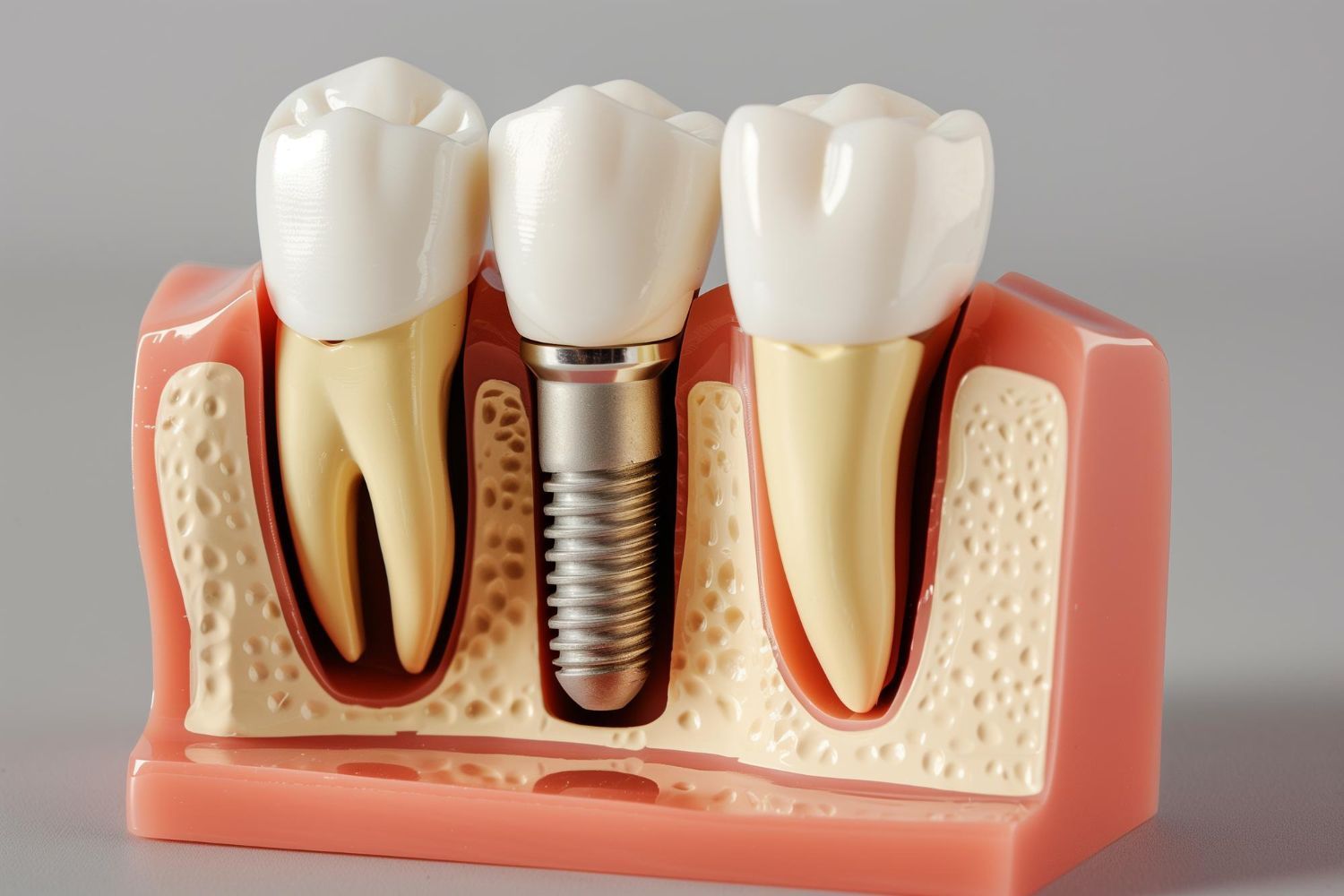
Dental implants, bridges, crowns, and other restorations need ongoing maintenance.
The dentist may check:
- Gum health around the restoration
- Bite forces
- Looseness or wear
- Plaque accumulation
- Signs of decay around supporting teeth
- Implant stability
- Home-cleaning effectiveness
Patients with implants can learn more about dental implant maintenance and long-term care.
Adults With Dry Mouth
Saliva helps protect the teeth by washing away food particles and supporting the mouth’s natural defenses. Reduced saliva may increase the risk of decay, sensitivity, and oral discomfort.
Dry mouth may be associated with medication, health conditions, dehydration, or certain treatments. Patients with persistent symptoms can review dry mouth treatment in New York.
Smokers and Tobacco Users
Smoking and tobacco use can increase oral-health risks, including gum disease and oral cancer.
More frequent examinations may be recommended to monitor gum health, oral tissues, and healing after treatment.
Who May Be Suitable for Annual Dental Visits?
Some adults with consistently healthy teeth and gums may be advised to visit approximately once a year.
This may be considered when a patient has:
- No active gum disease
- No recent cavities
- Good plaque control
- Healthy oral tissues
- Few major restorations
- No significant dry mouth
- No concerning symptoms
- A low-risk diet
- Consistent brushing and interdental cleaning
However, annual visits should only be considered after a dentist has reviewed the patient’s risk level.
A longer interval should not be used simply because a patient feels no pain. Cavities, gum disease, and some oral lesions may develop without obvious early symptoms. The CDC notes that oral disease does not always produce pain or visible warning signs.
What Happens During a General Dentistry Appointment?
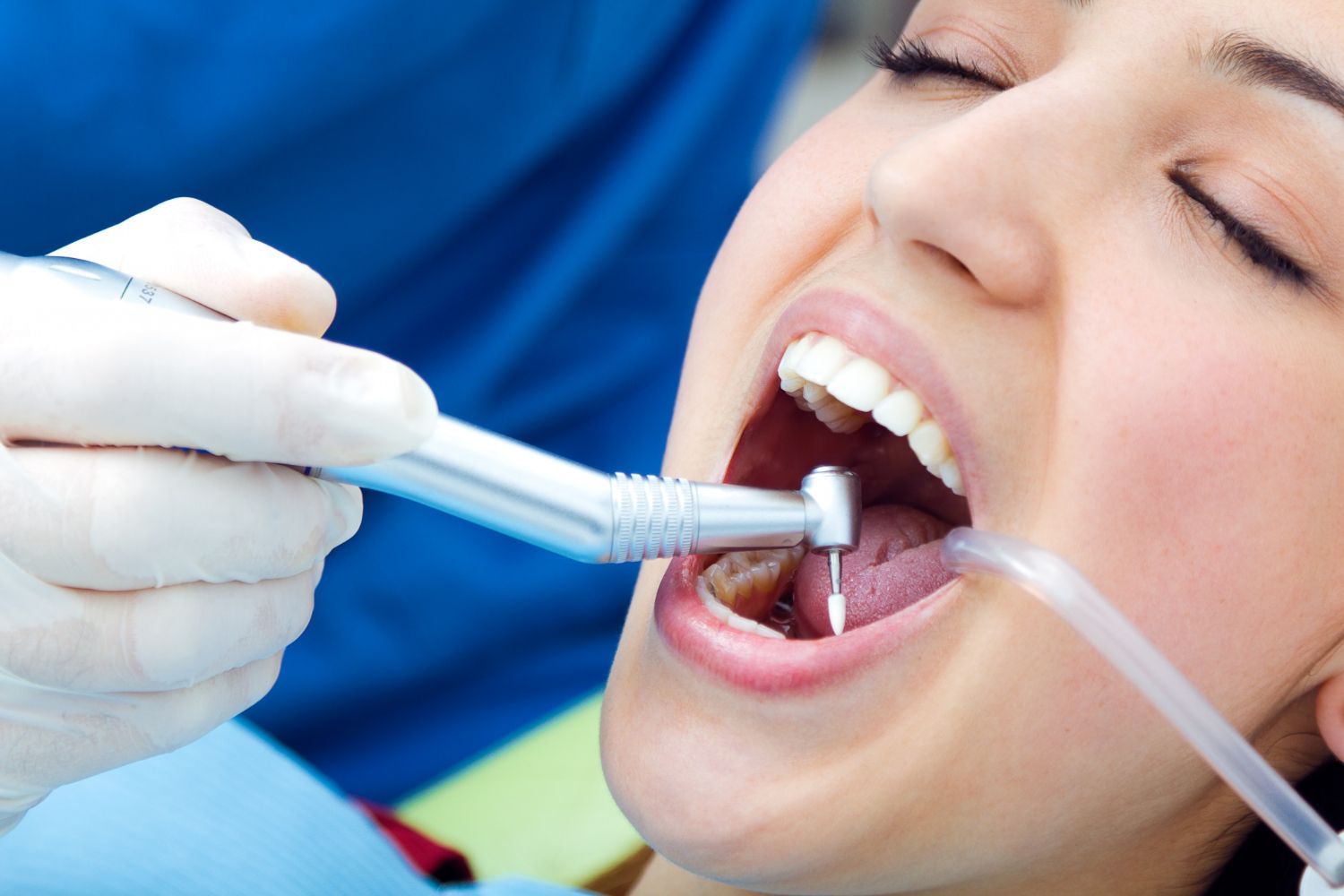
A routine visit may combine an examination with a professional cleaning, although the exact services depend on your needs.
Review of Medical and Dental History
Your dentist or hygienist may ask about:
- New medications
- Recent health changes
- Pregnancy
- Dental pain or sensitivity
- Bleeding gums
- Jaw discomfort
- Changes in your bite
- Previous dental treatment
- Home-care habits
Medical information matters because health conditions and medications can affect oral disease, healing, bleeding, and treatment planning.
Dental Examination
The dentist may evaluate:
- Teeth for decay or cracks
- Existing fillings and crowns
- Gum health
- Bite alignment
- Tooth wear
- Jaw function
- Oral tissues
- Areas of sensitivity
- Signs of infection
A comprehensive dental cleaning and exam in Manhattan can establish a baseline and help determine an appropriate recall schedule.
Professional Cleaning
A professional cleaning generally removes plaque, tartar, and surface staining that cannot be fully managed through brushing alone.
The clinician may also polish the teeth and provide guidance on brushing, flossing, interdental brushes, or other home-care tools.
Dental X-Rays When Necessary
X-rays are not required at every appointment for every patient.
Their frequency depends on:
- Age
- Disease risk
- Symptoms
- Dental history
- Existing restorations
- Previous imaging
- Clinical findings
A dentist should explain why imaging is needed and how it may affect diagnosis or treatment.
Oral Cancer Screening
Routine dental examinations may include assessment of the lips, cheeks, tongue, gums, throat, and other oral tissues for unusual changes.
Any persistent sore, lump, red or white patch, unexplained bleeding, or difficulty swallowing should be professionally evaluated.
General Dentistry Benefits of Regular Visits
Regular dental visits support prevention, early identification, and long-term maintenance.
Potential general dentistry benefits include:
- Detecting cavities before they become more extensive
- Monitoring gum health
- Removing hardened plaque deposits
- Identifying damaged restorations
- Checking for tooth wear or grinding
- Reviewing oral-hygiene techniques
- Monitoring implants, crowns, and bridges
- Evaluating unusual oral-tissue changes
- Creating a treatment plan before problems become urgent
The purpose is not simply to clean the teeth. A preventive appointment helps the dental team assess changes over time and adjust care to the patient’s current risks.
Explore the wider range of general and preventive dental services available for routine and complex needs.
When Should You See a Dentist Before Your Scheduled Visit?
Do not wait for your next routine appointment when new symptoms appear.
Contact a dentist promptly if you experience:
- Persistent tooth pain
- Facial or gum swelling
- A broken or cracked tooth
- A loose crown or filling
- Bleeding gums that continue
- A tooth that feels loose
- Pain when biting
- Sudden sensitivity
- Jaw locking
- Dental trauma
- Pus or a bad taste
- Fever associated with dental pain
- A sore or oral lesion lasting more than two weeks
Severe swelling, breathing difficulty, swallowing difficulty, uncontrolled bleeding, or major facial trauma may require urgent medical attention.
Patients experiencing ongoing discomfort can review tooth pain treatment in New York City before arranging an evaluation.
General Dentistry Risks of Delaying Care
Skipping appointments does not guarantee that a problem will develop, but it may allow existing disease to progress without detection.
Potential consequences include:
- A small cavity becoming larger
- Gum inflammation progressing
- A cracked restoration failing
- A tooth infection becoming more severe
- More complex and expensive treatment
- Loss of supporting bone
- Tooth loss
- Increased discomfort
- Emergency treatment
The CDC identifies cavities, gum disease, tooth loss, and oral cancer among the oral-health concerns adults can face throughout life.
Regular care cannot eliminate every general dentistry risk, but it may help identify problems earlier.
General Dentistry Aftercare Between Visits
Your dental schedule is only one part of preventive care. Daily habits remain essential between appointments.
Recommended general dentistry aftercare commonly includes:
- Brushing twice a day with fluoride toothpaste
- Cleaning between the teeth daily
- Limiting frequent sugary snacks and drinks
- Avoiding tobacco
- Cleaning dental appliances as instructed
- Wearing a nightguard when prescribed
- Monitoring changes in the mouth
- Following treatment-specific instructions
- Attending recommended follow-up appointments
The ADA emphasizes that oral-care routines should be personalized according to individual needs.
Patients who need support with plaque control and gum maintenance can explore professional dental hygiene in New York.
How Often Should Adults See a Dentist NYC Cost Factors?
The cost of routine care varies according to the services performed.
Common how often should adults see a dentist NYC cost factors include:
- New-patient or recall examination
- Type of professional cleaning
- X-rays or other imaging
- Periodontal measurements
- Fluoride or preventive treatment
- Insurance network status
- Deductible and annual maximum
- Additional treatment identified
- Frequency of maintenance visits
A standard preventive cleaning is different from periodontal maintenance or deep cleaning. Patients should ask which service is being recommended and why.
Before booking, review accepted dental insurance plans and confirm coverage directly with both the practice and the insurer.
General Dentistry Treatment Options After an Examination
A routine appointment may show that no treatment is needed beyond continued preventive care.
When a problem is found, general dentistry treatment options may include:
- Monitoring an early concern
- Fluoride treatment
- A dental filling
- A crown
- Gum treatment
- Root canal therapy
- A nightguard
- Replacement of a damaged restoration
- Referral for specialist care
The dentist should explain:
- What was found
- Whether treatment is urgent
- Available alternatives
- Expected benefits
- Possible limitations
- Cost
- Treatment timeline
- Follow-up requirements
Treatment decisions should be based on clinical findings rather than a fixed schedule or automatic procedure.
General Dentistry Treatment Timeline and Recovery
Routine examinations and standard cleanings usually require little or no recovery.
You may experience brief gum tenderness or sensitivity, particularly when there is inflammation or significant tartar buildup.
A more involved general dentistry procedure may require additional visits and recovery. For example:
- Fillings may cause short-term sensitivity.
- Crowns usually require preparation and placement stages.
- Deep cleaning may be completed in sections.
- Root canal treatment may require restoration afterward.
- Extraction or oral surgery requires specific healing instructions.
Your general dentistry treatment timeline should be explained before care begins, including the number of visits, expected recovery, and maintenance schedule.
How to Choose a General Dentistry Dentist in NYC
Look for a practice that provides:
- Comprehensive examinations
- Individualized recall recommendations
- Transparent treatment explanations
- Written cost estimates
- Preventive and restorative care
- Appropriate referrals
- Clear aftercare instructions
- Convenient follow-up
- A professional and respectful environment
A useful general dentistry patient guide should help you understand why a particular schedule or treatment is recommended rather than simply telling you to return every six months.
Learn more about Dr. Hanna Zharkina’s experience and credentials when considering care at InStyle Dental.
Frequently Asked Questions
How often should adults see a dentist NYC residents included?
Many adults are advised to visit every six months, but some may need appointments every three to four months or only once a year. The correct interval depends on gum health, cavity risk, restorations, medical conditions, and the dentist’s assessment.
What happens during a general dentistry consultation?
A general dentistry consultation may include a medical-history review, examination of the teeth and gums, assessment of restorations and bite, oral-tissue screening, and diagnostic imaging when necessary. The dentist should then explain findings and recommendations.
Who is eligible for annual general dentistry visits?
General dentistry eligibility for annual visits may include adults with healthy gums, no recent cavities, good home care, and a low risk of oral disease. The schedule should be approved by a dentist after an examination.
Are there alternatives to visiting a dentist every six months?
Yes. General dentistry alternatives may include more frequent visits for high-risk patients or longer intervals for selected low-risk adults. Home care supports oral health but does not replace professional evaluation and cleaning when recommended.
Does insurance determine how often adults should see a dentist in NYC?
Insurance may limit how often preventive services are covered, but coverage rules should not replace clinical judgment. Your dentist may recommend a schedule based on oral-health needs even when the plan covers fewer visits.
Conclusion
For most adults, dental visits every six to twelve months provide a practical starting point. However, patients with gum disease, frequent cavities, dry mouth, complex restorations, implants, or other risk factors may need care more often.
The best answer to how often should adults see a dentist NYC is based on personal risk—not a universal calendar rule. A professional examination can establish your current oral-health status and determine the most appropriate schedule.
Schedule Your Next Dental Visit in Manhattan
Regular examinations can help identify changes before they become more complex and support a preventive plan based on your individual needs.
Schedule a general dentistry appointment with InStyle Dental for a comprehensive examination, professional cleaning, and personalized recall recommendation.