Types of Dental Services in NYC: Preventive, Cosmetic, Restorative and Surgical Care
Types of Dental Services in NYC: Preventive, Cosmetic, Restorative and Surgical Care
The main types of dental services NYC patients may need include preventive care, general dentistry, restorative treatment, cosmetic procedures, orthodontics, periodontal care, prosthodontics, and oral surgery. Each category serves a different purpose, from preventing cavities and gum disease to repairing damaged teeth, improving smile appearance, or replacing missing teeth.
The right service depends on your symptoms, oral health, treatment goals, medical history, and budget. A professional examination is usually the first step because tooth pain, discoloration, bleeding gums, missing teeth, and cosmetic concerns may require different treatment approaches.
This guide explains the most common dental services available in Manhattan, their benefits and limitations, and how to decide which type of care may be appropriate.
Types of Dental Services NYC Patients Commonly Need
Dental treatment can generally be divided into four major categories:
- Preventive services help maintain oral health and detect problems early.
- Restorative services repair or replace damaged and missing teeth.
- Cosmetic services focus primarily on improving smile appearance.
- Surgical services treat conditions requiring operative care.
Some procedures overlap categories. A crown, for example, may restore a damaged tooth while also improving its appearance. Dental implants involve surgery but ultimately support restorative tooth replacement.
The American Dental Association provides patient information covering examinations, X-rays, fillings, crowns, root canals, implants, whitening, veneers, orthodontics, gum treatment, extractions, and other areas of dental care.
Preventive Dental Services in NYC
Preventive dentistry aims to maintain healthy teeth and gums while identifying disease before it becomes more difficult to manage.
Dental Examinations
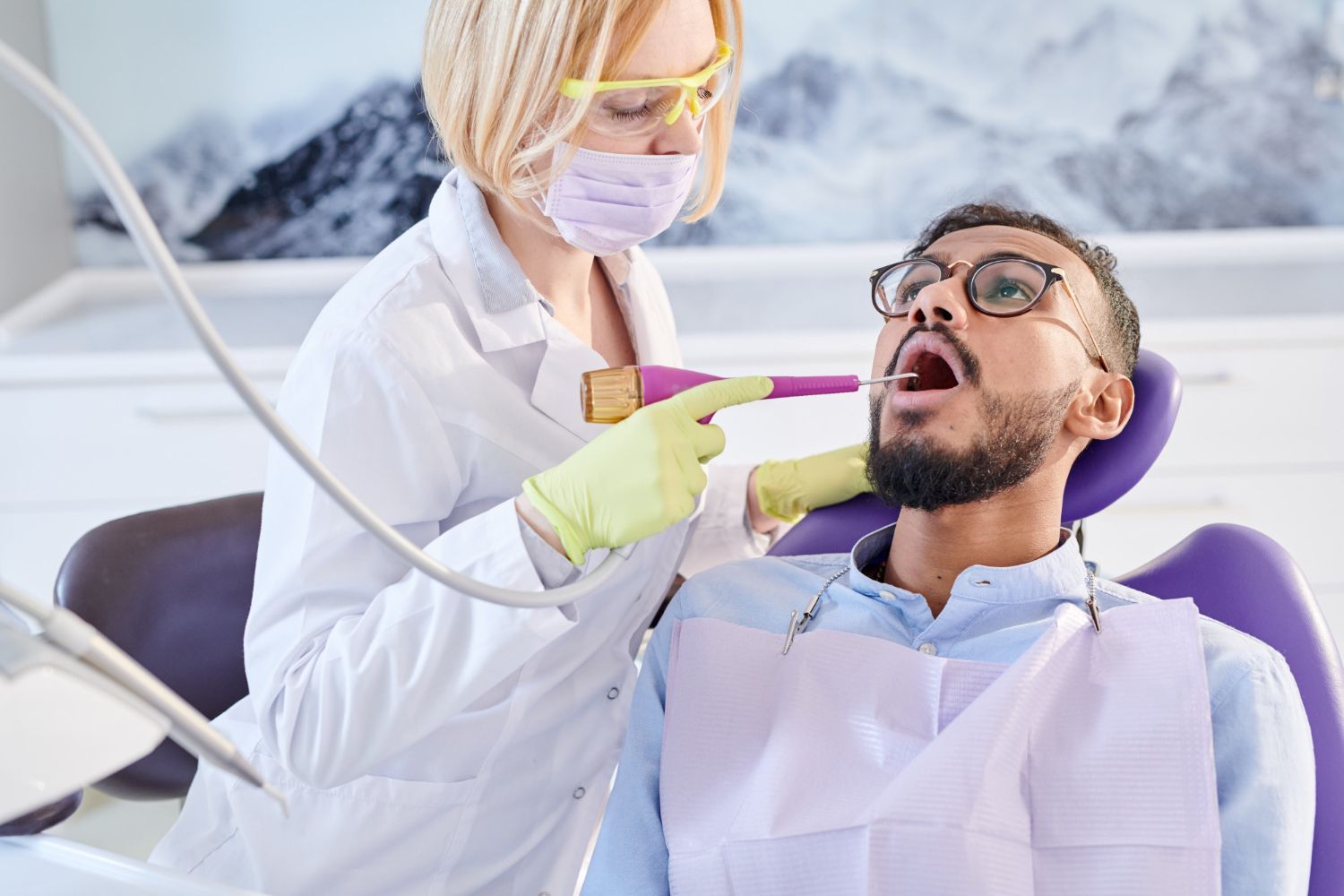
A dental examination may include:
- Review of medical and dental history
- Assessment of teeth and existing restorations
- Gum evaluation
- Bite assessment
- Oral cancer screening
- Diagnostic X-rays when clinically appropriate
- Discussion of symptoms and risk factors
Regular examinations can identify cavities, gum inflammation, damaged restorations, tooth wear, infections, and other concerns that may not yet cause obvious symptoms.
Patients beginning a new treatment plan can schedule dental cleaning and exams in Manhattan for an assessment of their current oral health.
Professional Dental Cleaning
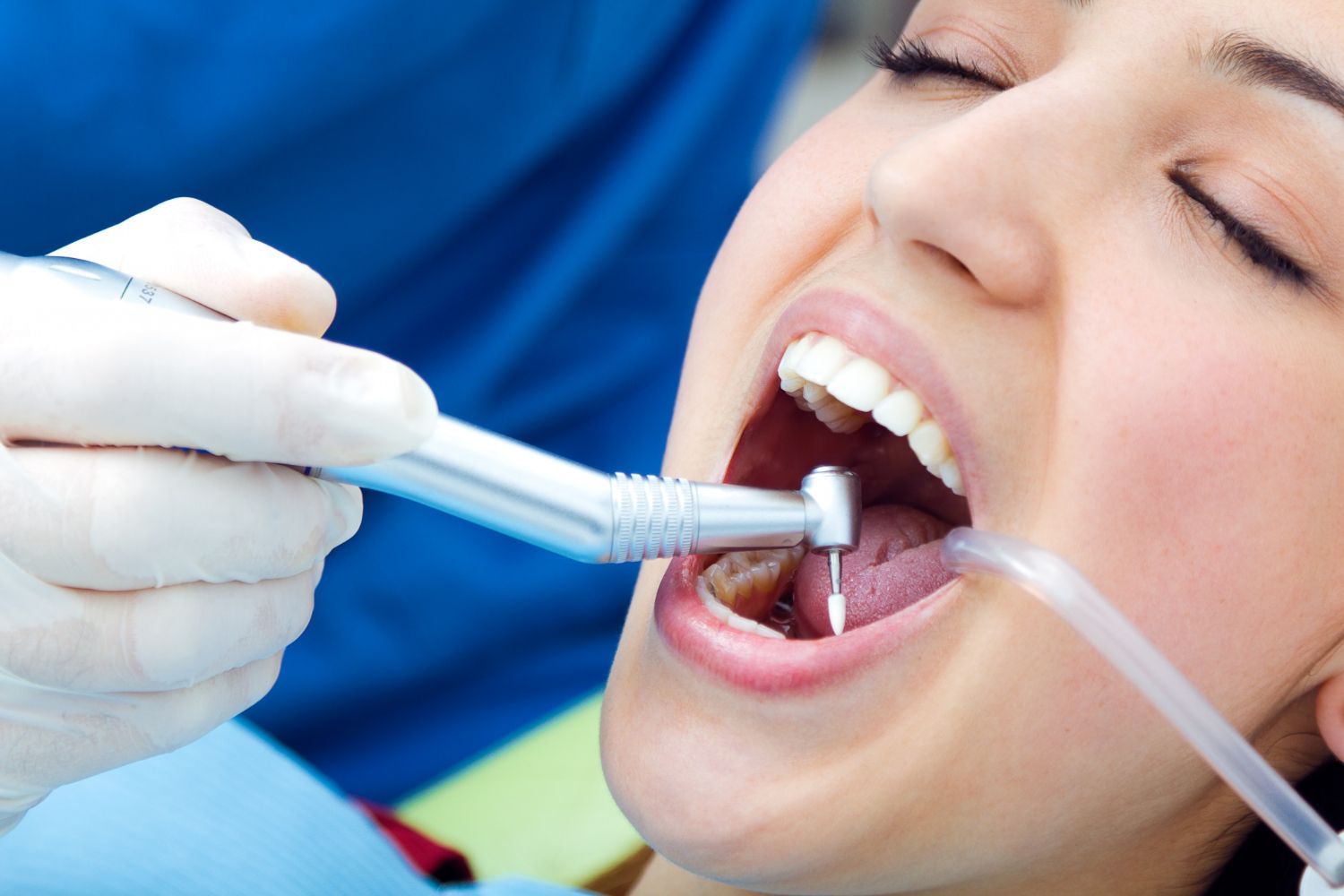
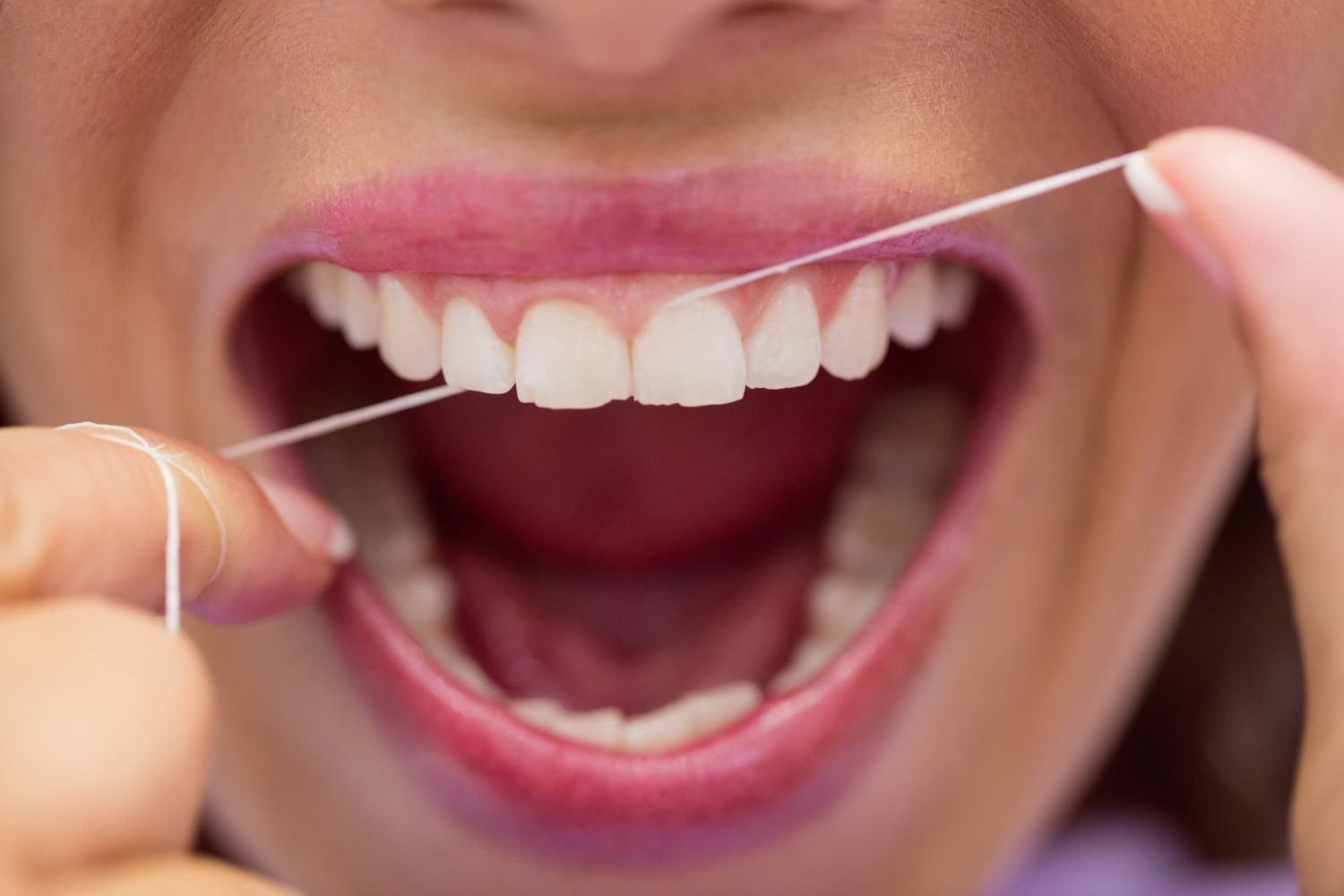
A professional cleaning removes plaque and hardened deposits that cannot always be eliminated through brushing and flossing alone.
Cleaning appointments may also include:
- Polishing
- Gum-health evaluation
- Home-care recommendations
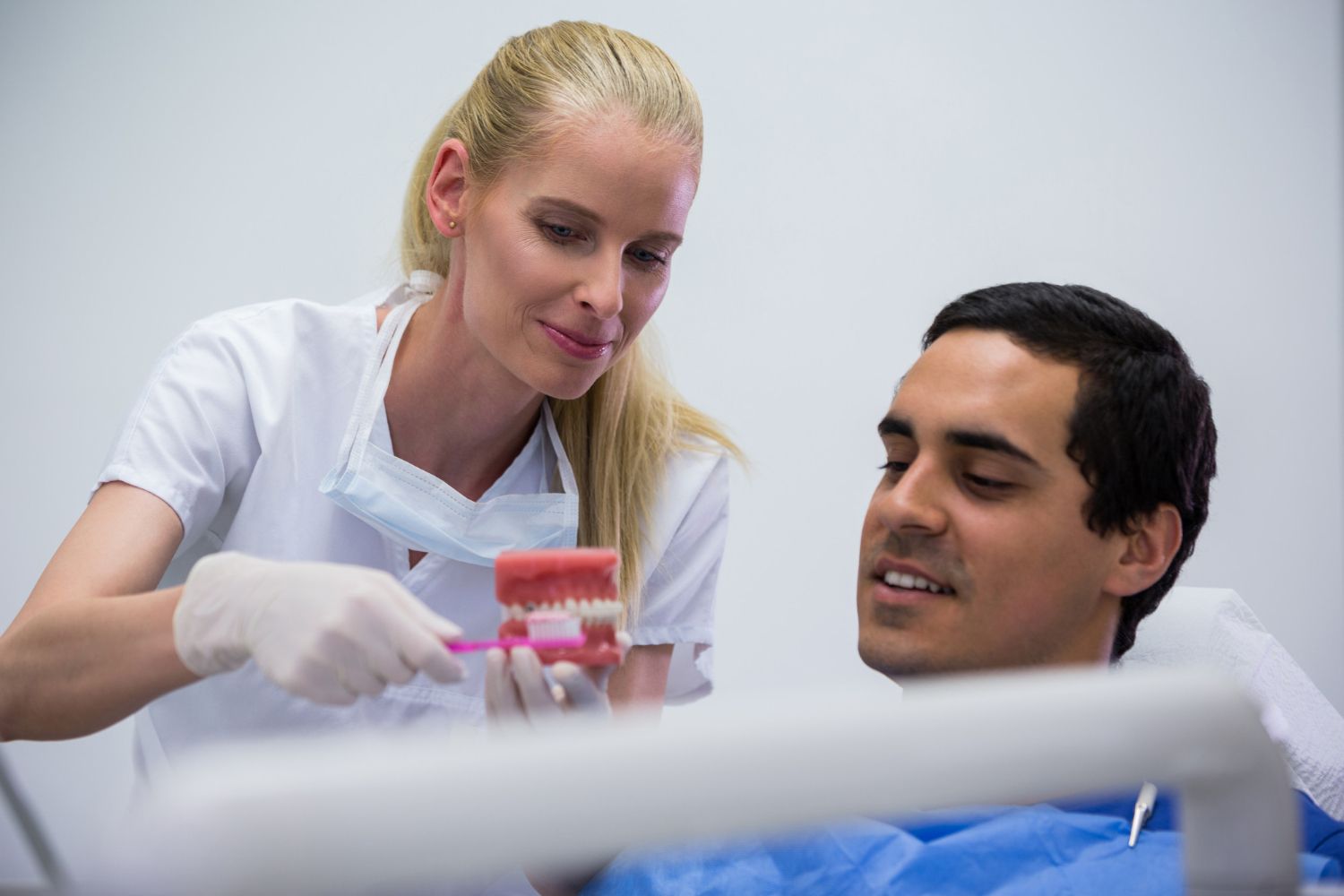
- Review of brushing and flossing technique
- Discussion of sensitivity or bleeding
Preventive care does not guarantee that dental disease will never occur, but it can reduce risk and support earlier diagnosis. The CDC advises regular dental care and daily oral-hygiene practices because adults can experience cavities, gum disease, tooth loss, and oral cancer throughout life.
Dental X-Rays
Dental X-rays may help identify problems that are not clearly visible during a clinical examination, including:
- Decay between teeth
- Infection around tooth roots
- Bone loss
- Impacted teeth
- Developmental concerns
- Problems beneath existing restorations
X-rays should be selected according to clinical need rather than performed automatically for every patient at every visit.
Fluoride and Other Preventive Care
Depending on age and cavity risk, preventive services may include:
- Professional fluoride treatment
- Sealants
- Custom sports mouthguards
- Nightguards for grinding
- Dietary guidance
- Individual home-care plans
Preventive recommendations should be personalized because oral-health needs vary by age, health status, medications, diet, and disease risk.
General Dentistry Services in Manhattan
General dentistry covers the routine diagnosis, prevention, and treatment of common oral-health problems.
Common services include:
- Examinations and cleanings
- Dental fillings
- Emergency evaluations
- Gum-health assessment
- Root canal referrals or treatment
- Crowns and bridges
- Tooth sensitivity evaluation
- Management of chipped or damaged teeth
A general dentist often acts as the central provider who diagnoses problems, coordinates treatment, and refers patients to specialists when necessary.
Explore general dentistry services in New York City for preventive, diagnostic, and routine restorative care.
Restorative Dental Services in NYC
Restorative dentistry repairs damaged teeth and replaces missing structures so patients can maintain function, comfort, and oral stability.
Dental Fillings
A filling may be recommended when decay or minor structural damage affects part of a tooth.
The damaged area is removed, and the space is restored using an appropriate material. Options may include tooth-colored composite resin or other restorative materials depending on the location and clinical need.
Potential benefits include:
- Repairing a cavity
- Restoring tooth shape
- Reducing the chance of further breakdown
- Supporting normal chewing
A filling may not be sufficient when a tooth has extensive damage, cracks, infection, or inadequate remaining structure.
Dental Crowns
A dental crown covers and protects the visible portion of a weakened tooth.
Crowns may be considered for:
- Large cavities
- Significant fractures
- Teeth treated with root canal therapy
- Worn or weakened teeth
- Replacement of a large failing restoration
- Support of a dental bridge or implant
Crowns require preparation of the tooth and may eventually need repair or replacement.
Root Canal Treatment
Root canal treatment may be needed when the pulp inside a tooth becomes inflamed or infected.
The procedure removes affected tissue, cleans the internal spaces, and seals the tooth. A crown may later be recommended depending on the tooth’s location and remaining structure.
Root canal treatment aims to preserve a natural tooth, but success depends on the extent of infection, tooth condition, treatment quality, and long-term restoration.
Dental Bridges
A dental bridge replaces one or more missing teeth by supporting an artificial tooth between natural teeth or implants.
A bridge may:
- Restore chewing function
- Improve appearance
- Reduce movement of nearby teeth
- Provide a fixed alternative to a removable appliance
Traditional bridges usually require preparation of supporting teeth. The dentist should also discuss implant-supported and removable alternatives where appropriate.
Dental Implants
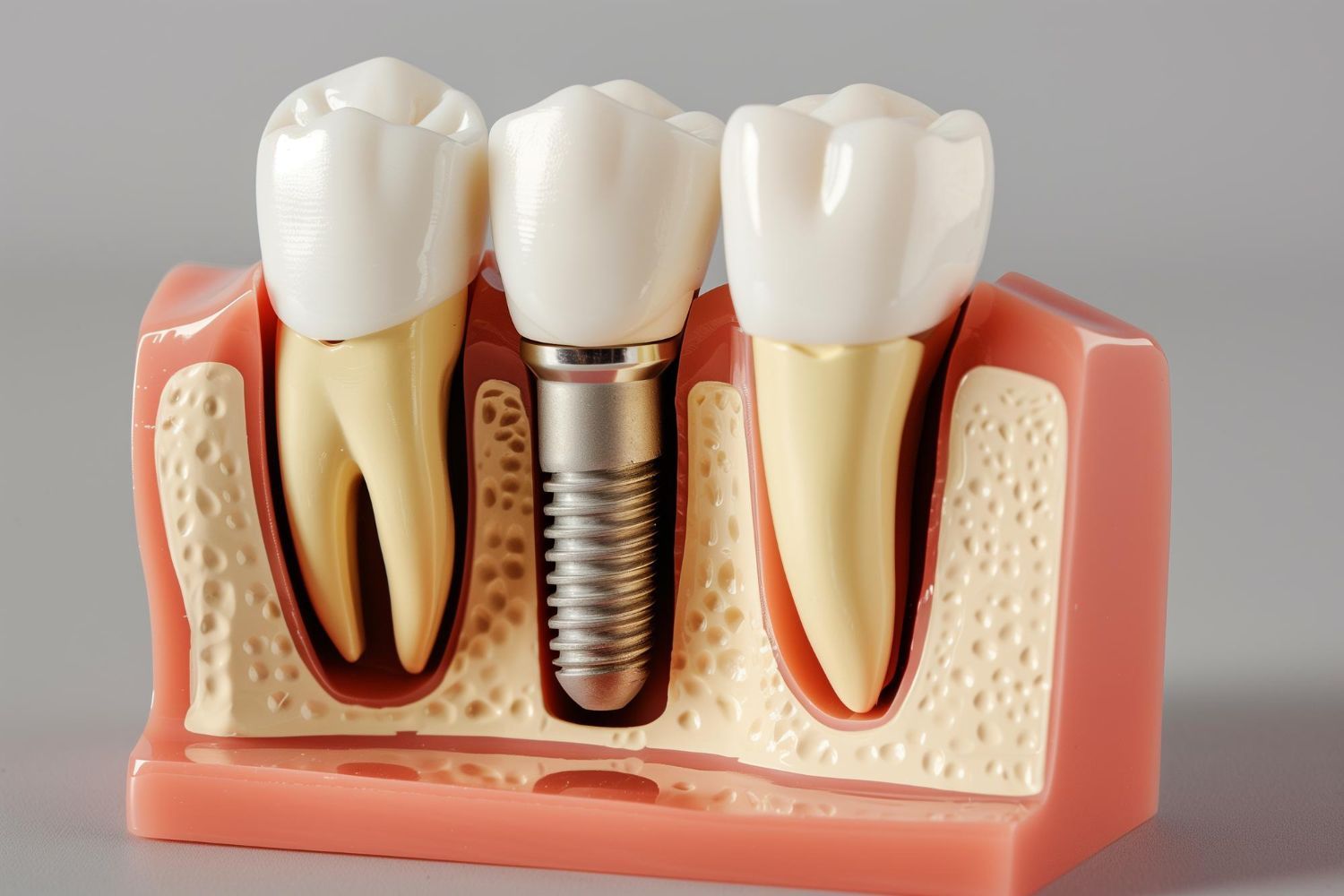
A dental implant is placed in the jawbone to support a crown, bridge, or denture.
Implant treatment may involve:
- Consultation and imaging
- Tooth extraction
- Bone grafting
- Implant placement
- Healing
- Abutment placement
- Final restoration
Not every patient is immediately eligible. Bone volume, gum health, smoking, medical conditions, oral hygiene, and bite forces may affect treatment planning.
The AAOMS patient pathway notes that candidacy assessment, surgical placement, restoration, and follow-up may involve coordination between the surgeon and restorative dentist.
Patients considering tooth replacement can review restorative dentistry treatment options in NYC.
Cosmetic Dental Services in NYC
Cosmetic dentistry primarily focuses on improving the appearance of teeth and smiles. Treatment should still begin with an assessment of oral health because active decay, gum disease, infection, or structural damage may need attention first.
Professional Teeth Whitening
Teeth whitening lightens the shade of natural teeth.
It may help with stains related to:
- Coffee or tea
- Red wine
- Tobacco
- Aging
- Certain foods and drinks
Whitening cannot change the color of crowns, fillings, bridges, or veneers. It also does not repair chips, change tooth shape, or correct alignment.
Dental Veneers
Veneers are thin restorations placed over the visible surfaces of selected teeth.
They may improve:
- Persistent discoloration
- Minor chips
- Small gaps
- Uneven tooth length
- Irregular shape
- Mild cosmetic alignment concerns
Veneers may require enamel preparation and future replacement. Patients should understand the expected maintenance and alternatives before proceeding.
Cosmetic Bonding
Composite bonding uses tooth-colored resin to improve smaller cosmetic concerns such as:
- Minor chips
- Uneven edges
- Small spaces
- Localized shape irregularities
Bonding is often more conservative and affordable than porcelain veneers, but it may stain or wear sooner.
Invisalign and Orthodontic Care
Clear aligners can gradually move teeth in selected cases involving crowding, spacing, or bite concerns.
Unlike veneers, orthodontic treatment changes the position of teeth rather than covering them.
Treatment eligibility depends on the type and severity of movement required, gum health, patient compliance, and other clinical factors.
Patients comparing smile-enhancement options can explore cosmetic dentistry services in Manhattan.
Surgical Dental Services in NYC
Oral surgery includes procedures involving teeth, bone, gums, and related oral structures.
Tooth Extractions
Extraction may be required when a tooth cannot be predictably restored because of:
- Severe decay
- Extensive fracture
- Advanced infection
- Significant periodontal damage
- Impaction
- Orthodontic requirements
Simple extractions remove visible teeth, while surgical extractions may involve gum or bone access.
The dentist should discuss whether the tooth can be saved and explain replacement options when removal creates a functional or visible gap.
Wisdom-Tooth Removal
Wisdom teeth may require removal when they are impacted, infected, damaging adjacent teeth, or associated with other problems.
Not every wisdom tooth needs extraction. The decision should be based on symptoms, examination, imaging, position, and future risk.
Bone Grafting
Bone grafting may rebuild or preserve jawbone after tooth loss, periodontal disease, or extraction.
It may be recommended:
- During or after tooth removal
- Before dental implants
- To preserve a future implant site
- To rebuild a deficient ridge
Healing time varies according to graft size, location, material, and individual health.
Sinus Lift
A sinus lift adds bone beneath the sinus membrane in the back of the upper jaw when there is insufficient vertical bone for certain dental implants.
The implant may be placed during the procedure or after graft healing, depending on available bone and initial stability.
Dental Implant Surgery
Implant surgery involves placing the implant fixture in the jawbone. Recovery and the total treatment timeline depend on whether extraction, grafting, or other preparation is also needed.
Review available oral surgery procedures in New York City to understand evaluation, treatment, and referral options.
Periodontal Dental Services
Periodontal care focuses on the gums and supporting structures around the teeth.
Services may include:
- Gum-health evaluation
- Periodontal measurements
- Scaling and root planing
- Maintenance therapy
- Treatment planning for advanced disease
- Referral to a periodontist when necessary
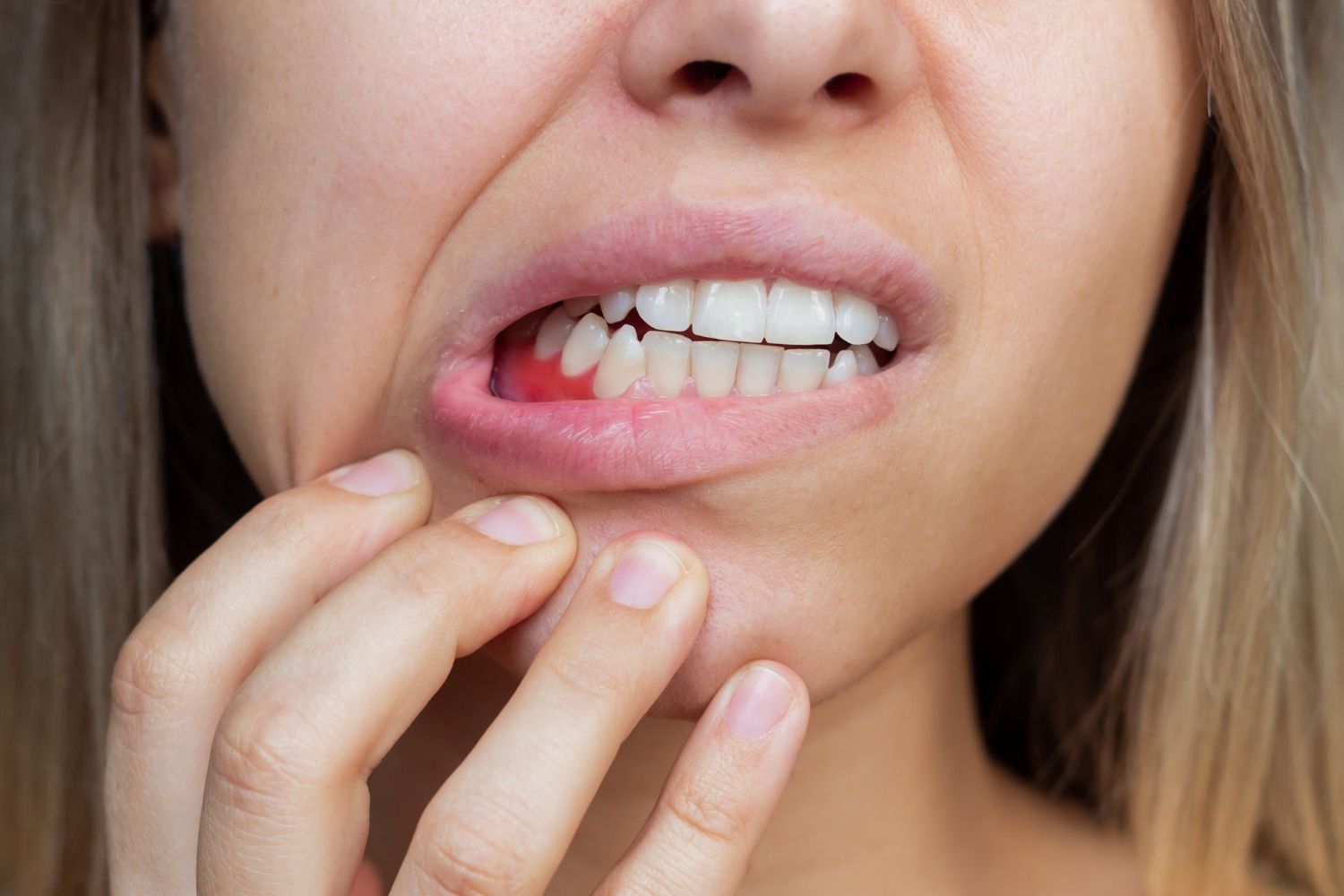
Possible signs of gum disease include:
- Bleeding gums
- Swelling
- Persistent bad breath
- Gum recession
- Loose teeth
- Changes in bite
- Bone loss visible on X-rays
Treatment depends on disease severity. Advanced periodontal disease may not be corrected through routine cleaning alone.
Prosthodontic Services
Prosthodontics focuses on restoring or replacing teeth and managing more complex functional and cosmetic needs.
Treatment may include:
- Crowns
- Bridges
- Dentures
- Implant restorations
- Full-mouth rehabilitation
- Replacement of extensively damaged teeth
Complex cases may require coordination among general dentists, prosthodontists, surgeons, periodontists, or other specialists.
Comparing Types of Dental Services NYC Treatment Options
Choosing a dental service begins with the problem being treated.
If the concern is prevention, an examination and cleaning may be appropriate.
If the tooth is decayed or damaged, treatment could involve a filling, crown, root canal, or extraction.
If a tooth is missing, options may include an implant, bridge, or removable appliance.
If the concern is mainly appearance, whitening, bonding, veneers, or orthodontics may be considered.
If the condition involves bone, impacted teeth, or complex extractions, surgical care may be needed.
The most conservative appropriate treatment should generally be discussed along with its limitations, expected longevity, and alternatives.
Types of Dental Services NYC Cost Factors
Dental fees vary based on:
- Type of service
- Number of teeth involved
- Case complexity
- Diagnostic imaging
- Materials
- Laboratory work
- Anesthesia or sedation
- Specialist involvement
- Insurance network status
- Additional procedures
- Follow-up and maintenance
Preventive services typically cost less than extensive restorative or surgical care, but exact fees require an individual evaluation.
Patients should request a written treatment estimate that identifies:
- Recommended procedures
- Alternative options
- Estimated insurance contribution
- Expected out-of-pocket amount
- Number of appointments
- Possible additional costs
- Future maintenance needs
Do not choose a procedure solely because it has the lowest initial fee. Durability, invasiveness, prognosis, maintenance, and long-term value also matter.
What Happens During a Services Consultation?
A dental-services consultation may involve:
- Discussing your concerns and goals
- Reviewing medical and dental history
- Examining the teeth, gums, bite, and existing restorations
- Taking diagnostic images when necessary
- Explaining the diagnosis
- Comparing treatment alternatives
- Reviewing benefits, limitations, and risks
- Discussing the treatment timeline and cost
- Answering questions before consent
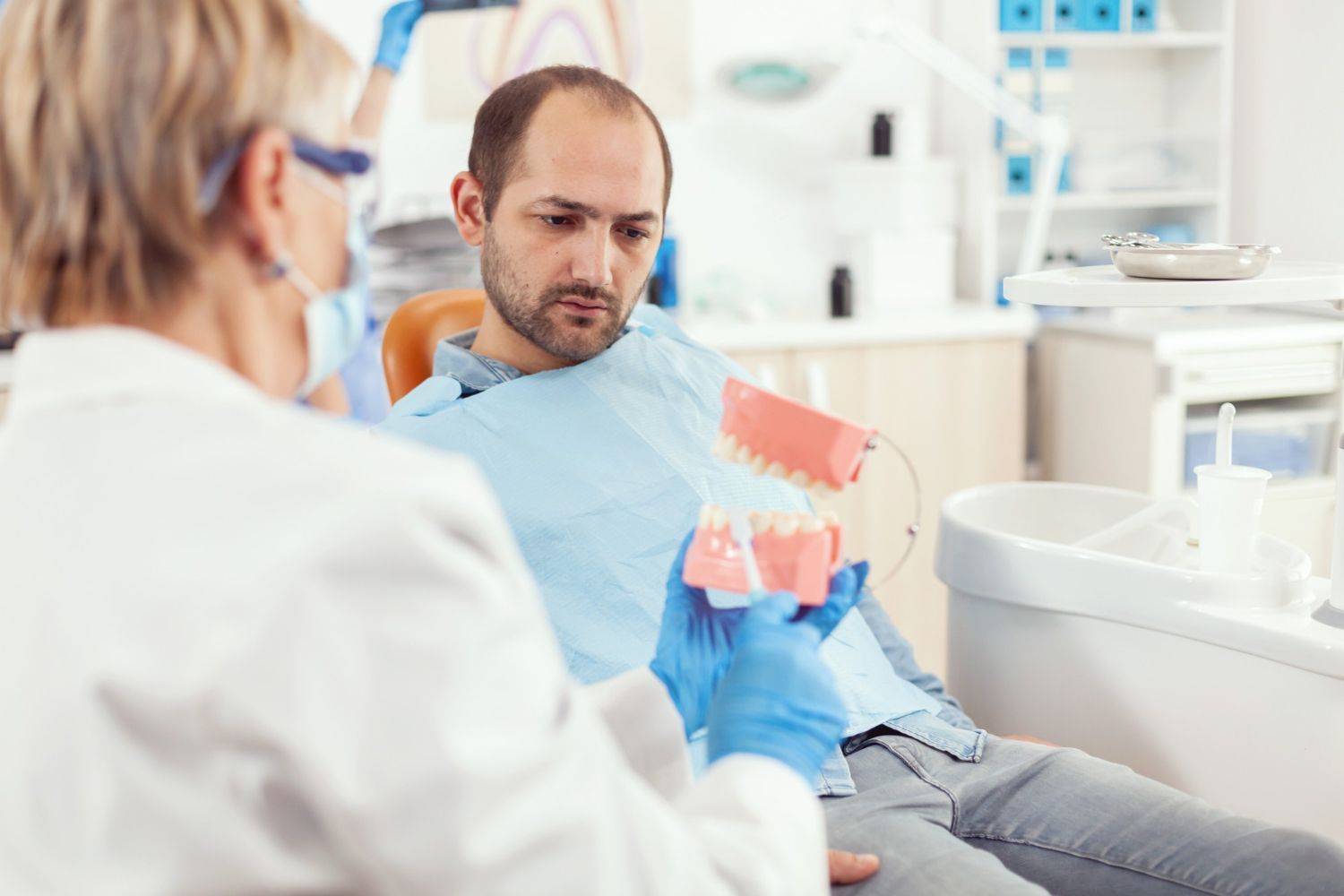
The provider should explain why a particular service is recommended instead of presenting treatment as a one-size-fits-all solution.
To discuss your needs directly, schedule a dental consultation in Manhattan.
Understanding Dental Procedure, Recovery and Aftercare
The expected experience depends greatly on the procedure.
A cleaning may require no recovery, while extraction, implant placement, or grafting may involve temporary swelling, diet modifications, medication, and follow-up visits.
Before treatment, ask:
- How many appointments are required?
- Will anesthesia be used?
- What discomfort is expected?
- Can I return to work the same day?
- Are food restrictions necessary?
- Which symptoms are normal?
- What are the main risks?
- When is follow-up required?
- What long-term maintenance is needed?
Clear services aftercare instructions help patients understand how to protect the treatment area and when to contact the office.
Frequently Asked Questions
What are the main types of dental services NYC practices provide?
The main categories include preventive care, general dentistry, restorative treatment, cosmetic dentistry, orthodontics, periodontal care, prosthodontics, and oral surgery. The appropriate service depends on the diagnosis and treatment goal.
What should a types of dental services NYC guide help patients compare?
A useful guide should explain the purpose, benefits, limitations, risks, eligibility, treatment timeline, recovery, cost factors, maintenance needs, and alternatives associated with each service.
How do I know which types of dental services NYC treatment options I need?
Begin with a comprehensive dental examination. The dentist can identify whether your concern requires preventive, restorative, cosmetic, periodontal, orthodontic, or surgical care and discuss appropriate alternatives.
What types of dental services Manhattan insurance plans usually cover?
Coverage varies by plan. Preventive services may receive stronger coverage than cosmetic treatment, while restorative and surgical benefits may be subject to deductibles, annual maximums, waiting periods, and frequency limitations.
What should I ask during a dental services consultation?
Ask about the diagnosis, treatment purpose, alternatives, expected benefits, risks, eligibility, number of appointments, recovery, aftercare, total cost, insurance estimate, and likely future maintenance.
Conclusion
The major types of dental services in NYC include preventive, restorative, cosmetic, periodontal, orthodontic, prosthodontic, and surgical care.
Preventive services aim to protect oral health and identify problems early. Restorative treatment repairs damaged teeth and replaces missing ones. Cosmetic dentistry addresses smile appearance, while surgical services manage conditions involving extractions, implants, grafting, or other operative care.
The right choice should be based on a clear diagnosis, realistic expectations, suitable alternatives, and an understanding of cost, risks, recovery, and long-term maintenance.
Find the Right Dental Service for Your Needs
Whether you need a routine examination, cosmetic consultation, damaged-tooth repair, tooth replacement, or surgical evaluation, the first step is a personalized assessment.
Explore the complete range of dental services in NYC, then contact InStyle Dental to schedule a consultation at the Manhattan office.