What Is a Sinus Lift? Procedure, Benefits and Recovery
What Is a Sinus Lift? Procedure, Benefits and Recovery
What is a sinus lift? A sinus lift is a dental bone-grafting procedure that increases bone height in the back portion of the upper jaw. During treatment, the clinician carefully raises the sinus membrane and places grafting material beneath it, creating additional bone where one or more dental implants may later be positioned.
Also called sinus augmentation, the procedure is generally considered when there is insufficient jawbone for implants near the maxillary sinuses. It does not treat sinus infections or breathing problems; its purpose is to prepare the upper jaw for implant-supported tooth replacement. A sinus lift is essentially a bone graft involving the maxilla, or upper jaw.
What Is a Sinus Lift in Dentistry?
The maxillary sinuses are air-filled spaces located behind the cheeks and above the upper back teeth. In some people, the roots of the upper premolars and molars sit close to the floor of these sinuses.
After an upper tooth is removed, the supporting jawbone may gradually lose volume. The sinus may also naturally sit low in relation to the remaining ridge. Either situation can leave too little bone to hold a standard dental implant securely.
A sinus lift addresses this problem by:
- Creating space beneath the sinus membrane
- Adding bone-grafting material to that space
- Increasing available bone in the posterior upper jaw
- Preparing a more suitable foundation for future implant placement
Patients considering the procedure can review the clinic’s main page for sinus lift treatment in New York City, including evaluation, treatment planning and appointment information.
What Is a Dental Sinus Lift Used For?
A dental sinus lift is primarily used to rebuild bone in the upper back jaw before or during implant treatment.
A clinician may consider it when:
- Upper molars or premolars have been missing for an extended period
- The jawbone has lost height after an extraction
- The sinus floor is naturally close to the jaw ridge
- Gum disease has contributed to bone loss
- Previous trauma or infection has affected the area
- Imaging shows inadequate bone for a planned implant
The procedure does not guarantee that every patient will qualify for implants. Implant eligibility also depends on gum health, general health, smoking status, oral hygiene, healing capacity and the condition of nearby structures.
A complete assessment for dental implants in New York City can determine whether grafting is needed and whether implant treatment is appropriate for the individual case. InStyle Dental notes that bone grafting or a sinus lift may be planned when the upper jaw lacks sufficient supporting bone.
What Is a Sinus Lift for Dental Implants?
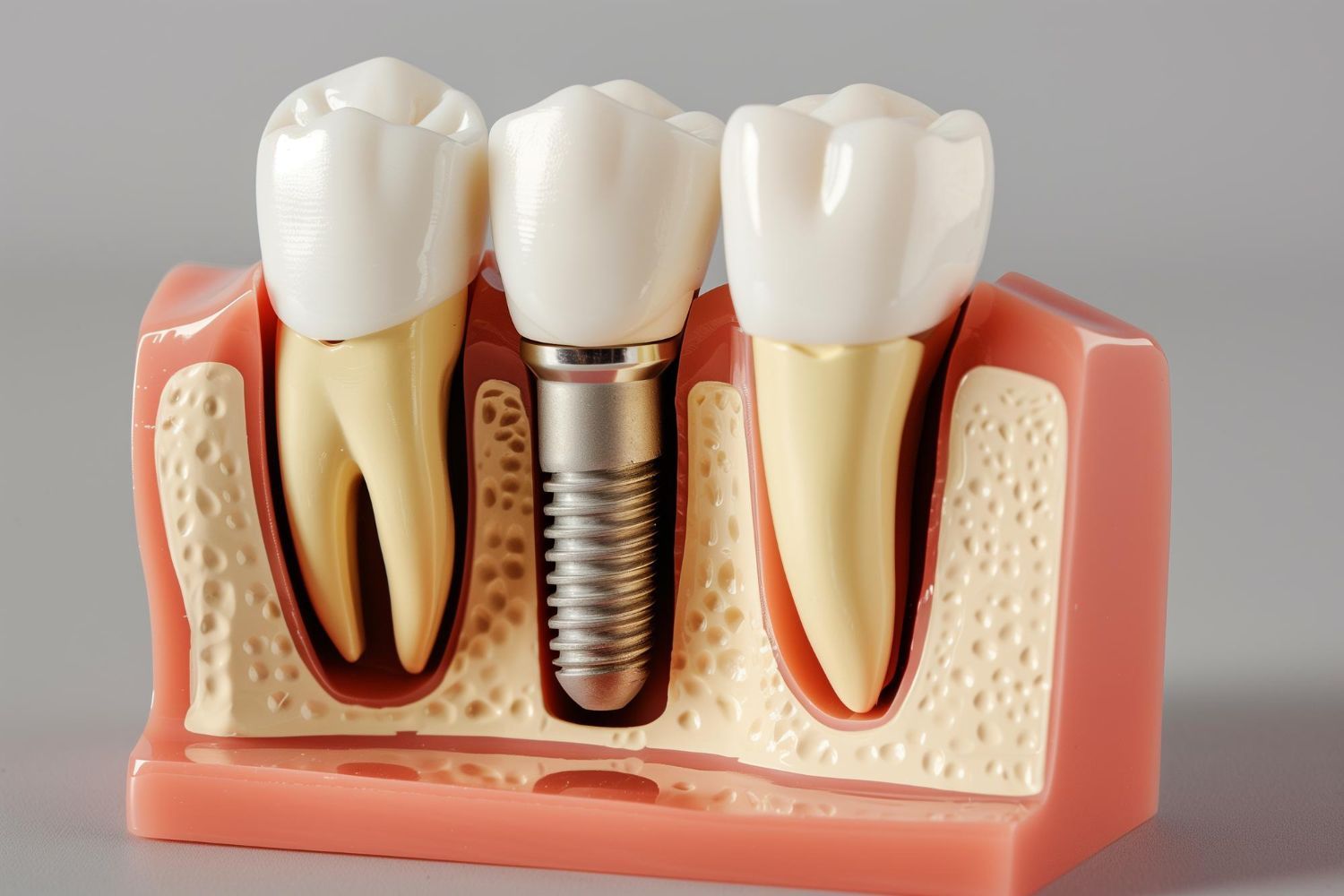
A sinus lift for dental implants creates additional bone in the area where an implant would otherwise be too close to the maxillary sinus.
Dental implants depend on an adequate volume of healthy bone for initial stability and long-term support. When the upper posterior jaw is too thin vertically, placing an implant without additional preparation could result in inadequate support or unwanted involvement of the sinus cavity.
The sinus lift procedure increases the available bone beneath the sinus rather than moving the entire sinus. Only the membrane lining its floor is gently elevated to create space for graft material.
Depending on the clinical findings, the implant may be:
- Placed during the sinus lift procedure
- Placed after the graft has had time to heal
- Delayed until imaging confirms adequate bone development
The timing depends on the amount and quality of existing bone, the type of graft, implant stability and the clinician’s judgment.
Why Does Upper Jaw Bone Loss Occur?
Tooth Loss
The jawbone receives stimulation from natural tooth roots. After a tooth is removed, the surrounding ridge may gradually shrink because it no longer receives the same functional stimulation.
The amount and pattern of change vary between patients. The longer a posterior tooth remains missing, the more likely it is that bone volume may be insufficient for straightforward implant placement.
Periodontal Disease
Advanced gum disease can damage the bone that supports the teeth. If a tooth is eventually lost or removed, the remaining ridge may already have reduced height or width.
Active gum disease generally needs to be controlled before grafting or implant surgery is planned.
Natural Sinus Anatomy
Some patients naturally have a larger sinus cavity or a sinus floor positioned close to the upper jaw ridge. This does not mean anything is medically wrong with the sinus, but it may limit the amount of bone available for posterior upper jaw implants.
Bone Changes After Extraction
Bone loss can occur after tooth removal, particularly when the site is not preserved or when infection has previously damaged the area. In selected cases, grafting performed around the time of extraction may help preserve more of the ridge for future restoration.
Patients with broader bone deficiencies may also need dental bone grafting in New York City, which can rebuild areas affected by missing teeth, gum disease or other conditions. Dental bone grafts may be used to support implants and, in some situations, to lift the maxillary sinus.
Types of Sinus Lift Procedures
The technique selected depends mainly on the existing bone height, the amount of additional bone required and whether an implant can be placed at the same appointment.
Lateral Window Sinus Lift
A lateral window sinus lift, sometimes called an external sinus lift, involves creating a small opening in the side of the upper jaw.
Through this access point, the clinician carefully separates and raises the sinus membrane. Bone-grafting material is then placed in the newly created space.
This technique may be considered when:
- A larger increase in bone height is required
- Existing bone is too limited for a less invasive approach
- Several posterior implants are planned
- The anatomy requires broader access and visibility
Implant placement may occur at the same appointment or after graft healing, depending on the amount of original bone available for stability.
Crestal or Internal Sinus Lift
A crestal sinus lift, also known as an internal sinus lift, is performed through the implant site rather than through a separate opening in the side of the jaw.
It is generally considered when:
- Some supporting bone is already present
- Only a modest increase in height is needed
- The implant can achieve suitable initial stability
- The sinus anatomy is appropriate for the technique
Learn more about the less invasive intra-crestal sinus lift procedure and how candidacy is assessed.
Neither method is automatically better. The appropriate technique depends on clinical examination, three-dimensional imaging, bone measurements and treatment objectives.
How Is a Sinus Lift Procedure Performed?
1. Consultation and Diagnostic Imaging
The process begins with a review of the patient’s dental history, medical conditions, medications, previous surgery and current symptoms.
The dentist or surgeon may evaluate:
- The number and position of missing teeth
- Remaining bone height and width
- Gum health
- Sinus anatomy
- Nearby teeth and roots
- Signs of infection or pathology
- The planned implant position
Three-dimensional imaging may be recommended to evaluate bone and sinus structures more precisely.
2. Anesthesia and Surgical Access
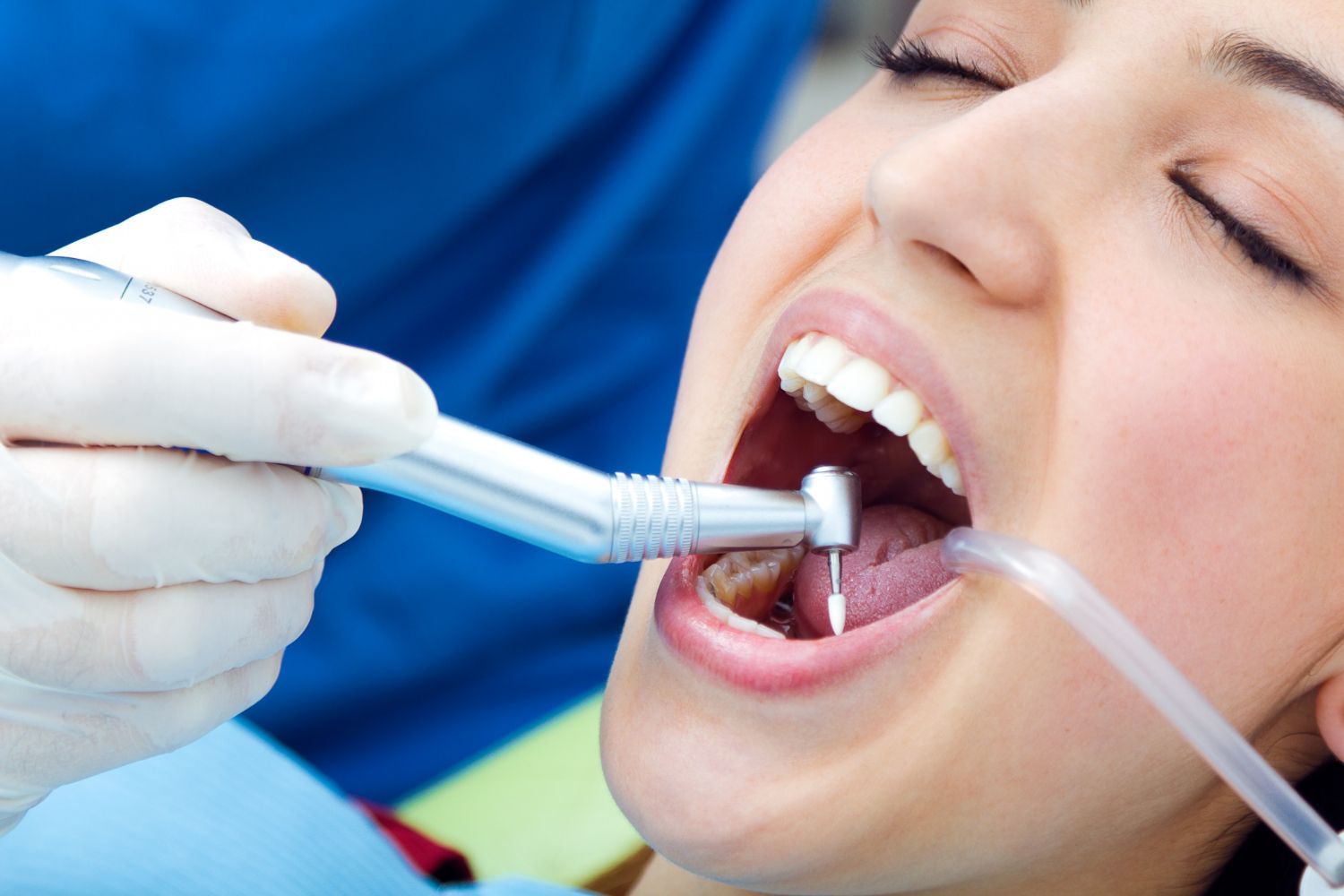
Local anesthesia is commonly used to numb the area. Additional comfort or sedation options may be discussed based on the procedure and the patient’s needs.
For a lateral approach, an opening is made through the gum and side of the jaw. For a crestal approach, access is created through the planned implant site.
3. Elevation of the Sinus Membrane
The sinus membrane is carefully separated from the underlying bone and gently elevated. Protecting this tissue is one of the most important parts of sinus lift surgery.
4. Placement of Graft Material
Bone-grafting material is placed beneath the elevated membrane. The graft acts as a framework in which new bone can develop during healing.
The clinician may use:
- The patient’s own bone
- Donor-derived graft material
- Animal-derived graft material
- Synthetic bone substitute
- A combination of materials
The choice depends on the size of the graft, clinical preference, patient factors and the properties required for the site. AAOMS notes that sinus augmentation requires graft material capable of supporting bone formation within the created space.
5. Implant Placement or Site Closure
When sufficient original bone is present, an implant may sometimes be placed during the same procedure. Otherwise, the grafted area is closed and allowed to heal before implant surgery.
Sinus lifts form part of the wider range of oral surgery procedures used to manage missing teeth, bone loss and implant preparation.
Benefits of a Sinus Lift
The principal benefit is the creation of additional bone for implant placement in an area that may otherwise be unsuitable.
Potential benefits include:
- Improved implant eligibility in the posterior upper jaw
- Increased bone height beneath the sinus
- Support for one or more upper-jaw implants
- Restoration of areas affected by tooth and bone loss
- Reduced need to avoid an otherwise suitable implant location
- Access to fixed tooth-replacement options for selected patients
A sinus lift does not ensure implant success. Outcomes depend on accurate diagnosis, surgical execution, healing, implant positioning, oral hygiene and long-term maintenance.
Sinus Lift Risks and Limitations
Like any surgical procedure, a sinus lift carries potential risks. These should be discussed before treatment.
Possible complications include:
- Tearing or perforation of the sinus membrane
- Infection
- Bleeding or swelling
- Graft exposure or loss
- Delayed healing
- Sinus symptoms
- Failure to develop adequate bone
- Need for additional grafting
- Implant failure
- Temporary discomfort, congestion or pressure
A membrane perforation does not always mean the procedure must be abandoned. Management depends on its size, location and whether it can be repaired safely.
Patients should tell their clinician about chronic sinusitis, previous sinus surgery, recurrent congestion or other sinus-related conditions before treatment. A dental sinus lift is different from medical sinus surgery performed to treat chronic sinus disease.
Sinus Lift Recovery and Aftercare
Mild swelling, soreness, bruising or a feeling of pressure may occur after surgery. Symptoms usually improve gradually, but the exact sinus lift recovery experience varies according to the surgical approach and individual healing.
Postoperative instructions may include:
- Taking medication exactly as prescribed
- Applying cold packs as directed
- Eating soft foods temporarily
- Avoiding smoking and vaping
- Avoiding strenuous exercise
- Keeping the surgical area clean
- Attending scheduled follow-up visits
- Avoiding actions that create pressure in the sinus
Patients are often instructed not to blow their nose and to sneeze with the mouth open for a period after treatment. These precautions help reduce pressure on the healing sinus membrane.
Contact the dental office promptly if symptoms include:
- Increasing pain rather than gradual improvement
- Persistent or heavy bleeding
- Fever
- Pus or an unpleasant taste
- Graft particles continuing to escape
- Significant swelling that worsens
- Fluid passing between the mouth and nose
- Persistent sinus symptoms
- Difficulty breathing or another medical emergency
Sinus Lift Healing Time
Soft-tissue healing occurs earlier than full bone development. The graft itself generally needs several months to integrate and mature.
The exact sinus lift healing time depends on:
- Amount of bone added
- Existing bone quality
- Graft material
- Surgical technique
- Whether implants were placed simultaneously
- Smoking status
- Medical health
- Oral hygiene
- Individual healing response
When implants are delayed, the clinician will determine the appropriate placement time using examination and imaging. Avoid relying on a fixed online timeline because two patients receiving similar procedures may heal differently.
Patients progressing to implant treatment can also review practical guidance on what to eat after dental implant surgery.
How Much Does a Sinus Lift Cost?
Sinus lift cost varies according to:
- Lateral or crestal technique
- Size and complexity of the graft
- Type and amount of graft material
- Number of implant sites
- Diagnostic imaging
- Anesthesia or sedation
- Whether implants are placed at the same visit
- Additional procedures
- Insurance benefits
- Geographic location and provider fees
Because the procedure is often part of a larger implant plan, patients should request a written estimate separating grafting, imaging, implant placement, restoration and follow-up costs.
For broader financial planning, review the clinic’s guide to dental implant costs in NYC. Coverage varies, so patients should confirm benefits and exclusions directly with both the practice and insurance provider.
Are There Alternatives to a Sinus Lift?
A sinus lift may not be the only option in every case.
Depending on anatomy and restorative goals, alternatives may include:
- Using a shorter implant
- Changing implant position or angle
- Choosing a dental bridge
- Using a removable partial denture
- Selecting another grafting technique
- Expanding a narrow ridge
- Reconsidering whether implant treatment is appropriate
A ridge split procedure addresses insufficient jaw width rather than limited vertical bone beneath the sinus. Some patients may require one technique, both procedures or a different treatment entirely.
The safest option is determined through examination and imaging rather than preference alone.
Frequently Asked Questions
What is a sinus lift in dentistry?
A sinus lift is a bone-grafting procedure that raises the membrane lining the floor of the maxillary sinus and places graft material beneath it. The goal is to increase bone height in the back of the upper jaw for possible dental implant placement.
What is a dental sinus lift, and does it treat sinus problems?
A dental sinus lift prepares the upper jaw for implants. It does not treat sinusitis, nasal obstruction or breathing disorders. Patients with active or recurring sinus problems may need further assessment before dental grafting.
What is a sinus lift for dental implants?
It is a preparatory procedure used when the posterior upper jaw does not contain enough bone to support an implant safely. The added graft creates a larger area in which new supporting bone can develop.
Is sinus lift surgery painful?
The area is numbed during the procedure, so patients should not feel sharp surgical pain. Soreness, swelling or pressure may occur afterward. The intensity and duration vary, and the clinician should provide a personalized pain-management plan.
How long after a sinus lift can dental implants be placed?
Implants may sometimes be placed during the sinus lift, while other patients need several months of graft healing first. The timing depends on existing bone, graft size, implant stability and healing progress.
Conclusion
A sinus lift is a specialized dental bone graft used to increase bone in the upper back jaw. It may be recommended when tooth loss, bone resorption or natural sinus anatomy leaves insufficient support for posterior dental implants.
The procedure involves gently raising the sinus membrane and placing grafting material beneath it. Depending on the amount of bone needed, treatment may use a lateral window or crestal approach. Recovery begins within the first days and weeks, but full graft maturation takes longer.
A sinus lift can improve implant eligibility, but it also involves surgical risks, healing time and additional cost. A clinical examination and three-dimensional assessment are necessary to determine whether the procedure is appropriate.
Find Out Whether You Need a Sinus Lift
A personalized implant evaluation can determine how much upper-jaw bone is available, whether grafting is needed and which treatment approach is most appropriate.
Schedule a sinus lift and dental implant consultation with InStyle Dental to discuss your imaging, treatment options, expected timeline and estimated costs.