How to Choose a Dentist in Manhattan: 11 Questions to Ask Before Booking
How to Choose a Dentist in Manhattan: 11 Questions to Ask Before Booking
Choosing a dentist in Manhattan involves more than finding the closest office or selecting the first name that appears in search results. The right dentist should be qualified, transparent, accessible, and able to provide care that matches your current needs and long-term oral health goals.
This how to choose a dentist in Manhattan guide explains 11 practical questions to ask before booking. It covers credentials, services, treatment planning, cost factors, technology, insurance, emergency support, and the overall patient experience so you can make a more informed decision.
How to Choose a Dentist in Manhattan: Start With Your Needs
Before comparing dental practices, identify what type of care you need.
Some patients only need preventive services such as examinations and professional cleanings. Others may be searching for cosmetic improvements, restorative treatment, orthodontic care, oral surgery, or support for a specific dental problem.
Consider whether you need:
- Routine dental examinations
- Professional teeth cleaning
- Tooth-colored fillings
- Root canal treatment
- Dental crowns or bridges
- Dental implants
- Invisalign
- Teeth whitening
- Dental veneers
- Gum disease treatment
- Emergency dental care
- Ongoing care for dental anxiety
A practice offering a broad selection of dental services in Manhattan may make it easier to coordinate different treatments through one dental team.
1. Is the Dentist Properly Qualified and Experienced?
Start by reviewing the dentist’s education, professional credentials, licensing, and clinical experience.
A trustworthy practice should make it reasonably easy to learn:
- Where the dentist completed dental school
- Whether the dentist has additional training
- Which treatments the dentist regularly performs
- How long the practice has operated
- Whether the dentist participates in continuing education
- Which professional organizations the dentist belongs to
Experience matters most when it is relevant to the procedure you need. A dentist may be highly experienced in preventive and restorative care but refer complex surgical cases to another specialist.
During a dentist New York City consultation, ask who will perform your treatment and whether that clinician regularly handles similar cases.
2. Does the Practice Offer the Treatment You Need?
Not every dental office provides the same services.
A general dental practice may focus primarily on preventive care, fillings, crowns, and gum health. Another practice may also provide cosmetic dentistry, Invisalign, implants, oral surgery, or prosthodontic treatment.
When evaluating how to choose a dentist in Manhattan treatment options, check whether the office provides:
- The procedure you currently need
- Appropriate diagnostic services
- Follow-up appointments
- Maintenance after treatment
- Alternatives when the first option is unsuitable
- Specialist referrals when necessary
For routine and ongoing oral healthcare, review the practice’s general dentistry services in New York City.
Patients interested in appearance-focused care should also evaluate available cosmetic dentistry treatments in Manhattan, including whitening, veneers, Invisalign, and other smile-enhancement options.
3. Will the Dentist Perform a Thorough Examination Before Recommending Treatment?
A responsible dentist should not recommend major treatment based only on a brief visual inspection or a patient’s cosmetic request.
A comprehensive evaluation may include:
- Medical and dental history
- Review of current symptoms
- Examination of the teeth and gums
- Bite assessment
- Evaluation of existing restorations
- Oral cancer screening
- Periodontal measurements
- X-rays when clinically necessary
- Discussion of patient concerns and goals
A detailed examination helps identify whether pain, sensitivity, discoloration, or cosmetic concerns are connected to decay, gum disease, cracks, infection, grinding, or another condition.
Before beginning elective care, consider scheduling dental cleaning and exams in Manhattan so the dentist can assess your overall oral health.
4. Does the Dentist Explain the Diagnosis Clearly?
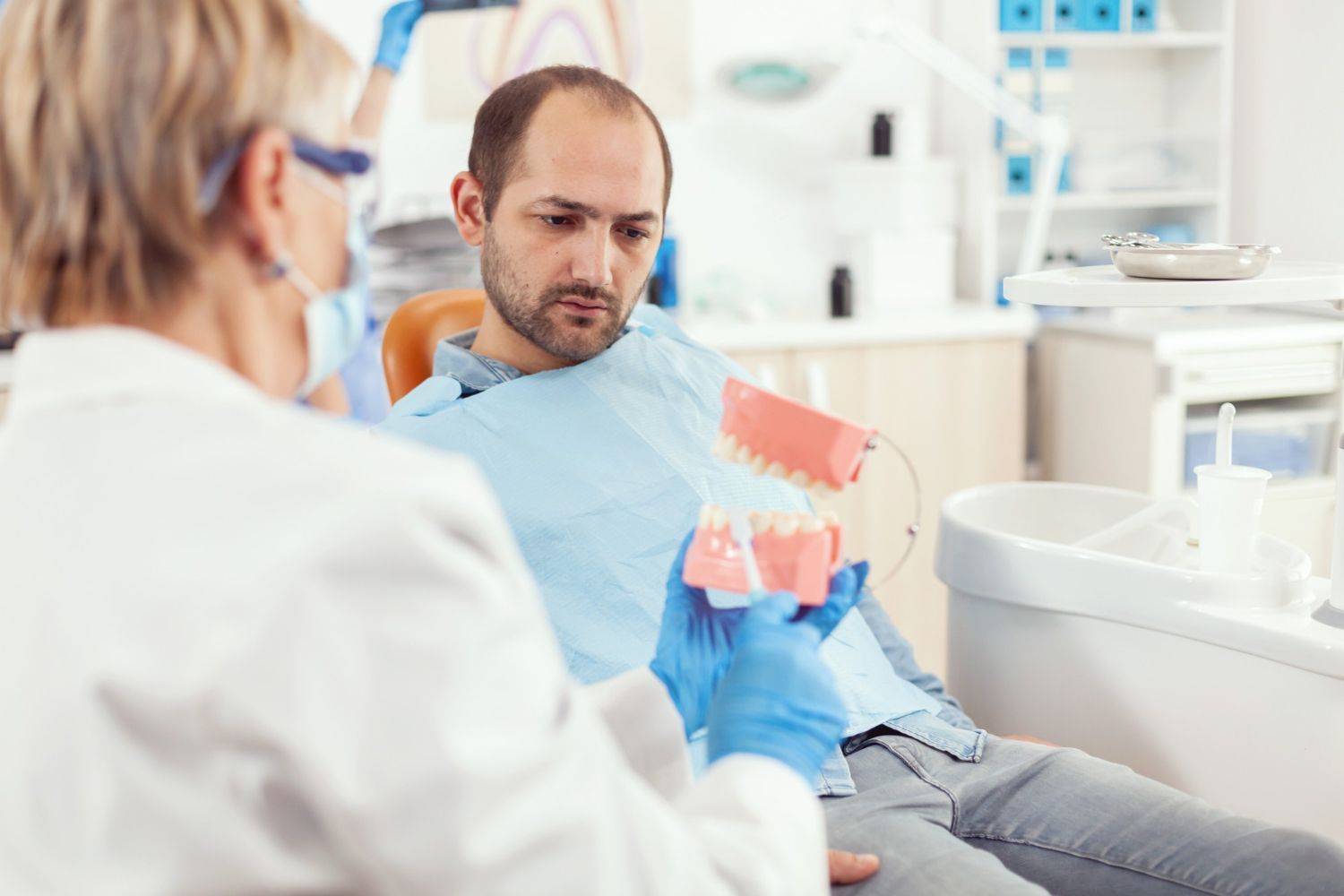
A good dentist should explain what they found, why it matters, and what could happen if the issue is treated, monitored, or left untreated.
You should feel comfortable asking:
- What is causing the problem?
- How urgent is treatment?
- What evidence supports the diagnosis?
- Can you show me the issue on an X-ray or image?
- Are there any reasonable alternatives?
- What happens if I wait?
- Which option preserves the most natural tooth structure?
The dentist should use understandable language rather than relying only on technical terminology.
Clear communication is especially important before a dentist New York City procedure involving irreversible changes, surgery, tooth removal, or a significant financial commitment.
5. Are Treatment Alternatives Discussed?
There is not always one acceptable solution to a dental problem.
For example:
- A damaged tooth may require bonding, a veneer, a crown, or extraction depending on its condition.
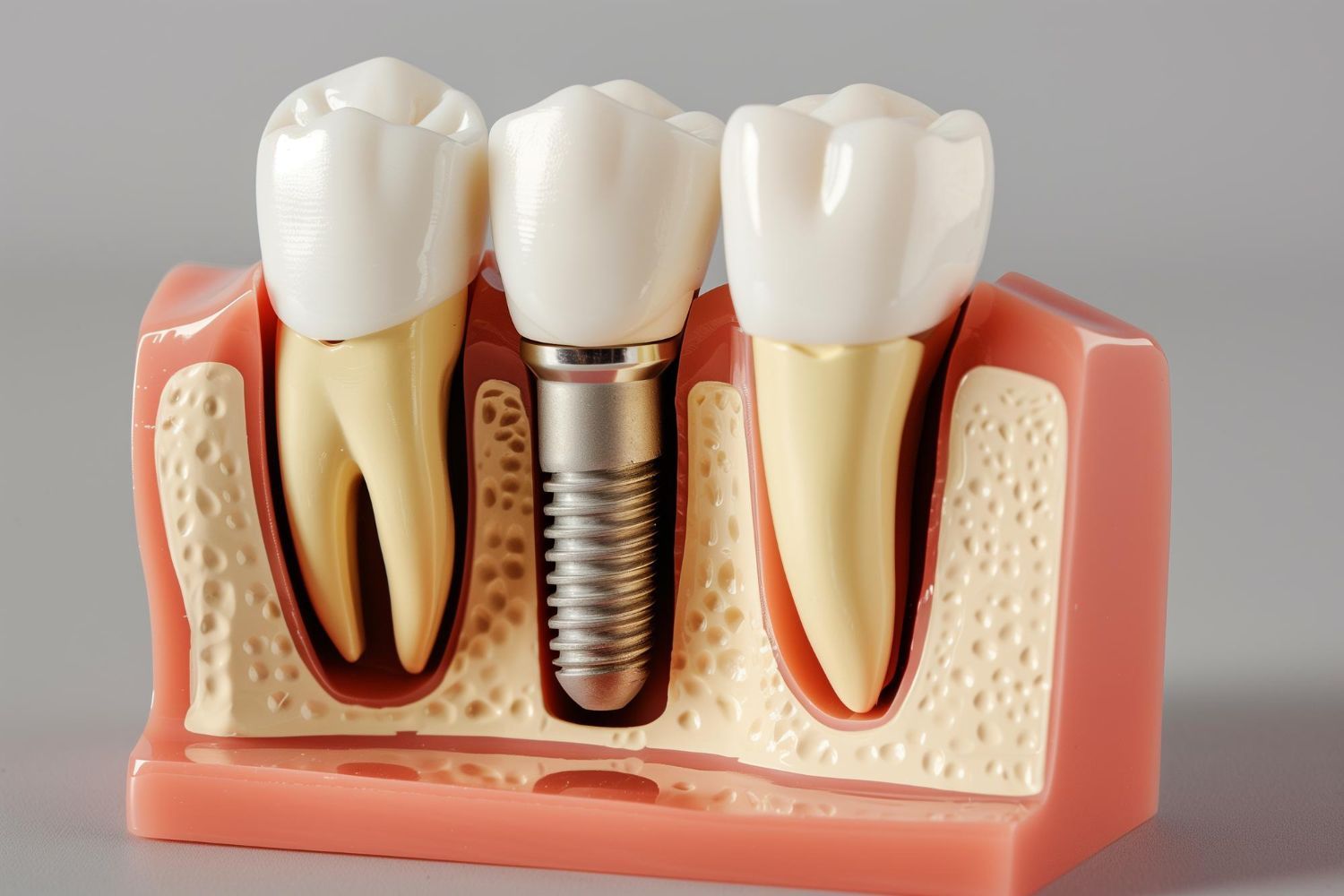
- A missing tooth may be replaced with an implant, bridge, or removable prosthesis.
- Misaligned teeth may be treated with Invisalign, traditional orthodontics, or occasionally cosmetic restorations.
- Stained teeth may respond to whitening, bonding, or veneers.
A reliable dentist should explain the benefits, limitations, costs, treatment timeline, and long-term maintenance associated with each appropriate option.
Ask about dentist New York City alternatives before agreeing to treatment, particularly when the recommended procedure is expensive or irreversible.
6. What Are the Risks, Benefits, and Expected Results?
Every dental treatment has potential benefits and limitations.
A dentist should explain:
- What the procedure is designed to achieve
- What it cannot correct
- How predictable the result is
- Possible complications
- Expected discomfort
- Recovery requirements
- Maintenance needs
- Whether future repair or replacement may be necessary
The discussion of dentist New York City benefits should be balanced by an explanation of possible dentist New York City risks.
Be cautious when a practice guarantees perfect results, pain-free treatment, permanent outcomes, or universal suitability. Dentistry depends on individual anatomy, oral health, healing, habits, and treatment complexity.
7. What Will the Treatment Cost?
Manhattan dental costs can vary according to the procedure, materials, complexity, diagnostic requirements, and the clinician providing treatment.
When reviewing how to choose a dentist in Manhattan cost factors, request a written estimate that explains:
- Examination fees
- X-ray or imaging costs
- Procedure fees
- Laboratory charges
- Anesthesia costs
- Temporary restorations
- Follow-up appointments
- Maintenance requirements
- Possible additional treatment
- Insurance estimates
- Payment-plan options
The least expensive option is not always the best long-term value. However, a higher fee does not automatically mean the treatment or patient experience will be better.
Compare the quality of the diagnosis, materials, communication, treatment planning, and follow-up care—not only the advertised price.
8. Does the Practice Accept Your Insurance or Offer Payment Options?
Before booking, confirm whether the practice participates with your dental insurance plan.
Ask:
- Is the dentist in-network or out-of-network?
- Will the office submit claims?
- Is preauthorization required?
- What deductible applies?
- Is there an annual benefit maximum?
- Are cosmetic procedures excluded?
- Which costs are only estimates?
- Are financing or payment plans available?
Remember that insurance coverage is not the same as clinical necessity. A procedure may be appropriate even when the plan provides limited coverage, while a covered service may not always be the best option for your specific condition.
Always confirm benefits directly with both the dental office and your insurer.
9. What Technology and Materials Does the Dentist Use?
Modern equipment can improve diagnosis, planning, comfort, and communication, but technology alone does not guarantee high-quality care.
Depending on the procedure, useful technology may include:
- Digital X-rays
- Intraoral cameras
- Digital impressions
- 3D imaging
- Treatment-planning software
- Magnification
- Digital shade selection
- Clear-aligner scanning
Ask why a particular technology is being used and whether it changes the diagnosis, safety, precision, or treatment experience.
Materials also matter. For procedures involving crowns, veneers, fillings, implants, or dentures, ask:
- What material is recommended?
- Why is it suitable?
- What alternatives are available?
- How long might it last?
- How is it maintained?
- What happens if it fails?
The best treatment is not necessarily the one using the newest equipment. It is the one supported by a sound diagnosis and careful clinical judgment.
10. What Does the Patient Experience Feel Like?
The dentist’s qualifications are important, but so is the way the practice communicates and manages care.
Pay attention to:
- Whether calls and messages are answered
- How clearly appointments are explained
- Whether staff treat patients respectfully
- Whether the office appears clean and organized
- Whether wait times are reasonable
- Whether financial policies are transparent
- Whether concerns are taken seriously
- Whether the dentist appears rushed
- Whether informed consent is obtained
- Whether follow-up instructions are clear
Online reviews may help identify patterns, but they should not be the only basis for choosing a dentist. Individual reviews can be incomplete, emotional, or unrelated to clinical quality.
Use reviews to assess recurring themes such as communication, billing, scheduling, and professionalism.
11. What Happens After the Procedure?
Good dental care does not end when the procedure is completed.
Ask about the expected dentist New York City recovery, treatment timeline, and follow-up plan.
Questions may include:
- How long will discomfort last?
- What can I eat afterward?
- When can I return to work?
- Which symptoms are normal?
- Which symptoms require urgent attention?
- Will I receive written instructions?
- Is a follow-up appointment required?
- Who should I contact after business hours?
- What maintenance will be needed?
- How long should the restoration or result last?
Clear dentist New York City aftercare instructions can reduce uncertainty and help patients respond appropriately if a problem develops.
For longer treatments, ask for a realistic dentist New York City treatment timeline, including consultation, diagnostics, preparation, active treatment, healing, and follow-up.
Additional Factors When Choosing a Dentist in Manhattan
Location and Accessibility
A convenient location can make it easier to attend preventive visits and complete multi-stage treatment.
Consider:
- Distance from home or work
- Access to public transportation
- Building accessibility
- Office hours
- Weekend or evening availability
- Appointment flexibility
Emergency Availability
Ask how the practice handles:
- Severe tooth pain
- Swelling
- Dental trauma
- Broken restorations
- Lost crowns
- Post-treatment complications
Not every practice offers same-day emergency appointments, but it should provide clear guidance for urgent situations.
Dental Anxiety Support
Patients with dental anxiety may benefit from:
- Longer consultation time
- Clear explanations
- Breaks during treatment
- Gradual treatment planning
- Comfort options
- Sedation when appropriate
- A calm, nonjudgmental environment
Tell the dental team about your concerns before the appointment so they can explain available support.
Patient Eligibility
Certain treatments require specific oral-health conditions.
A discussion of dentist New York City eligibility may involve:
- Gum health
- Bone availability
- Enamel condition
- Bite stability
- Existing medical conditions
- Smoking habits
- Teeth grinding
- Ability to maintain oral hygiene
A dentist should explain whether you are currently suitable for the requested procedure or whether another condition needs treatment first.
Warning Signs to Watch For
Consider seeking another opinion when a practice:
- Recommends extensive treatment without adequate diagnostics
- Pressures you to decide immediately
- Refuses to explain alternatives
- Avoids providing written estimates
- Guarantees permanent or perfect outcomes
- Dismisses your symptoms
- Cannot explain the dentist’s credentials
- Recommends elective treatment despite untreated disease
- Uses confusing or inconsistent billing
- Does not provide consent or aftercare information
A second opinion may be especially valuable for full-mouth rehabilitation, multiple extractions, extensive cosmetic treatment, implant surgery, or other costly and irreversible procedures.
A Practical Dentist New York City Patient Guide
Before booking, use this checklist:
- Define the type of care you need.
- Review the dentist’s qualifications.
- Confirm the office offers the required treatment.
- Ask whether a complete examination is performed first.
- Request an explanation of the diagnosis.
- Compare reasonable treatment alternatives.
- Discuss benefits, risks, and limitations.
- Request a written cost estimate.
- Confirm insurance and payment arrangements.
- Review the expected treatment and recovery timeline.
- Evaluate the practice’s communication and follow-up process.
This approach can help you select a dentist based on clinical fit, transparency, and long-term value rather than convenience alone.
Frequently Asked Questions
How do I choose a dentist in Manhattan for routine care?
Look for a properly licensed dentist who provides comprehensive examinations, preventive care, clear treatment explanations, written estimates, and convenient follow-up. The office should also maintain transparent policies for insurance, emergencies, and appointment scheduling.
What should a dentist New York City consultation include?
A consultation should include a discussion of your concerns, medical and dental history, an appropriate clinical examination, diagnostic imaging when needed, and an explanation of findings, treatment options, risks, costs, and expected results.
How do I compare dentist New York City treatment options?
Compare the purpose, invasiveness, cost, durability, recovery, maintenance, and risks of each option. Ask whether a more conservative treatment is available and what may happen if treatment is delayed.
What are the most important how to choose a dentist in Manhattan cost factors?
Important factors include the procedure’s complexity, materials, imaging, laboratory work, anesthesia, follow-up care, insurance participation, and future maintenance. Request a written estimate before treatment begins.
How can I tell whether a dentist New York City procedure is appropriate for me?
The dentist should evaluate your symptoms, oral health, medical history, bite, diagnostic records, and treatment goals. Ask about your eligibility, reasonable alternatives, potential risks, and whether a second opinion would be useful.
Conclusion
Learning how to choose a dentist in Manhattan requires more than comparing locations and prices. Review the dentist’s credentials, available services, diagnostic approach, communication style, treatment alternatives, technology, costs, insurance policies, and follow-up care.
A trustworthy dentist should explain the diagnosis clearly, provide realistic expectations, discuss appropriate alternatives, and give you enough information to make an informed decision without pressure.
Find a Dentist in Manhattan Who Fits Your Needs
Whether you need preventive care, restorative treatment, Invisalign, veneers, implants, or a complete cosmetic evaluation, begin with a professional consultation and a clear treatment plan.
Visit how to choose a dentist in Manhattan to learn more about InStyle Dental, or contact the Manhattan dental office to schedule an appointment.