Professional Teeth Whitening: Everything You Need To Know
Professional Teeth Whitening: Everything You Need To Know
There’s always been the desire for whiter teeth among people. While it is perfectly natural to have our teeth stained with age or get a bit dingy as we age, people have always preferred white teeth for centuries because of their aesthetic appeal. Professional teeth whitening treatment is a safe, effective and efficient choice for anyone to brighten their smile. It is suitable for people with permanent teeth. If you want to whiten your teeth professionally, you need to have good oral health. Here are things you should know about teeth whitening:
Teeth Whitening isn't for Everybody
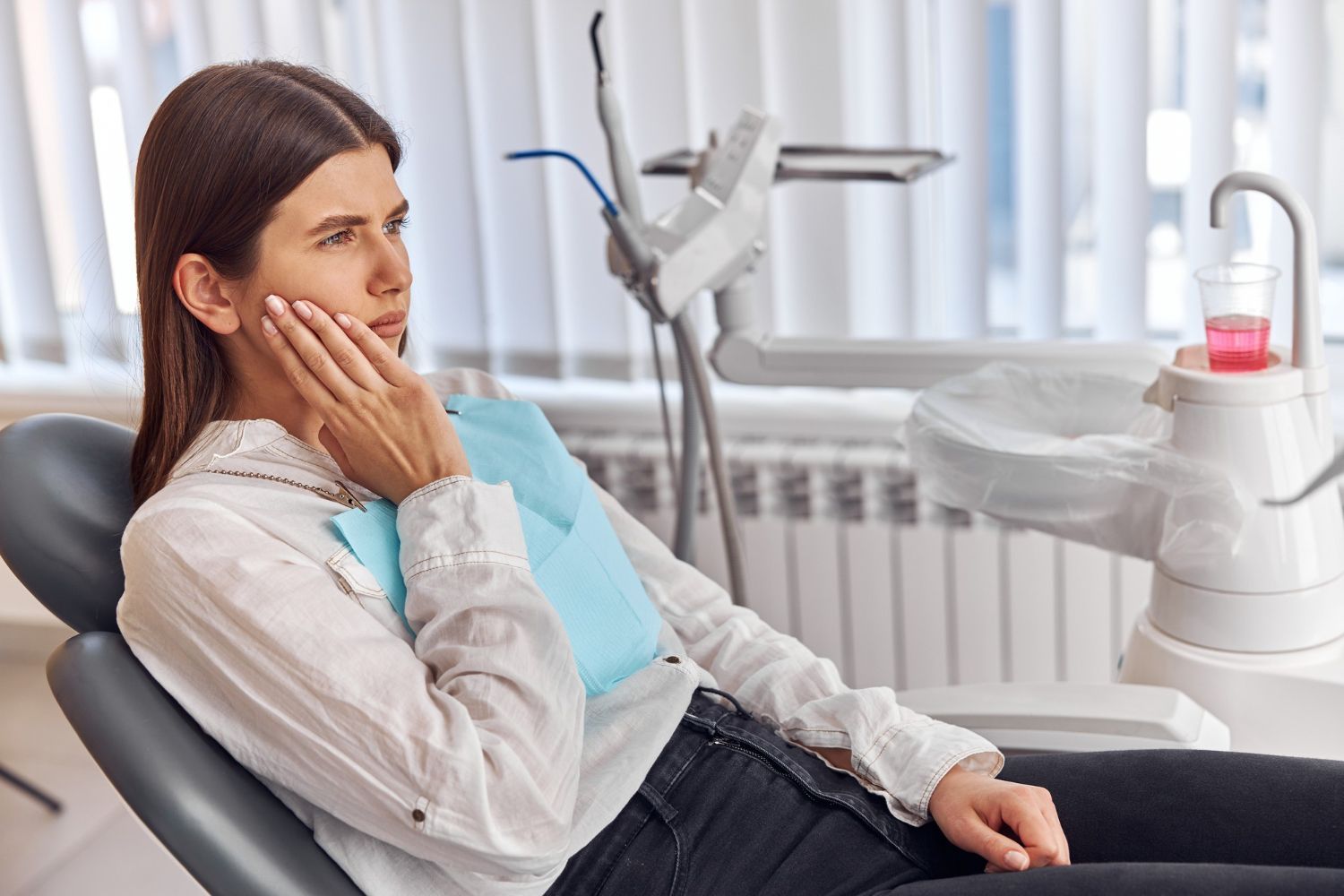
Teeth whitening procedure isn’t for everyone. The techniques and formula involved in the professional teeth-whitening process disqualify some people from being ideal patients. Anyone with root canals, veneers, caps, or infected teeth cannot benefit from this treatment. This is discovered during an examination by a teeth whitening dentist. The exam allows the dentist to know if a patient has exposed roots. The teeth whitening treatment will put patients with exposed roots in severe discomfort. Professional tooth whitening is also not recommended for people with extreme sensitivity.
Professional Teeth Whitening is Better
Today, different products promise to help you whiten your teeth. Some of them are gels, toothpaste, and mouthwashes. However, professional teeth whitening treatment is different from other means of whitening teeth because of the strength of its whitening agent. Many over-the-counter products for whitening teeth have a short application duration and come with about 3% to 10% hydrogen peroxide.
The products for professional teeth whitening, on the other hand, have a longer application time with about 15% to 40% content of hydrogen peroxide. Teeth whitening dentists use more-concentrated whitening agents. You can also expect instant results, between 2 to 8 shades whiter.
Professional Teeth Whitening Is Safer
There are two products used for patients in professional teeth whitening. They are carbamide peroxide and hydrogen peroxide. Teeth whitening toothpaste eliminates surface-level stains by using abrasive ingredients.
The products used by teeth whitening dentists weaken the stain in your teeth on a molecular level. Professional teeth whitening treatment has more chemical concentration than most over-the-counter whitening pens, kits, and strips for teeth.
Your teeth whitening dentist can use a higher hydrogen peroxide percentage because they can isolate the teeth. There is a special rubber dam for protecting the gums of the patients from peroxide because it would burn the gum if it gets there. Professional teeth whitening treatment is also quicker.
Professional Teeth Whitening Procedure
It takes about 60-90 minutes to complete a professional teeth whitening treatment process. The side effect of the treatment is tooth sensitivity, which is why your dentist will recommend desensitizing toothpaste for you to use two weeks before the treatment procedure.
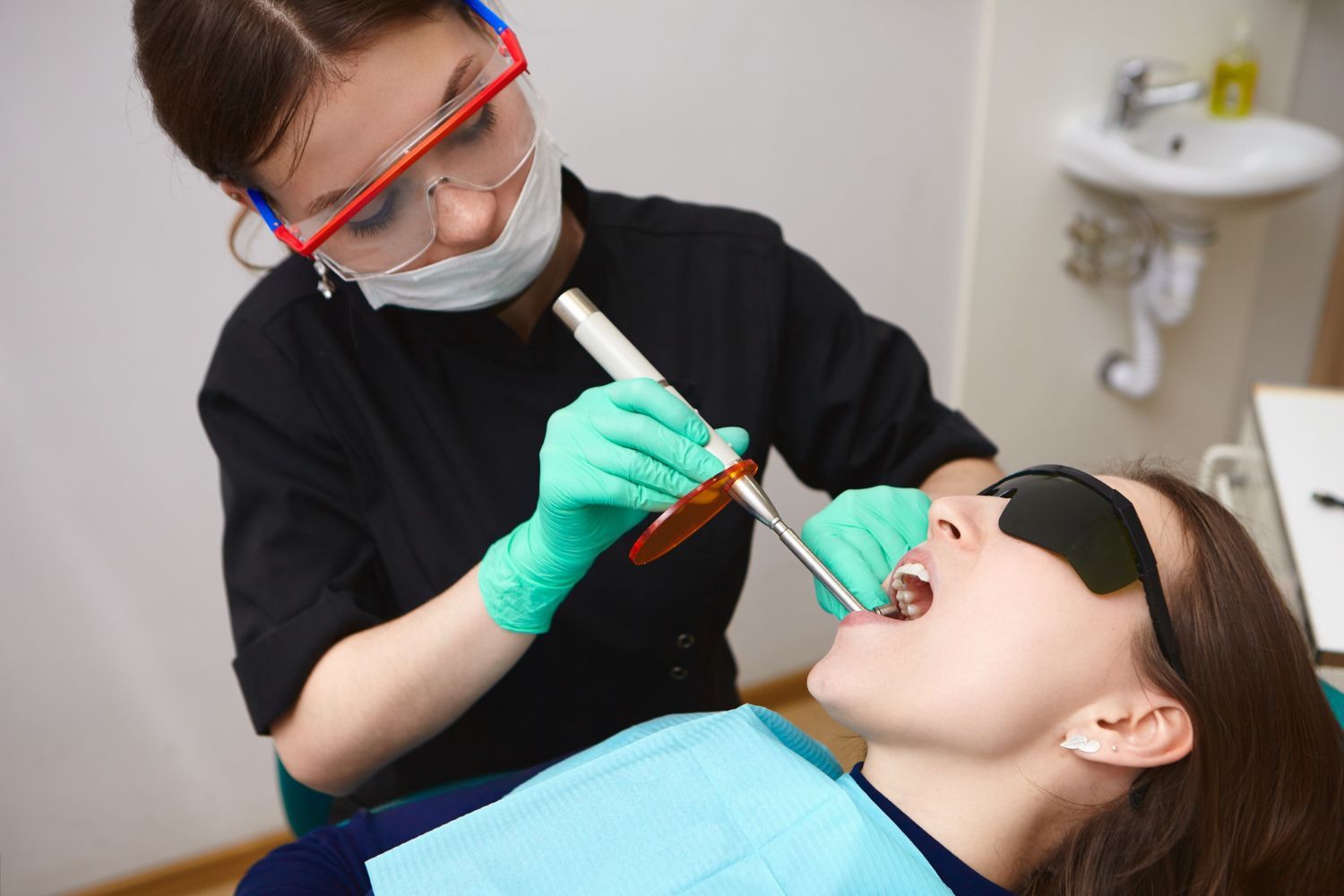
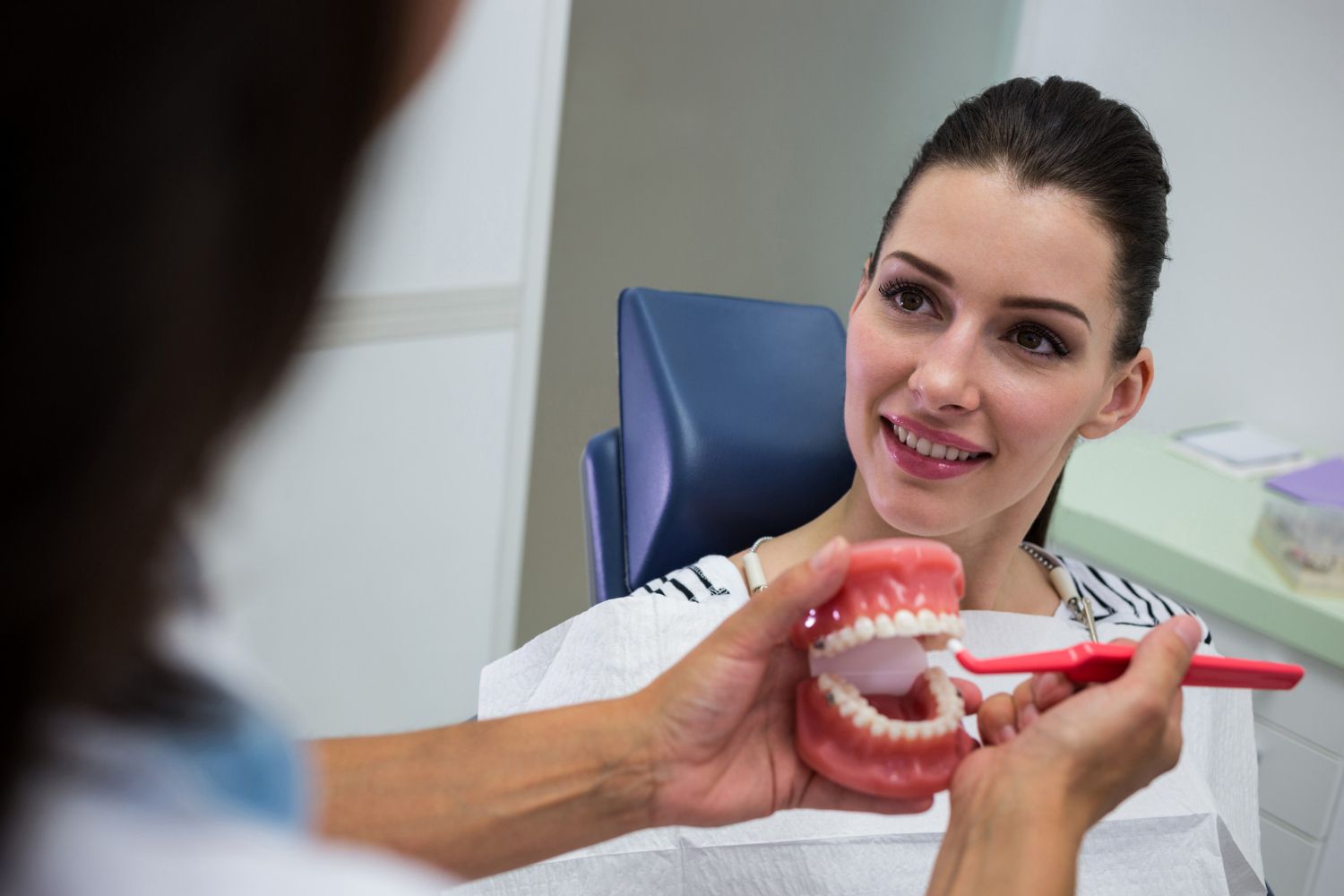
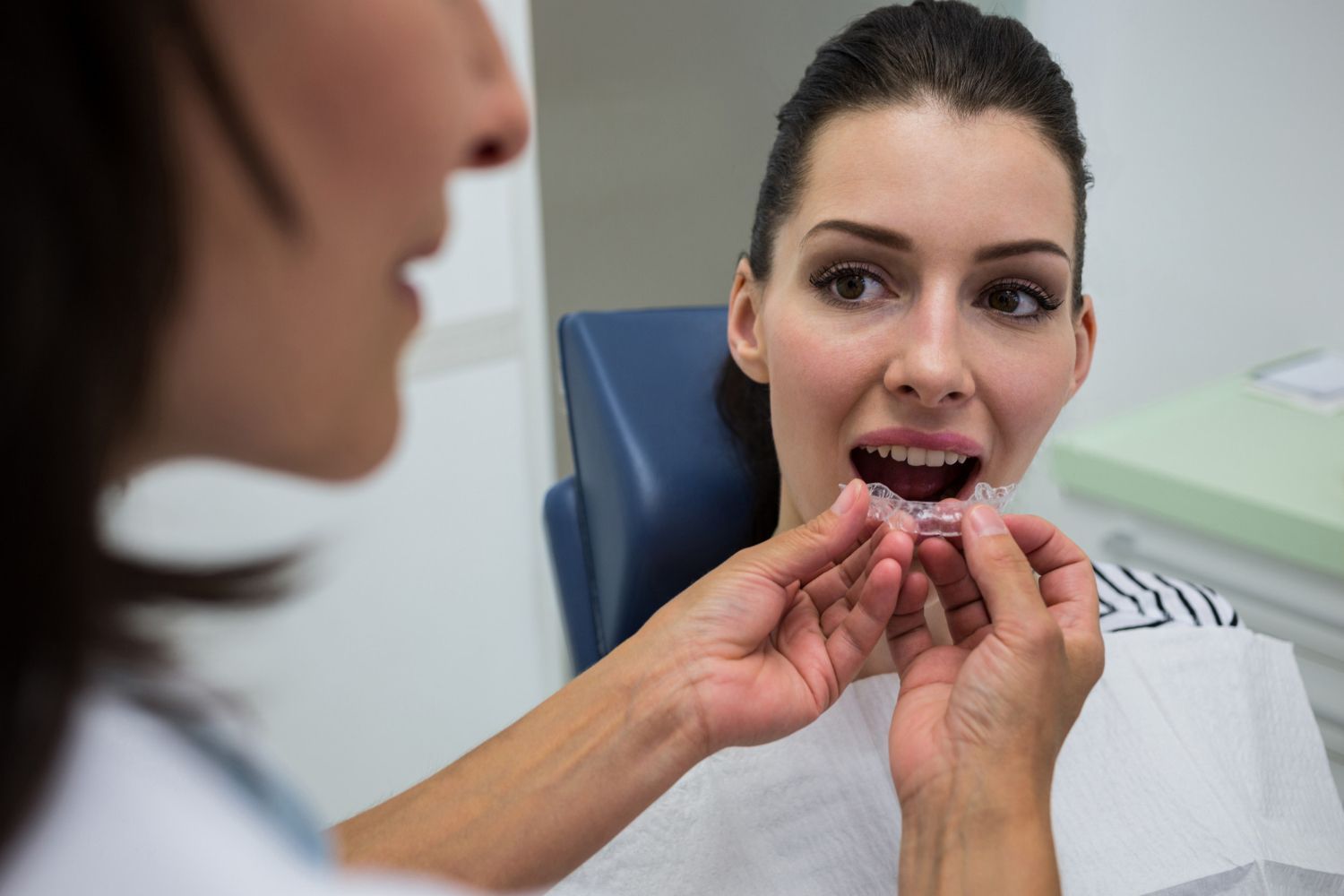
During this procedure, your teeth whitening dentist will first take note of the current shade of your teeth and ask you how white you want your teeth to be. Your dentist will then polish your teeth and prepare your mouth for the procedure. He will also put the gum protection in place and coat your teeth with the whitening solution. After this, the whitening solution will be activated by a laser or curing light. He will leave the solution on your teeth for 30-60 minutes and rinse your teeth. After that, your dentist will apply fluoride.
Teeth Whitening Doesn’t Last Forever
Don’t expect the results from your teeth whitening treatment to be permanent. However, you can still keep your teeth shining bright for years. According to experts, implementing your oral care routine religiously, using over-the-counter products, and avoiding foods with bright colors, red wine, coffee, and soda, can help you maintain your white teeth.
Take Away
If you have sensitive teeth or receding or tender gums, you may be sensitive to the chemicals for teeth whitening. In this case, your dentist will help you develop an oral hygiene routine to improve your gum health to the point where you can get the treatment. If not, you may get professional teeth cleaning instead. If your yellowed tooth is caused by coffee drinking, aging, or smoking, you can be confident that your teeth will respond well to a professional teeth whitening treatment. However, if the discoloration in your teeth is from an injury or medication, your teeth may not respond well to professional whitening.
Conclusion
Professional teeth whitening is one of the most effective and reliable ways to enhance your smile and boost your confidence. Unlike over-the-counter products, professional treatments are performed under expert supervision, ensuring safer procedures and longer-lasting results. Whether you want to remove stains caused by coffee, tea, smoking, or natural discoloration, professional whitening can help restore the brightness of your teeth and give you a healthier-looking smile.
Ready for a brighter smile? Book your teeth whitening consultation with InStyle Dental Care today.