What is a Dental Implant on How Does It Work?
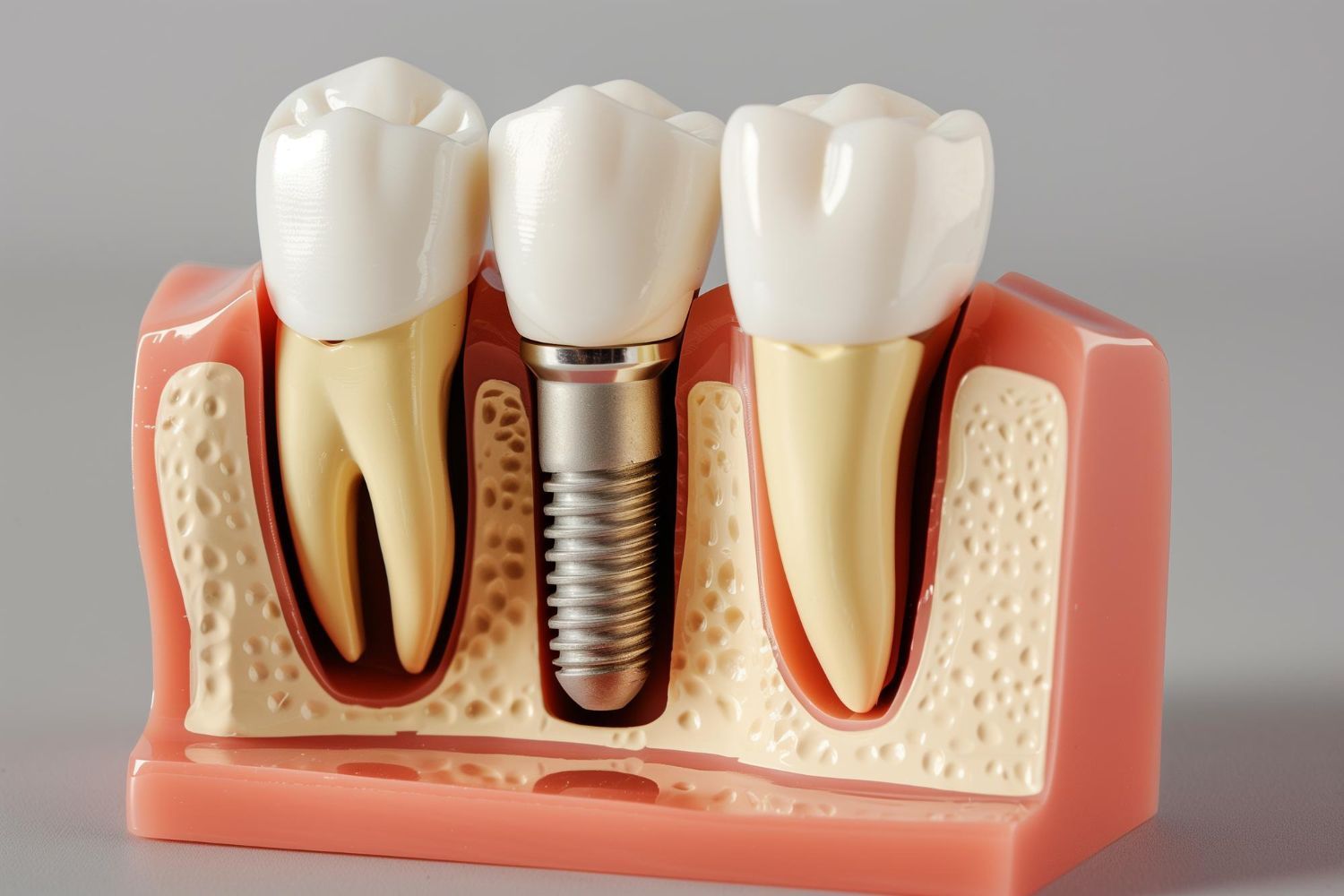
Dental implants have become quite popular as they are the best option for restoring missing teeth. A dental implant is composed of three parts, namely an implant post, which is usually made from titanium that is placed into the underlying jawbone; an implant screw that is affixed to an abutment that extends slightly over your gum line; and the final dental work that will conceal the abutment.
After the implant post is placed into the jawbone, it is left to heal. During this period, the jawbone fuses with the implant and holds it firmly within the jawbone. This process aids in ensuring that the dental implant is sturdy enough to support an artificial tooth. Complete dentures, bridges, and crowns are all supported by dental implants.
Why Should I Choose Dental Implants?
- Maintains bone mass: The sensation generated when you bite down on a tooth travels from the tooth's crown, or the visible portion of the tooth, through the tooth root and then out into the surrounding bone. As a result, the bone is stimulated, continuously replacing any worn-out bone cells. When a natural tooth root is extracted, this ceases to occur, and the jawbone slowly starts to resorb. It is crucial to consider tooth replacement as soon as possible after tooth loss because most of this resorption occurs in the first year after tooth loss.
- Maintains the aesthetic appearance of the teeth: Dental implants may also be more visually pleasing, particularly when only one tooth is being replaced. A reputable implant specialist dentist in NYC can use the best materials to produce stunning new dental implant teeth that seem incredibly realistic. To prevent that sunken-in appearance that can be so prematurely aging in persons who have experienced multiple tooth loss, your dental implant specialist in NYC will ensure that your implant teeth provide proper support for your lips and cheeks.
- Restores normal dental appearance and function: Dental implants make it possible for people with missing teeth to eat and chew normally. Since bone loss frequently reduces the distance between the upper and lower jaws in patients who have lost teeth for a long time, replacing them with implant-supported teeth can also help restore their appearance. Restoring the ideal proportions gives cheeks and lips the proper support, which helps reduce wrinkles.
The Dental Implant Process
The first step in getting dental implants is to schedule a consultation with an implant specialist dentist in NYC. Your dentist will carefully inspect your mouth and ask about your medical history during this initial appointment to decide whether dental implants will benefit you. For the most part, tooth loss can be treated with dental implants, but there are some situations when a different approach would be preferable.
A truly excellent dentist will conduct a thorough examination and only suggest implant therapy if they believe it is appropriate for you. To plan the initial course of therapy, your dentist may need to take x-rays, a CT scan, and sometimes pictures and tooth impressions. This may seem like a lot, but your dentist has to know exactly where to place the dental implants during the actual surgery to achieve the best outcomes and make your recovery faster and more comfortable.
What to Expect During the Dental Implant Procedure
The process of implanting a single dental implant is a relatively simple operation that can be finished in about one hour. Although local anesthesia is frequently sufficient for treatment, your dentist may give you additional sedation if you are anxious.
Your dental implant specialist in NYC will make every effort to make you feel at ease and calm throughout your appointment. The duration of the implant process will be longer if you need several dental implants. It typically takes at least three months for the implants to heal and fuse with the jawbone after they
have been implanted.
Although it is possible to attach new teeth to implants relatively quickly in some cases, your implant dentist will frequently provide a temporary repair that should feel and look natural until your permanent teeth can be made. As the operation site heals, your dentist will provide information on what and what not
to do. It is not uncommon to experience very little discomfort after your implant procedure. If you experience discomfort after the anesthetic wears off, a prescription for pain medication or recommendations for over-the-counter medications can always be given.
Your dentist will place your permanent teeth once your dental implants have completely fused with your jawbone. You can utilize these to bite into food and chew normally because they will look and feel much better than your temporary teeth. For those who previously wore complete dentures, this can be excellent
because the variety of things they can now consume will be considerably greater, making meals much more delightful.
Dental implants should endure for many years if you take the proper care of them, but keeping them clean is crucial. Even if you have lost all of your natural teeth, you should continue to schedule routine examinations and hygiene sessions so your dentist can continue to observe your dental implants and your
general oral health.
Dental implants provide a durable tooth-restorative option for people with missing teeth. Get in touch with InStyle Dental Care today to learn more about dental implants.
Conclusion
Dental implants are a reliable and long-lasting solution for replacing missing teeth. They function like natural tooth roots, providing strong support for replacement teeth while improving appearance and chewing ability. With proper care and guidance from a dental professional, dental implants can restore both oral health and confidence for many years.