How Does Invisalign Work? Clear Aligner Treatment Step by Step
How Does Invisalign Work? Clear Aligner Treatment Step by Step
If you are wondering how Invisalign works, the short answer is that Invisalign uses a planned series of custom, removable clear aligners to apply controlled pressure to specific teeth. Each aligner represents another stage of your treatment, gradually guiding your teeth toward positions mapped in a digital treatment plan. Patients typically wear Invisalign aligners for about 20–22 hours per day and change trays according to their dentist or orthodontist’s instructions. Treatment progress is monitored throughout the process, and a retainer is generally needed afterward to help maintain the final tooth positions.
Invisalign is an orthodontic treatment, not simply a cosmetic tray. It can be used to manage selected cases involving crooked teeth, crowding, spacing, and certain bite problems, but whether it is appropriate depends on the individual case.
Patients in New York who are considering clear aligners can learn more about Invisalign treatment in NYC and arrange an evaluation to determine whether they are a suitable candidate.
How Invisalign Works: The Basic Principle
Invisalign treatment relies on controlled tooth movement.
Instead of brackets and wires, you receive a sequence of clear plastic aligners shaped slightly differently from one another. Each tray is designed to apply gentle pressure to particular teeth so they move incrementally toward the positions planned by the treating dentist or orthodontist.
Think of the process as a series of small steps rather than one large movement.
Your first aligner starts the process. The next tray continues it. Subsequent aligner changes gradually advance your teeth through the planned sequence.
The American Association of Orthodontists explains that clear aligners are custom-formed trays that sequentially apply pressure to move teeth.
This is why wearing each tray consistently matters: the treatment plan assumes that your teeth have progressed sufficiently before you move to the next stage.
Is Invisalign Considered Orthodontics?
Yes. Invisalign is considered orthodontic treatment.
Orthodontics focuses on correcting the position of teeth and addressing alignment and bite relationships. Clear aligners and traditional braces are different appliances, but both can be used to produce orthodontic tooth movement.
So if you are asking “is Invisalign orthodontics?” or “is Invisalign orthodontia?”, the answer is yes.
It should be planned and supervised by an appropriately trained dental professional because moving teeth is a biological process involving the teeth, periodontal tissues, bone, and bite—not simply changing how the smile looks. The AAO specifically emphasizes professional diagnosis and supervision during clear-aligner treatment.
At InStyle Dental, Invisalign forms part of the practice's broader dental services in New York, alongside general, restorative, cosmetic, implant, and other dental care.
Invisalign Treatment Step by Step
Step 1: Consultation and Orthodontic Evaluation
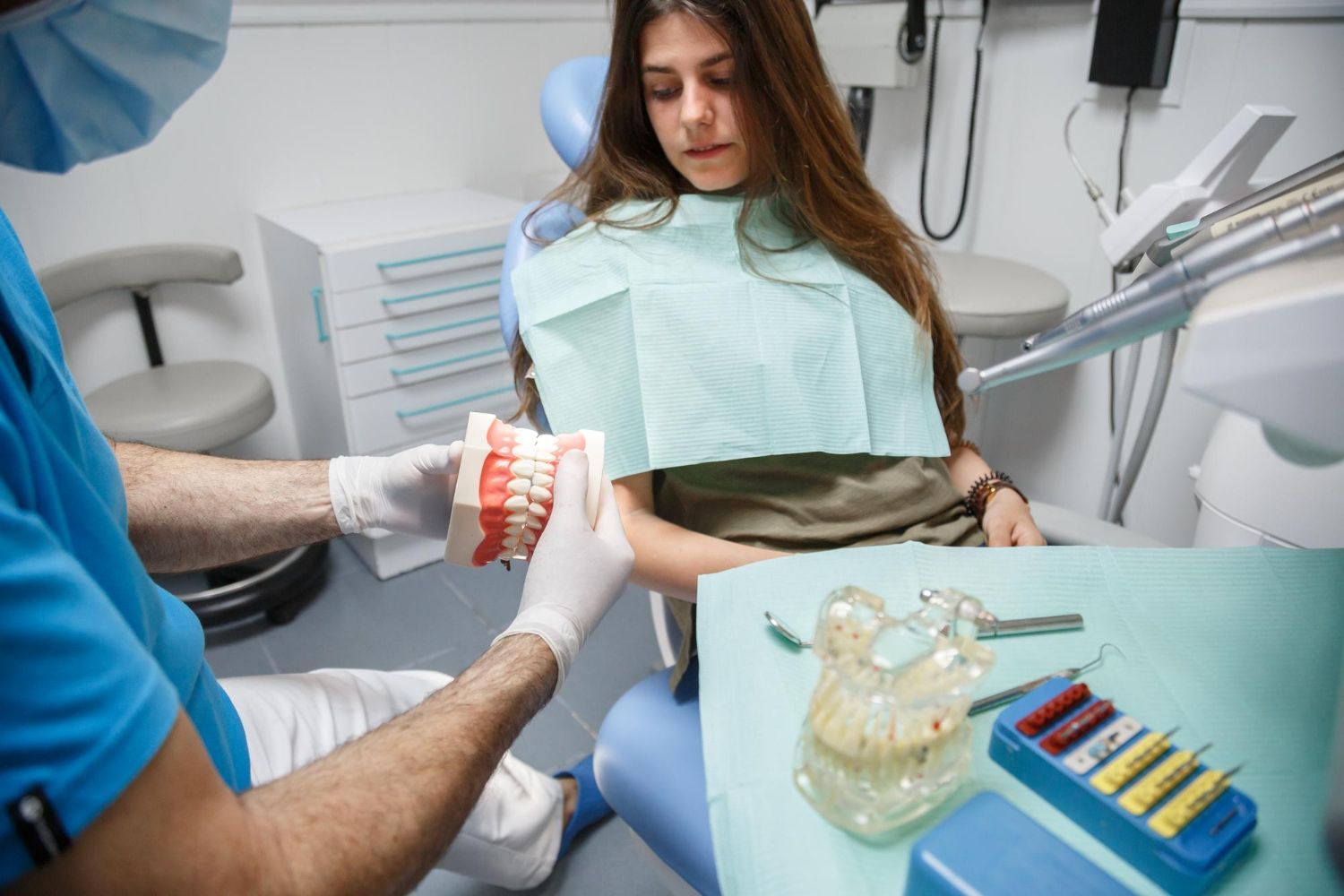
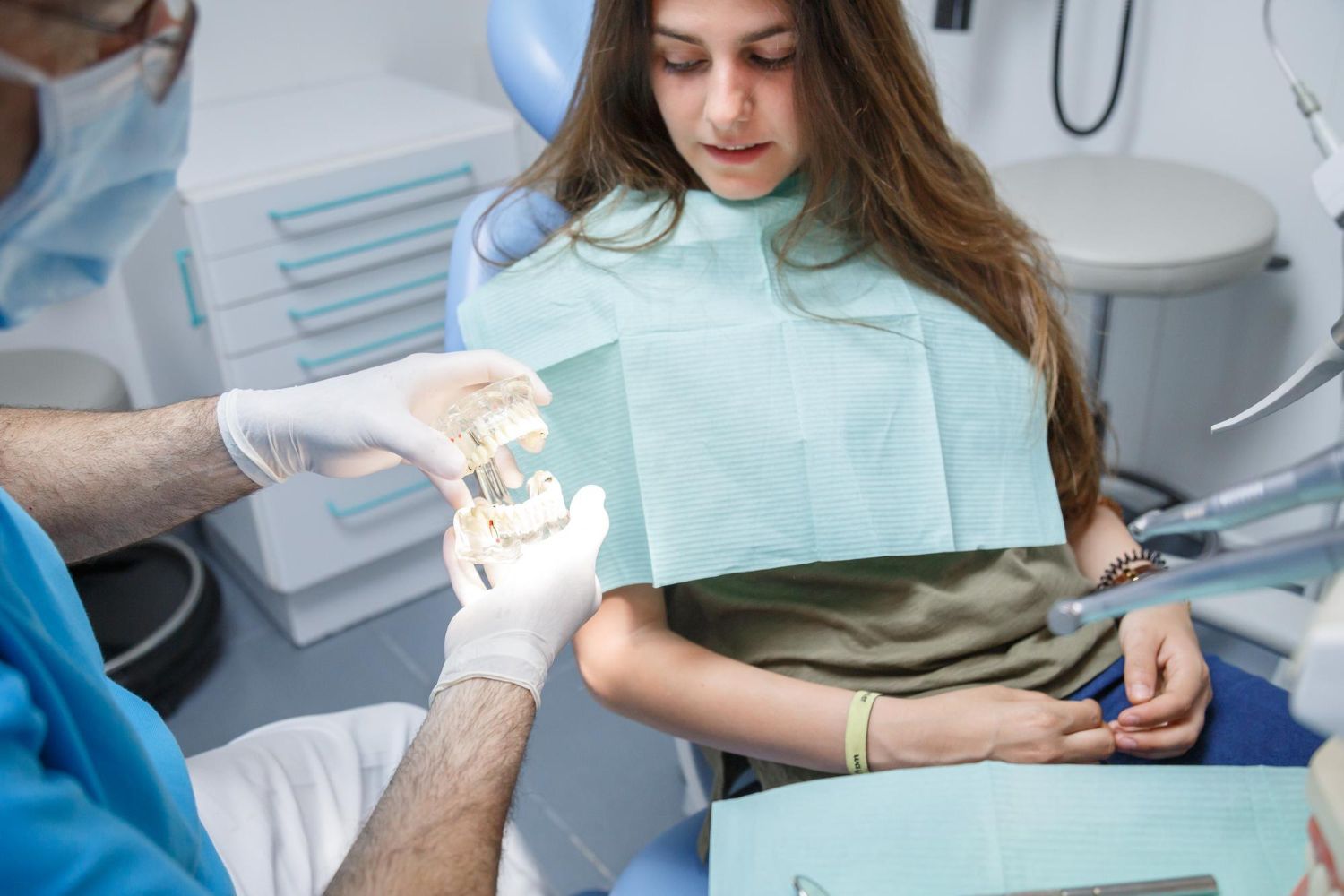
Treatment starts with an examination.
Your dentist evaluates your teeth, gums, bite, alignment, and treatment goals to determine whether clear aligners are clinically appropriate.
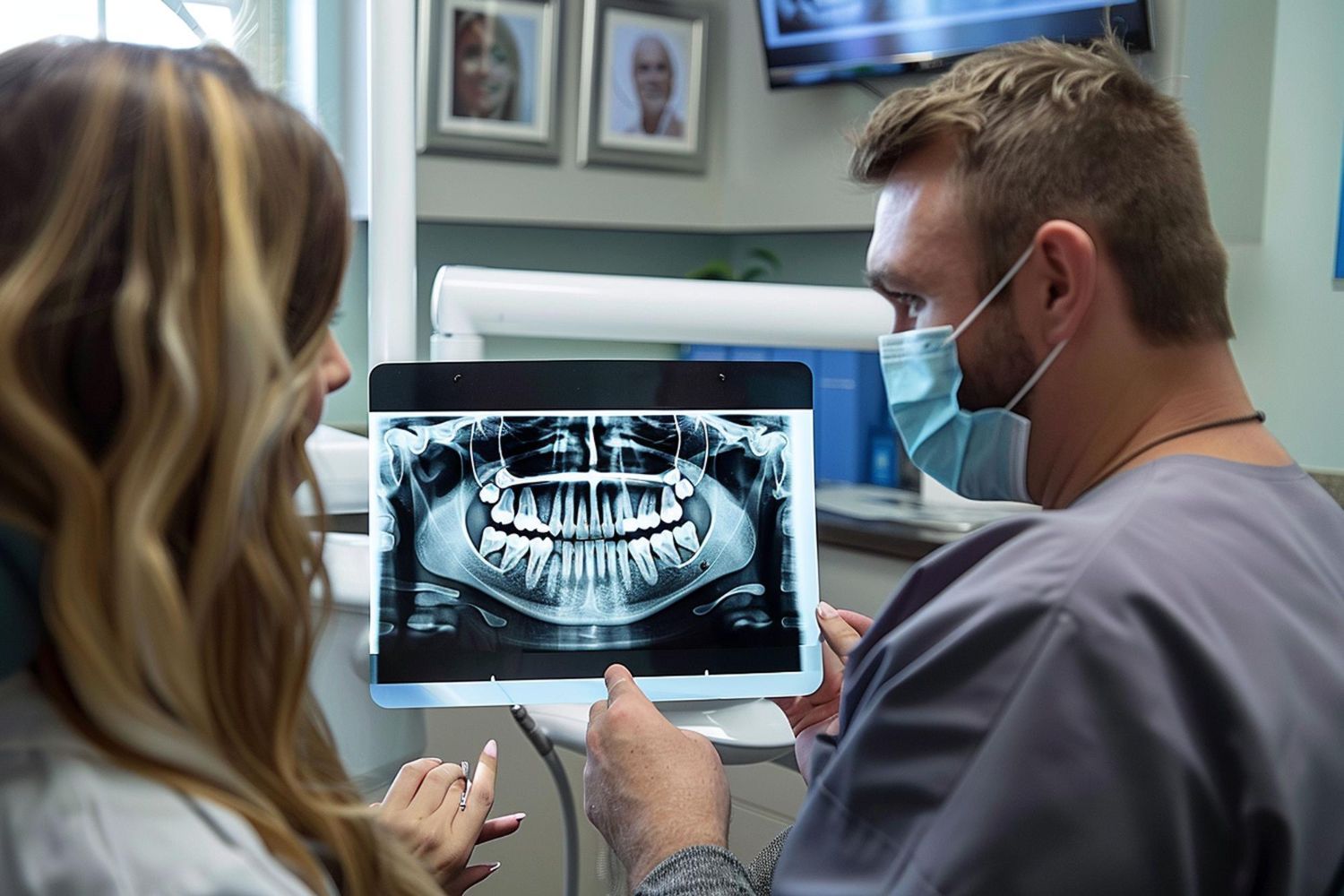
Depending on the case, diagnosis may involve:
- A clinical examination
- Digital scans or impressions
- Photographs
- Dental X-rays when indicated
- Evaluation of crowding and spacing
- Bite assessment
- Oral-health evaluation
The AAO notes that orthodontic diagnosis may use X-rays, photographs, and digital scans before a clear-aligner plan is designed.
This first step matters because not every crooked tooth should automatically be treated with Invisalign.
Active decay, significant gum problems, or other dental concerns may need attention before orthodontic tooth movement begins.
Patients who need broader preventive or restorative care can also review general dentistry in New York City before or alongside an orthodontic consultation.
Step 2: Digital Scan and 3D Treatment Plan
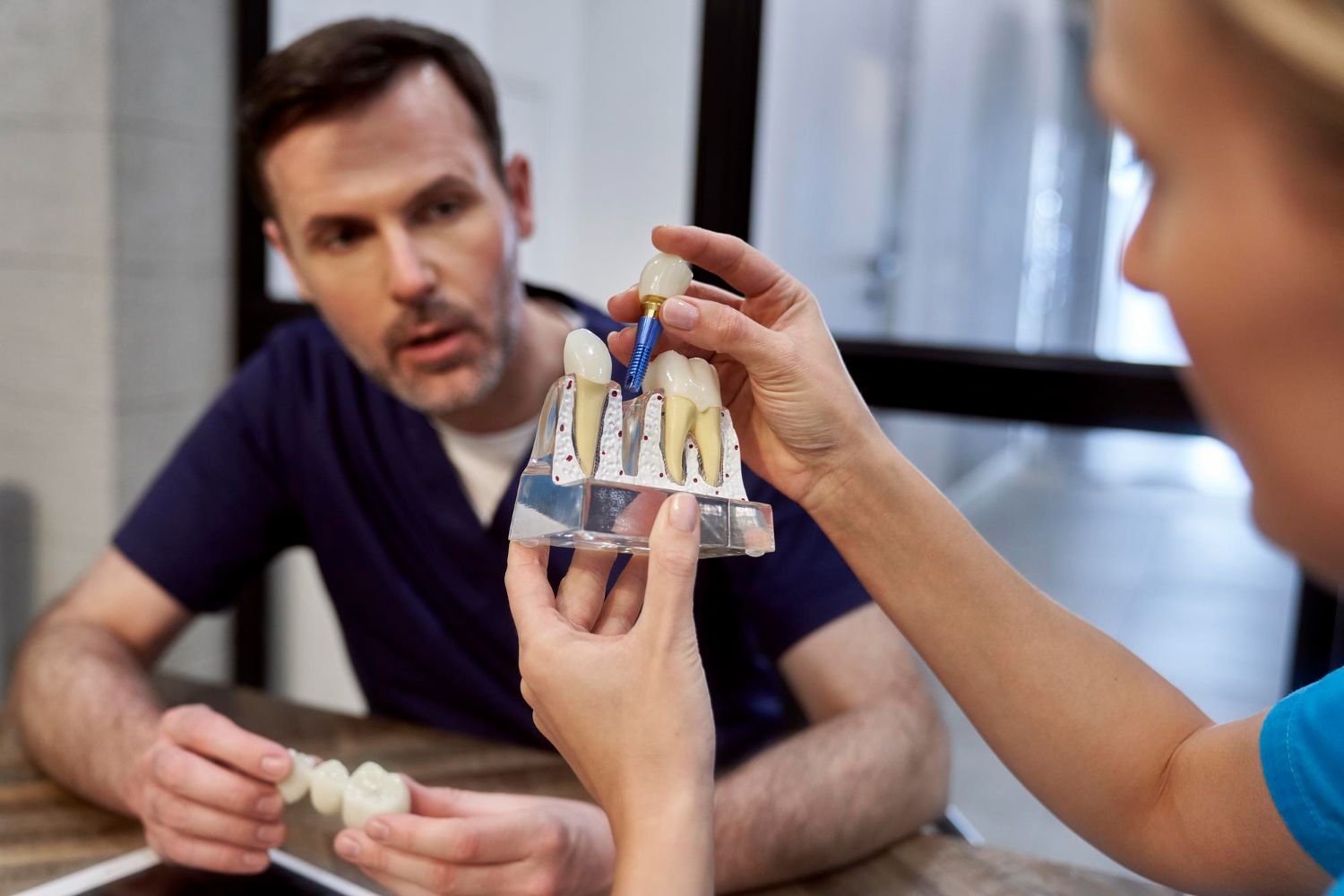
If Invisalign is appropriate, digital records of your teeth are used to create a 3D treatment plan.
Invisalign's treatment system uses digital scanning and ClinCheck software to help the provider map the intended movement of the teeth through the treatment sequence.
The digital plan can help determine:
- Which teeth need to move
- The direction of movement
- The sequence of tooth movement
- Where attachments may be useful
- The approximate number of aligner stages
- The desired final alignment
This technology assists the clinician, but the software itself does not replace professional judgment.
Your dentist or orthodontist still evaluates the treatment plan and determines what is appropriate for your bite and dental health.
Step 3: Your Custom Aligner Trays Are Made
After the treatment plan is finalized, your custom aligner trays are manufactured.
Invisalign aligners are made from the company's proprietary SmartTrack material and are produced to fit the individual treatment plan.
Each tray corresponds to a stage of planned tooth movement.
You do not receive one aligner that moves your teeth from beginning to end. Instead, treatment progresses through a sequence.
This staged approach is central to how Invisalign works.
Step 4: Attachments May Be Added
Some Invisalign cases use small, tooth-colored attachments bonded to selected teeth.
These attachments provide additional surfaces for the aligners to engage, helping produce particular tooth movements.
Invisalign describes SmartForce attachments as small tooth-colored shapes that can give the aligners additional leverage for controlled movement. Not every patient needs them.
Depending on the treatment plan, other techniques may also be required.
This is another reason two people using Invisalign can have very different treatment experiences.
Step 5: You Wear the Aligners Most of the Day
Consistent wear is one of the most important responsibilities of the patient.
Invisalign generally recommends wearing aligners 20–22 hours per day, while the AAO describes clear-aligner treatment as typically requiring at least about 22 hours of daily wear.
Aligners are normally removed for:
- Eating
- Drinking beverages other than water
- Brushing
- Flossing
- Cleaning the trays
Because the aligners are removable, successful treatment depends partly on patient compliance.
If they remain out for long periods, your teeth may not track according to the planned sequence.
Step 6: You Change to New Aligners
As treatment progresses, you switch to another set of aligners according to the schedule provided by your clinician.
The exact interval depends on your treatment plan. Clear-aligner schedules commonly involve switching trays approximately every one to two weeks, although your provider may instruct you differently.
Each new tray continues the planned tooth movement.
You may feel pressure or tightness after an aligner change. Invisalign notes that some patients experience temporary tightness or mild discomfort when a new aligner begins applying pressure.
Significant or persistent pain should be discussed with your dental professional rather than assumed to be normal.
Step 7: Treatment Progress Is Monitored
Invisalign is not simply a set of trays you receive and manage independently.
Periodic appointments allow your provider to assess treatment progress, tray fit, tooth movement, oral health, and whether the teeth are tracking according to the digital plan.
Invisalign's official treatment process specifically includes regular clinical check-ins to monitor progress.
Your treatment may need adjustment if teeth are not moving as expected.
In some cases, additional scans and refinement aligners may be recommended to improve the final result.
Patients who want care close to central Manhattan can also explore InStyle Dental's Midtown NYC dental office, where orthodontic Invisalign is listed among the available services.
Step 8: Retainers Help Maintain the Result
Finishing your last aligner does not mean orthodontic care is necessarily finished.
Teeth can shift after treatment.
For that reason, retainers are generally used after Invisalign and other forms of orthodontic treatment to help maintain the corrected positions. Invisalign's own treatment guidance states that retainers are required after active treatment to help keep teeth straight.
Your dentist will tell you what type of retainer to use and how often to wear it.
Does Invisalign Actually Work?
For appropriately selected cases, yes, Invisalign can work as an orthodontic treatment.
Clear aligners are designed to move teeth through controlled, sequential forces, and they are used clinically for a range of orthodontic problems.
But asking “does Invisalign actually work?” needs a more complete answer.
Its effectiveness depends on several factors:
- Correct diagnosis
- Appropriate case selection
- A well-designed treatment plan
- Consistent aligner wear
- Tooth response to treatment
- Regular monitoring
- Patient cooperation
- Retainer use after treatment
So when someone asks “does Invisalign really work?”, it is more accurate to say that it can be highly useful for suitable cases when treatment is planned professionally and the aligners are worn as directed.
It is not a guaranteed one-size-fits-all solution.
What Problems Can Invisalign Treat?
Clear aligners may be used for selected cases involving:
- Crooked teeth
- Crowded teeth
- Gaps or spacing
- Certain overbites
- Certain underbites
- Crossbites
- Other alignment or bite concerns
However, clear aligners are not automatically the best option for every orthodontic problem. The AAO notes that some, but not all, orthodontic problems can be treated successfully with clear aligners.
Case complexity matters.
More complicated tooth movements or skeletal bite problems may require additional techniques or a different orthodontic approach.
That is why the answer to “is Invisalign good?” should really be: good for whom and for what problem?
A consultation establishes whether the system is appropriate for your specific teeth and bite.
Invisalign vs Traditional Braces: How Is the Process Different?
Both systems aim to create controlled orthodontic tooth movement, but they apply force differently.
Traditional braces use brackets bonded to the teeth and wires that help guide tooth movement.
Invisalign uses removable trays that are changed throughout treatment.
Some practical differences include:
Invisalign aligners
- Clear and relatively discreet
- Removable
- Require disciplined daily wear
- Removed for meals
- Easier access for brushing and flossing
- May not suit every orthodontic problem
Traditional braces
- Fixed to the teeth
- Do not depend on remembering to wear them
- Use brackets and wires
- Can handle a broad range of orthodontic movements
- Require careful cleaning around fixed appliances
Neither option should automatically be considered "better."
The right choice depends on your bite, treatment complexity, lifestyle, preferences, and clinician's recommendation.
How Effective Is Invisalign If You Do Not Wear It Enough?
Treatment effectiveness can decrease when aligners are not worn according to the prescribed schedule.
The planned progression assumes that each tray has enough contact time to produce the intended movement before the next tray is introduced.
If aligners are frequently left out:
- Teeth may not move as planned
- New trays may not fit correctly
- Treatment progress may slow
- Additional refinement may become necessary
- Overall treatment may take longer
This compliance requirement is one of the main differences between removable clear aligners and fixed braces.
Invisalign itself identifies consistent wear as an important limitation of removable aligner therapy.
How Long Does Invisalign Take?
There is no single Invisalign treatment time for everyone.
Treatment length depends on factors such as:
- Severity of crowding or spacing
- Number of teeth requiring movement
- Bite correction
- Type of tooth movement required
- Patient compliance
- Biological response
- Whether refinements are required
Simple alignment cases may require less treatment than complex bite corrections.
Rather than choosing Invisalign because of a generic timeline seen online, ask your provider for an estimate based on your 3D treatment plan.
InStyle Dental states that treatment length and complexity are also factors in determining Invisalign cost.
Who Is a Good Candidate for Invisalign?
A good candidate generally needs an orthodontic problem that can reasonably be treated with clear aligners and must be willing to follow the wear schedule.
Potential candidates may include teens or adults with selected:
- Crooked teeth
- Crowding
- Spacing
- Misalignment
- Bite problems
InStyle Dental identifies mild-to-moderate orthodontic concerns such as crooked, crowded, or misaligned teeth among the situations evaluated for Invisalign treatment.
However, suitability cannot be determined from symptoms alone.
A clinical examination remains necessary.
For additional questions about the practice and available treatment options, patients can review InStyle Dental's frequently asked dental questions, which also addresses Invisalign and clear aligners.
Frequently Asked Questions
How does Invisalign work to move teeth?
Invisalign uses a sequence of custom aligner trays that apply controlled pressure to selected teeth. Each tray advances the teeth slightly toward positions established in the treatment plan. The process continues through sequential aligner changes under professional supervision.
Do Invisalign work for crooked and crowded teeth?
Invisalign can be used for many selected cases involving crooked or crowded teeth, but suitability depends on the severity and type of orthodontic problem. A dentist or orthodontist must evaluate the teeth and bite before recommending treatment.
Is Invisalign considered orthodontics or cosmetic dentistry?
Invisalign is considered orthodontic treatment because it changes tooth position and can address alignment and bite concerns. Improved smile appearance may be a benefit, but the underlying process involves orthodontic tooth movement.
Does Invisalign really work if I only wear it at night?
Invisalign is generally designed to be worn about 20–22 hours each day, not only while sleeping. Wearing the trays substantially less than prescribed can interfere with planned tooth movement and treatment progress.
How effective is Invisalign compared with braces?
Both Invisalign and braces can straighten teeth, but effectiveness depends on the type and complexity of the orthodontic problem. Clear aligners may be appropriate for many patients, while some cases may be better managed with braces or other orthodontic techniques.
Conclusion
Understanding how Invisalign works comes down to three elements: a professionally designed treatment plan, a sequence of custom clear aligners, and consistent patient compliance.
The process begins with an orthodontic assessment and digital planning. Your Invisalign aligners then apply controlled forces to guide tooth movement through a series of stages. Regular check-ins monitor progress, while retainers help maintain the final result once active treatment is complete.
Invisalign can be an effective orthodontic option, but it is not suitable for every patient or every bite problem. The best way to determine whether it fits your needs is through an individualized evaluation.
If you are considering clear aligners in Manhattan, contact InStyle Dental to schedule an Invisalign consultation. The dental team can evaluate your teeth and bite, explain your treatment options, and determine whether Invisalign is appropriate for your smile.