How to Remove Stains From Teeth: Types, Causes and Treatment Options
How to Remove Stains From Teeth: Types, Causes and Treatment Options
If you are wondering how to get rid of stains on teeth, the best treatment depends on what caused the discoloration and whether the stain is on the surface of the enamel or deeper inside the tooth. Surface stains from coffee, tea, tobacco, and certain foods may respond to professional cleaning or whitening, while deeper discoloration may require treatments such as veneers, bonding, or other cosmetic options.
The safest approach is to identify the type of stain first. Aggressive scrubbing or unverified home remedies can damage enamel without fixing the underlying problem.
What Causes Stains on Teeth?
Tooth discoloration can develop for many reasons. Some stains form on the outer surface of the enamel, while others develop within the structure of the tooth.
Common causes include:
- Coffee and tea
- Red wine
- Tobacco use
- Dark-colored foods and drinks
- Plaque and tartar buildup
- Poor oral hygiene
- Certain medications
- Tooth trauma
- Enamel wear
- Natural aging
- Dental restorations that no longer match surrounding teeth
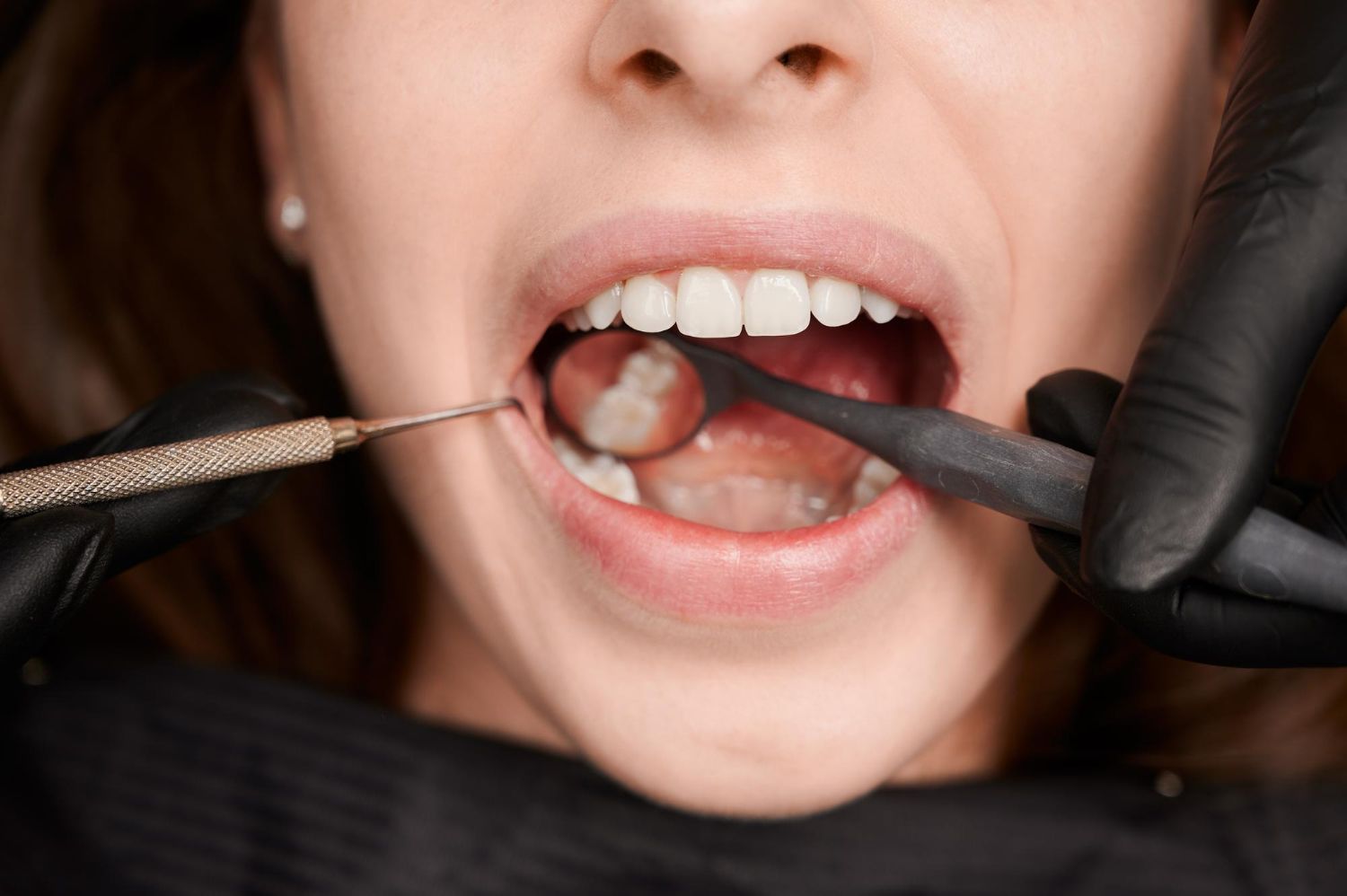
Regular dental cleaning and exams can help identify whether discoloration is caused by surface deposits, decay, enamel changes, or another dental issue.
Different Types of Tooth Stains
Understanding the type of discoloration is important when deciding how to fix stained teeth.
Extrinsic Stains
Extrinsic stains affect the outer surface of the tooth.
They are commonly associated with:
- Coffee
- Tea
- Smoking
- Red wine
- Dark sauces
- Plaque buildup
Because these stains sit mainly on the enamel surface, they are often the easiest type to improve.
Professional dental hygiene in New York can remove plaque, tartar, and some external staining before cosmetic whitening is considered.
Intrinsic Stains
Intrinsic discoloration occurs within the tooth rather than just on its surface.
Potential causes include:
- Tooth trauma
- Certain medications during tooth development
- Excess fluoride exposure during childhood
- Changes within the dental pulp
- Natural changes in dentin
These stains may not respond as well to standard whitening products.
Age-Related Discoloration
Teeth commonly become darker with age because enamel gradually becomes thinner and the underlying dentin becomes more visible.
Years of exposure to coffee, tea, tobacco, and pigmented foods can also contribute.
How to Get Rid of Stains on Teeth Safely
There is no single treatment that works for every type of stain.
The right approach usually depends on the stain's cause, depth, location, and the health of your teeth and gums.
Professional Dental Cleaning
If staining is related to plaque, tartar, or surface buildup, a professional cleaning may significantly improve appearance.
Dental cleaning can remove deposits that regular brushing cannot.
However, cleaning does not chemically change the natural color of the enamel in the same way whitening treatment does.
Professional Teeth Whitening
Professional whitening is one of the most common options for removing or reducing surface discoloration.
Whitening agents such as hydrogen peroxide or carbamide peroxide work by breaking down stain molecules within the tooth structure.
If discoloration is primarily caused by coffee, tea, food, or aging, professional teeth whitening in New York may be appropriate after a dental evaluation.
Whitening results vary based on the type and severity of discoloration.
Dental Veneers
Some stains do not respond adequately to whitening.
In those situations, veneers may be considered.
Dental veneers are thin restorations placed over the visible front surface of teeth. They can improve the appearance of discoloration while also addressing certain concerns related to tooth shape, spacing, or surface irregularities.
Patients with persistent discoloration can discuss whether dental veneers in New York are suitable for their cosmetic goals.
How to Get Stains Off Teeth From Coffee and Tea
Coffee and tea contain pigments that can gradually accumulate on tooth enamel.
Tea also contains tannins, which can contribute to staining.
If you are asking how to remove tea stains from teeth, treatment generally depends on how deeply the discoloration has developed.
Mild staining may improve with:
- Consistent brushing
- Professional cleaning
- Whitening toothpaste
- Professional whitening
For more noticeable discoloration, whitening performed or supervised by a dentist may produce more predictable results.
Reducing how long dark beverages remain in contact with the teeth can also help reduce future staining.
For example:
- Rinse your mouth with water after drinking coffee or tea.
- Avoid slowly sipping dark beverages over many hours.
- Maintain regular brushing and flossing.
- Attend routine professional cleanings.
These habits may also help people wondering how do you remove tea stains from teeth without relying on abrasive home methods.
How to Remove Brown Stains From Teeth
Brown discoloration can have several causes, including tobacco use, coffee, tea, tartar, tooth decay, or changes within the tooth itself.
Because the causes vary significantly, how to remove brown stains from teeth depends on the diagnosis.
For example:
Surface staining: Cleaning or whitening may help.
Tartar buildup: Professional scaling is usually required because hardened tartar cannot be reliably removed through normal brushing.
Tooth decay: Whitening will not repair decay. A restoration such as a filling may be required.
Internal discoloration: Veneers, bonding, crowns, or other cosmetic treatments may be considered depending on the tooth.
If a brown area appears suddenly or affects only one tooth, it is worth having it evaluated rather than assuming it is simply staining. InStyle Dental offers general dentistry for evaluation of tooth discoloration, cavities, sensitivity, and other oral health concerns.
How to Remove Smoking Stains From Teeth
Tobacco can produce yellow or brown staining because nicotine and tar can accumulate on tooth surfaces.
People searching how to remove smoking stains from teeth may benefit from a combination of:
- Professional cleaning
- Improved daily oral hygiene
- Professional whitening when appropriate
- Reducing or stopping tobacco exposure
Some long-standing tobacco stains may be more difficult to remove completely with whitening alone.
A dentist can determine whether the discoloration is superficial or whether another cosmetic treatment would provide a more predictable result.
How to Remove Stains Between Teeth
Staining between teeth can be particularly noticeable because the areas are harder to clean with a toothbrush alone.
If you are wondering how to remove stains between teeth, regular flossing or interdental cleaning is important.
However, dark areas between teeth are not always stains.
They may sometimes represent:
- Plaque or tartar
- Tooth decay
- Old restorations
- Gum recession
- Natural spaces between teeth
For that reason, persistent dark areas between teeth should be examined professionally.
If decay is identified, dental fillings in New York may be recommended rather than whitening.
Can You Remove Stains on Teeth Instantly?
Many people search how to remove stains on teeth instantly, but there is no safe treatment that guarantees every type of tooth stain will disappear immediately.
Professional whitening may produce noticeable improvement during a single appointment, but results depend on the stain.
Surface discoloration generally responds better than deep intrinsic staining.
Be cautious with internet methods involving highly abrasive or acidic substances.
Repeated use of ingredients such as concentrated lemon juice, abrasive powders, or aggressive scrubbing can damage enamel and increase sensitivity.
Once enamel is lost, it does not naturally grow back.
At-Home Whitening vs Professional Whitening
Both approaches can improve certain stains, but they differ in strength, supervision, and predictability.
FactorAt-Home WhiteningProfessional WhiteningStrengthUsually lowerGenerally strongerSpeedGradualOften fasterDental supervisionLimited or noneDentist supervisedCustomizationLimitedBased on dental assessmentBest forMild surface stainsModerate or more noticeable discoloration
Over-the-counter whitening may be reasonable for mild staining when used according to instructions.
Professional treatment becomes more important if you have:
- Significant sensitivity
- Gum disease
- Cavities
- Crowns or veneers
- Severe discoloration
- A single unusually dark tooth
A consultation through cosmetic dentistry can help determine which option best matches the type of discoloration.
Why Teeth Whitening Does Not Work on Every Stain
Whitening primarily affects natural tooth structure.
It generally does not change the color of:
- Crowns
- Veneers
- Bridges
- Tooth-colored fillings
- Other dental restorations
This matters if you have restorations in visible areas.
Whitening natural teeth could create a color difference between the surrounding enamel and existing restorations.
Intrinsic discoloration may also respond differently from common food and beverage stains.
A dentist may therefore recommend cosmetic alternatives when whitening alone cannot produce an even result.
How to Prevent Teeth Stains From Coming Back
Even after cleaning or whitening, staining can gradually return.
To help maintain your results:
- Brush twice daily with fluoride toothpaste.
- Floss or clean between teeth daily.
- Rinse with water after coffee, tea, or red wine.
- Limit frequent tobacco exposure.
- Attend regular professional cleanings.
- Avoid excessive use of abrasive whitening products.
Good oral hygiene also protects against plaque and tartar accumulation, which can make teeth appear darker or less polished.
If stains continue to return despite good hygiene, professional evaluation for stained teeth treatment in New York can help identify the underlying cause.
When Should You See a Dentist for Stained Teeth?
Not every tooth stain is purely cosmetic.
Schedule an examination if discoloration:
- Appears suddenly
- Affects only one tooth
- Is accompanied by tooth pain
- Occurs with sensitivity
- Looks like a dark spot or cavity
- Does not improve with normal hygiene
- Develops after an injury
- Is associated with gum changes
A single dark tooth, for example, may require a different evaluation than widespread yellow staining caused by coffee.
A professional examination helps separate cosmetic staining from dental conditions that require treatment.
Frequently Asked Questions
How do you get rid of stains on teeth?
The best treatment depends on the stain. Surface discoloration may improve with dental cleaning or professional whitening, while deeper intrinsic stains may require veneers, bonding, or another cosmetic treatment.
How do you remove brown stains from teeth?
Brown stains may come from coffee, tobacco, tartar, or decay. Cleaning and whitening can help surface stains, but dark areas caused by cavities or internal tooth changes need dental evaluation.
How do you remove tea stains from teeth?
Mild tea stains may improve with good oral hygiene, regular professional cleaning, and whitening products. More noticeable staining may respond better to professional teeth whitening.
How can you remove stains between teeth?
Daily flossing or interdental cleaning can help prevent buildup between teeth. Persistent dark areas should be examined because they may be tartar, decay, staining, or changes around the gums.
How can you fix stained teeth if whitening does not work?
If whitening cannot adequately improve discoloration, cosmetic options such as bonding, veneers, or crowns may be considered. The best option depends on the cause of the discoloration and the condition of the tooth.
Conclusion
Knowing how to get rid of stains on teeth starts with identifying what type of discoloration you have. Surface stains from coffee, tea, tobacco, and foods may respond well to professional cleaning or whitening, while deeper stains may require a different cosmetic approach.
Avoid aggressive DIY remedies that can damage enamel. If staining is persistent, unusually dark, affects one tooth, or occurs alongside pain or sensitivity, a professional examination is the safest next step.
If you are concerned about staining or want to improve the color of your smile, explore InStyle Dental's teeth whitening in New York or contact InStyle Dental to discuss the most appropriate treatment for your teeth.