What Causes Gum Recession? Common Reasons Your Gums Recede
What Causes Gum Recession? Common Reasons Your Gums Recede
If you have noticed that one or more teeth look longer than they used to, you may be wondering what causes gum recession. Gum recession happens when gum tissue moves away from the tooth, exposing more of the tooth surface or root.
Common causes include gum disease, aggressive brushing, plaque and tartar buildup, smoking, tooth position, grinding or clenching, and trauma to the gums. In some people, naturally thin gum tissue can also make recession more likely.
Gum recession should not be ignored. Exposed tooth roots can become sensitive and more vulnerable to decay, and recession associated with periodontal disease may occur alongside loss of the supporting tissues around the teeth.
If your gums are pulling away from your teeth, an examination can help determine why it is happening and whether treatment is needed. InStyle Dental provides periodontal disease treatment in New York for patients with gum-related concerns.
What Is Gum Recession?
Gum recession, also called gingival recession, occurs when the margin of the gum moves away from its normal position around a tooth.
This can expose part of the tooth root.
You may notice:
- A tooth appearing longer than neighboring teeth
- A visible change in the gumline
- Sensitivity to cold, hot, sweet, or acidic foods
- A notch or change near the gumline
- Spaces appearing between teeth and gums
- Bleeding, redness, or swelling if gum disease is also present
The National Institute of Dental and Craniofacial Research notes that gums affected by periodontal disease can pull away from the teeth, while exposed roots can also become more vulnerable to tooth decay.
For sensitivity caused by exposed roots, patients can also discuss tooth sensitivity treatment in New York. InStyle Dental specifically lists gum recession among potential causes of sensitive teeth.
What Causes Gum Recession?
There is no single cause of every receding gumline. A dentist needs to consider the pattern of recession, gum health, brushing habits, bite, tooth position, and other individual factors.
Here are some of the most common possibilities.
1. Periodontal Disease
Periodontal disease is one of the most important causes to rule out.
Plaque is a sticky bacterial film that continually forms on teeth. When it is not removed adequately, it can harden into tartar. Gum inflammation can progress from gingivitis to periodontitis, which damages the tissues supporting the teeth.
As periodontal disease progresses, gums may pull away from the teeth and periodontal pockets can develop.
Other warning signs can include:
- Bleeding gums
- Swollen or tender gums
- Persistent bad breath
- Loose teeth
- Changes in your bite
- Gum recession
If recession appears alongside these symptoms, a gum disease evaluation and treatment is particularly important.
For patients whose gums bleed regularly, InStyle Dental also offers bleeding gums treatment in New York.
2. Brushing Too Aggressively
Some people asking “why are my gums receding?” are surprised to learn that oral hygiene technique may be part of the problem.
Cleaning your teeth is essential, but harder brushing is not necessarily better.
Repeated aggressive scrubbing can irritate the tissues around the gumline. NIDCR recommends brushing gently with small circular motions rather than scrubbing forcefully back and forth.
A dental professional can show you:
- How much pressure to use
- How to angle your toothbrush
- Which toothbrush type may suit you
- How to clean the gumline without unnecessary trauma
Regular dental cleaning and exams in NYC can also help identify changes in the gums before they become more advanced.
3. Plaque and Tartar Buildup
Another answer to what causes receding gums can be persistent plaque accumulation.
Plaque that remains around the gumline can contribute to inflammation. Once plaque hardens into tartar, brushing and flossing at home cannot remove it; professional cleaning is required.
For patients with healthy or mildly inflamed gums, routine professional cleaning may be sufficient.
When periodontal pockets have developed, deeper treatment such as scaling and root planing may be recommended. The ADA describes scaling and root planing as a deep-cleaning procedure below the gumline used in the treatment of gum disease.
InStyle Dental's professional dental hygiene services include plaque and tartar removal as well as gum disease prevention and root planing where appropriate.
4. Smoking
Smoking is a significant risk factor for periodontal disease.
According to NIDCR, smoking is the most significant identified risk factor for gum disease and can also make periodontal treatment less successful.
Because periodontal breakdown can contribute to recession, tobacco use is an important part of a dentist's assessment when determining what causes a receding gum line.
5. Tooth Position and Thin Gum Tissue
Not every recession case is caused by poor oral hygiene.
Some people naturally have thinner gum tissue. The position of a tooth within the jaw can also affect how much gum and supporting bone surround it.
For example, recession may appear mainly around one tooth rather than throughout the entire mouth.
This is why a single receding area should still be examined rather than assuming that brushing technique or gum disease is automatically responsible.
6. Grinding, Clenching, or Excessive Forces
For some patients, excessive forces on teeth may contribute to problems affecting the tissues around them.
Grinding and clenching can place repeated stress on teeth and their supporting structures. However, recession is often multifactorial, so seeing worn teeth or knowing that you grind does not prove that grinding alone caused the gumline to move.
A dentist can assess your bite, tooth wear, gum tissue, and periodontal health together.
7. Gum Trauma
Physical injury can also affect the gumline.
Possible sources of trauma include repeatedly irritating the same area with an object, oral jewelry, or overly forceful oral-hygiene habits.
The location and shape of the recession can sometimes help a dentist identify a likely mechanical cause.
Does Flossing Cause Gum Recession?
A common concern is: does flossing cause gum recession?
When performed appropriately, flossing is intended to support gum health rather than cause recession.
The ADA states that interdental cleaning helps remove plaque from areas a toothbrush cannot effectively reach and can reduce the likelihood of gum disease and tooth decay.
So can flossing cause gum recession? Normal, careful flossing is not considered a typical cause.
However, repeatedly snapping floss hard into the gum tissue or using an excessively forceful technique can traumatize the gums.
A better technique is to guide the floss gently between the teeth, curve it against the side of the tooth, and clean without forcing it into the tissue.
If your gums bleed when you floss, do not automatically conclude that flossing caused the problem. Persistent bleeding can be a sign of gingival inflammation or gum disease and deserves professional evaluation.
Why Is My Gum Receding Around Only One Tooth?
If you are asking “why is my gum receding?” because the problem affects only one tooth, possible explanations include:
- Localized aggressive brushing
- Tooth position
- Thin gum tissue in that area
- Local periodontal disease
- Plaque or tartar accumulation
- Trauma
- Bite-related factors
A localized problem should not be diagnosed from appearance alone.
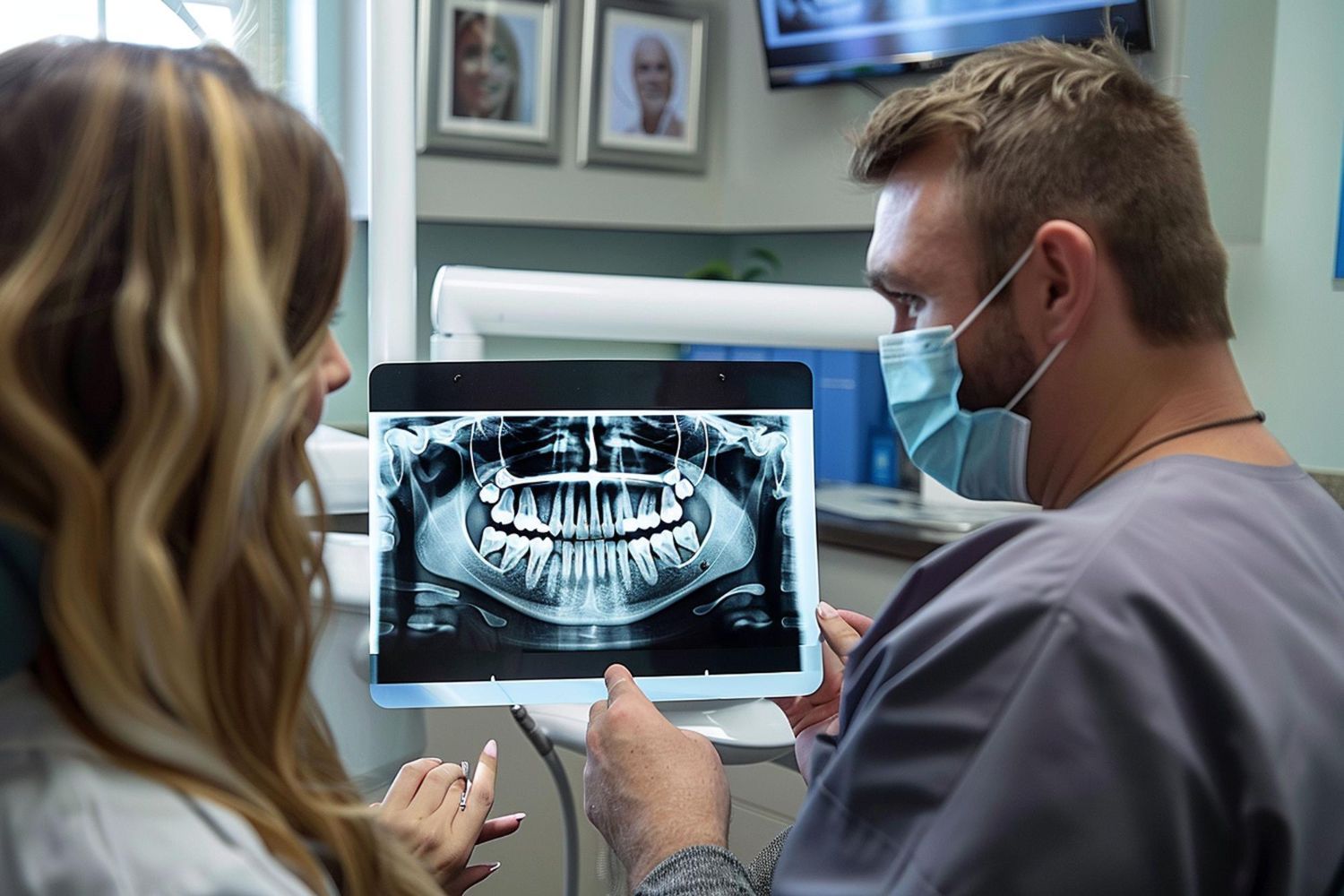
During a dental examination, the dentist may inspect the gumline, measure periodontal pocket depths, assess plaque and tartar, review your brushing habits, and take X-rays when needed to look for supporting bone loss. NIDCR describes periodontal probing and dental X-rays as standard parts of evaluating periodontal disease.
For a broader assessment of your teeth and gums, you can schedule general dentistry care in New York City.
Can Receding Gums Grow Back?
This depends on what you mean by "grow back."
Once significant gum tissue has been lost, it generally should not be assumed that it will simply return to its original position on its own.
Treatment instead focuses on:
- Identifying the cause
- Stopping or controlling further damage
- Managing sensitivity or root exposure
- Considering periodontal procedures when clinically appropriate
For periodontal disease, treatment may range from professional cleaning and improved home care to scaling and root planing or more advanced periodontal procedures, depending on severity.
Where gum or supporting tissue has been significantly lost, the appropriate treatment requires an individual periodontal assessment.
In cases involving loss of supporting bone, dental bone grafting in New York may be relevant for selected patients, depending on the underlying condition and treatment plan.
How Do Dentists Determine What Causes Receding Gum Lines?
The same symptom can have different causes, which is why treatment should follow diagnosis.
A dental assessment may look at:
What the dentist checksWhy it mattersGum recession patternShows whether the problem is localized or widespreadPeriodontal pocket depthHelps assess periodontal diseasePlaque and tartarIdentifies bacterial buildupBone levels on X-raysCan reveal periodontal bone lossTooth positionMay explain localized thin tissueBrushing/flossing techniqueIdentifies possible mechanical traumaSmoking and health historyReveals periodontal risk factorsTooth sensitivityMay indicate exposed root surfaces
This distinction matters because the correct treatment for plaque-related periodontal disease is different from the approach for recession primarily associated with traumatic brushing or anatomy.
How Can You Help Prevent Further Gum Recession?
Not every case of recession is preventable, especially when anatomy or other individual factors are involved.
You can, however, reduce avoidable risks by:
- Brushing twice daily with fluoride toothpaste
- Brushing gently instead of scrubbing aggressively
- Cleaning between your teeth regularly
- Attending routine dental examinations
- Having tartar professionally removed
- Avoiding tobacco
- Seeking treatment for persistent gum inflammation
- Asking a dentist to evaluate grinding, clenching, or bite concerns
- Getting new or progressing recession examined early
NIDCR recommends gentle brushing, regular interdental cleaning, routine professional dental care, and avoiding smoking as important measures for maintaining gum health.
When Should You See a Dentist About Receding Gums?
Arrange an evaluation if:
- Your gumline is visibly changing
- A tooth suddenly looks longer
- Recession is becoming worse
- Your teeth have become sensitive
- Your gums bleed or swell
- You have persistent bad breath
- A tooth feels loose
- You notice recession around several teeth
Recession itself may not always hurt, so waiting for pain can allow an underlying condition to progress unnoticed.
Patients concerned about gum recession can review InStyle Dental's full range of dental services in New York or arrange an examination directly.
Frequently Asked Questions
What causes gum recession most often?
Common contributors include periodontal disease, plaque and tartar accumulation, aggressive brushing, smoking, localized trauma, tooth position, and individual gum anatomy. The cause can differ from one person to another.
Why do gums recede even if I brush every day?
Daily brushing is important, but why gums recede depends on more than brushing frequency. Gum disease, overly aggressive brushing, thin tissue, tooth position, smoking, and other factors may still contribute. A dental examination can identify the likely cause.
What causes receding gum lines around one tooth?
A single area of recession may be associated with localized brushing trauma, tooth position, thin gum tissue, plaque buildup, periodontal disease, or another localized factor. It should be examined if it persists or progresses.
Can flossing cause gum recession if I floss every day?
Proper flossing is intended to remove plaque and support oral health. Regular gentle flossing is not a typical cause of recession. However, repeatedly snapping or forcing floss into the gums may injure the tissue, so technique matters.
Why are my gums receding and my teeth becoming sensitive?
When gum tissue moves away from a tooth, part of the root can become exposed. Root surfaces are more sensitive than enamel-covered crowns, so recession may lead to sensitivity to temperature or certain foods. Gum disease and other causes should be ruled out.
Conclusion
Understanding what causes gum recession starts with recognizing that recession is a symptom, not a diagnosis.
Gum disease is an important cause, but aggressive brushing, plaque buildup, smoking, tooth position, thin gum tissue, trauma, and excessive forces may also play a role. Proper flossing normally supports gum health rather than causing recession.
Because different causes require different approaches, the most useful next step is an examination rather than trying to treat the gumline based on appearance alone.
If you have noticed your gums pulling away from your teeth, increasing sensitivity, bleeding, or a changing gumline, contact InStyle Dental to schedule a gum and periodontal evaluation. A professional assessment can identify the cause and help determine the appropriate next step.