Dental Crown Cost NYC: What Affects the Price and What to Expect
Dental Crown Cost NYC: What Affects the Price and What to Expect
If you are researching dental crown cost NYC, the price can vary significantly depending on the crown material, tooth location, complexity of the case, whether additional treatment is required, and your dental insurance coverage. As a broad reference, dental crowns in the U.S. commonly cost from several hundred dollars to a few thousand dollars per tooth, while New York pricing may trend higher than the national average. CareCredit lists an average porcelain crown cost of about $1,425 in New York State, before insurance or additional procedures.
The most accurate way to know your total is through an exam and treatment plan because the cost of a tooth crown is not determined by the crown alone. X-rays, a core buildup, root canal therapy, temporary restoration, or other procedures may affect the final amount.
At InStyle Dental, patients can receive a personalized evaluation for dental crowns in New York City, where the treatment plan is based on the condition of the tooth, bite, material choice, and long-term restorative needs.
How Much Does a Dental Crown Cost in NYC?
There is no single fixed price for every dental crown in New York City.
For context, recent U.S. consumer cost data places crowns broadly around $800 to $3,000 per tooth without insurance, depending on material, geographic location, and treatment complexity. High-cost metropolitan areas such as New York City can fall toward the upper end of national ranges.
CareCredit's state-level data reports an average cost of approximately $1,425 for a porcelain crown in New York, but this figure should be viewed as a reference point rather than a guaranteed NYC treatment price.
Your actual estimate can depend on:
- Crown material
- Front tooth vs molar
- Amount of remaining healthy tooth
- Whether the tooth needs a buildup
- Whether root canal treatment is needed
- Laboratory and fabrication requirements
- Number of crowns
- Dental insurance benefits
- Dentist and practice location
A consultation is therefore more useful than relying on a single advertised price.
What Is a Dental Crown?
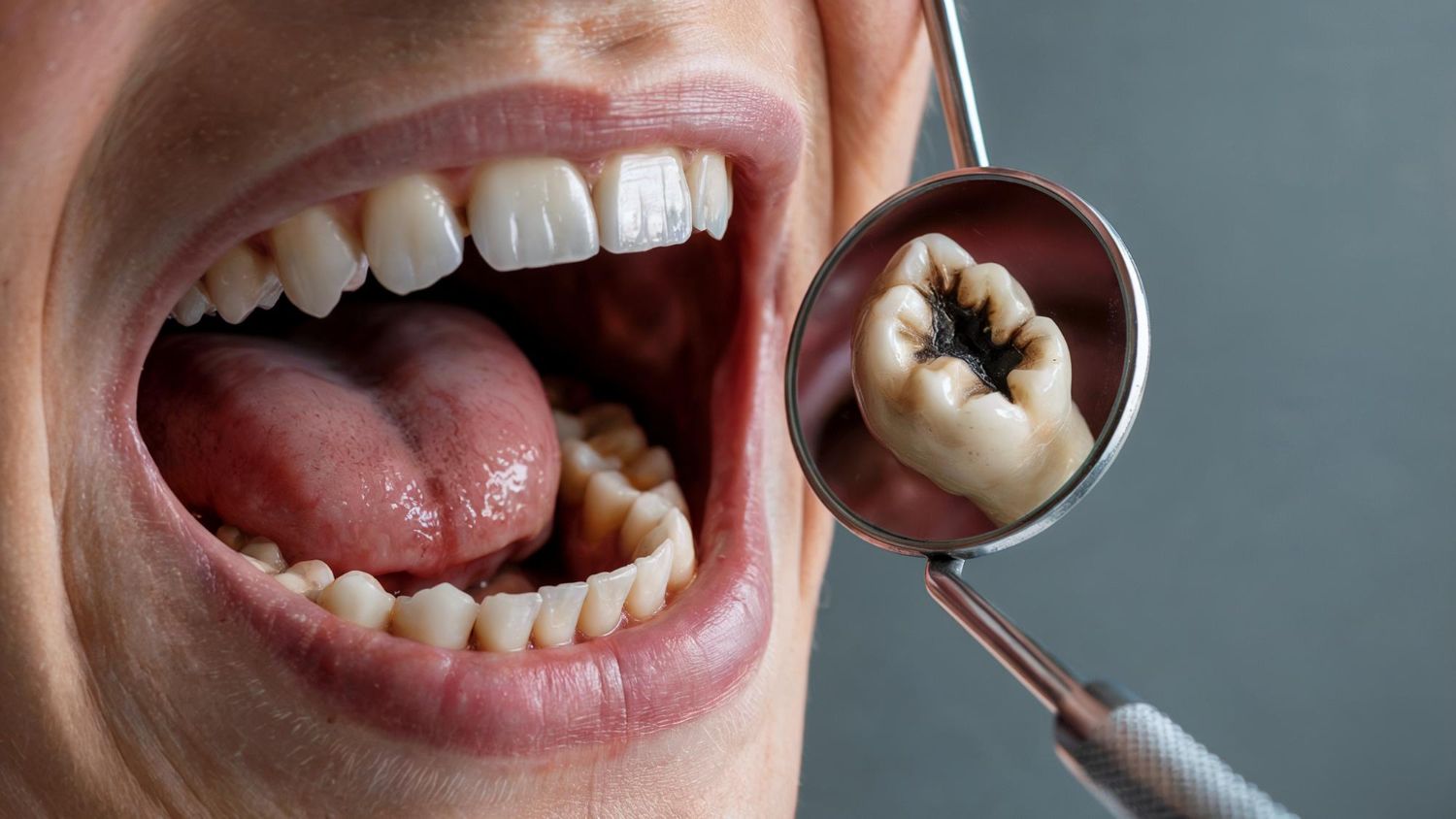
A dental crown is a custom restoration that covers the visible portion of a damaged or weakened tooth.
It may be recommended when the tooth cannot be predictably restored with a filling alone.
Common reasons include:
- Extensive tooth decay
- A cracked or fractured tooth
- A large existing filling
- Significant tooth wear
- Restoring a tooth after root canal therapy
- Supporting a dental bridge
- Improving the shape or appearance of a damaged tooth
InStyle Dental's restorative dentistry in New York City includes crowns alongside fillings, bridges, implants, and other treatments designed to restore damaged or missing teeth.
What Affects Dental Crown Cost in NYC?
The final cost is influenced by both the restoration itself and the condition of the tooth being treated.
1. Crown Material
Material is one of the biggest pricing factors.
Common crown materials include:
- Porcelain or all-ceramic
- Zirconia
- Porcelain fused to metal
- Metal alloys
- Resin-based temporary restorations
Different materials offer different combinations of appearance, strength, translucency, wear resistance, and cost.
The American Dental Association notes that ceramic materials vary considerably in their mechanical properties and clinical indications. Zirconia is widely used for posterior crowns because of its strength, while glass-based ceramics such as lithium disilicate can provide greater translucency for aesthetic applications.
The best material is therefore not automatically the most expensive one.
Your dentist should consider:
- Tooth location
- Bite forces
- Appearance
- Remaining tooth structure
- Grinding or clenching
- Opposing teeth
- Long-term treatment goals
Porcelain Crown vs Zirconia Cost: Why Prices Differ
People comparing porcelain crown vs zirconia cost often expect one material to always be cheaper.
In reality, pricing varies by laboratory, ceramic system, fabrication technique, and individual practice.
Both materials can be used for natural-looking restorations, but their properties differ.
Porcelain and Glass-Ceramic Crowns
These materials are valued for their ability to mimic the translucency and appearance of natural enamel.
They may be particularly useful in visible areas of the smile, depending on the clinical situation.
Zirconia Crowns
Zirconia is a high-strength ceramic that is commonly used for posterior teeth and other areas where durability is important.
According to the ADA, zirconia is extensively used for fixed restorations, particularly posterior crowns and bridges.
The decision should therefore be based on clinical suitability rather than cost alone.
A cheaper crown that is poorly suited to the tooth may not represent better value.
2. Which Tooth Needs the Crown?
Tooth location can influence treatment complexity.
A front tooth places a strong emphasis on shade, shape, and translucency.
A molar must tolerate substantially greater chewing forces.
Posterior crowns may therefore require different materials or design considerations than anterior restorations.
The tooth's position can also affect:
- Preparation complexity
- Moisture control
- Access
- Bite adjustment
- Laboratory requirements
These details can influence the final estimate.
3. How Much Healthy Tooth Structure Remains?
A crown needs a stable foundation.
If much of the natural tooth remains, the restoration may be relatively straightforward.
If the tooth is severely damaged, your dentist may need to rebuild part of the tooth before placing the crown.
This procedure is often referred to as a core buildup.
That additional treatment can increase the total cost beyond the crown fee itself.
This is one reason online estimates should not be interpreted as an all-inclusive quote.
4. Does the Tooth Need a Root Canal?
Some teeth requiring crowns also need root canal therapy.
This may occur when decay or damage reaches the dental pulp, where the tooth's nerves and blood vessels are located.
A root canal and crown are separate procedures, so treatment costs are generally calculated separately.
At InStyle Dental, root canal treatment in NYC is used to remove infected or damaged pulp and preserve the natural tooth. The practice notes that a dental crown may then be used as the final restoration to protect and restore the treated tooth.
If your dentist recommends both procedures, ask for a treatment estimate covering the entire restorative process, rather than only the crown.
Dental Crown Cost Without Insurance
The dental crown cost without insurance means you are responsible for the full negotiated or self-pay fee.
Recent consumer estimates commonly place crowns without insurance between roughly $800 and $3,000 per tooth, although actual prices vary widely.
Without insurance, ask the dental office for a written treatment estimate showing:
- Crown fee
- Examination
- X-rays
- Core buildup, if required
- Temporary crown
- Root canal, if applicable
- Other necessary treatment
Knowing what is included prevents misleading comparisons.
For example, one provider may quote only the laboratory crown, while another estimate may include temporary restoration and related treatment.
The lower headline price is not necessarily the lower final cost.
How Dental Insurance Can Affect the Cost of a Tooth Crown
Many dental insurance plans classify crowns as a major restorative service.
Coverage varies by policy.
Factors may include:
- Deductible
- Coinsurance
- Annual maximum
- Waiting periods
- Frequency limitations
- In-network requirements
- Whether the tooth meets the insurer's clinical criteria
Some plans may pay a percentage of the allowed fee after your deductible is met.
Others may cover very little if you have reached your annual maximum.
InStyle Dental states that its restorative practice works with many major PPO dental plans and can review coverage before treatment.
Do not assume your insurance covers a crown simply because your dentist recommends one.
Ask the office to verify your benefits and provide an estimated patient responsibility.
Why Can Two NYC Dentists Quote Different Crown Prices?
Price differences do not necessarily mean one dentist is overcharging or another is offering a better deal.
A quote can vary based on:
- Crown material
- Dental laboratory
- Digital vs traditional impressions
- Clinical complexity
- Experience of the provider
- Additional procedures included
- Practice location
- Insurance contracts
- Technology used
- Follow-up care
You should compare what is included, not simply the final number.
For instance, one treatment plan might include a core buildup and temporary crown while another quote may not.
A meaningful comparison requires equivalent treatment.
Is a Dental Crown More Expensive Than a Filling?
Usually, yes.
A dental filling repairs a smaller area of damaged tooth structure, whereas a crown covers most or all of the visible tooth and requires custom fabrication.
If decay is small enough, a filling may be sufficient.
If the tooth has lost substantial structure, a crown may provide better protection.
InStyle Dental's dental fillings in New York are used for cavities, minor fractures, and smaller areas of damage. The practice notes that more extensive decay may eventually require treatment such as a crown or root canal.
This is another reason treating decay early can sometimes reduce the complexity and cost of future care.
Is the Cheapest Dental Crown the Best Option?
Not necessarily.
Price is important, but it should be evaluated alongside clinical quality.
Consider:
- Is the recommended material appropriate?
- How much tooth structure is preserved?
- Does the crown fit your bite?
- Is the margin properly sealed?
- Does the crown match surrounding teeth?
- Is the underlying tooth healthy enough to support it?
- What happens if complications arise?
A crown that needs premature replacement can ultimately cost more than a well-planned restoration.
The goal should be appropriate treatment and long-term value, not simply the lowest initial price.
How Long Do Dental Crowns Last?
There is no guaranteed lifespan for a crown.
Longevity depends on:
- Material
- Bite forces
- Oral hygiene
- Tooth condition
- Grinding and clenching
- Diet
- Gum health
- Regular dental care
The ADA reports strong medium- and long-term survival rates for several crown materials, but outcomes vary by restoration type, location, and individual clinical factors.
A crown can still develop problems if:
- Decay forms at the margin
- The crown fractures
- Cement fails
- Gum disease develops
- The underlying tooth becomes compromised
Good oral hygiene and regular examinations remain important after treatment.
When Is a Dental Crown Worth the Cost?
A crown may be worthwhile when it helps preserve a natural tooth that would otherwise remain structurally vulnerable.
Potential benefits include:
- Strengthening a weakened tooth
- Restoring chewing function
- Protecting a root canal-treated tooth
- Rebuilding a fractured tooth
- Improving shape and appearance
- Supporting another restoration
However, a crown is not required for every damaged tooth.
A filling, inlay, onlay, veneer, extraction, or another treatment may sometimes be more appropriate.
A proper clinical diagnosis should determine the treatment—not the procedure a patient happens to search for online.
How to Get an Accurate Dental Crown Cost in NYC
The best way to obtain an accurate price is through a dental examination.
Your dentist may assess:
- Remaining tooth structure
- Decay
- Existing restorations
- Tooth fractures
- Pulp health
- Gum health
- Bite
- X-rays
- Cosmetic considerations
Once the tooth is evaluated, the office can explain:
- Whether you actually need a crown
- Which crown material is appropriate
- Whether additional treatment is necessary
- What your insurance may cover
- Your estimated out-of-pocket cost
This is far more reliable than choosing a dentist based solely on an online price range.
Frequently Asked Questions
How much does a dental crown cost in NYC?
There is no universal NYC price. Recent U.S. estimates commonly place crowns around $800 to $3,000 per tooth without insurance, while CareCredit reports an average porcelain crown cost of about $1,425 in New York State. Actual NYC costs depend on material, treatment complexity, insurance, and additional procedures.
What is the average cost of a tooth crown without insurance?
The cost of a tooth crown without insurance commonly falls within a broad range of approximately $800 to $3,000 per tooth nationally. High-cost metropolitan areas may be toward the upper end of that range.
Is a zirconia crown more expensive than porcelain?
Not always. Porcelain crown vs zirconia cost varies by the type of ceramic, dental laboratory, tooth location, and provider. Both can be premium tooth-colored restorations. The most appropriate material should be selected based on clinical needs rather than price alone.
Does dental crown cost without insurance include a root canal?
Usually not unless the treatment estimate specifically says so. A root canal, core buildup, crown, X-rays, and other services may be billed separately. Always ask for a complete written estimate.
Why does dental crown cost NYC vary so much?
NYC crown pricing varies because treatment is individualized. Crown material, tooth location, complexity, dental laboratory fees, additional restorative procedures, insurance contracts, and provider fees can all influence the total.
Conclusion
Dental crown cost NYC can vary substantially because a crown is a customized dental restoration rather than a standardized product.
A useful budget estimate should consider more than the crown itself. Material choice, remaining tooth structure, root canal treatment, core buildup, insurance coverage, and clinical complexity can all affect the final cost.
National estimates can provide context, but the most accurate answer comes from an examination and individualized treatment plan.
If you have a cracked, weakened, heavily filled, or root canal-treated tooth, contact InStyle Dental to schedule a dental crown consultation in New York City. The team can evaluate the tooth, explain your crown options, review insurance benefits, and provide a personalized estimate before treatment.