Can Cavities Be Reversed? When Remineralization Can Help
Can Cavities Be Reversed? When Remineralization Can Help
Can cavities be reversed? Sometimes—but only at the earliest stage of tooth decay, before a permanent hole forms in the tooth. Early enamel demineralization can often be stopped or reversed through remineralization, which replaces minerals lost from enamel. Saliva and fluoride play important roles in this process. Once decay has broken through the enamel and created a true cavity, however, the damaged tooth structure cannot grow back on its own and usually needs professional dental treatment such as a filling.
Understanding the difference between early tooth decay and an established cavity can help you know when remineralization may be possible and when delaying treatment could allow the problem to become more serious.
Can Cavities Be Reversed? It Depends on the Stage of Tooth Decay
The simple answer is:
Early tooth decay may be reversible. A cavitated tooth is not.
Tooth decay develops gradually rather than appearing overnight. Bacteria within dental plaque metabolize sugars and starches from food and drinks and produce acids. Those acids remove minerals such as calcium and phosphate from tooth enamel—a process called demineralization.
Your mouth also has a natural defense system. Saliva supplies minerals, while fluoride helps strengthen enamel and encourages lost minerals to return.
When mineral replacement keeps pace with mineral loss, enamel can remain healthy. When repeated acid attacks cause mineral loss to exceed repair, early decay develops.
At this early stage, the enamel surface may still be intact, which is why remineralization can sometimes stop or reverse the process.
Once the enamel physically breaks down and a hole develops, the damage is permanent and typically requires a restoration.
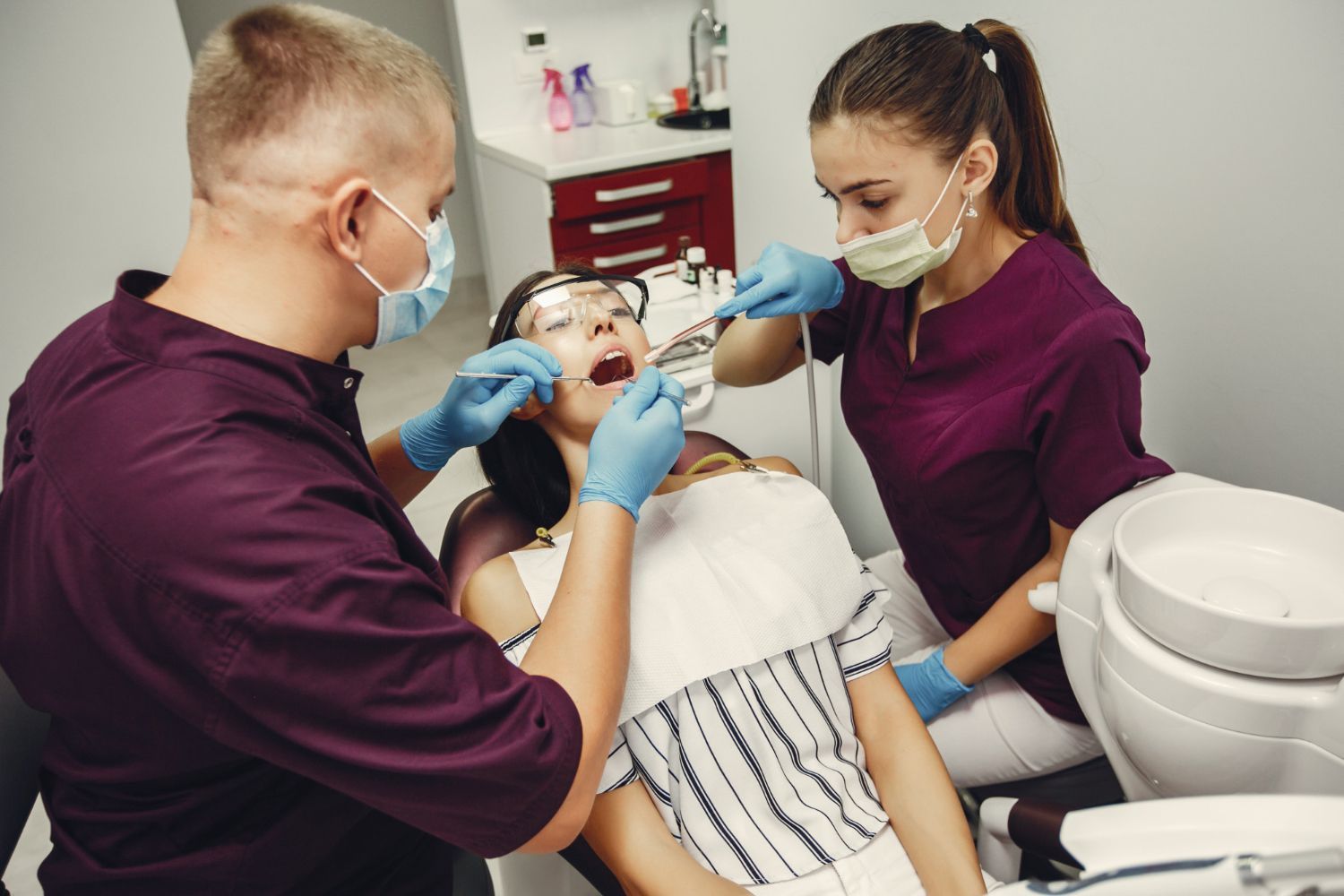
If you are unsure which stage you are dealing with, a dental cleaning and comprehensive exam can help identify early decay before it progresses.
What Does Early Reversible Tooth Decay Look Like?
One of the earliest visible signs of mineral loss can be a white spot lesion on the tooth.
The area may look:
- Chalky or opaque
- Whiter than the surrounding enamel
- Dull rather than shiny
- Slightly rough in some cases
However, early decay does not always produce symptoms or obvious changes that you can see yourself. NIDCR notes that early tooth decay often causes no symptoms, which is one reason routine examinations are valuable.
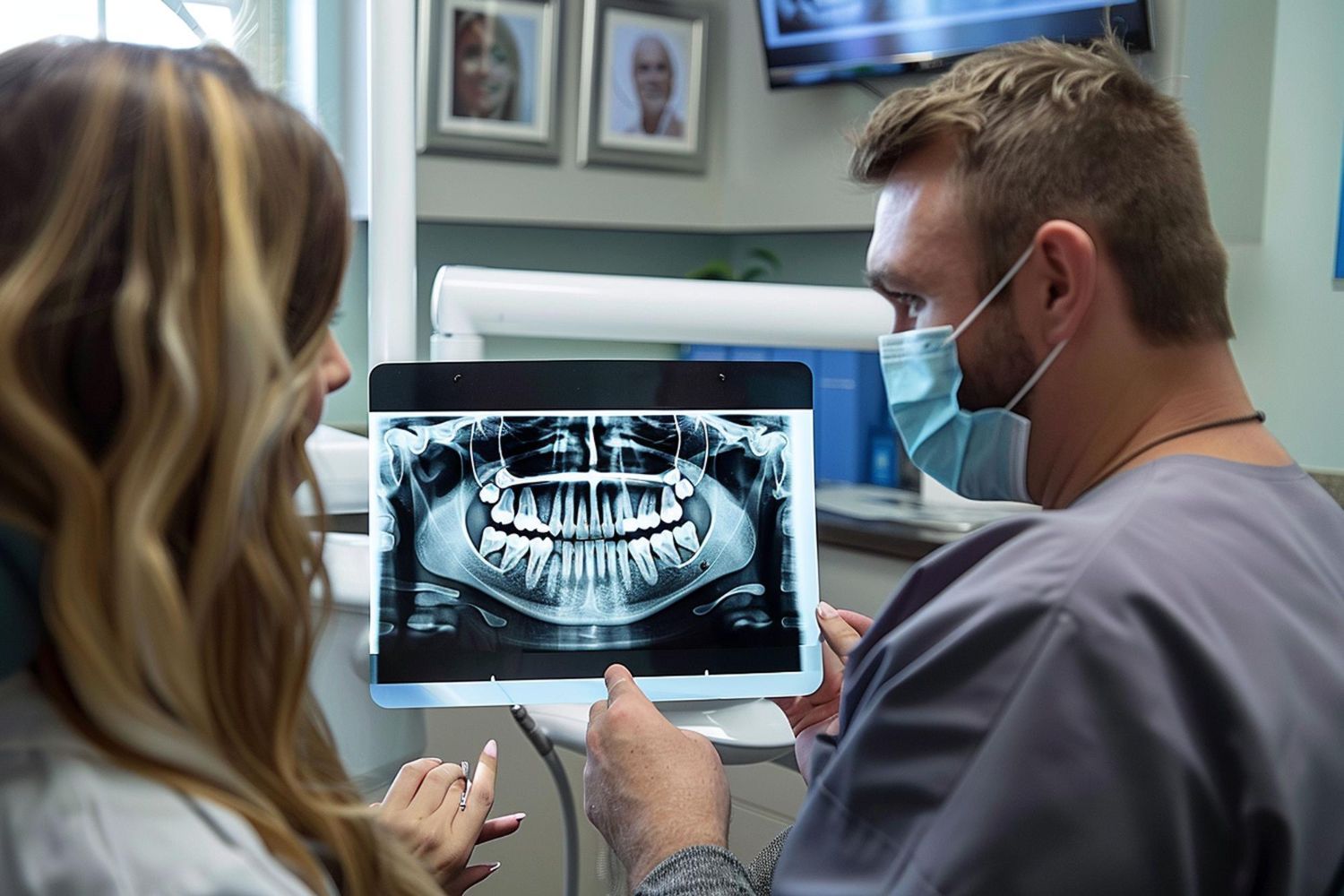
A dentist may identify early decay through a clinical examination and, depending on its location, dental X-rays.
InStyle Dental's general dentistry services in New York City include preventive examinations as well as treatment for common problems such as tooth decay.
Can You Reverse a Cavity Once There Is a Hole?
If by "cavity" you mean an actual hole in the tooth, no—remineralization cannot rebuild the missing tooth structure.
This distinction is important because people often use "cavity" to describe every stage of tooth decay.
An early non-cavitated lesion can sometimes remineralize.
A cavitated lesion has already lost enough enamel structure that the tooth cannot simply regenerate it.
At that point, a dentist commonly removes the decayed tissue and restores the tooth with a filling. NIDCR specifically distinguishes reversible early decay from a permanent cavity that requires repair.
Patients with established decay can learn more about dental fillings for cavities in New York.
How to Reverse a Cavity at the Earliest Stage
If your dentist determines that the decay is still non-cavitated, treatment focuses on shifting the balance from mineral loss toward remineralization.
Use Fluoride Toothpaste Consistently
Fluoride is one of the best-established tools for preventing and reversing early enamel decay.
It helps:
- Reduce mineral loss from enamel
- Encourage remineralization
- Make newly mineralized enamel more resistant to acid
- Reduce the ability of cavity-causing bacteria to produce damaging acids
The ADA notes that fluoride-containing toothpastes can remineralize enamel during the early stages of tooth decay.
Brush twice daily using a fluoride toothpaste unless your dentist gives you different instructions.
For people at increased risk of cavities, a dentist may recommend additional professional fluoride treatment or a different fluoride regimen based on individual needs.
InStyle Dental includes preventive and fluoride-based care within its professional dental cleaning and examination services.
Reduce Frequent Sugar and Starch Exposure
It is not only the total amount of sugar that matters.
How frequently your teeth are exposed to fermentable carbohydrates can also affect the number of acid attacks occurring throughout the day.
Every time plaque bacteria encounter sugars and certain starches, they can produce acids that lower the pH around the tooth and encourage mineral loss.
Practical steps can include:
- Reducing frequent sugary snacks
- Limiting repeated sipping of sugary drinks
- Choosing water between meals
- Avoiding keeping sweet drinks beside you for hours
- Maintaining regular meals rather than constant grazing
This does not mean you must completely eliminate carbohydrates. The goal is to reduce repeated conditions that favor demineralization.
Maintain Effective Plaque Control
Dental plaque provides an environment where cavity-causing bacteria can remain close to the enamel.
A consistent oral hygiene routine should include:
- Brushing twice daily
- Cleaning between the teeth regularly
- Using fluoride toothpaste
- Attending professional cleanings based on your dentist's recommendation
InStyle Dental's dental hygiene services in New York focus on plaque and tartar removal, preventive care, and maintaining long-term oral health.
How to Remineralize Teeth Naturally
People frequently search for how to remineralize teeth naturally or how to naturally remineralize teeth.
Your body does have a natural remineralization mechanism: saliva.
Saliva contains minerals such as calcium and phosphate that can return to enamel after acid-related mineral loss. Fluoride strengthens this process and helps make enamel more resistant to future acid attacks.
Supporting normal remineralization includes:
- Maintaining good oral hygiene
- Drinking adequate water
- Using fluoride toothpaste
- Limiting frequent sugary foods and drinks
- Managing dry mouth with professional guidance
- Having early lesions monitored by a dentist
What you should not assume is that home remedies can regenerate a tooth after an actual cavity has formed.
Claims that oils, supplements, special powders, or dietary changes can regrow missing enamel from a cavitated tooth should be treated cautiously.
Can Teeth Be Remineralized?
Yes. Teeth can remineralize when the enamel surface is still intact and mineral loss is at an early stage.
This process happens naturally throughout the day.
Your teeth continually move between:
Demineralization: minerals leave enamel because of acid exposure.
Remineralization: minerals return to weakened enamel through saliva and fluoride.
The goal of cavity prevention is to keep this balance favorable enough that enamel has opportunities to recover.
This is why the question "can demineralization of teeth be reversed?" has a different answer from "can a physical hole in a tooth grow back?"
Early demineralization: potentially reversible.
Permanent cavitation: requires dental repair.
How Long Does It Take to Remineralize Teeth?
There is no universal number of days or weeks required to remineralize an early lesion.
The speed and success of remineralization depend on factors such as:
- How advanced the lesion is
- Fluoride exposure
- Oral hygiene
- Saliva flow
- Diet and frequency of sugar intake
- Location of the lesion
- Individual cavity risk
Remineralization is better viewed as an ongoing biological process rather than a one-time treatment.
A dentist may monitor an early lesion over time to determine whether it is becoming more stable, improving, or progressing.
This is one reason professional monitoring matters. A lesion that continues to progress may eventually require restorative treatment.
How Do You Reverse Tooth Decay Before It Becomes a Cavity?
For early tooth decay, a practical approach usually combines professional assessment with daily prevention.
Step 1: Confirm the Diagnosis
Do not rely solely on color, pain, or what you can see in a mirror.
Dark spots do not automatically mean active cavities, and early decay may not be visible.
A dentist can determine whether the tooth has:
- Early enamel demineralization
- An established cavity
- Decay between teeth
- Decay extending into dentin
- An old filling that needs attention
- Another condition that resembles decay
Step 2: Address the Cause
If decay is developing because of frequent sugar exposure, poor plaque control, dry mouth, or inadequate fluoride exposure, those risk factors should be addressed.
Step 3: Strengthen the Enamel
Regular fluoride exposure can support remineralization when decay is still at a reversible stage.
Step 4: Monitor the Lesion
A dentist can reassess the area and determine whether conservative management remains appropriate.
Routine preventive dental care can help detect changes before more invasive treatment becomes necessary.
Can Cavities Heal Themselves?
Not in the way a cut in your skin heals.
A true cavity cannot heal itself because part of the tooth's hard structure has already been permanently destroyed.
However, the early disease process before cavitation can sometimes be arrested or reversed.
That is why both statements can sound contradictory:
"Early tooth decay can reverse."
"A cavity cannot grow back."
Both can be correct because they refer to different stages of dental caries.
What Happens If You Try to Reverse a Cavity That Already Needs Treatment?
The main risk is delaying necessary dental care.
Decay can continue through enamel and into dentin, the softer tooth structure beneath the enamel.
If it progresses far enough, bacteria can reach the dental pulp, where nerves and blood vessels are located.
At that point, symptoms may include:
- Persistent toothache
- Sensitivity to hot or cold
- Pain when biting
- Swelling
- Infection
- Dental abscess
Advanced decay may require more than a filling. If the pulp becomes infected, root canal treatment in New York City may be needed to preserve the tooth.
This is why "how to reverse rotting teeth" should not be approached as a home-remedy question. Severe or cavitated decay requires professional diagnosis and treatment.
Remineralization vs Dental Filling: How Do You Know Which You Need?
The key difference is whether the tooth surface is still structurally intact.
Remineralization may be appropriate when:
- Decay is very early
- No physical hole has formed
- The enamel remains intact
- Your dentist believes the lesion can be monitored conservatively
A filling may be required when:
- A cavity has physically formed
- Tooth structure has broken down
- Decay has progressed into deeper tissue
- The lesion cannot predictably be managed through remineralization alone
Dental fillings restore damaged tooth structure; remineralization helps strengthen early weakened enamel.
For patients requiring more extensive reconstruction, restorative dentistry in New York City covers treatments designed to repair damaged teeth and restore function.
When Should You See a Dentist?
Schedule an examination if you notice:
- White, brown, or black spots on a tooth
- Tooth sensitivity
- Pain when eating sweets
- Sensitivity to hot or cold
- A visible hole
- Food repeatedly getting stuck in one area
- Pain when biting
- Persistent toothache
- A broken filling
You should also remember that early cavities may cause no symptoms at all.
Regular dental examinations therefore remain important even when your teeth feel normal.
InStyle Dental offers a range of general, preventive, and restorative dental services for patients in New York City.
Frequently Asked Questions
Can dental cavities be reversed without a filling?
Early, non-cavitated tooth decay may sometimes be stopped or reversed through remineralization. Once a physical cavity has formed, the lost tooth structure does not regenerate and usually needs restorative treatment.
How can you reverse tooth decay naturally?
Natural saliva helps remineralize enamel by supplying minerals such as calcium and phosphate. Good oral hygiene, limiting frequent sugar exposure, maintaining saliva flow, and using fluoride toothpaste can support the process. Home remedies cannot regrow tooth structure that has already been destroyed.
Can teeth remineralize after enamel starts losing minerals?
Yes. Early enamel demineralization can be reversible when the surface remains intact. Fluoride and minerals in saliva can help replace minerals lost during acid attacks.
How long does it take to remineralize teeth?
There is no fixed timeline. It depends on lesion severity, fluoride exposure, oral hygiene, diet, saliva flow, and individual cavity risk. Your dentist may monitor early decay over multiple visits to confirm that it has stopped progressing.
Can you reverse dental decay once it reaches the dentin?
The deeper the decay progresses, the less likely remineralization alone will be sufficient. Decay that has produced structural breakdown or progressed significantly into dentin often requires professional restorative treatment. A dental examination is necessary to determine the correct treatment.
Conclusion
So, can cavities be reversed? Early tooth decay can sometimes be reversed before a permanent cavity forms. Saliva, fluoride, effective plaque control, and reducing frequent acid-producing exposures can help enamel remineralize.
Once a physical hole develops, however, the tooth cannot simply heal or regrow the missing enamel. A filling or another restorative treatment is usually required.
The most important step is determining which stage of decay you actually have.
If you have noticed sensitivity, discoloration, a suspected cavity, or simply want to know whether an early area of decay can still be managed conservatively, contact InStyle Dental to schedule a dental examination in New York City. Early diagnosis gives you the best opportunity to use the least invasive treatment appropriate for your tooth.