How Long Does a Cavity Filling Take? What to Expect at Your Appointment
How Long Does a Cavity Filling Take? What to Expect at Your Appointment
If you're wondering how long does filling a cavity take, a straightforward filling for one tooth often takes around 20 to 60 minutes. A very small cavity may be completed more quickly, while a deeper cavity, multiple fillings, difficult tooth location, or additional anesthesia can make the appointment longer. The actual drilling and filling may take only part of the visit because your dentist also needs time to examine the tooth, numb the area, remove decay, shape the filling, and check your bite.
The best estimate depends on the size and location of your cavity and the type of filling material being used.
How Long Does It Take to Fill a Cavity?
For a single uncomplicated cavity, many patients can expect the treatment itself to fit within a routine dental appointment.
A typical visit may include:
- Examining and confirming the cavity
- Numbing the tooth and surrounding area
- Allowing the local anesthetic to work
- Removing decayed tooth structure
- Cleaning and preparing the area
- Placing the filling material
- Shaping and polishing the restoration
- Checking how your upper and lower teeth meet
Because each tooth is different, there is no exact universal answer to how long does it take to fill a cavity.
A small filling on an easily accessible tooth is usually quicker than a large restoration between teeth or near the gumline.
If you think you may have decay, InStyle Dental's general dentistry services in New York can help determine whether a filling or another treatment is appropriate.
How Long Does a Cavity Filling Take for a Small Cavity?
Patients often ask how long does it take to fill a small cavity.
When decay is limited and the tooth is easy to reach, the procedure may sometimes take around 15 to 30 minutes, although appointment times vary.
A smaller cavity generally requires:
- Less tooth preparation
- Less decay removal
- A smaller amount of filling material
- Less shaping and finishing
However, cavity size is only one factor.
A small cavity located between two teeth may still require more careful preparation than a similarly sized cavity on an easily accessible chewing surface.
That is why your dentist's estimate after examining the tooth is more useful than a general online time range.
What Happens During a Cavity Filling Appointment?
Understanding each stage helps explain why how long to fill a cavity can vary from one patient to another.
1. Examination and Diagnosis
Before placing a filling, the dentist needs to confirm where the decay is and how far it extends.
This may involve:
- A visual examination
- Checking the tooth surface
- Reviewing dental X-rays when appropriate
- Evaluating symptoms such as sensitivity or discomfort
Regular dental cleaning and exams can help identify cavities before they become larger or begin causing more significant symptoms.
2. Numbing the Tooth
Local anesthetic is commonly used when removing decay could cause discomfort.
The injection itself takes only a short time, but the dentist may wait several minutes for the area to become adequately numb before beginning.
This waiting period is one reason the total appointment time is longer than the actual filling procedure.
For very small or superficial areas of decay, anesthesia requirements may differ. Your dentist will determine what is appropriate for your situation.
3. Removing the Decay
The dentist removes damaged or decayed tooth structure while preserving as much healthy tooth structure as reasonably possible.
How long this takes depends on:
- Cavity depth
- Cavity location
- Size of the affected area
- Accessibility of the tooth
- Whether an old filling needs to be removed first
Deeper decay requires more careful treatment because the dental pulp containing the tooth's nerves and blood vessels lies inside the tooth.
4. Preparing and Placing the Filling
Once decay has been removed, the tooth is prepared for the restoration.
With tooth-colored composite fillings, the material is generally placed and shaped carefully before being hardened.
Composite may be applied in layers depending on the size and location of the restoration.
This process helps restore the tooth's:
- Shape
- Function
- Contact with neighboring teeth
- Chewing surface
5. Bite Check and Polishing
After the filling is placed, your dentist checks your bite.
You may be asked to bite on marking paper so the dentist can identify areas where the restoration feels too high.
Minor adjustments can then be made before the filling is polished.
This final stage is important because a filling that interferes with your normal bite can feel uncomfortable when chewing.
How Long Does It Take to Get a Cavity Filled If You Have Multiple Cavities?
If you need more than one filling, expect the appointment to take longer.
However, how long does it take to get cavities filled depends on where the teeth are located.
For example, treating two neighboring teeth may sometimes be more efficient than treating two teeth on opposite sides of the mouth.
Your dentist may recommend:
- Completing several fillings in one appointment
- Dividing treatment across multiple visits
- Treating the deepest or most urgent cavities first
The best approach depends on the amount of treatment needed, your comfort, anesthesia requirements, and the complexity of each restoration.
If you have multiple dental concerns, reviewing InStyle Dental's broader dental services in New York City can help you understand the restorative and preventive options available.
What Factors Affect How Long Getting a Cavity Filled Takes?
Several factors influence how long does getting a cavity filled take.
Size of the Cavity
A small area of decay normally requires less preparation than a large cavity involving several surfaces of the tooth.
Depth of the Decay
A deeper cavity closer to the pulp requires additional care.
If decay has reached or significantly affected the pulp, a simple filling may no longer be the appropriate treatment.
Location of the Tooth
Front teeth are often easier to access than back molars.
Molars also have larger and more complex chewing surfaces, which can make restoration more detailed.
Number of Tooth Surfaces Involved
Dentists often describe fillings according to how many surfaces of a tooth require restoration.
A filling involving one surface is generally simpler than one involving multiple surfaces.
Type of Filling Material
Different restorative materials have different placement techniques.
Tooth-colored composite restorations require controlled placement and curing, while other materials may involve different preparation steps.
Whether an Old Filling Is Being Replaced
Replacing an existing restoration may take longer because the old filling first needs to be removed and the underlying tooth evaluated.
Local Anesthesia
The anesthetic injection itself is quick, but sufficient time needs to be allowed for the area to become numb.
How Long Does It Take to Fill a Tooth With a Deep Cavity?
A deeper cavity generally takes longer than a small, shallow one.
More time may be needed to:
- Remove the decay carefully
- Evaluate the remaining tooth structure
- Protect areas closer to the pulp
- Build up the restoration
- Recreate the natural shape of the tooth
Importantly, not every deep cavity can be treated with a standard filling.
If decay reaches the pulp and causes irreversible inflammation or infection, root canal treatment may need to be considered instead.
That is why early diagnosis is useful. Treating tooth decay before it becomes extensive can often make the procedure simpler.
Does Getting a Cavity Filled Hurt?
With appropriate local anesthesia, the goal is to keep you comfortable while the cavity is being treated.
You may still notice:
- Pressure
- Vibration
- Water spray
- Movement around the tooth
These sensations are different from sharp pain.
If you feel discomfort during treatment, tell your dentist rather than trying to tolerate it silently.
After the appointment, temporary sensitivity can occur, particularly with deeper restorations.
Patients experiencing ongoing sensitivity can learn more about tooth sensitivity treatment in New York.
How Long Does Numbness Last After a Filling?
Although the filling itself may take less than an hour, numbness can last longer than the appointment.
The duration varies depending on:
- Type of local anesthetic
- Amount used
- Injection location
- Individual response
Your lip, cheek, tongue, or surrounding gum may remain numb for some time after you leave the dental office.
Until normal sensation returns, be cautious when eating so you do not accidentally bite your cheek, tongue, or lip.
Children in particular should be monitored carefully after local anesthesia.
Can You Eat Immediately After a Cavity Filling?
This depends partly on the filling material and whether you are still numb.
Modern composite fillings are hardened during treatment, but your dentist may still provide individual instructions based on the restoration.
Even when the filling itself is ready for normal function, eating while your mouth is numb can increase the chance of accidentally biting soft tissues.
It is therefore important to follow the instructions provided at your appointment.
How Do You Know If You Need a Filling?
Not every cavity causes pain.
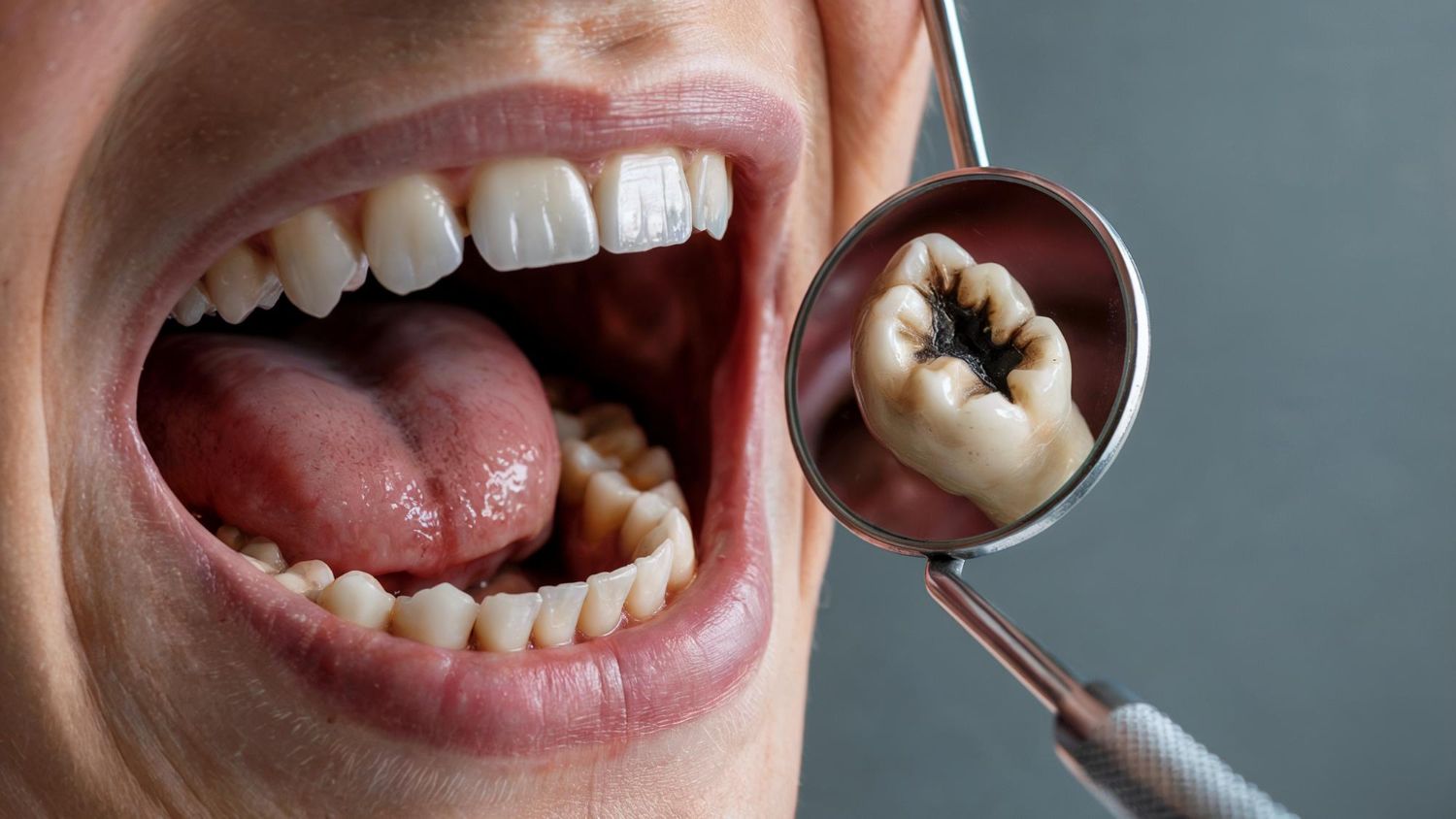
Possible signs of tooth decay include:
- Tooth sensitivity
- Pain when eating something sweet
- Discomfort with hot or cold foods
- A visible dark spot
- A small hole or rough area
- Food repeatedly getting trapped around a tooth
- Pain when biting
However, some cavities are discovered during routine examinations before symptoms appear.
This is one reason preventive dental hygiene care in New York and regular examinations are important.
Filling vs. More Extensive Dental Treatment
One of the reasons patients should not delay evaluation is that the appropriate treatment can change as decay progresses.
Small to Moderate Decay
A dental filling may be sufficient when enough healthy tooth structure remains.
Larger Structural Damage
If a substantial portion of the tooth has been weakened, another type of restoration may be more appropriate.
Decay Affecting the Dental Pulp
If bacteria and inflammation have reached the pulp inside the tooth, a filling alone may not resolve the problem.
The dentist will determine the appropriate treatment based on the condition of the tooth rather than simply filling every visible cavity.
How Can You Make Your Filling Appointment Easier?
A few simple steps can make the visit more straightforward.
Before your appointment:
- Tell your dentist about medications and medical conditions
- Mention previous problems with dental anesthesia
- Ask how long your appointment is expected to take
- Follow any eating instructions provided by the office
- Arrive with enough time to complete paperwork if needed
During treatment:
- Tell your dentist if you feel pain
- Ask for a short break if necessary
- Try to keep your jaw relaxed
After treatment:
- Follow your dentist's eating instructions
- Avoid biting your cheek while numb
- Maintain normal oral hygiene unless instructed otherwise
- Contact the office if your bite feels persistently uneven
Frequently Asked Questions
How long does filling a cavity take for one tooth?
A straightforward single filling often takes approximately 20 to 60 minutes, although a small cavity may take less time and a larger or more complex restoration may take longer.
How long does it take to get a cavity filled if it is small?
A small, easily accessible cavity may sometimes be treated in roughly 15 to 30 minutes. The exact time depends on tooth location, anesthesia, filling material, and how much decay needs to be removed.
How long do cavities take to fill if I have several?
Multiple cavities may require a longer appointment or more than one visit. Your dentist may treat several teeth together when practical or divide treatment based on location and complexity.
How long does a cavity fill take including numbing?
The total appointment often includes several minutes for local anesthesia to take effect. Because of this, the full visit may be noticeably longer than the time spent removing decay and placing the filling itself.
How long does it take to fill in a cavity, and can I return to work afterward?
Many people can resume normal daily activities after a routine filling. However, your mouth may remain numb for a period afterward. Your dentist can advise you if your procedure involves additional treatment or sedation that affects your ability to return to normal activities.
Conclusion
So, how long does a cavity filling take? For one straightforward cavity, approximately 20 to 60 minutes is a reasonable general expectation, while very small cavities may take less time and larger, deeper, or multiple fillings may require longer appointments.
The total time depends on the size and location of the cavity, anesthesia, filling material, and how much tooth structure needs to be restored.
The most important step is not estimating the appointment down to the minute—it is identifying and treating decay before it becomes more extensive.
If you have tooth sensitivity, a suspected cavity, or have been told that you need a filling, contact InStyle Dental to schedule a dental examination in New York City. An examination can determine the extent of the decay, the appropriate restoration, and how much time your specific treatment is likely to require.