What Are Fillings for Teeth? Materials, Procedure and How They Work
What Are Fillings for Teeth? Materials, Procedure and How They Work
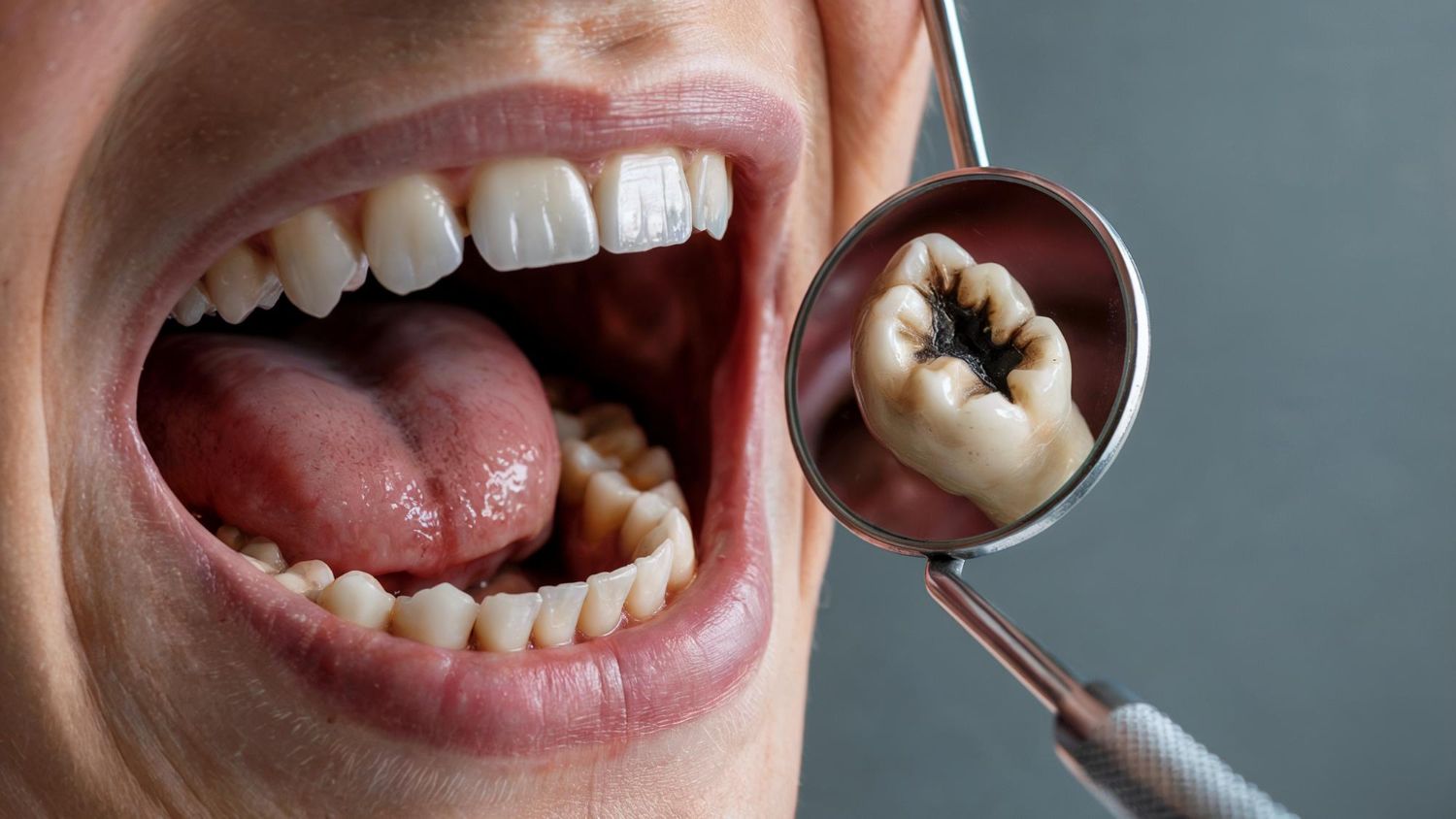
If you are wondering what are fillings for teeth, the simple answer is that dental fillings are materials used to repair a tooth after decay or minor damage has been removed. A dentist cleans out the affected part of the tooth and places a restorative material into the prepared area so the tooth can function normally again.
Fillings are commonly used for cavities, but they may also be recommended for small chips, worn areas, minor fractures, or damaged older restorations. InStyle Dental provides dental fillings in New York City for patients who need cavity repair and other restorative treatment.
What Are Dental Fillings?
A dental filling is a restorative material placed into a prepared area of a tooth after damaged or decayed tissue has been removed.
The goal is to:
- remove active decay
- restore the missing tooth structure
- improve chewing function
- protect the remaining tooth
- reduce the chance of the cavity progressing deeper
A filling does not regenerate lost enamel. Instead, it replaces the portion of the tooth that has been removed because of decay or damage.
This makes fillings different from very early tooth decay, which may sometimes be managed with preventive measures before a physical cavity develops. InStyle Dental's guide to whether cavities can be reversed explains this distinction in more detail.
How Do Fillings Work?
If you are asking how do fillings work, think of the treatment as a repair process.
Once tooth decay creates a physical hole, the damaged area usually cannot rebuild itself into normal enamel. The dentist removes the decayed tissue, prepares the remaining tooth, and replaces the missing portion with a restorative material.
The filling then helps:
- restore the shape of the tooth
- create a usable chewing surface
- close the space left by decay
- protect vulnerable underlying tooth structure
- prevent food and plaque from collecting inside the cavity
How the filling bonds or stays in place depends partly on the material being used.
For example, composite resin is bonded directly to the tooth using adhesive techniques, while some other materials may rely more heavily on the shape of the prepared cavity for retention.
When You Have a Cavity, What Does the Dentist Do?
A common question is: when you have a cavity, what does the dentist do?
Treatment usually begins with an examination.
The dentist assesses:
- where the cavity is located
- how deep it appears
- whether the tooth is painful
- whether the nerve may be affected
- how much healthy tooth structure remains
Dental X-rays may also be used when appropriate, especially for decay between teeth or below areas that are difficult to examine directly.
If the cavity is suitable for a filling, the dentist removes the decayed portion and restores the tooth.
If decay has progressed much deeper, treatment may be different.
For example, a severely damaged tooth might eventually require:
- a larger restoration
- a dental crown
- root canal treatment
- extraction in advanced cases
This is one reason treating tooth decay earlier can reduce the likelihood of more extensive restorative treatment. InStyle Dental includes fillings as part of its broader general dentistry services in NYC.
How Do Dentists Fill Cavities?
The exact procedure varies according to the tooth, cavity size, location, and filling material, but a straightforward cavity filling often follows several steps.
1. The Tooth Is Examined
The dentist confirms the location and extent of decay.
2. The Area May Be Numbed
Local anesthetic may be used to reduce discomfort during treatment.
Not every very small restoration requires the same anesthetic approach, so this can vary.
3. Decay Is Removed
The dentist removes the damaged portion of the tooth while preserving as much healthy structure as reasonably possible.
4. The Area Is Prepared
The remaining surface is cleaned and prepared for the chosen restorative material.
For composite fillings, this usually includes an adhesive bonding process.
5. Filling Material Is Placed
The restorative material is added to rebuild the missing portion of the tooth.
Composite resin is commonly placed in increments and hardened using a curing light.
6. The Filling Is Shaped
The dentist recreates the tooth's natural contours so it fits appropriately with nearby teeth.
7. The Bite Is Checked
You may be asked to bite onto marking paper so the dentist can identify areas that feel too high.
The filling is then adjusted and polished if necessary.
What Are Fillings Made Of?
People asking what are fillings made of or what are tooth fillings made of may encounter several different materials.
Common dental filling materials include:
Filling materialTypical characteristicsAppearanceComposite resinBonds to tooth structure and can be shaped directlyTooth-coloredAmalgamDurable metallic restorative materialSilver-grayGlass ionomerReleases fluoride and may be useful in selected areasTooth-colored to opaqueCeramicStrong, stain-resistant indirect restorationTooth-coloredGoldDurable indirect restorative materialGold-colored
The best material depends on factors such as:
- cavity size
- tooth location
- bite forces
- cosmetic priorities
- remaining tooth structure
- cost
- dentist's clinical recommendation
InStyle Dental specifically describes the use of modern tooth-colored filling materials for restoring cavities and minor dental damage.
What Is a Cavity Filling Made Of?
There is no single material used for every cavity.
So when someone asks what is a cavity filling made of, the answer depends on the restoration selected.
For visible areas, composite resin is often chosen because it can be matched reasonably closely to the surrounding tooth.
Composite usually contains a resin matrix combined with inorganic filler particles such as glass or ceramic-based materials.
Other cavities may be restored with materials such as glass ionomer, amalgam, ceramic, or other dental restorative systems depending on the clinical situation.
The correct material should be selected according to the tooth and treatment need rather than appearance alone.
What Does a Filling Look Like?
What does a filling look like?
That depends largely on the material.
A modern composite filling is usually tooth-colored and shaped to blend into the natural contours of the tooth.
After polishing, it may be difficult to notice casually, particularly when the color match is good.
Metallic fillings are much easier to see because they contrast with natural enamel.
The appearance also depends on where the filling is located.
A filling on the chewing surface of a molar may have grooves recreated in the material, while a filling along the side of a tooth may look relatively smooth.
What Does a Cavity Filling Look Like?
A cavity filling usually replaces the exact area where damaged tooth structure was removed.
A tooth-colored filling might appear:
- white
- cream
- slightly translucent
- similar in shade to surrounding enamel
Dentists also shape the restoration so that the tooth does not simply look like a flat block of filling material.
Contours, contact points, and chewing surfaces matter for function as well as appearance.
A filling between two teeth may be almost invisible from the front even though a substantial restoration exists along the side of the tooth.
How Do They Fill Cavities Between Teeth?
Cavities between teeth are known as interproximal cavities.
They can be harder to see directly, which is why bitewing dental X-rays are often useful for detecting them.
If you are wondering how do they fill cavities between teeth, the general process is similar to other fillings, but the dentist must also recreate the contact point between adjacent teeth.
Treatment may include:
- accessing the decayed area
- removing affected tooth structure
- placing a matrix around the tooth
- inserting the restorative material
- recreating the natural contact with the neighboring tooth
- checking floss access and bite
A properly formed contact point is important.
If the space is too open, food may become trapped. If the contact is excessively tight, flossing may become difficult.
Why Are Tooth-Colored Composite Fillings Common?
Composite resin has become a widely used option because it offers a combination of restoration and aesthetics.
Potential advantages include:
- tooth-colored appearance
- direct bonding to tooth structure
- ability to repair small chips as well as cavities
- relatively conservative preparation in suitable cases
- repairability in some situations
However, composite is not automatically the best choice for every tooth.
Large cavities, heavy bite forces, moisture-control challenges, or extensive tooth loss may require a different restorative approach.
A dentist should evaluate how much healthy tooth remains before deciding whether a filling is sufficient.
Filling vs Crown: What Is the Difference?
A filling repairs a relatively limited area of missing tooth structure.
A dental crown covers much more of the visible tooth and may be recommended when the remaining structure is significantly weakened.
A simplified comparison looks like this:
Filling
- smaller to moderate damage
- directly restores the missing area
- preserves more surrounding tooth structure where appropriate
Crown
- more extensive damage
- surrounds and protects a larger portion of the tooth
- may be considered after large fractures, extensive decay, or certain root canal treatments
There is no exact cavity size at which every tooth automatically switches from a filling to a crown.
The decision depends on tooth location, remaining structure, cracks, bite forces, and other clinical factors.
What Happens If a Cavity Is Not Filled?
Untreated tooth decay can continue progressing.
A cavity initially limited to enamel and dentin may eventually reach deeper areas of the tooth.
Possible consequences include:
- tooth sensitivity
- toothache
- larger loss of tooth structure
- infection
- damage to the dental pulp
- need for root canal treatment
- fracture of the weakened tooth
- eventual tooth loss in severe cases
This does not mean every cavity progresses at the same speed.
However, once a true physical cavity has formed, delaying appropriate treatment generally does not restore the lost tooth structure.
Patients can reduce cavity risk through regular professional dental hygiene and preventive care, including plaque and tartar control and appropriate home care.
How Long Does a Dental Filling Take?
Simple fillings are often completed during a single dental appointment.
The exact time varies depending on:
- number of cavities
- cavity size
- cavity location
- filling material
- whether anesthetic is needed
- accessibility of the tooth
- whether an old restoration must first be removed
A small filling on an easily accessible tooth can usually be treated more quickly than several large cavities between posterior teeth.
InStyle Dental also has a dedicated guide addressing how long a cavity filling takes, which can help patients understand appointment timing in more detail.
Does Getting a Filling Hurt?
Dentists commonly use local anesthetic when treating cavities that could otherwise cause discomfort.
Patients may notice:
- pressure
- vibration
- water
- movement
- temporary numbness
After treatment, some people experience temporary sensitivity to cold, pressure, or biting.
Mild sensitivity can occur while the tooth settles after treatment, but persistent pain, worsening sensitivity, swelling, or a bite that feels unusually high should be discussed with the dentist.
How Long Do Fillings Last?
There is no universal lifespan for a filling.
Longevity depends on factors such as:
- filling material
- size of the restoration
- tooth location
- bite forces
- teeth grinding
- oral hygiene
- diet
- recurrent decay
- regular dental care
A small filling may behave differently from a very large restoration that replaces much of a tooth.
Regular dental examinations allow the dentist to monitor existing restorations for:
- cracks
- wear
- leakage
- recurrent decay
- damaged margins
Fillings are durable restorative treatments, but they should not be considered permanent for every patient.
How Can You Help Protect a Dental Filling?
After treatment, protecting both the filling and the remaining natural tooth is important.
Good habits include:
- brushing twice daily with fluoride toothpaste
- cleaning between teeth each day
- limiting frequent sugary snacks and drinks
- attending routine dental examinations
- having professional cleanings as recommended
- addressing teeth grinding if present
- avoiding using teeth to open packages or bite hard non-food objects
The filling repairs the damaged area, but the rest of the tooth can still develop new decay.
When Is a Filling Not Enough?
A filling may not be the right treatment when too much tooth structure has been lost.
Depending on the diagnosis, the dentist may instead recommend:
- an inlay or onlay
- dental crown
- root canal treatment plus restoration
- extraction when a tooth cannot reasonably be restored
The decision should be based on the condition of the individual tooth rather than simply the presence of decay.
This is why an examination is necessary before deciding what type of restoration is appropriate.
Frequently Asked Questions
What are fillings for teeth used for?
Fillings are used to repair areas of teeth affected by cavities, minor fractures, wear, chips, or damaged existing restorations. The dentist removes the unhealthy portion and replaces the missing structure with restorative material.
What are tooth fillings made of?
Tooth fillings can be made from composite resin, amalgam, glass ionomer, ceramic, gold, or other restorative materials. The appropriate option depends on tooth location, cavity size, function, appearance, and clinical needs.
How do fillings work after a cavity is removed?
A filling replaces tooth structure lost to decay. It restores the shape of the tooth, helps create a functional chewing surface, and seals the prepared area after damaged tissue has been removed.
What does a cavity filling look like?
Tooth-colored composite fillings are designed to resemble surrounding enamel, while amalgam and gold restorations are visibly metallic. Shape and visibility also depend on where the cavity is located.
How do dentists fill cavities between teeth?
Dentists remove the decay and typically use a matrix system to help shape the restoration against the adjacent tooth. The filling is then finished so the contact, bite, and flossing space function properly.
Conclusion
Understanding what are fillings for teeth makes cavity treatment much less confusing. A dental filling is a restorative material used after decay or minor damage has been removed. It rebuilds the missing portion of the tooth and helps restore normal function.
Fillings may be made from composite resin, amalgam, glass ionomer, ceramic, or other materials, with the right option depending on the tooth and the extent of damage.
If you think you have a cavity, have a damaged filling, or are experiencing tooth sensitivity, an examination can determine whether a filling or another form of treatment is appropriate.
For an evaluation, schedule an appointment for dental fillings in New York City with InStyle Dental. InStyle Dental provides general and restorative dental care from its Midtown Manhattan practice.