What Is a Crossbite? Causes, Treatment Options and Can Invisalign Help?
What Is a Crossbite? Causes, Treatment Options and Can Invisalign Help?
What is a crossbite? A crossbite is a type of dental misalignment in which one or more upper teeth bite inside the lower teeth instead of slightly outside them. It can affect the front teeth, back teeth, or one side of the mouth. Depending on the cause and severity, treatment may involve clear aligners such as Invisalign, braces, expansion, bite correction, or other orthodontic approaches.
At InStyle Dental, patients with bite and alignment concerns can be evaluated for Invisalign treatment in NYC and other appropriate orthodontic options. Clear aligners can help with certain crossbites, but they are not the right choice for every case.
What Is a Crossbite in Dentistry?
In dentistry, a crossbite describes an abnormal relationship between the upper and lower teeth when the jaws close.
Normally, the upper teeth sit slightly outside the lower teeth. In a crossbite, one or more upper teeth bite to the inside of the lower teeth.
A crossbite may involve:
- one tooth
- several teeth
- one side of the mouth
- both sides
- front teeth
- back teeth
It is considered a type of malocclusion, meaning the upper and lower teeth do not meet in the expected position.
If you are asking what is a cross bite, what is crossbite, or what's a crossbite, all of these refer to the same general bite problem.
What Are the Main Types of Crossbite?
Crossbites are commonly grouped by where they occur.
Anterior Crossbite
An anterior crossbite affects the front teeth.
One or more upper front teeth sit behind the lower front teeth when biting.
This may sometimes resemble an underbite, but the two are not always the same. An anterior crossbite can involve individual tooth position, while a true skeletal underbite may involve the relationship between the upper and lower jaws.
Posterior Crossbite
A posterior crossbite affects the premolars or molars.
The upper back teeth sit too far inside the lower back teeth.
It may occur:
- on one side only
- on both sides
- because of tooth position
- because of jaw-width differences
The exact pattern matters because treatment is based on the underlying cause, not simply the visible appearance.
What Causes a Crossbite?
A crossbite can develop for several reasons.
Common contributing factors include:
- inherited jaw size or shape
- narrow upper jaw
- crowded teeth
- abnormal tooth eruption
- retained baby teeth
- early loss of primary teeth
- thumb sucking or prolonged oral habits during childhood
- tooth position
- differences in upper and lower jaw development
- previous dental changes or tooth loss
Some crossbites are mainly dental, meaning individual teeth are positioned incorrectly.
Others are more skeletal, meaning the jaw relationship contributes to the bite problem.
That distinction is important because a mild dental crossbite may respond well to tooth movement, while a significant skeletal discrepancy may require a different treatment strategy.
How Do You Know If You Have a Crossbite?
Some crossbites are easy to notice, while others are identified during a dental or orthodontic examination.
Possible signs include:
- upper teeth sitting inside lower teeth
- an uneven bite
- difficulty bringing teeth together comfortably
- jaw shifting when closing
- uneven tooth wear
- crowding
- chewing mainly on one side
- visible asymmetry in the bite
A crossbite does not always cause pain.
That is why visual inspection alone is not enough to determine severity or treatment needs.
A dentist may evaluate:
- tooth position
- jaw relationship
- bite contacts
- gum health
- tooth wear
- facial symmetry
- available space
- dental imaging where appropriate
Why Can a Crossbite Matter?
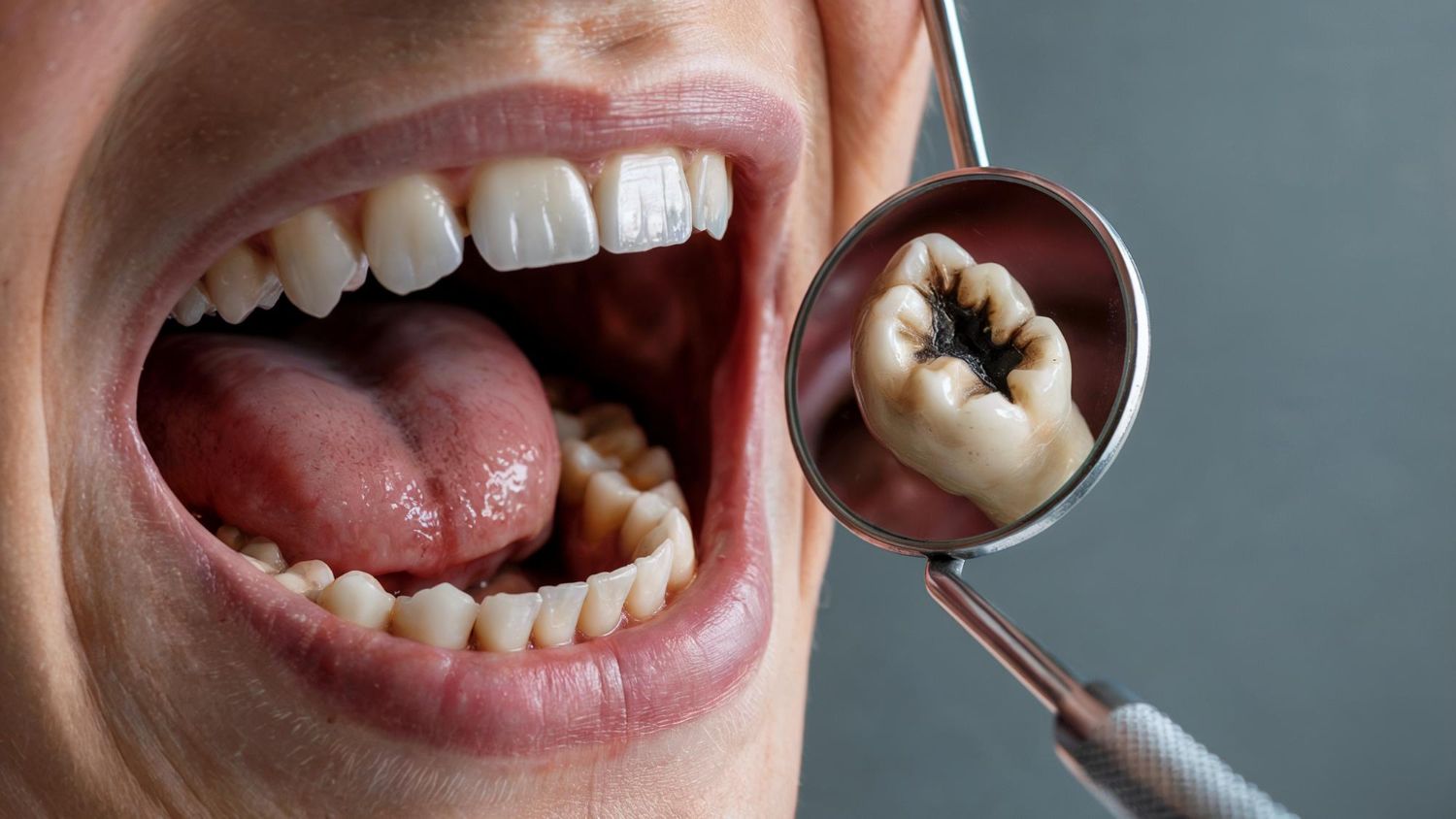
A crossbite is not always just a cosmetic concern.
Depending on its location and severity, an untreated crossbite may contribute to problems such as:
- uneven tooth wear
- difficulty cleaning crowded areas
- gum stress around certain teeth
- bite imbalance
- chewing difficulties
- jaw strain in some patients
Not every crossbite causes the same complications, and treatment urgency varies.
The best decision comes from identifying whether the issue is affecting function, tooth position, periodontal health, or long-term stability.
Patients with broader alignment problems can also review how to fix crooked teeth to understand the main orthodontic and cosmetic treatment options.
How to Fix a Crossbite
If you are wondering how to fix a crossbite, there is no single treatment that works for everyone.
The appropriate approach depends on:
- age
- whether the crossbite is dental or skeletal
- number of teeth involved
- severity
- jaw width
- crowding
- gum and bone health
- overall bite relationship
Common treatment options include the following.
Clear Aligners
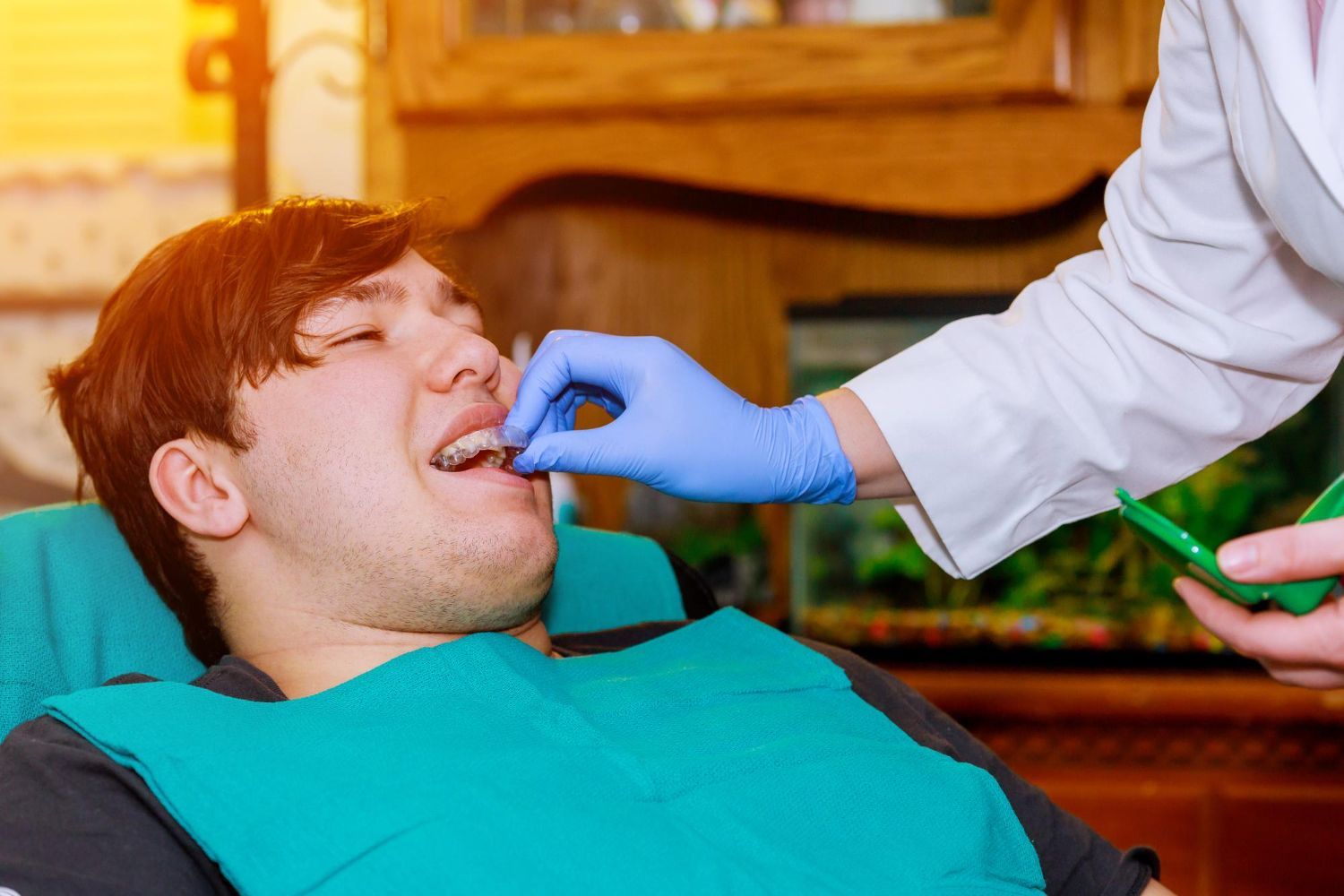
Clear aligners may be used for selected dental crossbites by applying controlled forces to reposition teeth.
They can be a good option when the required tooth movements are suitable for aligner therapy and the patient can follow the recommended wear schedule.
Traditional Braces
Braces can provide precise control over tooth movement and may be better suited to more complex cases.
For some crossbites, braces may offer more predictable movement than removable aligners.
InStyle Dental's comparison of Invisalign vs braces explains why the best appliance depends on the specific orthodontic problem rather than convenience alone.
Palatal Expansion
When a crossbite is associated with a narrow upper jaw, expansion may sometimes be considered.
This is more commonly discussed during growth, although treatment options vary depending on age and skeletal maturity.
Combined Orthodontic Treatment
Some cases require more than one approach, such as:
- aligners plus elastics
- braces plus expansion
- staged orthodontic correction
- restorative treatment after tooth movement
The specific plan should be based on clinical diagnosis.
Can Invisalign Fix a Crossbite?
Yes, Invisalign can help correct certain crossbites, particularly when the issue is caused mainly by tooth position rather than a major skeletal discrepancy.
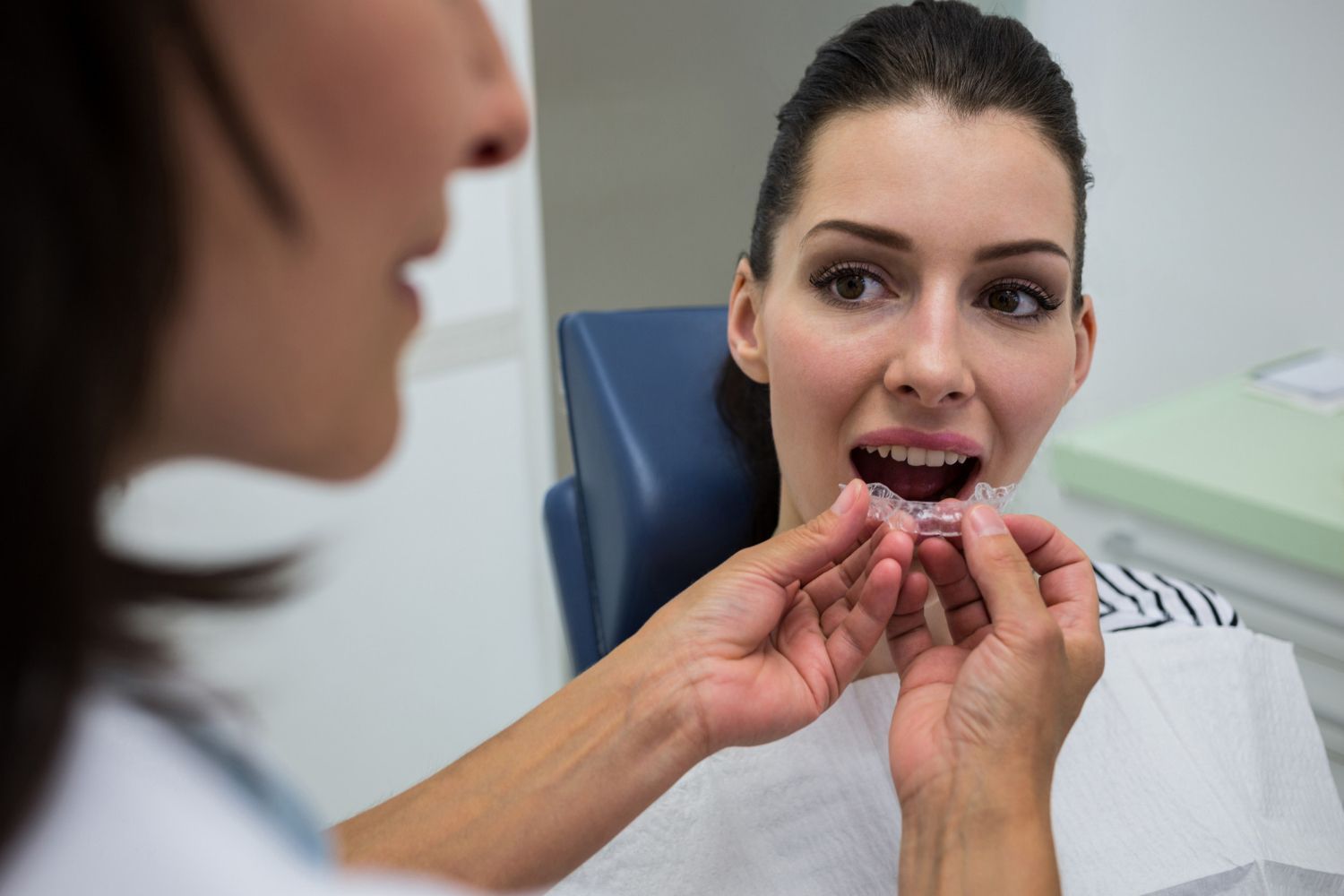
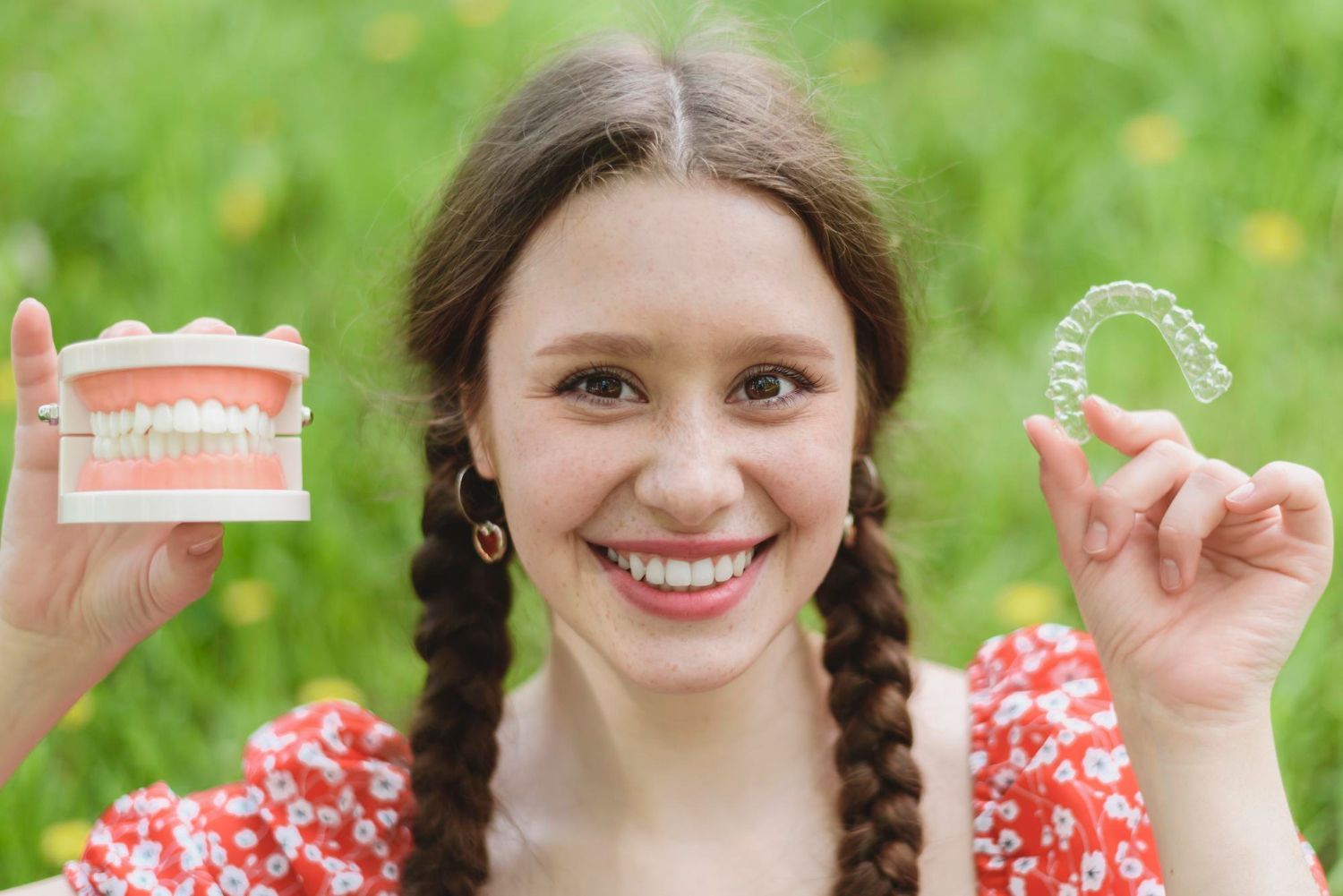
Invisalign works through a sequence of custom-made clear aligners that apply controlled pressure to move teeth gradually. InStyle Dental notes that clear aligners may be used for selected bite problems, including certain crossbite cases.
However, Invisalign is not automatically appropriate for every crossbite.
Invisalign May Be Suitable When:
- the crossbite is mild to moderate
- individual teeth need repositioning
- crowding or spacing also needs correction
- the required movements are predictable with aligners
- the patient can wear aligners consistently
Invisalign May Be Less Suitable When:
- there is a severe skeletal jaw discrepancy
- significant jaw expansion is required
- tooth movements are particularly complex
- additional appliances would provide more predictable control
This is why an orthodontic assessment is essential before deciding how to fix a cross bite.
Patients interested in clear aligners can learn more about how Invisalign works, including how each tray gradually moves selected teeth.
Crossbite Treatment: Invisalign vs Braces
Both Invisalign and braces can move teeth, but they do so differently.
InvisalignTraditional BracesRemovable clear alignersFixed brackets and wiresLess noticeableMore visibleMust be worn consistentlyWorks continuously once placedEasier to remove for brushingRequires cleaning around bracketsCan treat selected crossbitesCan treat a wide range of bite problemsNot ideal for every complex caseOften useful for more complex movement
The right choice is not simply based on which option looks better.
The important question is:
Which treatment can correct the specific crossbite safely and predictably?
For people who want alternatives to traditional braces, InStyle Dental also explains how to straighten teeth without braces, including where clear aligners may fit into treatment.
How Long Does It Take to Fix a Crossbite?
Treatment time varies significantly.
A mild dental crossbite involving one or two teeth may require much less time than a complex bite problem involving multiple teeth or jaw-width differences.
Factors that influence treatment length include:
- severity
- number of teeth involved
- age
- type of crossbite
- treatment method
- biological response
- patient compliance
- whether refinements are required
It is better to get an individualized treatment estimate than rely on a generic timeline found online.
Can a Crossbite Get Worse With Age?
Teeth and bite relationships can change throughout life.
Crowding, tooth loss, periodontal changes, bite forces, and natural tooth movement can affect alignment over time.
A crossbite does not necessarily worsen in every adult, but an existing bite problem can continue to influence tooth wear or function.
If you notice increasing crowding or changes in your bite, a dental evaluation can help determine whether orthodontic treatment is appropriate.
InStyle Dental provides broader general dentistry care in NYC, including evaluation of tooth alignment, bite changes, and overall oral health.
Can a Crossbite Be Fixed Without Braces?
Sometimes.
For selected cases, clear aligners such as Invisalign can correct a crossbite without conventional braces.
Other cases may require:
- expansion
- elastics
- fixed appliances
- braces
- combined treatment
Cosmetic treatments such as veneers or bonding may change the appearance of certain teeth, but they do not correct the underlying bite in the same way as orthodontic tooth movement.
That distinction is important.
If the goal is true crossbite correction, treatment must address the position and relationship of the teeth or jaws rather than simply changing how they look.
What Happens During a Crossbite Evaluation?
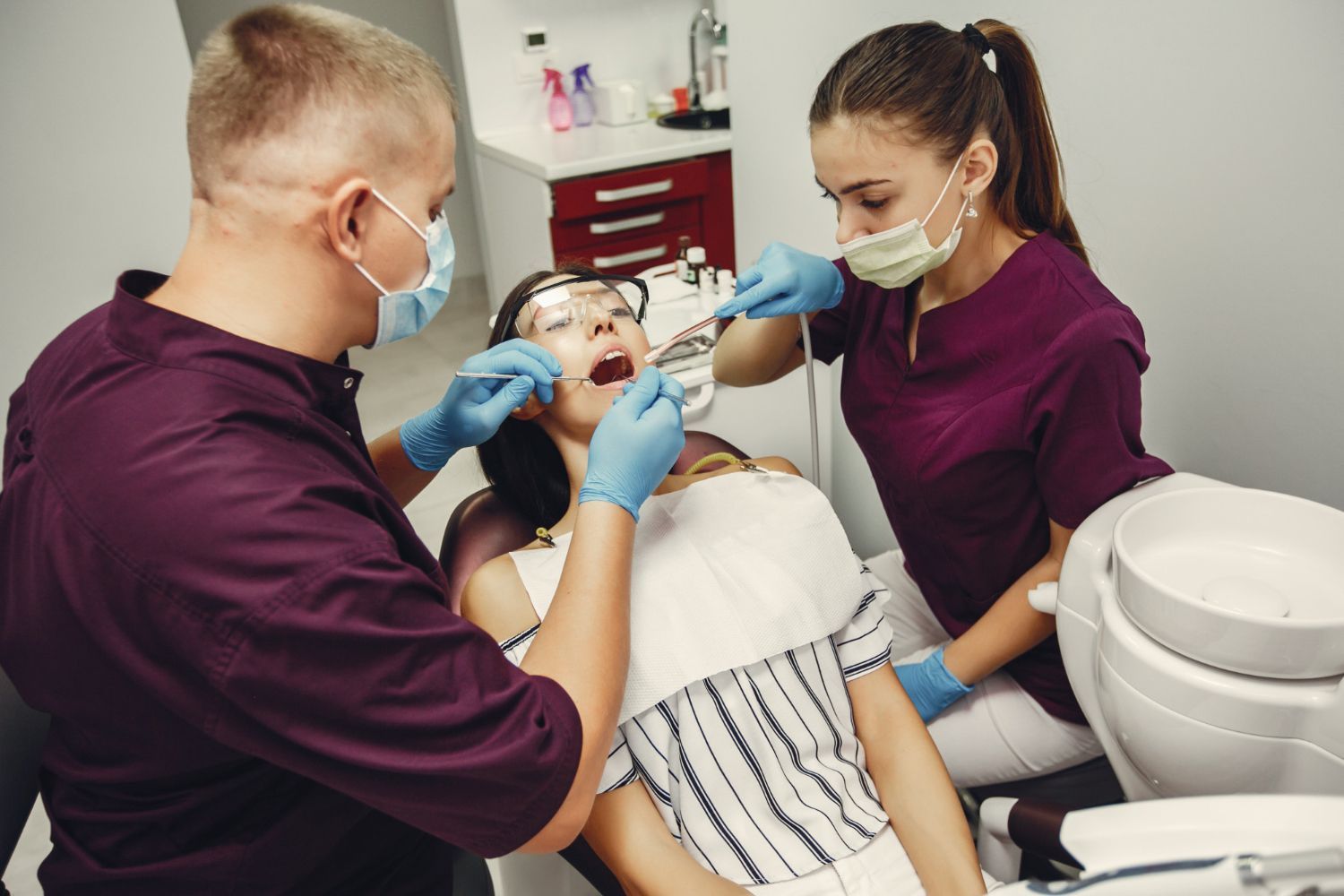
A dentist or orthodontic provider usually evaluates more than the visible teeth.
The assessment may include:
- examining how the upper and lower teeth meet
- identifying whether the problem is dental or skeletal
- checking for crowding or spacing
- assessing gum and bone health
- reviewing jaw function
- taking photographs or digital scans
- using X-rays or other imaging when appropriate
- discussing treatment goals and available options
If Invisalign is being considered, a digital treatment plan may be created to determine whether the required tooth movements are suitable for clear aligners.
Patients considering orthodontic treatment can review InStyle Dental's main Invisalign treatment page for more information about candidacy and treatment planning.
Is It Worth Treating a Crossbite in Adults?
Adult crossbite treatment can be worthwhile when the problem affects:
- tooth alignment
- bite function
- tooth wear
- oral hygiene
- gum health
- appearance
Age alone does not automatically prevent orthodontic treatment.
However, adult treatment planning may be different because jaw growth has already finished.
That makes proper diagnosis especially important if the crossbite involves the underlying jaw relationship rather than only individual tooth position.
If crooked teeth are also part of the concern, patients can explore crooked teeth treatment options before discussing the most appropriate treatment with a dentist.
Frequently Asked Questions
What is a crossbite in dentistry?
A crossbite is a type of malocclusion in which one or more upper teeth bite inside the lower teeth. It may affect the front teeth, back teeth, one side, or both sides of the mouth.
How do you fix a crossbite?
Treatment may involve Invisalign, braces, expansion, elastics, or other orthodontic methods. The correct option depends on whether the crossbite is caused by tooth position, jaw structure, or both.
Can Invisalign fix a crossbite?
Invisalign can treat certain mild to moderate dental crossbites. More complex skeletal or jaw-width problems may require additional orthodontic approaches.
What happens if you do not fix a crossbite?
Some crossbites remain relatively stable, while others may contribute to uneven wear, bite imbalance, difficulty cleaning certain areas, or other functional concerns. A dental assessment can determine whether treatment is recommended.
How long does it take to fix a cross bite?
There is no single timeline. Treatment length depends on severity, number of teeth involved, age, treatment method, and whether the crossbite is dental or skeletal.
Conclusion
Understanding what is a crossbite starts with recognizing that it is more than simply a crooked tooth. A crossbite is an abnormal bite relationship in which upper teeth sit inside lower teeth, and it may involve individual tooth position, jaw width, or both.
Treatment can include clear aligners, braces, expansion, elastics, or combined orthodontic approaches. Invisalign can help with certain crossbites, but not every case is suitable for clear aligners.
If your bite feels uneven or you think you may have a crossbite, schedule an evaluation to determine the cause and the most appropriate treatment. Learn more about Invisalign in New York City or visit InStyle Dental in Midtown Manhattan to discuss your options.